Welcome to Jiangsu Yigao Medical


 ENG

 English
 Español

Welcome to Jiangsu Yigao Medical

When a patient arrives at the emergency department, is admitted to a ward, or is moved into an operating suite, one of the first questions a nurse or physician may ask is whether the patient is oriented. Checking orientation is a fast, non-invasive way to assess neurological status, consciousness, and baseline cognitive function. Although it seems simple, it takes practice to do it reliably, especially with anxious, drowsy, or distressed patients.
In this guide, we share a practical approach to checking patient orientation in everyday hospital settings, based on our years of manufacturing medical furniture for acute care environments. We will also look at why the physical environment matters during this assessment and how the right equipment can support both the clinician and the patient.
Orientation refers to a person's awareness of themselves, their location, and the current time. It is usually divided into three domains:
Clinicians often abbreviate a normal result as "alert and oriented x3" (meaning oriented to time, place, and person). Some assessments also include a fourth domain, situation or purpose, which clarifies why the patient is in the hospital.
An orientation check helps detect a wide range of conditions, including delirium, dementia, traumatic brain injury, infection, metabolic abnormalities, and side effects of medication. A change in orientation is often one of the earliest signs that a patient's clinical status is deteriorating. Early recognition can lead to prompt intervention, which in turn improves patient outcomes.
Orientation screening is also part of standardized tools such as the Mini-Mental State Examination and the Glasgow Coma Scale. Although those tools are more comprehensive, a quick orientation check can be performed at the bedside in less than two minutes. In our experience working with hospitals around the world, a well-run orientation assessment is a cornerstone of nursing handover and daily review.
Before asking questions, make sure the patient is comfortable and in a calm environment. Ensure adequate lighting and reduce background noise. If the patient is lying down, raise the head of the bed slightly so they can make eye contact with you. This small adjustment can make the conversation feel less intimidating and more like a normal interaction.
If the patient is in a general hospital ward bed, use its positioning controls to bring the upper section up. For patients who are unable to sit up, even a small elevation helps with visibility and comfort. Maintaining the patient's dignity and privacy is also important; draw the curtain and keep the assessment conversation quiet and respectful.
 DB501 Multi-functional Electric Hospital Bed for Patient ComfortThis electric bed offers adjustable positioning and smooth surfaces, helping you elevate the patient comfortably while maintaining dignity during assessments.View Product →
Start with simple, conversational questions. Avoid using a rapid-fire or interrogative tone, because patients may feel defensive. Instead, phrase questions naturally and allow the patient enough time to answer.
Record each response separately.
The table below summarizes common questions and the typical response you should expect from an oriented patient.
| Domain | Question | Expected response |
|---|---|---|
| Time | What is today's date? | [Exact date, month, year] |
| Place | Where are you right now? | Hospital / clinic / ward name |
| Person | Can you tell me your name? | Patient's full name |
Document the patient's level of orientation using a clear note. The common notation is "alert and oriented x3" (A&O x3) or "oriented x4" if you include situation. If the patient is not fully oriented, record exactly which domains are impaired. For example, "oriented to person only" or "disoriented to time and place."
Changes in orientation can be subtle. Compare findings with previous assessments to see whether the patient is improving or declining. A sudden loss of orientation in a previously oriented patient is a medical red flag and should be reported promptly.
Very young children may not understand time or date concepts. For pediatric patients, use age-appropriate questions, such as "Do you know what day it is today?" and allow the child to answer with help from a parent. More importantly, assess whether the child is behaving normally compared with their baseline.
Older patients may have longstanding mild cognitive impairment. Always ask family members or caregivers about the patient's baseline before judging orientation. A patient with early dementia might be oriented to person but disoriented to time; this may be normal for them, not an acute change.
Patients with hearing loss, a foreign language, or aphasia may appear disoriented because they cannot understand the question. Use an interpreter, writing, or visual aids when needed, and separately assess receptive language before concluding that orientation is impaired.
In acute confusion, patients may become frightened or even aggressive. Protect them from injury by lowering the bed height, keeping side rails up, and monitoring them closely. A calm and reassuring voice can make all the difference.
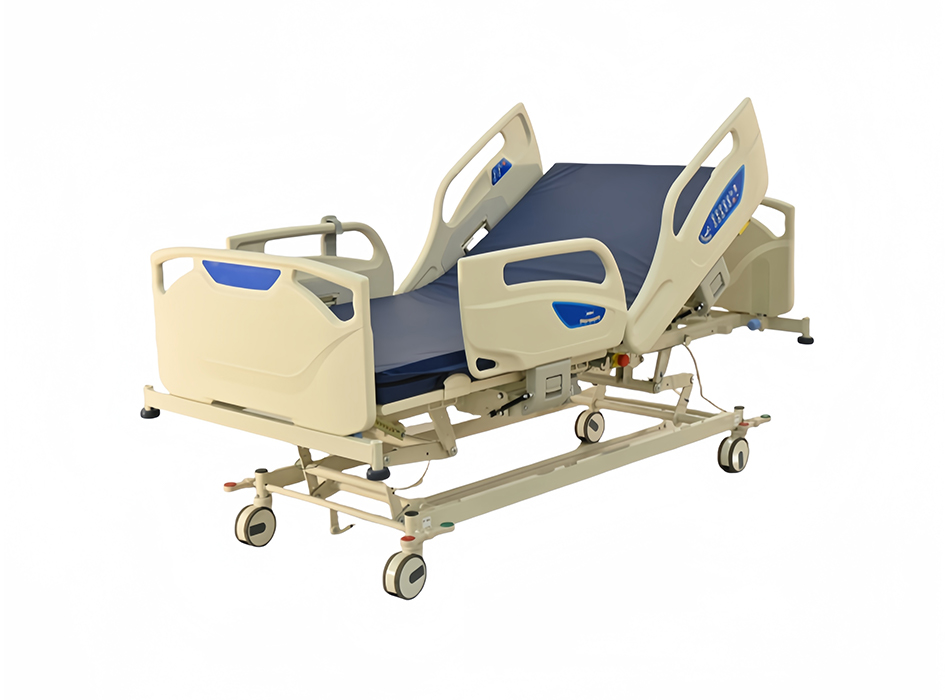 DB502 Emergency Electric Hospital Bed with Safety FeaturesWith height adjustment and protective side rails, this bed helps secure confused or agitated patients, reducing fall risk while allowing close monitoring.View Product →
Culture and education also affect how patients answer. Some may politely say "I don't know" without actually having a deficit. Repeat questions in different ways and use clinical judgment.
Clinical assessment is not only about asking the right questions. The physical environment has a real impact on a patient's ability to focus and cooperate. In busy wards, noise and visual clutter can increase confusion. A clean, organized room and a comfortable bed help the patient feel secure.
We have seen how different hospital layouts affect patient experience. Adjustable beds, such as those with patient-controlled backrest and leg elevation options, can help put the patient at ease. In higher-acuity settings, specialized beds with quick repositioning features reduce strain for patients and staff. To learn more about equipping inpatient areas, you can review our ICU and critical care equipment.
Knowing how to check orientation of a patient is a core nursing skill that helps detect serious health problems early. The key is to be systematic, patient, and consistent. With practice, it becomes part of every routine assessment.
At Jiangsu Yigao Medical Equipment Technology Co., Ltd., we are dedicated to supporting clinicians with reliable, thoughtfully designed medical furniture. From hospital beds to ICU equipment, our goal is to make patient care safer and more comfortable for everyone involved.
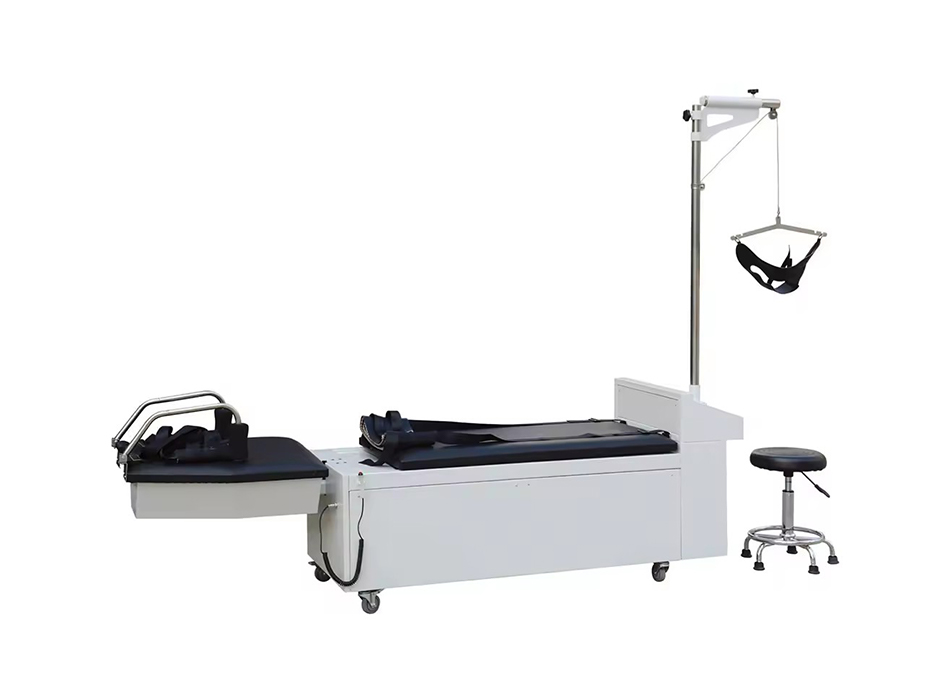
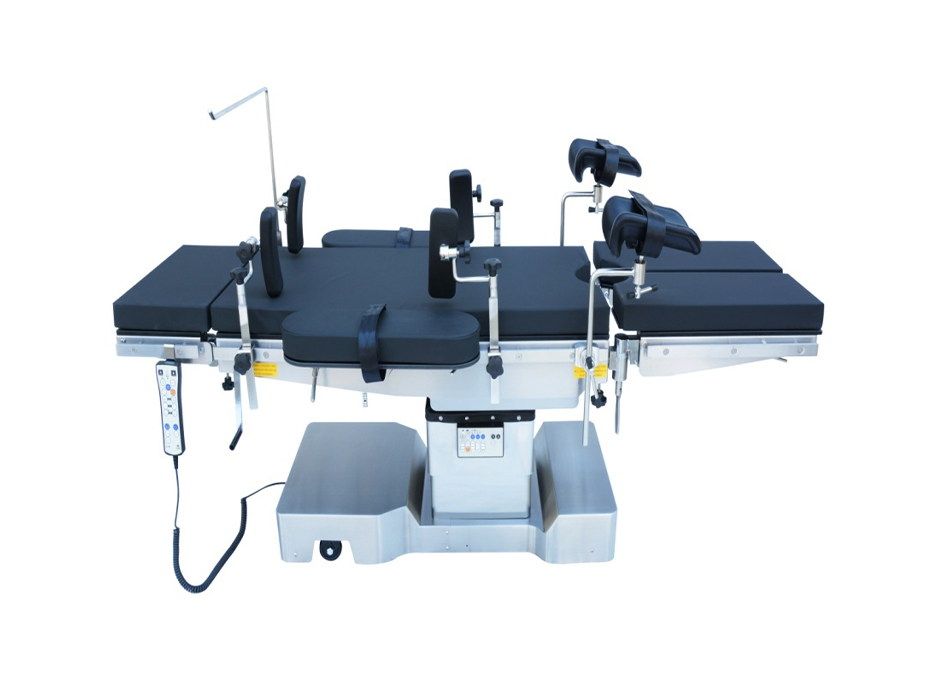
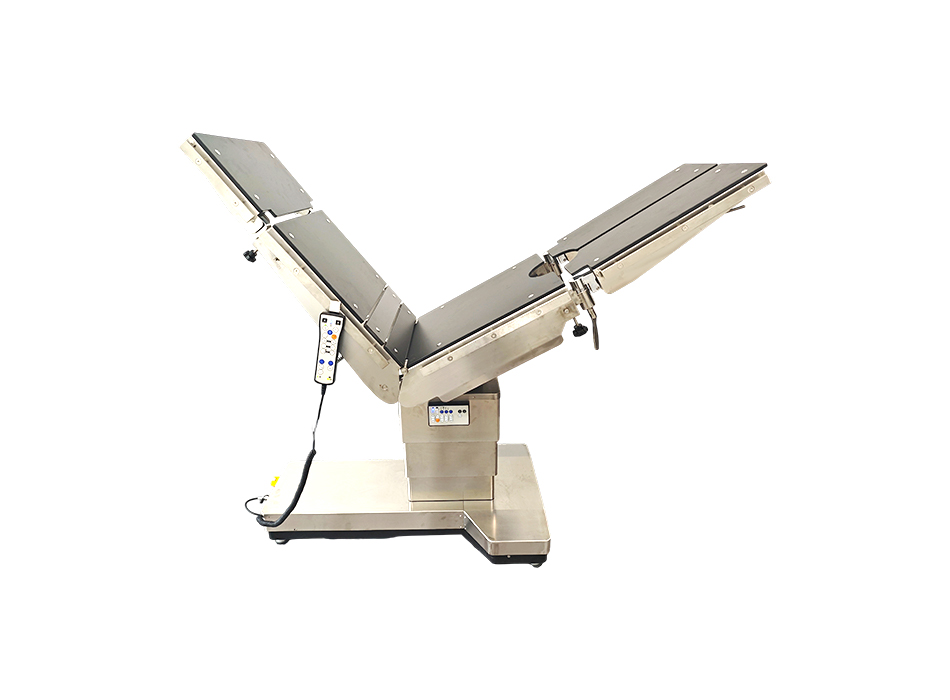
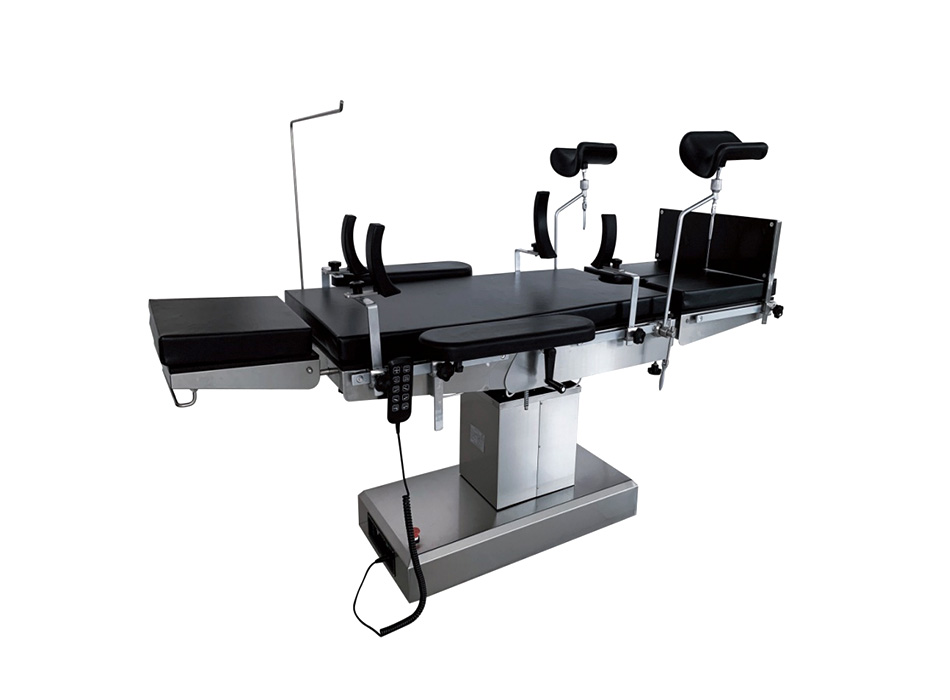
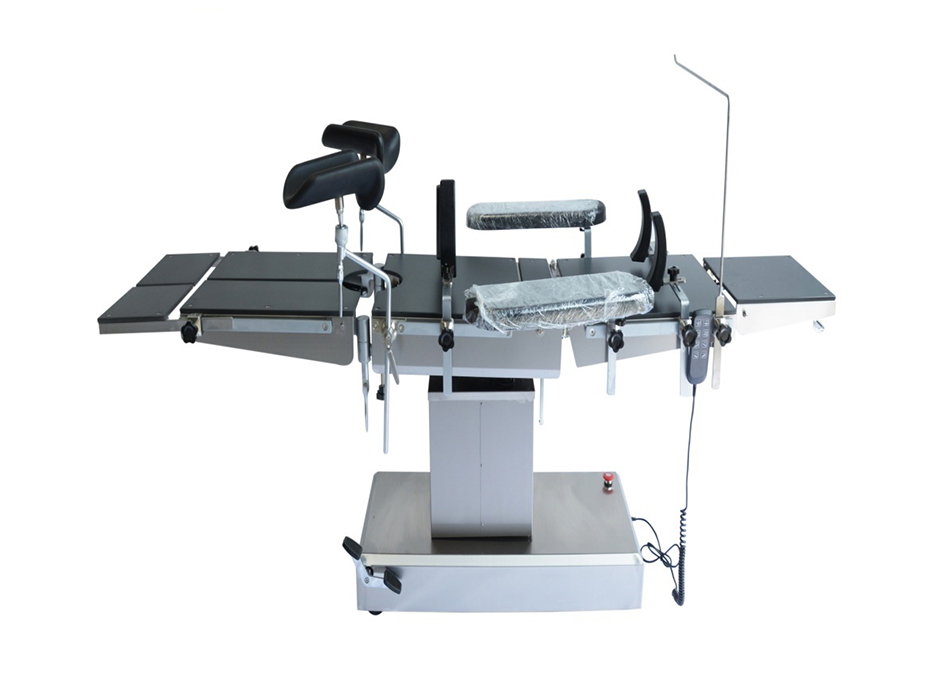
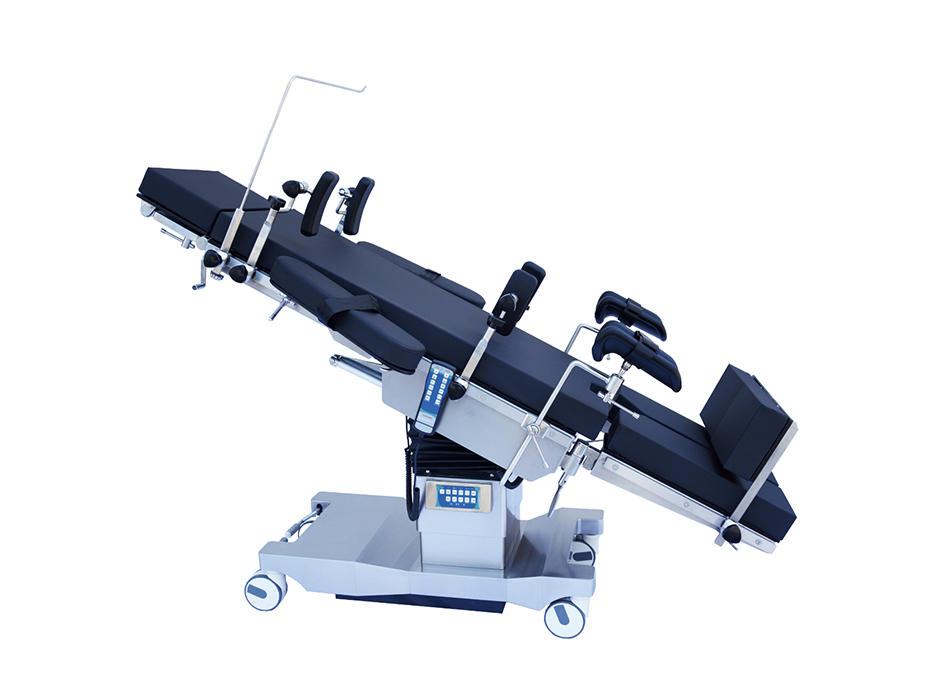
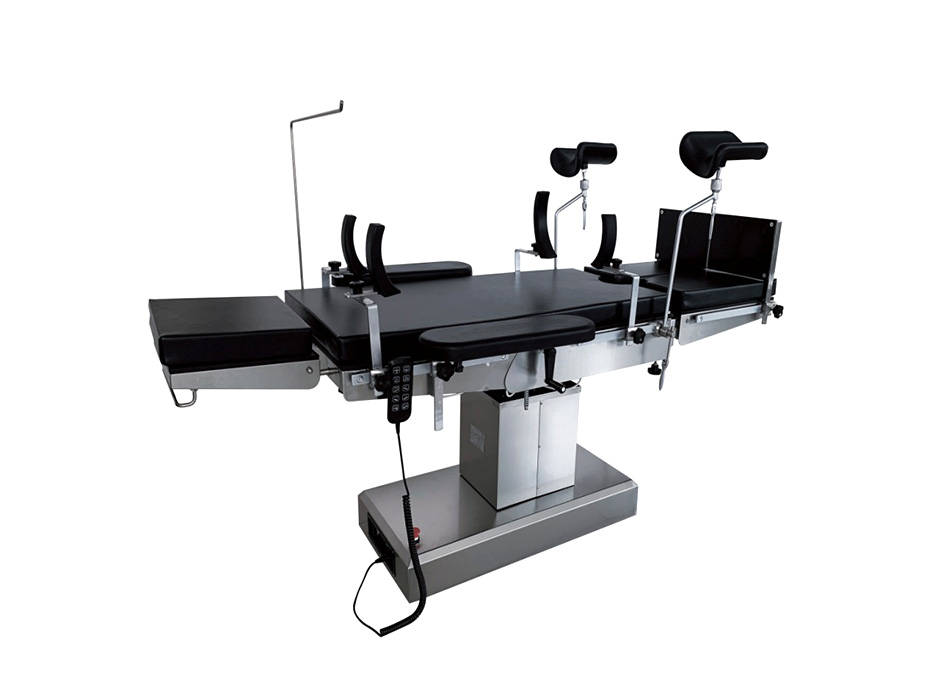
If you are interested in our products, please consult us
Copyright © 2026 Jiangsu Yigao Medical Equipment Technology Co., Ltd.

Custom Electric Medical Bed Manufacturers
The information provided on this website is intended for use only in countries and jurisdictions outside of the People's Republic of China.