Welcome to Jiangsu Yigao Medical


 ENG

 English
 Español

Welcome to Jiangsu Yigao Medical
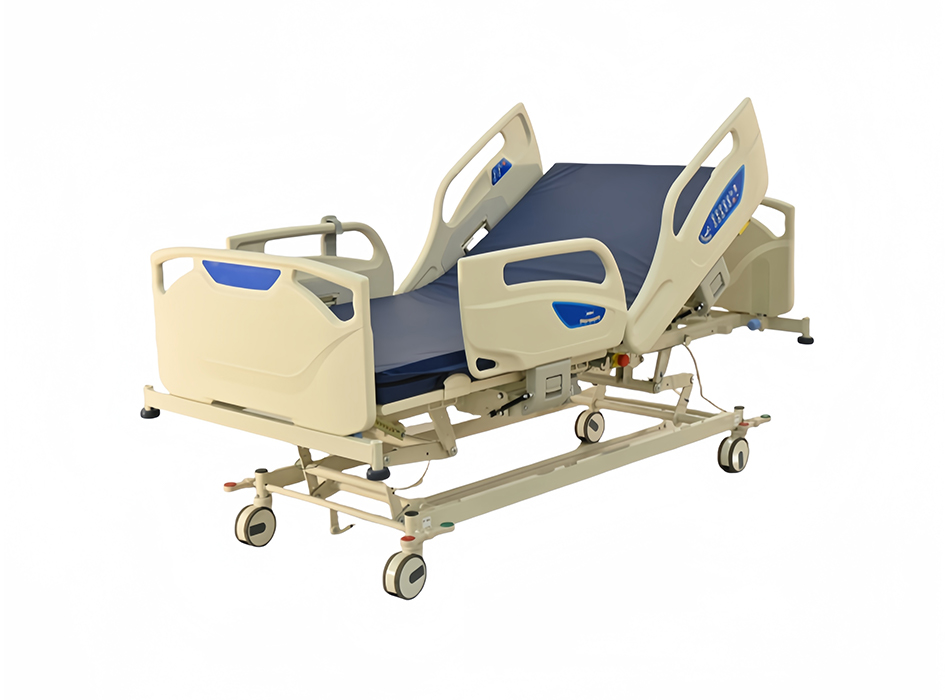
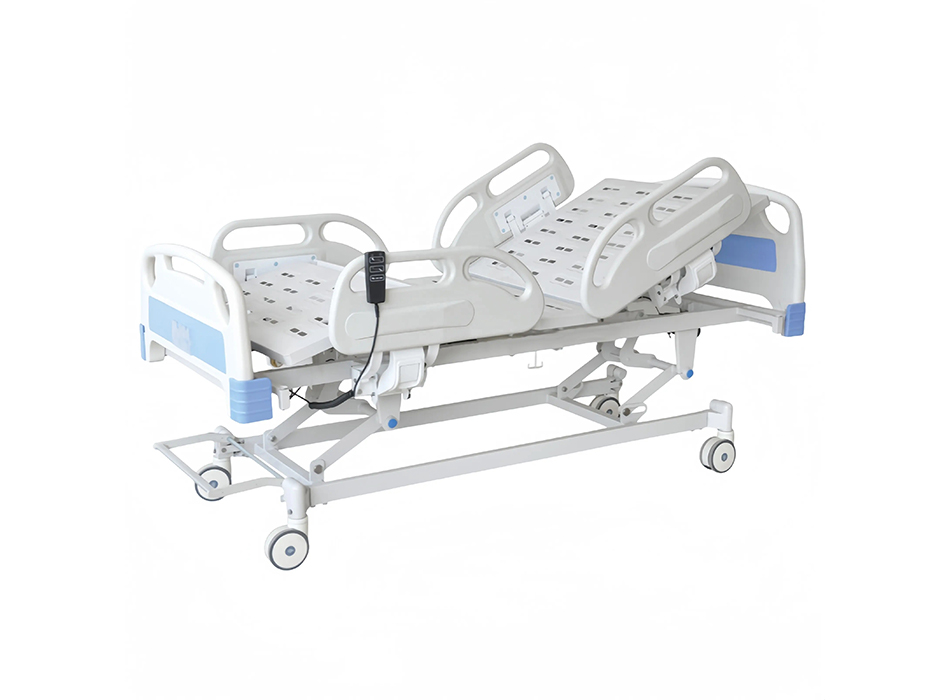
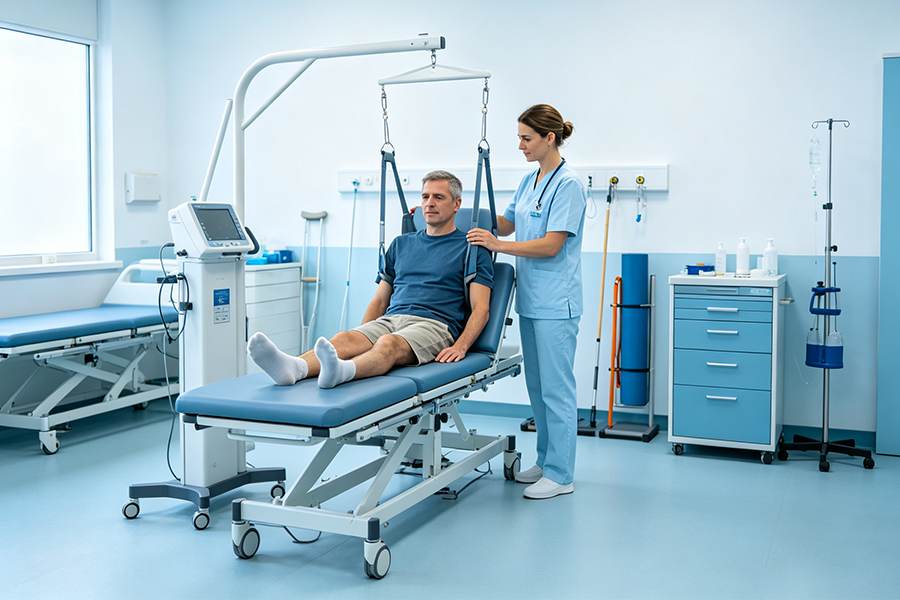
Hospital Bed is a multifunctional electric ICU hospital bed that provides patients with a highly comfortable and safe bed environment, while providing a convenient operating platform for medical staff. The bed combines advanced electric adjustment technology and humanized design to provide patients with personalized care and help improve the experience during the rehabilitation process. Hospital Bed uses an electric adjustment system that can easily adjust the angle of the bed surface, the height of the head of the bed, the position of the foot of the bed, etc. according to the patient's condition and needs. This flexible adjustment function allows medical staff to adjust the bed according to treatment requirements to achieve the best treatment and care effects.
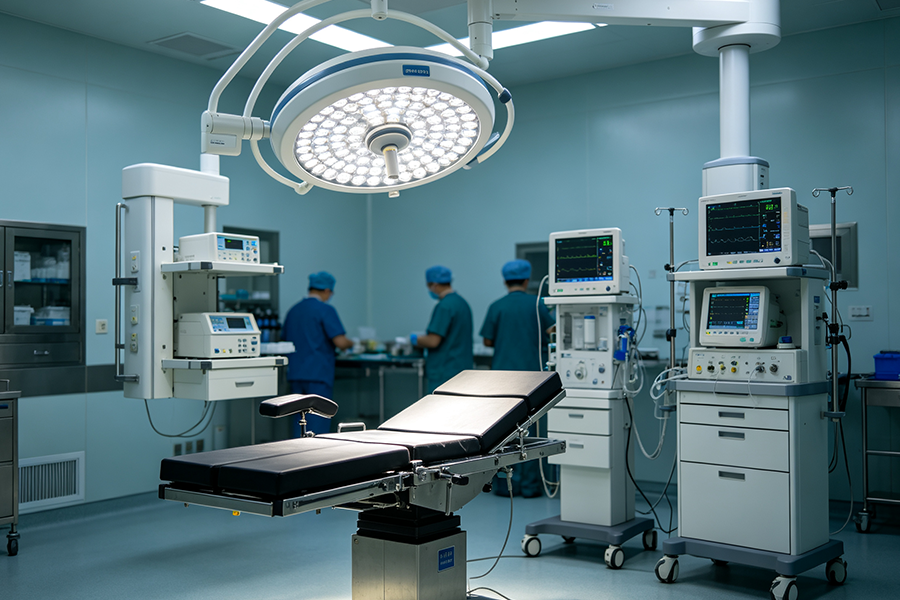
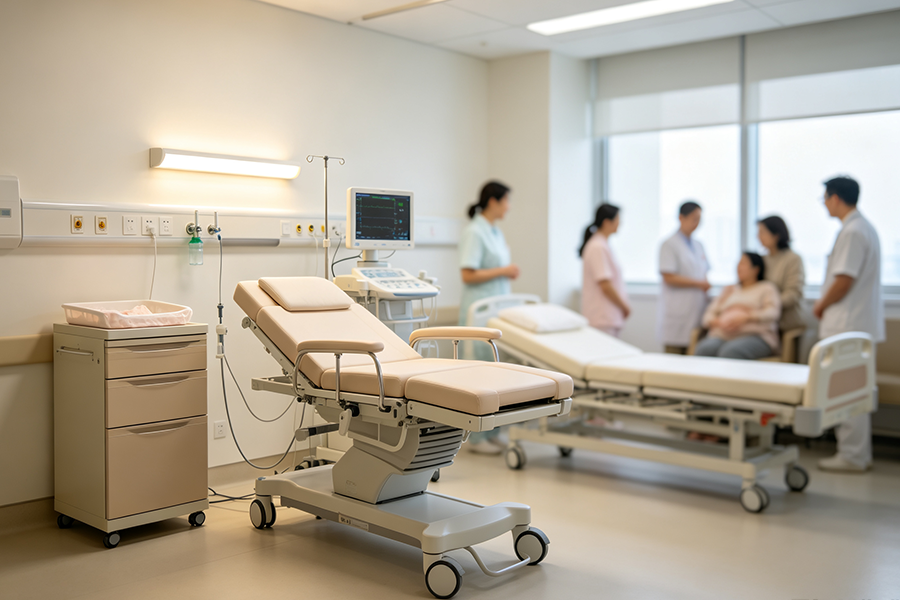
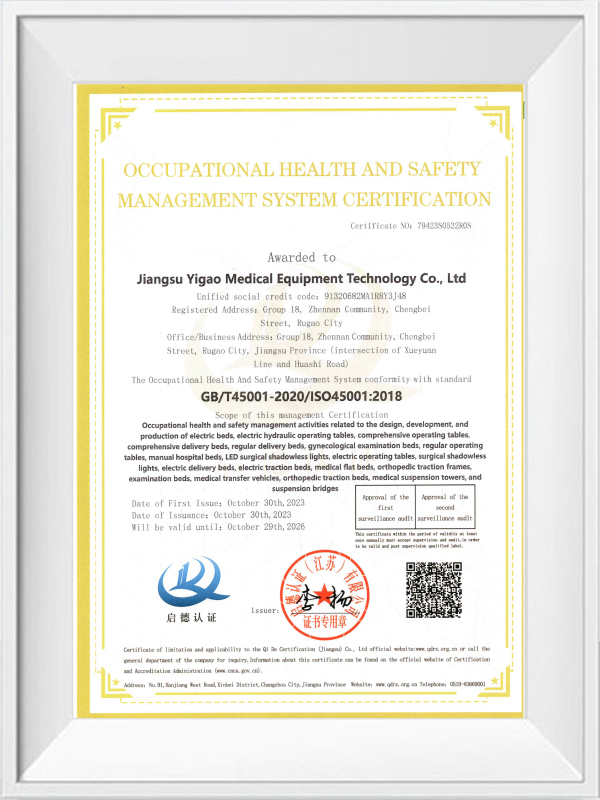
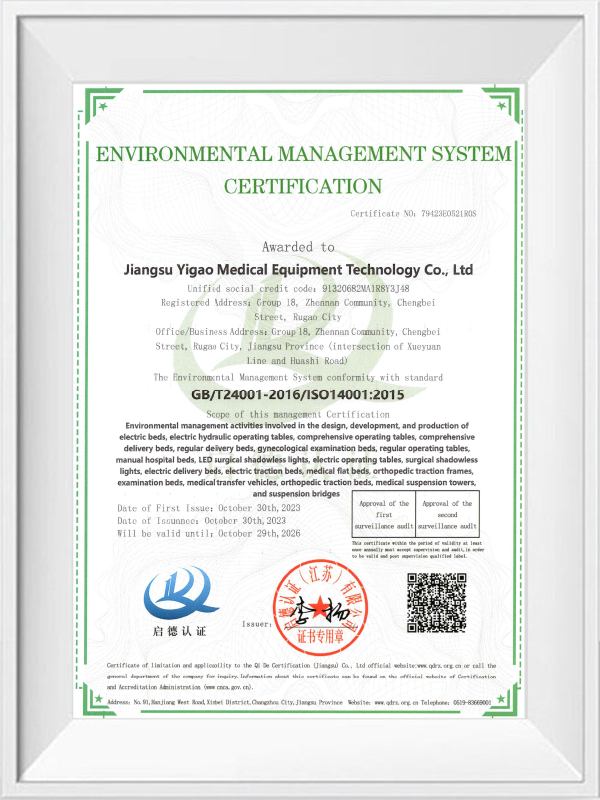
Yigao Medical manufactures operating tables, delivery beds, hospital beds, surgical lights, medical traction systems and surgical pendants for hospitals, distributors and healthcare projects. Our company has passed ISO 9001, ISO 13485, ISO 14001, ISO 45001 and other management system certifications, and all products meet CE standards.
●Operating Tables
●Surgical Lights
●Surgical Pendants
●Delivery Beds
●Examination Beds

●Hospital Beds
●Patient Stretchers
●Medical Trolleys
●Orthopedic Traction Frames
●Electric Traction Beds

Founded In
0
Factory Area
0m²
Exporting Countries
0+
Production Line
0line
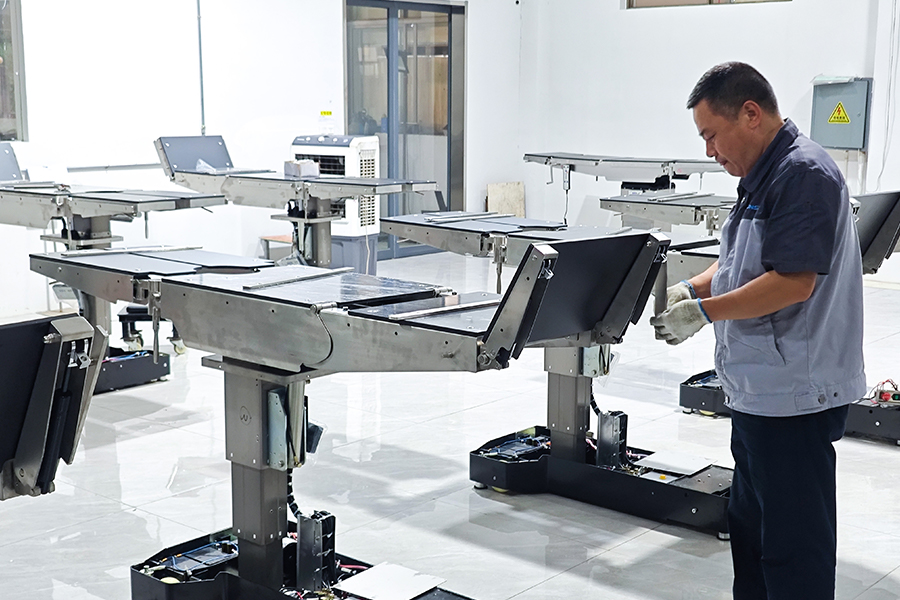







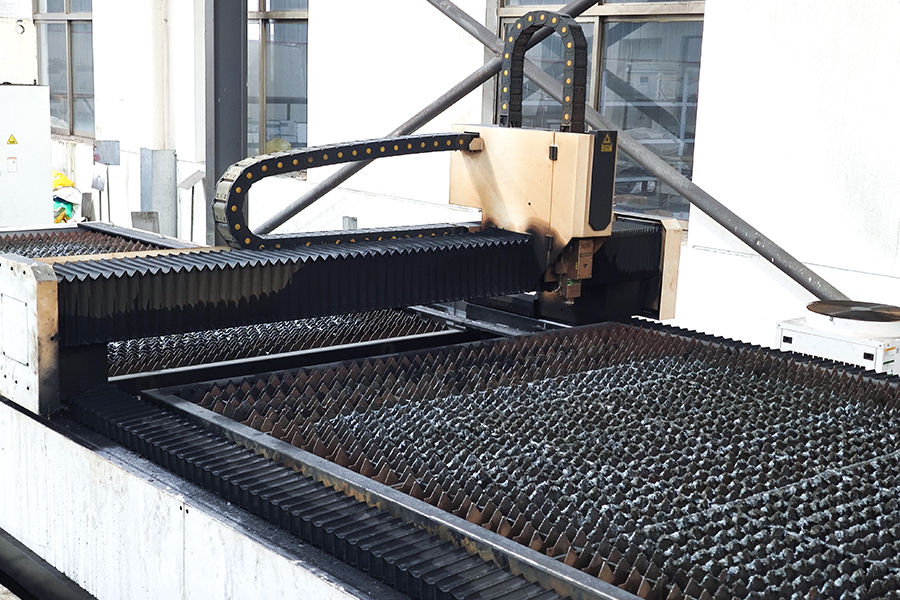

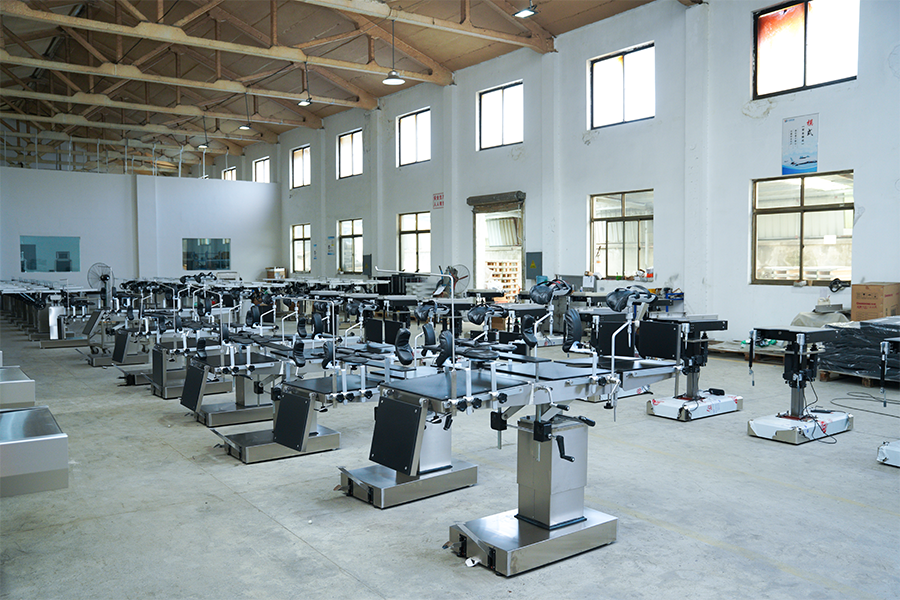
Authentic reliable quality naturally stands out and fears no comparison.




Provide you with the latest enterprise and industry news
If you have ever watched a surgical team raise, tilt and fold a table without anyone reaching for a crank, you have already watched the answer in action. An operating table is a p...
Walk into a modern operating room and you will notice the overhead light system almost immediately: bright, even, and seemingly free of shadows. For surgeons, that uniformity is n...
In an operating room, clear vision is not a convenience; it is a safety requirement. The surgical team needs to see tissue in its true color, distinguish layers of anatomy, and wo...
Almost every patient preparing for surgery eventually asks the same quiet question: once the operation is over, how exactly do they get you off the operating table? It is a fair t...
A Hospital Bed is a multifunctional electric ICU bed designed to provide patients with a highly comfortable and safe environment while also offering medical staff an efficient operating platform. Combining advanced electric adjustment technology with humanized design, Hospital Beds offer personalized care to patients, especially during the rehabilitation process. The key features of a Hospital Bed include:
Electric Adjustment System: The bed uses an electric mechanism that allows easy adjustments to the bed’s position. This includes adjusting the angle of the bed surface, raising the head of the bed, and modifying the position of the foot of the bed, all of which can be done with the push of a button.
Personalized Care: The Hospital Bed is designed to meet the varying needs of patients by offering customized positioning, which helps improve comfort and support during treatment. Whether the patient requires a specific angle for treatment, rehabilitation, or comfort, these beds provide a flexible solution.
Improved Patient Comfort: With its adjustable features, the Hospital Bed can be set to the optimal position to provide comfort and alleviate pressure points, especially during long hospital stays. This is essential for improving the patient's overall recovery experience.
The electric adjustment system in Hospital Beds offers significant benefits for both patients and healthcare providers, making it a preferred choice in hospitals, especially in ICUs and other high-care areas. Here’s how this system improves both comfort and care:
Ease of Use for Medical Staff: The electric adjustment system allows healthcare providers to quickly adjust the bed to the appropriate position without manual effort, saving time and reducing physical strain. This is especially important in critical care environments where time and precision are crucial.
Enhanced Patient Comfort: The ability to adjust the bed’s height, angle, and surface position ensures that the patient can be placed in the most comfortable and supportive posture for their medical condition. For instance, elevating the head of the bed can help with respiratory issues, while adjusting the foot of the bed can reduce pressure on the lower limbs.
Facilitates Medical Procedures: The flexibility of Hospital Beds allows medical staff to easily access patients for examination, treatment, and monitoring. The electric adjustments make it easier to achieve the right positioning for procedures, reducing the need for manual repositioning and ensuring patient safety during treatment.
Hospital Beds are an essential piece of equipment in Intensive Care Units, where patients often require continuous monitoring, specialized treatments, and precise positioning. The functionality of the Hospital Bed makes it indispensable in these high-care environments:
Customizable Positioning for Critical Care: In the ICU, patients may need to be positioned in various ways to ensure their treatment is effective. Hospital Beds provide the flexibility to adjust the bed’s height, angle, and position based on the specific medical requirements. This is crucial for managing conditions like respiratory distress, pressure ulcers, and mobility issues.
Enhanced Safety Features: The Hospital Bed includes built-in safety features, such as side rails and locking wheels, to ensure patient safety. These beds are designed to minimize the risk of falls or injury, especially for patients who are sedated or unable to move independently.
Facilitating Monitoring and Treatment: The adjustable nature of Hospital Beds allows healthcare providers to easily access patients for monitoring vital signs, administering treatments, and making necessary adjustments. This helps in delivering more efficient and timely care in critical situations.
Promoting Patient Recovery: By providing a comfortable and adjustable sleeping position, the Hospital Bed can contribute to a patient’s overall recovery process, helping to reduce complications and improving rehabilitation outcomes.
When selecting a Hospital Bed for a healthcare facility, several factors must be considered to ensure that the bed meets the needs of both the patients and healthcare providers. Here are the key considerations:
Bed Type and Functionality: Depending on the healthcare setting, the functionality of the Hospital Bed may vary. For ICUs, a bed with a wide range of adjustments and additional features like built-in monitoring options may be required, while for general hospital rooms, a simpler version may suffice.
Adjustability Features: The more adjustability features a Hospital Bed has, the better it can cater to a wide range of patient needs. Features such as adjustable head and foot sections, height adjustment, and patient positioning controls all contribute to the comfort and care provided.
Durability and Maintenance: Given the constant use in hospital settings, Hospital Beds must be durable and easy to maintain. Stainless steel construction, easy-to-clean surfaces, and sturdy components are important factors to consider for long-term use.
Patient Safety and Comfort: Comfort and safety should always be a priority. Beds with adjustable side rails, secure locking mechanisms, and smooth mobility options help keep patients safe while enhancing their comfort during treatment or recovery.
If you are interested in our products, please consult us
Copyright © 2026 Jiangsu Yigao Medical Equipment Technology Co., Ltd.

The information provided on this website is intended for use only in countries and jurisdictions outside of the People's Republic of China.