Welcome to Jiangsu Yigao Medical


 ENG

 English
 Español

Welcome to Jiangsu Yigao Medical

When you’re planning a new clinic room, upgrading an existing facility, or ordering equipment for a hospital department, one detail that sometimes slips to the bottom of the checklist is the weight of the exam table. An exam table – also called a treatment table or patient examination table – is a sturdy medical furniture piece designed for patient assessments, minor procedures, and physical examinations. Because it is one of the most frequently used pieces of equipment in any medical practice, its physical characteristics matter more than you might think.
The question “how much does an exam table weigh?” is more than a technical spec; it affects shipping logistics, room layouts, floor load calculations, and even the daily workflow for staff who need to reposition the table. Understanding the typical weight and the factors that influence it will help you select the right model for your space and avoid last-minute surprises.
There is no single answer that covers every model, but most patient examination tables fall into a fairly predictable range. The table below gives an overview of what you can expect from common types of examination tables used in outpatient clinics, physicians’ offices, and hospital exam rooms.
| Exam Table Type | Typical Weight (lbs) | Typical Weight (kg) | Typical Load Capacity (lbs) |
|---|---|---|---|
| Manual flat exam table | 100 – 180 | 45 – 82 | 250 – 400 |
| Manual hi-lo exam table | 150 – 250 | 68 – 113 | 300 – 500 |
| Electric hi-lo exam table | 250 – 400 | 113 – 181 | 400 – 600 |
| Specialty or bariatric exam table | 300 – 600 | 136 – 272 | 600 – 1000 |
As you can see, the more functionality a table offers, the heavier it tends to be. A basic stationary table with a fixed height and no moving sections will be lighter, while an electrically adjustable model with a solid steel base and extra lifting hardware will be noticeably heavier. It is also important to remember that the shipping weight includes a wooden crate or molded packaging, so the delivered box can easily be 30 to 50 lbs heavier than the table itself.
Several design and construction choices directly influence the total weight of an exam table. Knowing these variables can help you anticipate shipping needs and verify whether a floor or elevator can comfortably accommodate the table.
This is also the right place to mention that different exam room configurations affect the answer to “how much does an exam table weigh?” For a deeper look at how these variations and intended uses translate into real-world models, see our practical guide to exam bed types.
The distinction between electric and manual adjustment is often the biggest deciding factor in exam table weight. Manual exam tables use either a fixed-height base or a simple foot-pump hydraulic system. Those models are usually more compact and easier to move, which is why they are popular in smaller clinics and private practices.
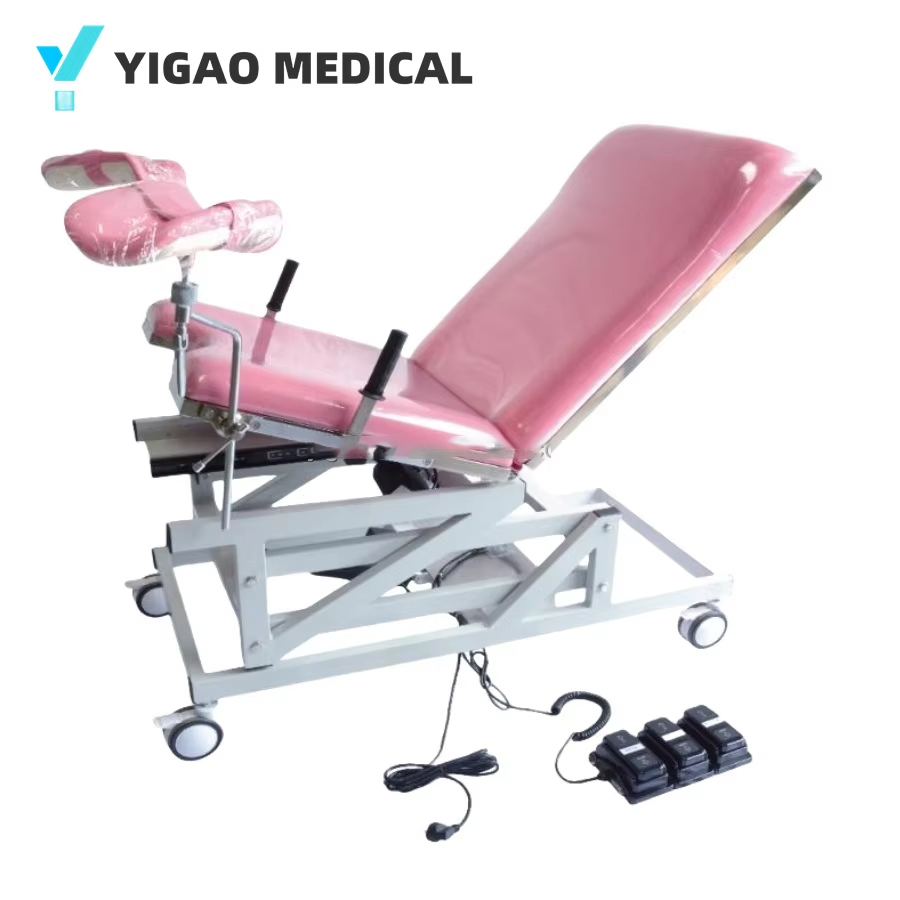
Electric exam tables, on the other hand, must carry a small electric motor, a linear actuator, a battery pack or transformer, and the reinforced steel structure needed to support those components. As a result, they tend to weigh 80 to 150 lbs more than a comparable manual table. The trade-off is that electric adjustment reduces physical strain for clinicians and makes it easier to position patients with limited mobility.
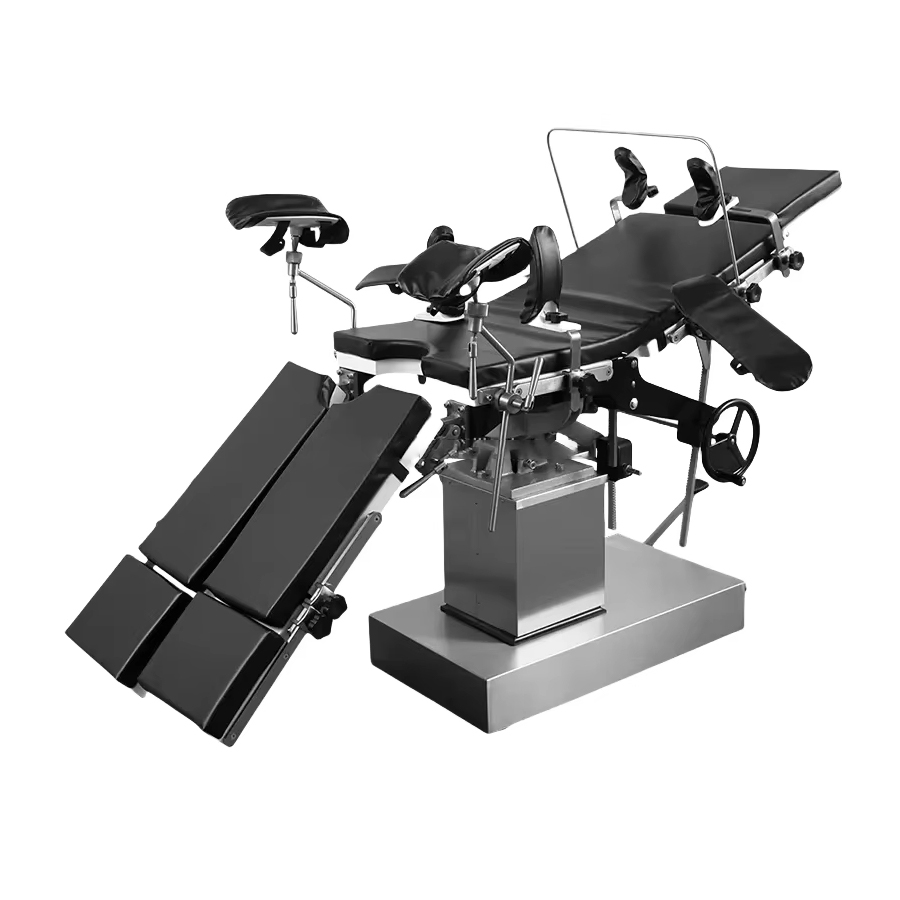
When you are asking how much an exam table weighs, the first thing to do is clarify whether you are looking at a manual or electric model. That single detail will narrow your weight range significantly. In addition, if the table is designed for a specific specialty, such as gynecology, dermatology, or urology, the additional stirrups and articulation segments will also add a few pounds.
Understanding exam table weight is not just about satisfying curiosity. Here are some real-world reasons to confirm the weight before you finalize your purchase.
Exam tables are typically shipped in wooden crates or heavy cardboard packaging. The crate weight can be 30 to 50 lbs higher than the table itself. Freight carriers need this information to quote the correct shipping class. If the table weighs more than expected, you may face additional shipping charges or delays at the receiving dock.
Most commercial buildings have floor loads designed to support far more than a single exam table, but older clinics or converted residential buildings may have constraints. A 300-lb electric exam table combined with a patient of 300 lbs and two or three staff members could temporarily place nearly 700 lbs on a small area. Always compare the table’s footprint to the floor’s load rating. Also, remember that carpeted rooms and areas with raised access floors create additional challenges for heavier tables.
Before a table is moved into a room, you have to measure every doorway, corner, and elevator along the path. A manual table can often be tipped and rolled by two people, while an electric table may require a dolly or a multi-person team. In multi-story buildings without a service elevator, the weight becomes even more critical because the installation crew may need to take the table up a staircase. Knowing the weight ahead of time lets you plan the move and avoid damage to the equipment or the building.
If you already have a specific model in mind, you do not need to rely on general averages. The manufacturer’s specification sheet will list the net weight and usually the shipping weight as well. Here are the most effective ways to get an accurate answer:
If you are dealing with a used table, the nameplate may be worn or missing. In that case, you can weigh the table on a platform scale or compare it against published specs from similar models. But the safest path is to contact the manufacturer before installation – there is no substitute for verified information.
At Jiangsu Yigao Medical Equipment Technology Co., Ltd., we design and manufacture a broad range of clinical furniture, including examination beds and delivery beds. Our factory in Rugao, near Shanghai, allows us to offer reliable products to hospitals, clinics, and distributors around the world. We combine a dedicated R&D team with full production and quality control processes, and our equipment is designed to meet the needs of modern medical workflows.
Our examination beds are built with powder-coated steel frames and high-density foam upholstery, providing a stable and comfortable platform for routine exams and gynecological procedures. These models combine ease of cleaning with practical adjustability. Depending on the configuration, the weight of our examination beds falls within the ranges described above. We are happy to provide the exact net weight for any specific model, or to walk you through the differences between manual and electric configurations so you can make an informed choice.
If you are comparing options for a new exam room, feel free to explore our examination bed series or ask our team for a specification sheet that matches your floor plan and patient mix.
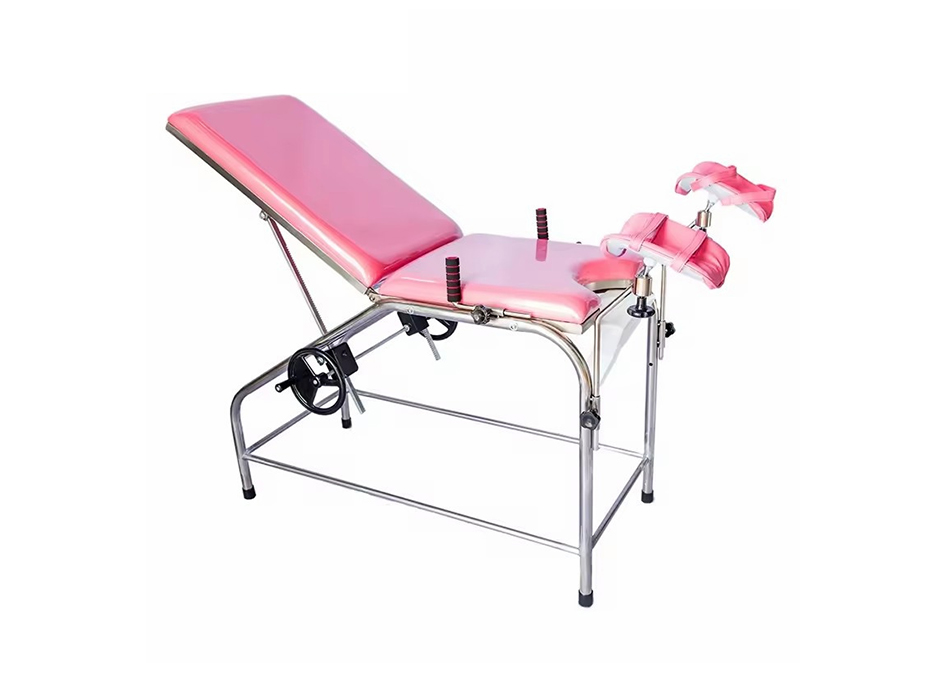 Examination Bed Series for Gynecological and Delivery CareExplore portable, manually adjustable stainless steel beds designed for routine gynecological exams and delivery support, ideal for clinics and hospitals.View Product → YGC2005A Stainless Steel Delivery Examination BedA manual stainless steel bed with adjustable backboard and delivery-ready features, suited for gynecological exams, procedures, and maternity care.View Product →
Knowing how much an exam table weighs is a small but essential part of equipping a medical space safely. Weight affects shipping costs, installation difficulty, floor load planning, and day-to-day usability. By understanding the average ranges and the factors that drive them, you can choose a model that fits your clinical needs without surprises.
When you are ready to compare specific products, ask the manufacturer for the technical dossier, and feel free to talk to our team at Yigao Medical – we are here to help you make the right decision for your facility, your staff, and your patients.
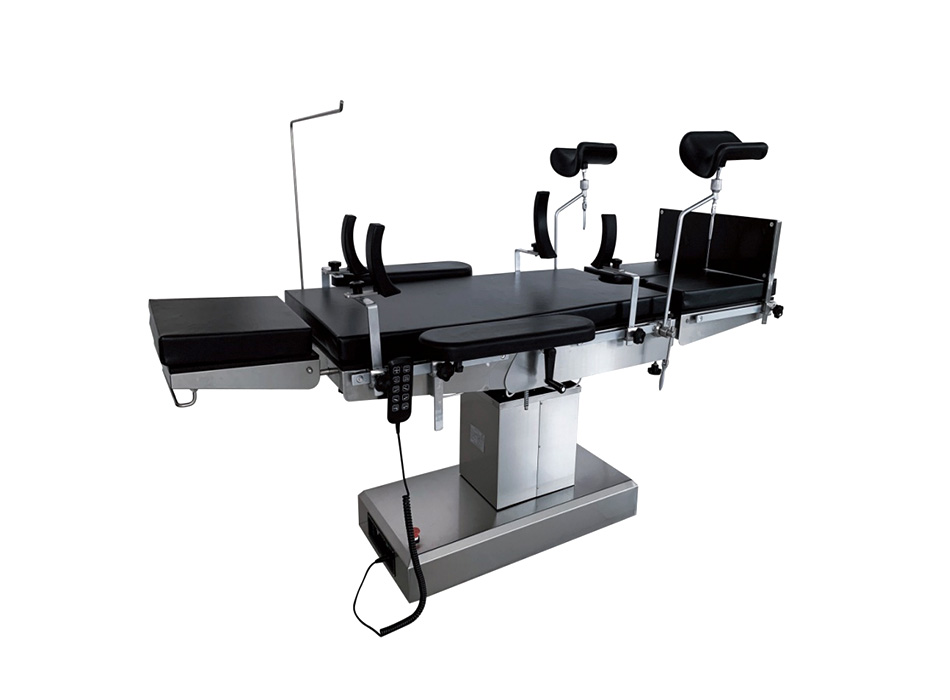
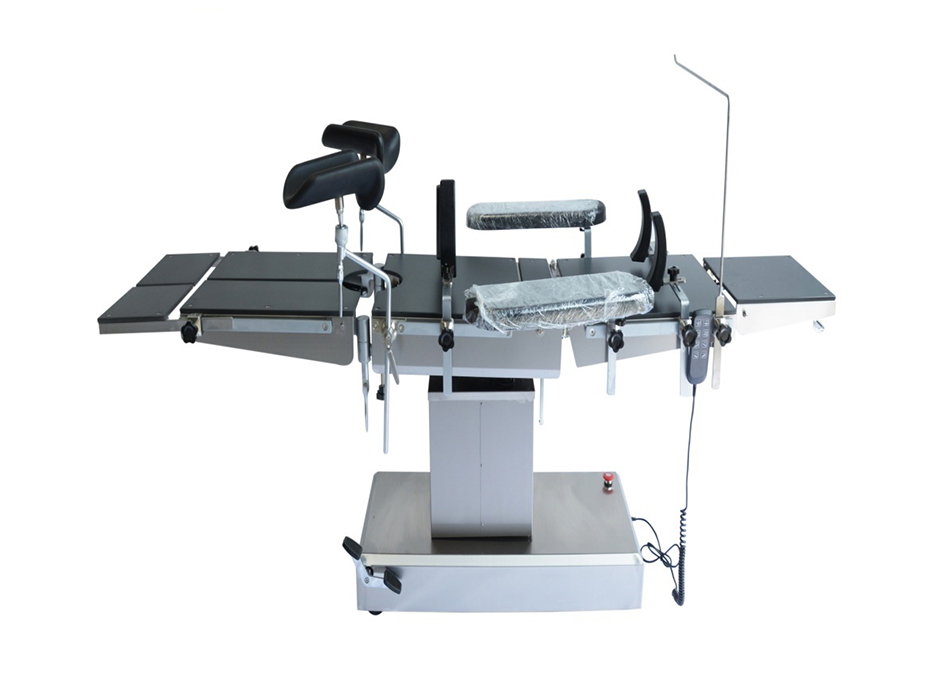
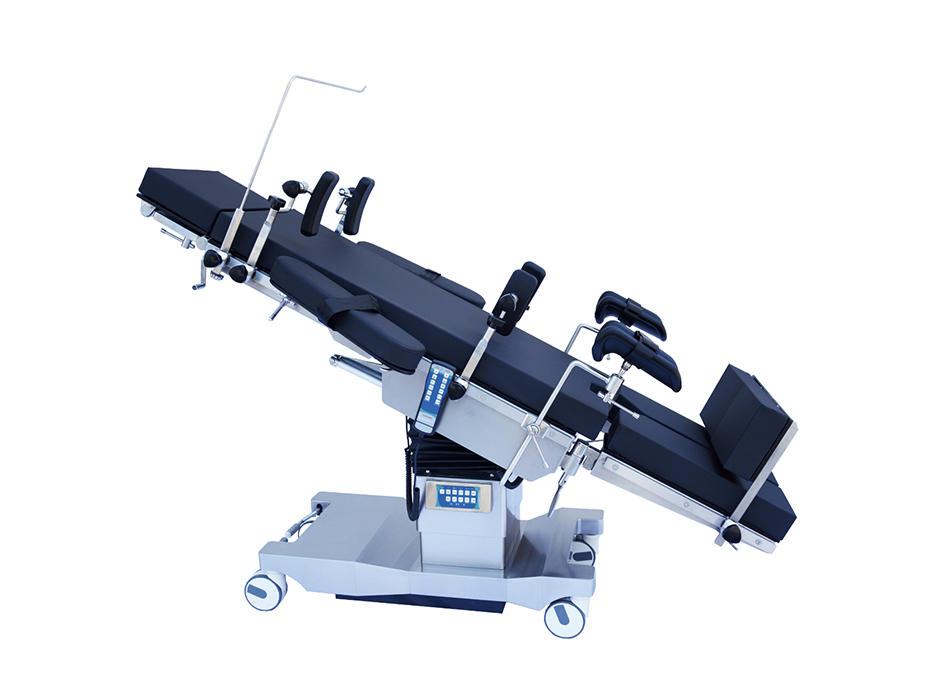
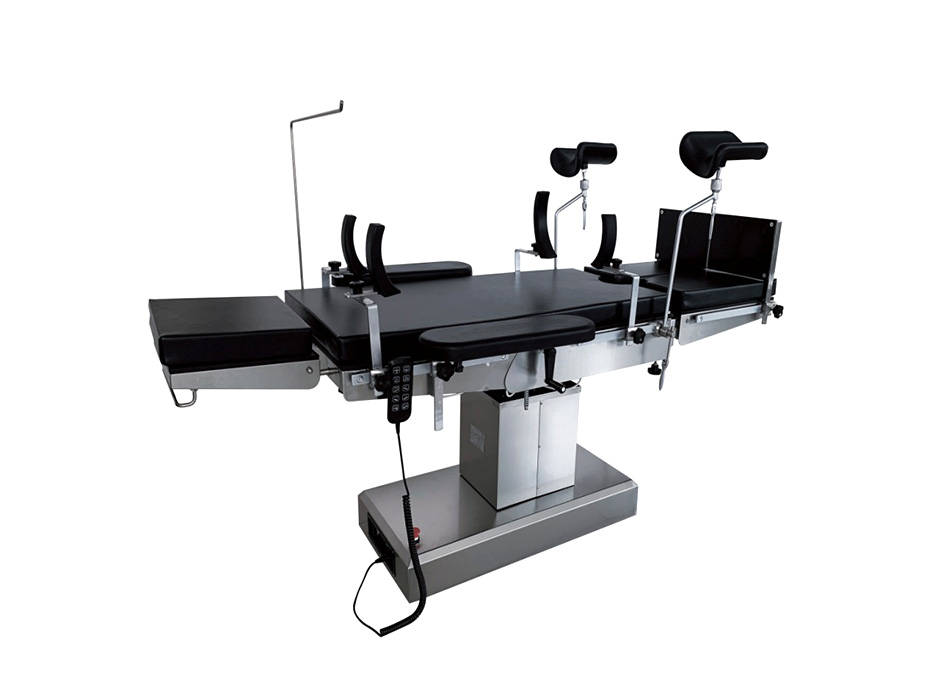
If you are interested in our products, please consult us
Copyright © 2026 Jiangsu Yigao Medical Equipment Technology Co., Ltd.

Custom Electric Medical Bed Manufacturers
The information provided on this website is intended for use only in countries and jurisdictions outside of the People's Republic of China.