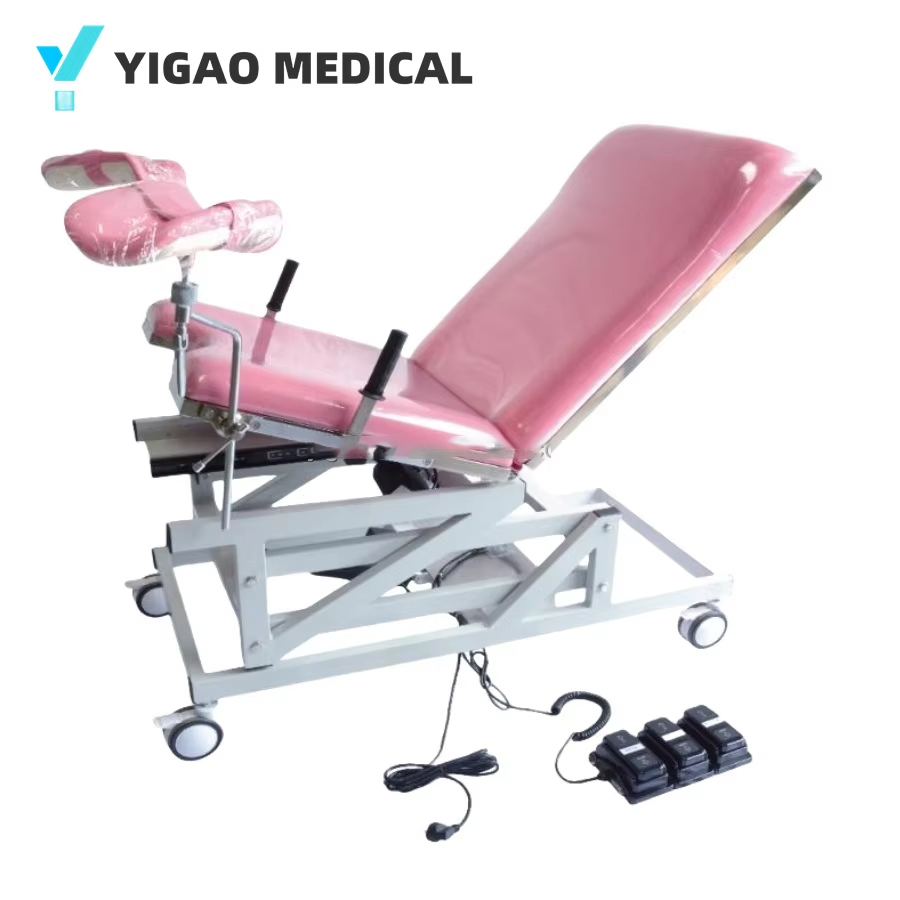
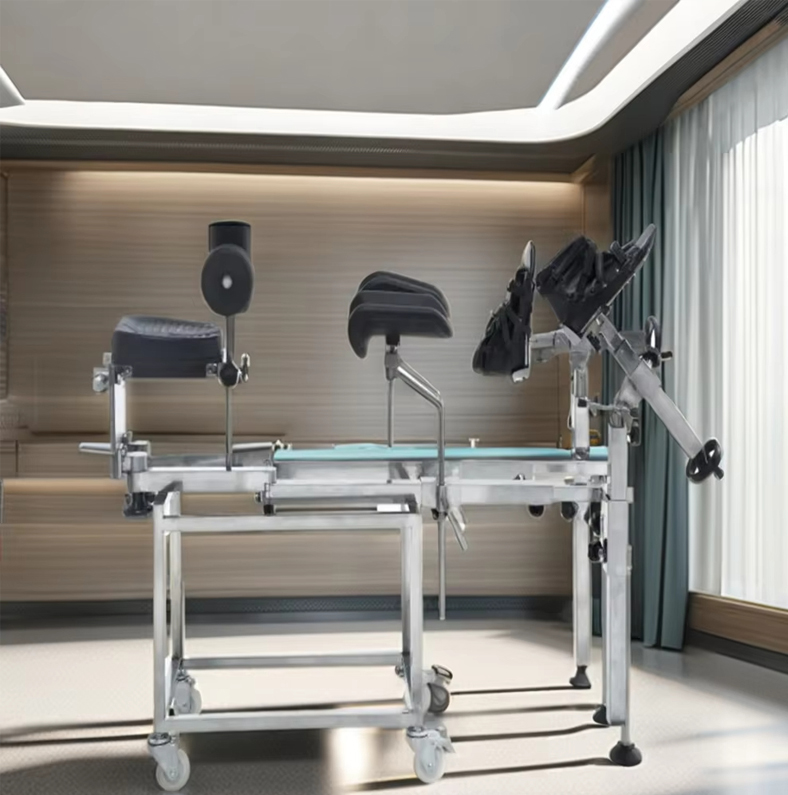
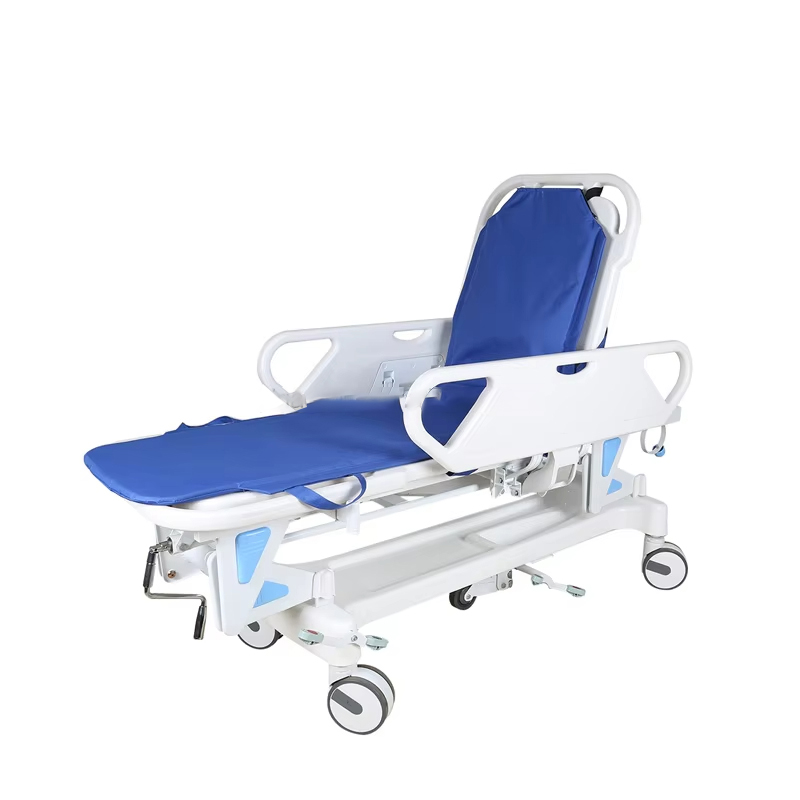
Welcome to Jiangsu Yigao Medical


 ENG

 English
 Español

Welcome to Jiangsu Yigao Medical

After a surgical procedure, the instruments used during the case still have a long journey before they are ready for the next patient. How should instruments be handled after surgery? The answer is not a single action, but a sequence of steps designed to protect patients, staff, and the instruments themselves.
Proper handling begins in the operating room and continues through transport, cleaning, inspection, packaging, sterilization, storage, and documentation. Each step builds on the one before it. A missed step can mean the difference between a sterile, functional instrument set and a reason for a case delay or an infection.
The best time to remove gross soil is immediately after the procedure. Blood, tissue, and body fluids should not be allowed to dry on the instrument surface. Dry debris becomes much harder to remove later and can protect bacteria from cleaning agents.
This point-of-use treatment is simple, but it is one of the most effective ways to protect the rest of the reprocessing chain.
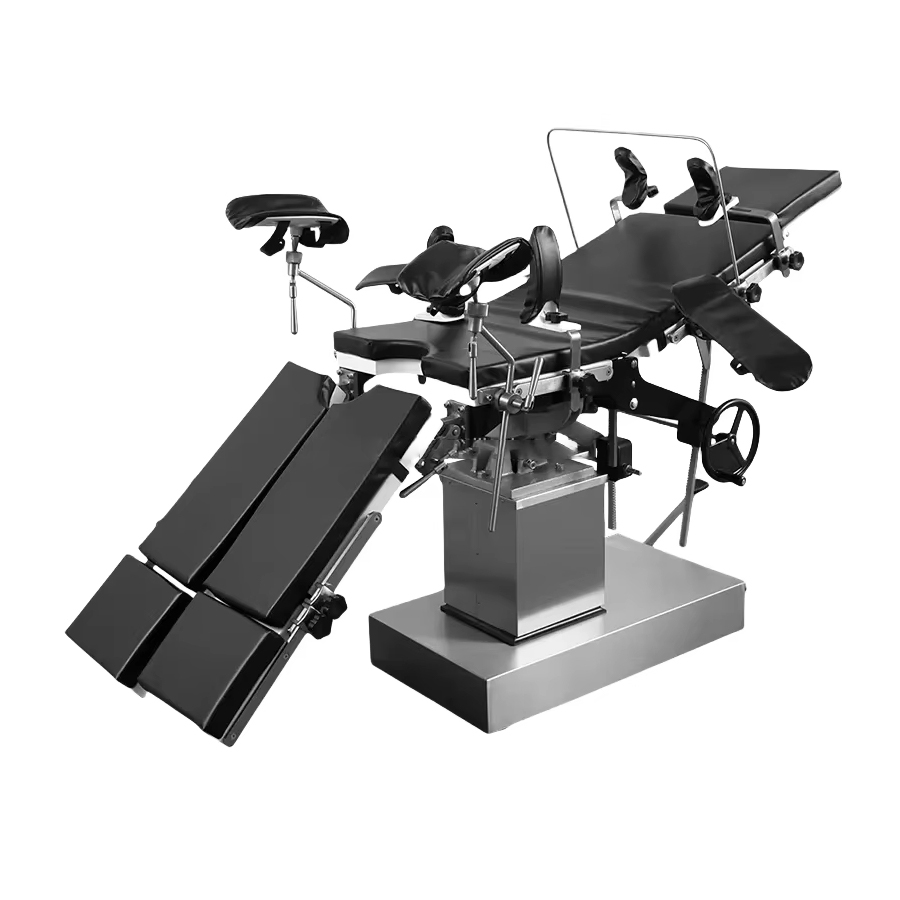
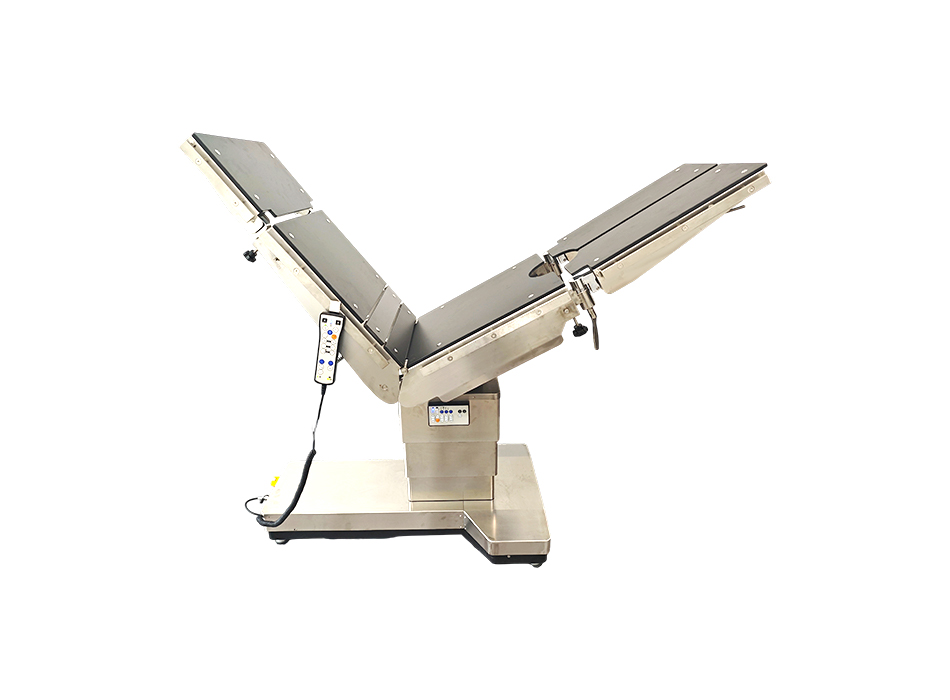
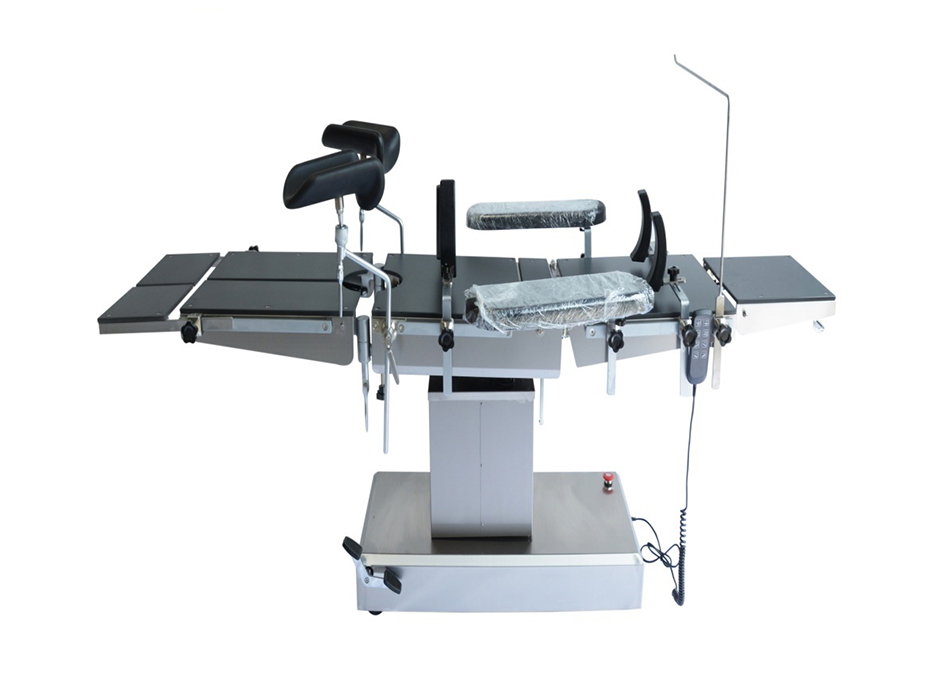
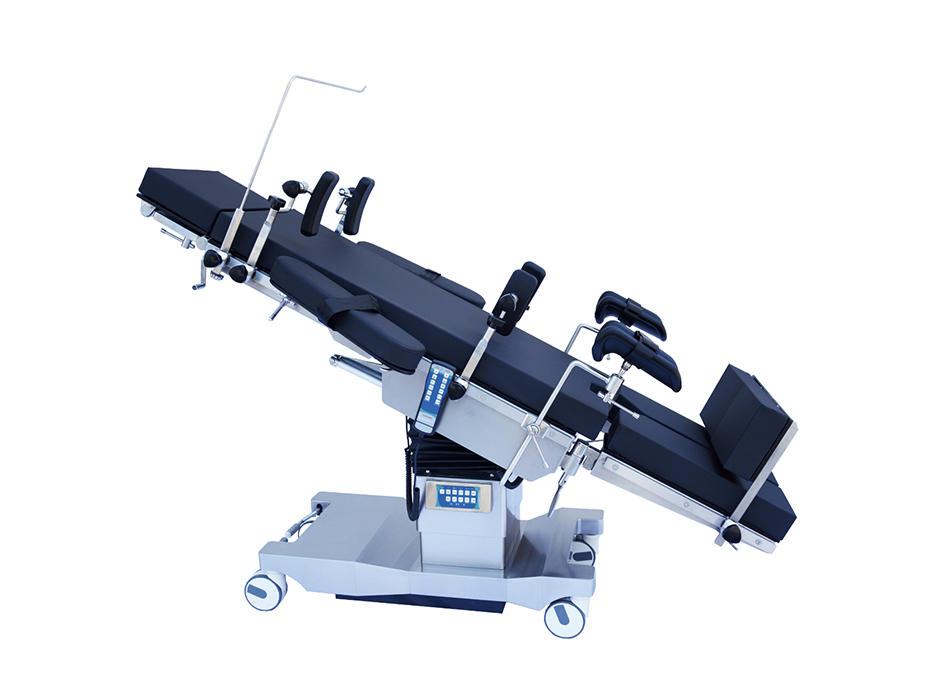
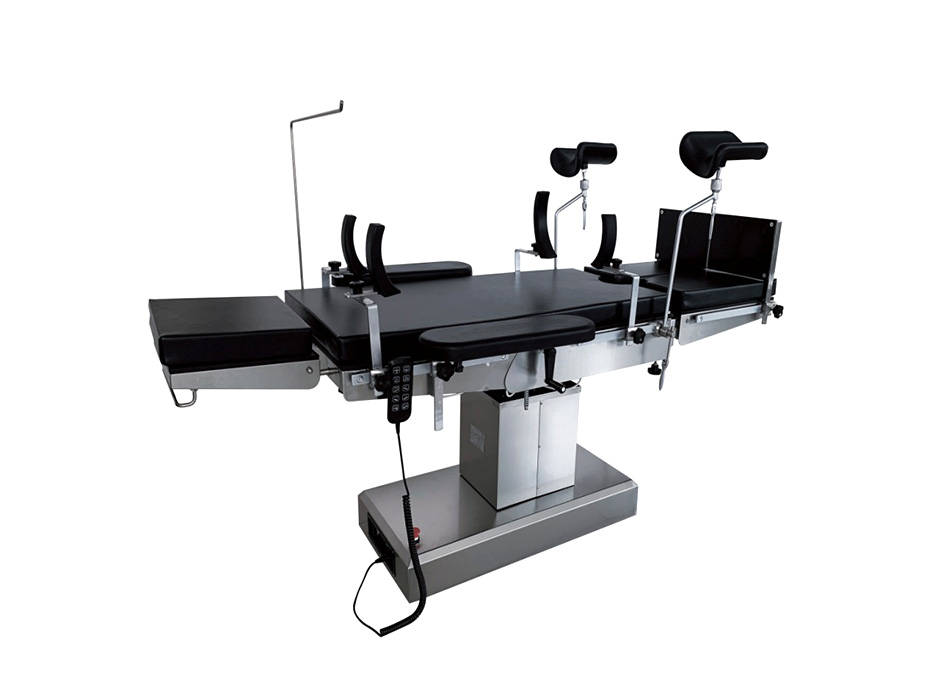
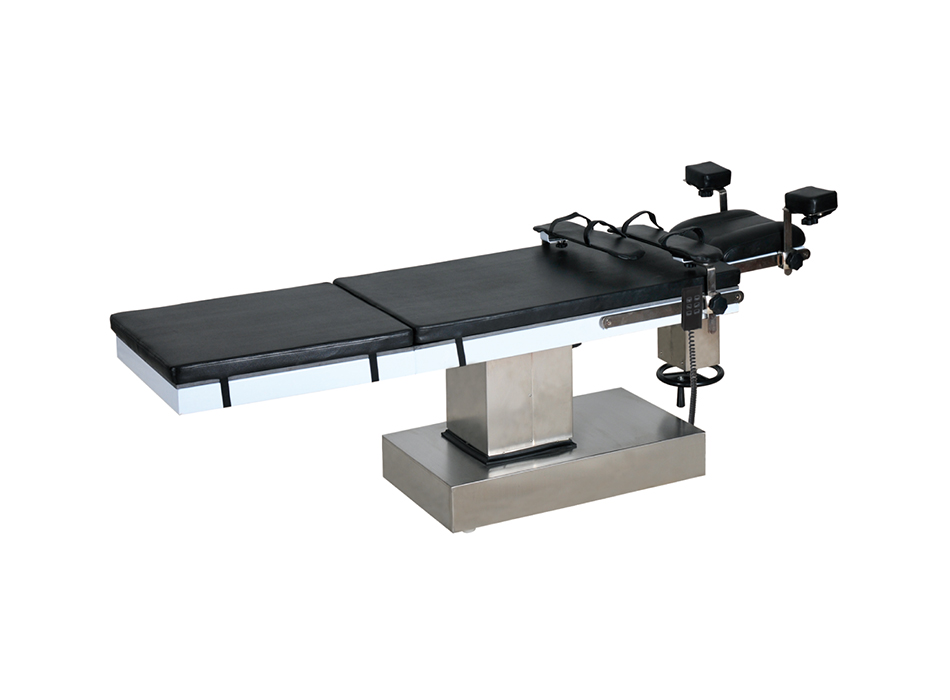
The operating room layout and the reliability of its equipment affect how calmly a team can wrap up a case. A sturdy operating table with smooth, easy-to-sanitise surfaces helps the team keep the room organised and reduces unnecessary motion when handing over the instrument set for reprocessing.
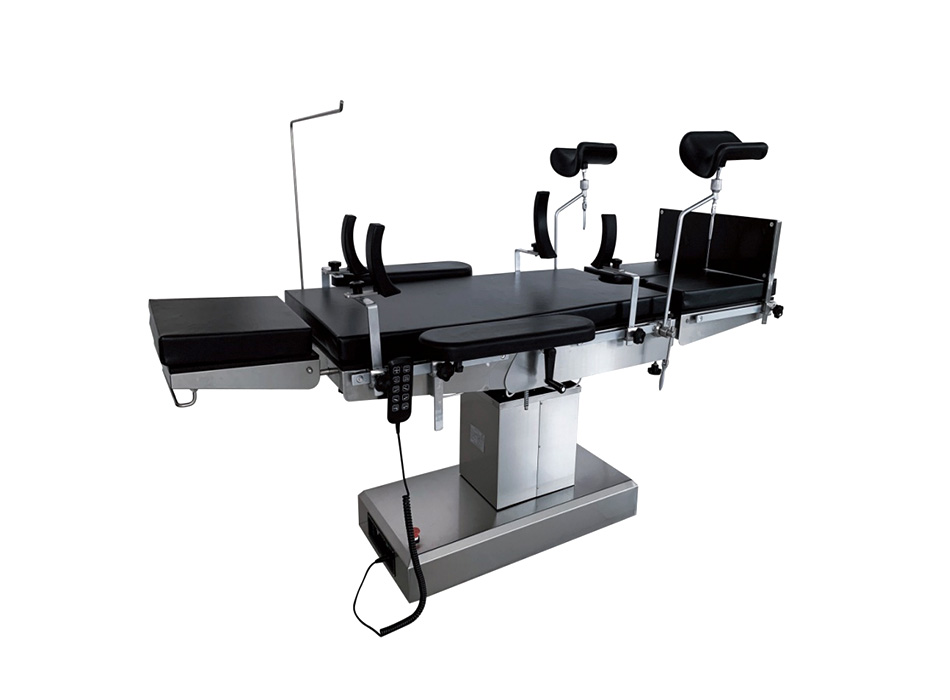 Electric Hydraulic Surgical Operating Table with Smooth SurfacesThis sturdy table offers easy-to-sanitise surfaces and flexible positioning, helping the OR team maintain organisation and streamline instrument handover for reprocessing.View Product →
Soiled instruments should never be carried by hand through corridors. They should be placed in a closed, leak-resistant, puncture-proof container before leaving the OR. This protects everyone who works in the hospital and prevents contamination of clean areas.
Transport should happen as soon as possible after surgery. If a delay is unavoidable, keep the instruments in a covered container and keep the container in a controlled area. Do not leave soiled trays outside the sterile processing department for long periods.
Choose containers and carts made from materials that are easy to clean and resistant to corrosion. Stainless steel medical trolleys are a practical example because they can withstand repeated decontamination cycles and their smooth surfaces do not trap debris.
Cleaning removes soil, organic matter, and microorganisms. It is the most important step in the reprocessing cycle. If an instrument is not clean, sterilization cannot make it safe. The choice of cleaning method depends on the design of the instrument and the level of soiling.
| Cleaning method | When to use | Key advantage |
|---|---|---|
| Manual cleaning | Fragile or complex instruments, initial gross soil removal | Allows close inspection of each instrument |
| Automated washer-disinfector | Routine surgical instrument sets | Consistent results and recorded cycles |
| Ultrasonic cleaning | Instruments with hinges, lumens, or crevices | Removes soil from hard-to-reach areas |
After any cleaning method, rinse instruments thoroughly with purified water to remove detergent residues. Dry them before inspection, because moisture can hide defects and promote corrosion. Always use the correct personal protective equipment, including gloves, a gown, and eye protection.
The surfaces around the reprocessing area also need to withstand harsh cleaning agents and repeated high-temperature exposure. This is why many facilities select medical-grade steel products for counters, carts, and storage shelving.
After cleaning, each instrument should be checked under bright, even lighting. This step catches residues, corrosion, cracks, burrs, and misaligned jaws before the set is packaged.
Moving parts should be lubricated with a water-soluble instrument lubricant that is compatible with the sterilization process. After lubrication, reassemble the instrument and test its function. A clamp should seize firmly, and a scissors should cut smoothly.
Bright lighting is essential in this area. Just as surgical teams rely on high-quality illumination in the OR, reprocessing technicians need a well-lit bench to identify small defects. The same principle of even, shadow-free visibility applies to both settings.
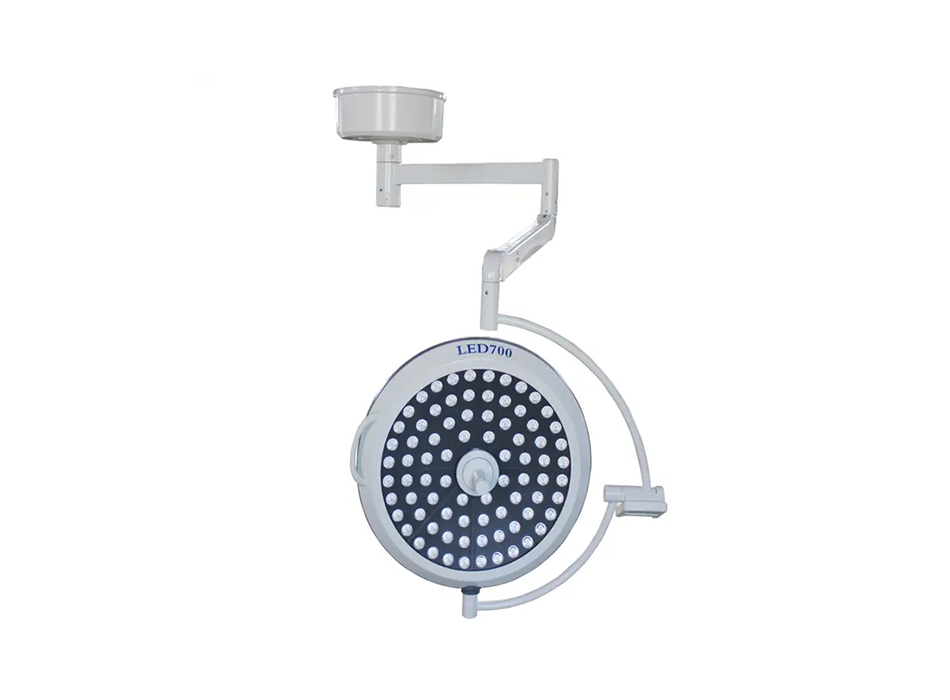 LED Surgical Shadowless Lamp for Uniform BrightnessEven, shadow-free illumination from this lamp suits OR use, while the same lighting principle aids reprocessing technicians in spotting small instrument defects.View Product →
Sterilization can only protect instruments if the packaging remains intact. The packaging must be selected according to the type of sterilizer used and the contents of the set.
For steam sterilization, common options include rigid containers, disposable paper-plastic pouches, and textile wraps. For low-temperature methods, such as ethylene oxide or hydrogen peroxide gas plasma, the packaging must be compatible with the sterilant and usually needs to be more breathable. Every package should include a chemical indicator that changes colour when the sterilant has penetrated.
Loading also matters. Sterilizer shelves should not be overloaded, and packages should be placed so that steam or gas can circulate freely. At the end of the cycle, allow packages to cool and dry before they are handled or put into storage.
Sterile instrument sets should be stored in an area that is clean, dry, and away from direct sunlight and airflow from heating or cooling vents. The storage room should have enough shelving so that packages do not touch the floor and are not compressed by other items.
Consistent instrument handling requires more than good intentions. Written standard operating procedures should describe every step in detail, and staff should be trained on the why behind each step, not just the mechanical action.
Daily records should include the load number, the sterilizer used, cycle parameters, and the results of any biological or chemical indicators. A clear traceability system connects each instrument set to the sterilizer run and, if needed, to a specific patient. Regular audits help catch small problems before they become larger ones.
How should instruments be handled after surgery? In short, they should be treated as the delicate, potentially hazardous tools they are. From the moment the final suture is placed, instruments must be kept moist, contained, cleaned, inspected, sterilized, and stored with discipline.
At Jiangsu Yigao Medical Equipment Technology Co., Ltd., we know that reliable surgical equipment and a disciplined reprocessing workflow work together. Our goal is to provide medical facilities with high-quality equipment that supports safe patient care, case after case.
If you are interested in our products, please consult us
Copyright © 2026 Jiangsu Yigao Medical Equipment Technology Co., Ltd.

Custom Electric Medical Bed Manufacturers
The information provided on this website is intended for use only in countries and jurisdictions outside of the People's Republic of China.