Welcome to Jiangsu Yigao Medical


 ENG
ENG

 English
 Español
Welcome to Jiangsu Yigao Medical

When the purchasing team at a county maternity hospital asked whether a single bed could cover both gynecological examinations and low-risk deliveries, the practical answer was yes, but only if they specified a delivery examination bed rather than a general-purpose examination table. The difference is not cosmetic. An ordinary exam table supports consultations; a delivery examination bed supports the whole clinical path from assessment to childbirth. Choosing the wrong type locks staff into daily ergonomic strain and forces unnecessary patient transfers during labor.
Exam beds fall into three broad groups: manual exam beds, power exam beds, and delivery examination beds, with additional specialty tables for bariatric, pediatric, and imaging applications. This guide explains what each type does, why the delivery examination bed is a distinct category, and how to choose based on clinical workload rather than brochure terminology.
Before comparing individual products, it helps to separate the two operating systems that define most exam beds on the market.
Manual exam beds are the default in primary care because they are economical and mechanically uncomplicated. Fixed-height models are the most basic design, while adjustable manual models use a hydraulic foot pump to change the surface height.
For a general practice with a predictable consultation workflow, a manual bed is a rational investment. In a maternity unit, however, the positioning limits of a basic manual table become an obstacle, because gynecological exams and deliveries require leg supports, adjustable backrests, and rapid repositioning.
Power exam beds use electric actuators or an electric-hydraulic system to adjust height, backrest angle, and leg sections. Their defining advantage is accessibility: a bed that descends close to wheelchair seat height, roughly 45 to 50 cm at its lowest setting, makes patient transfer safer and more dignified.
Staff benefit equally from power operation. A hand control or foot pedal brings the bed to the correct working height in seconds, reducing bending and stretching during each patient interaction. For clinics with high patient volumes, this speed translates into shorter turnaround times and measurable reductions in staff fatigue.
The trade-offs are equally clear: higher acquisition cost, motors and controllers that require periodic service, and the need for a documented power failure response. Quality manufacturers provide manual backup mechanisms on electric models so that a power outage cannot leave a patient stranded at an elevated position.
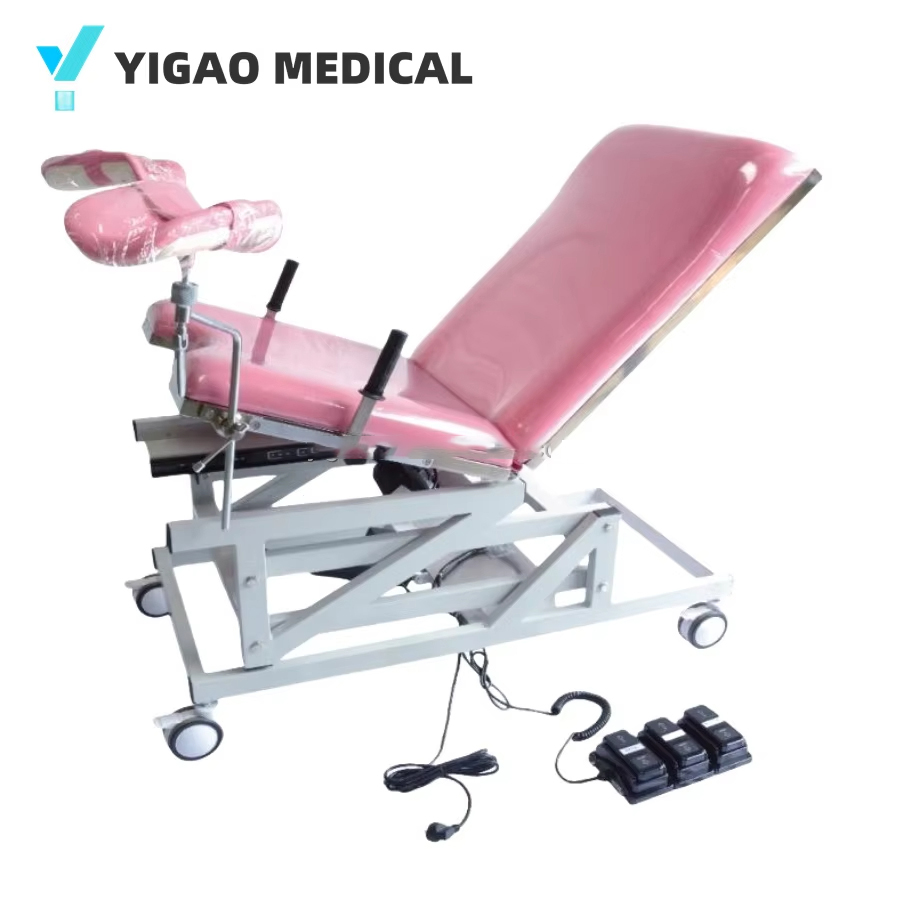
In maternity wards, the value of power operation is amplified because delivery positioning changes frequently during labor. This is where an electric delivery bed becomes the practical choice, extending the same power-assisted height and backrest control to the most demanding clinical environment in the hospital.
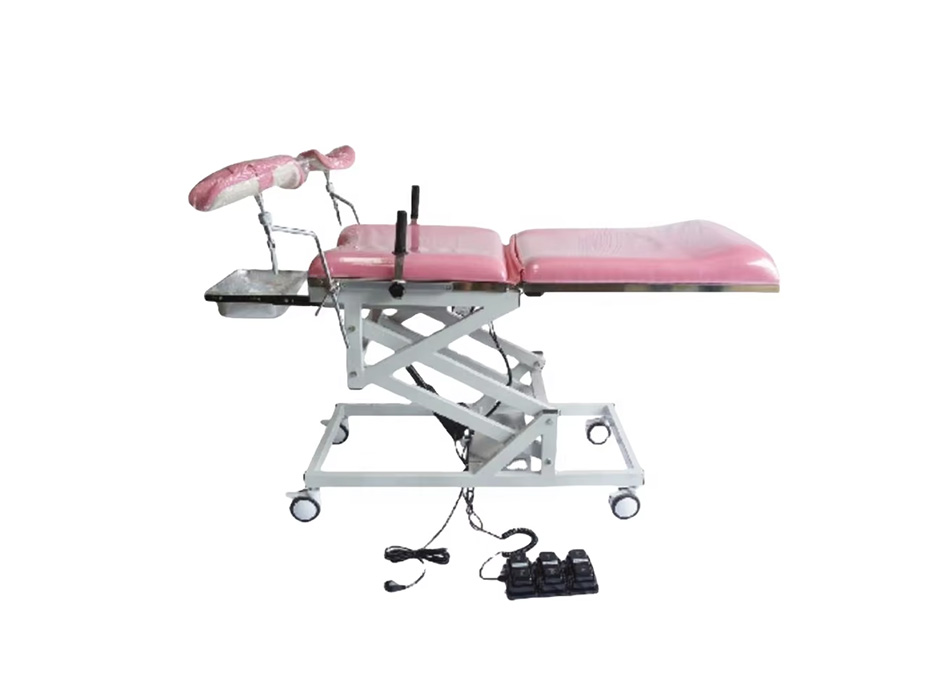 OEM/ODM YGP01A Electric Delivery bed Factory, Manufacturers - Jiangsu Yigao MediJiangsu Yigao Medical Equipment Technology Co., Ltd is China OEM/ODM YGP01A Electric Delivery bed factory and manufacturers, Table len...View Product →
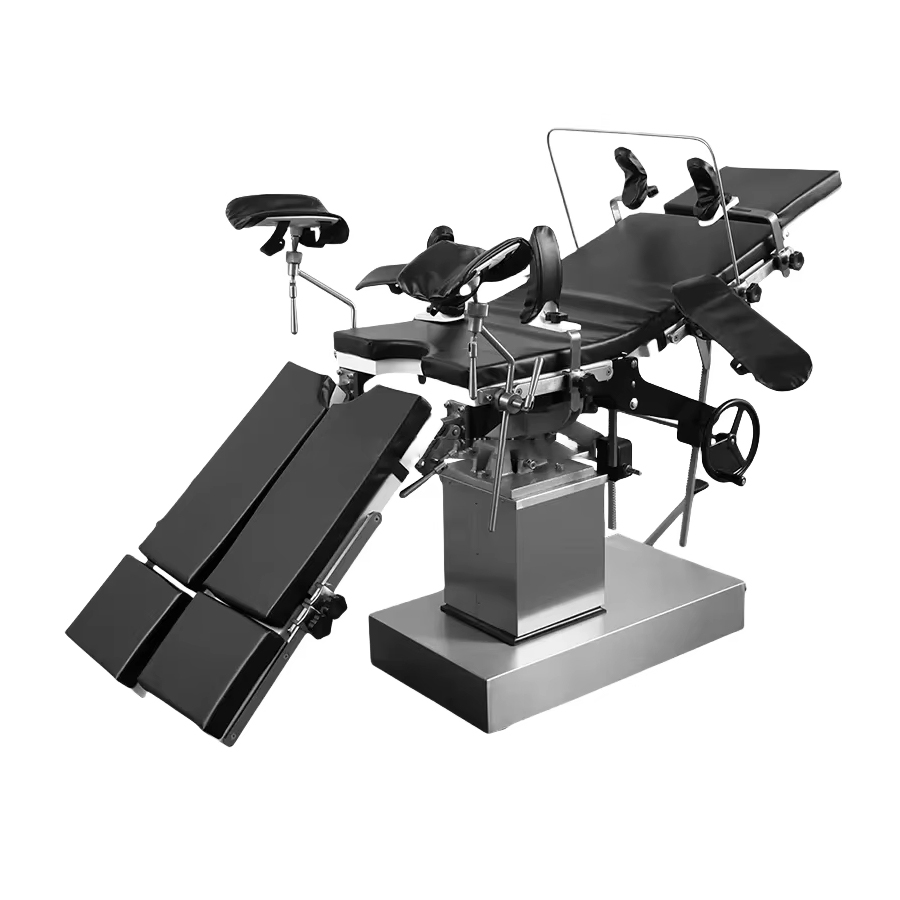
A delivery examination bed is not simply a larger exam table. It is a structurally different product, designed to integrate gynecological examination, labor support, and in many cases delivery within one unit. This integration matters because transferring a woman in active labor between a consultation table and a delivery bed is disruptive, risky, and uncomfortable.
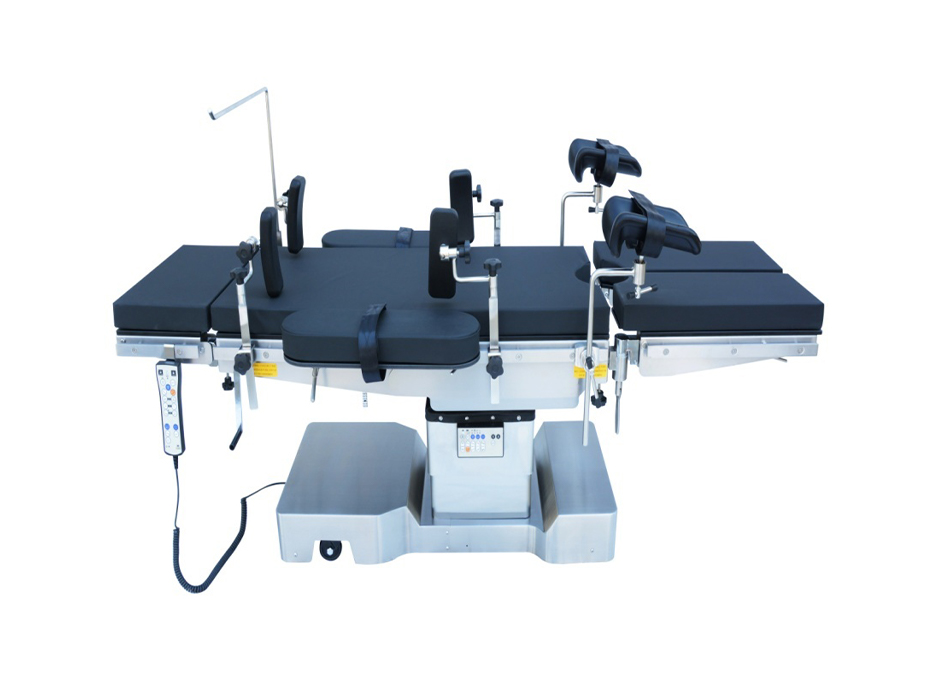
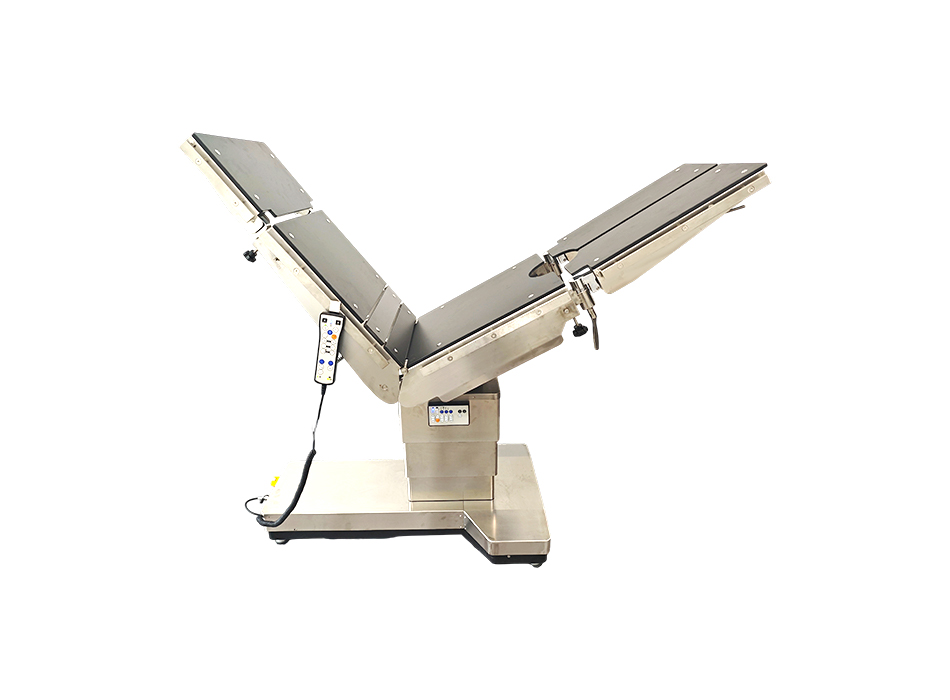
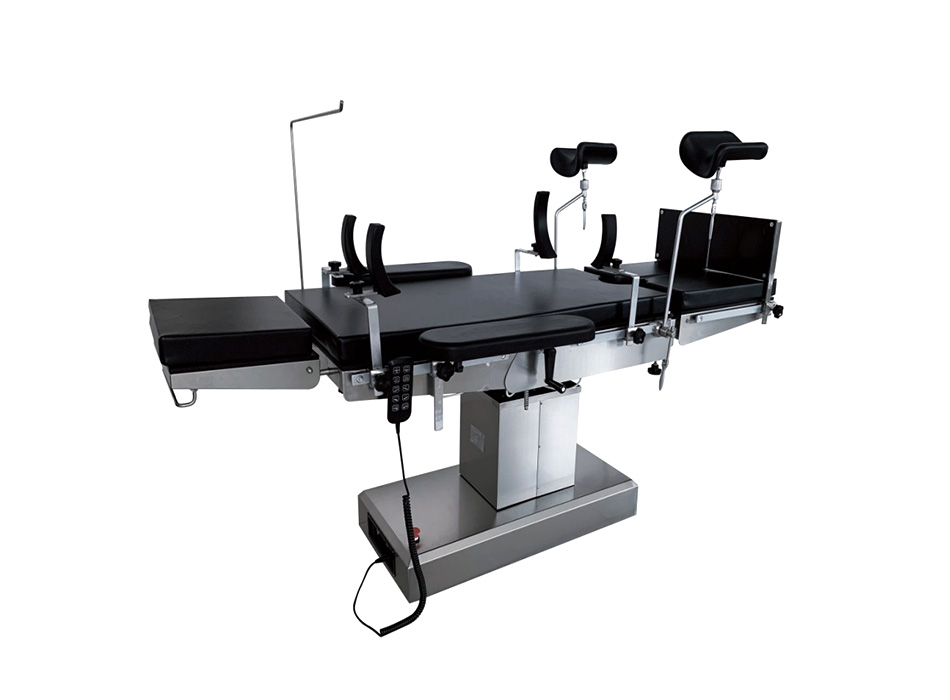
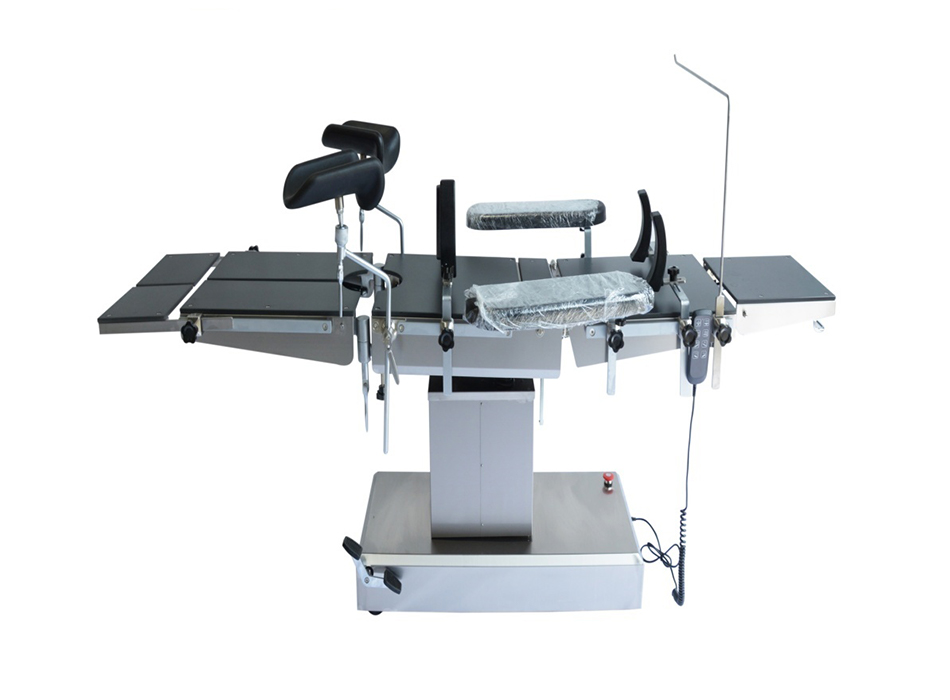
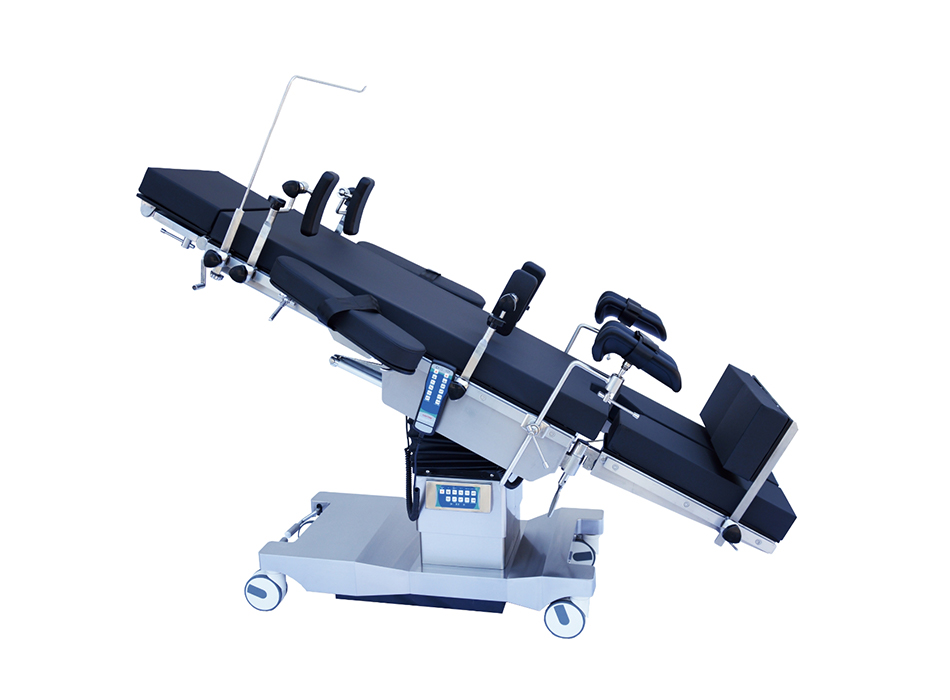
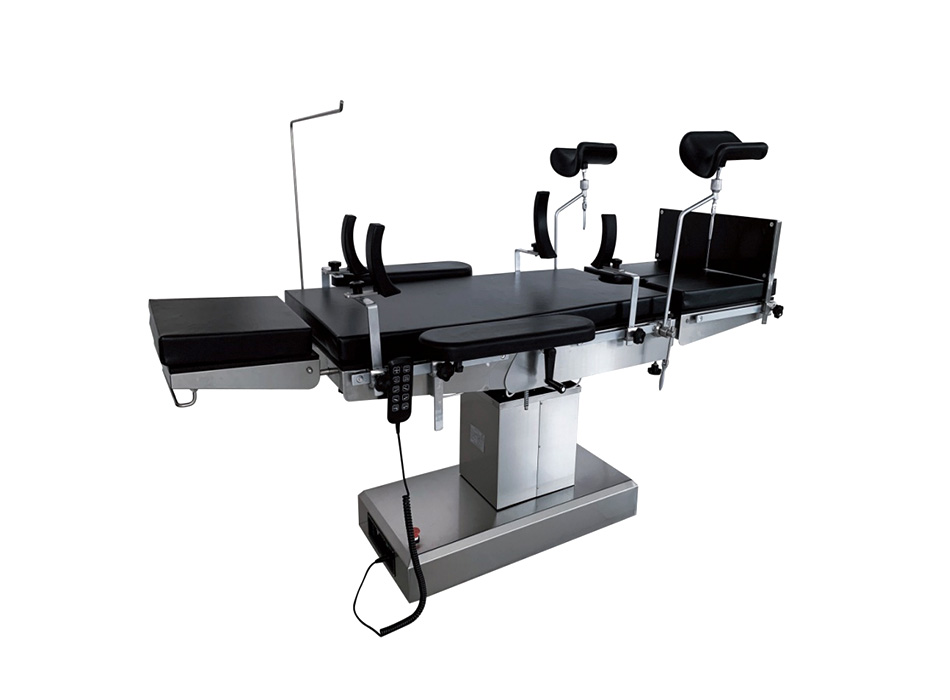
The defining features of a delivery examination bed include a detachable leg or foot section that opens the lower end of the bed, built-in leg supports and handgrips for lithotomy positioning, and a backrest that adjusts to near-upright angles so the mother can push effectively. The frame is generally stainless steel, and the upholstery is designed to survive repeated disinfection between patients.
An entry-level example in this category is the ordinary delivery examination bed, which provides the essential delivery positioning features through a manual hydraulic height adjustment. It gives smaller maternity units the clinical capability they need without the cost of an electric actuator system.
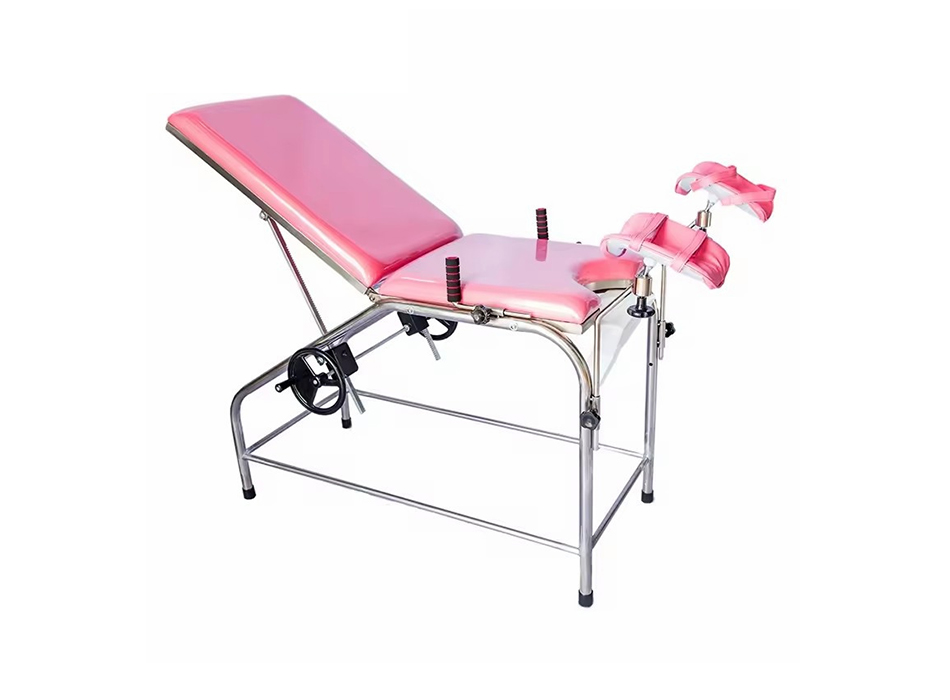 OEM/ODM YGC2005A Ordinary Delivery Examination Bed Factory, Manufacturers - JianJiangsu Yigao Medical Equipment Technology Co., Ltd is China OEM/ODM YGC2005A Ordinary Delivery Examination Bed factory and manufacturers...View Product →
The operation choice for a delivery examination bed follows the same logic as for general exam beds, but with higher stakes. Manual hydraulic models are more affordable and simpler to maintain, which suits small units and facilities where electricity supply is not fully reliable. Electric models justify their higher price in busy obstetric wards where midwives change the bed position many times per shift.
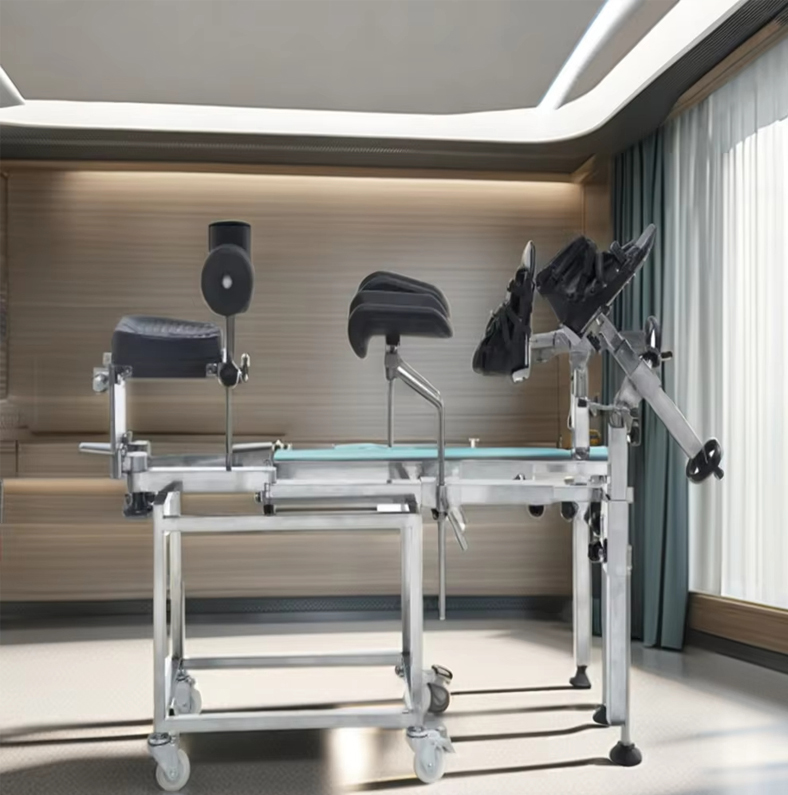
For a unit that serves both gynecological outpatients and delivering mothers, the ordinary gynecological delivery bed is a useful dual-purpose configuration, because it takes a patient from a routine exam through delivery without moving her to a different bed. The full delivery bed series offered by Yigao Medical covers all of these configurations, so a single manufacturer can supply manual, dual-purpose, and electric models across a maternity floor.
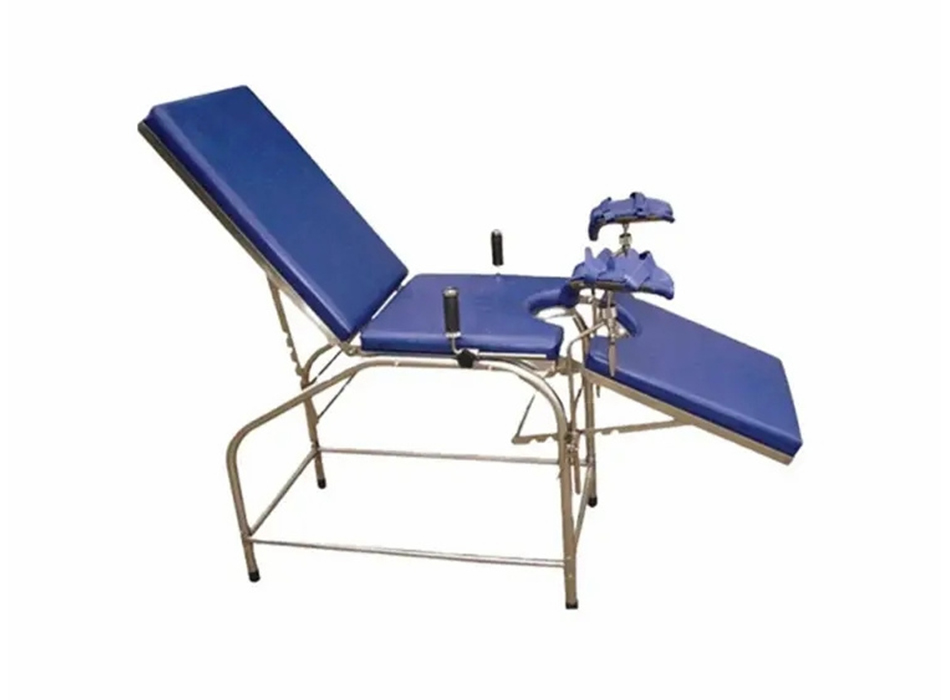 OEM/ODM YGF2005BA Ordinary Gynecological Delivery Bed Factory, Manufacturers - JJiangsu Yigao Medical Equipment Technology Co., Ltd is China OEM/ODM YGF2005BA Ordinary Gynecological Delivery Bed factory and manufactur...View Product →
For a deeper look at how powered delivery tables are changing obstetric practice, our guide to electric delivery tables explains the technology and its clinical impact in more detail.
Three additional exam bed types appear regularly in procurement discussions, and each serves a specific patient group.
These are not substitutes for the three main categories. A women's health clinic rarely needs an imaging table, and a pediatric hospital rarely needs a delivery bed. The selection principle is identical in every case: define the patient group and the clinical procedures first, then match the bed type to the most demanding procedure.
With the main categories clear, the final decision comes down to a small set of measurable criteria.
Start with the patient group and the procedures that will actually be performed on the bed. An obstetric and gynecological service needs delivery examination beds or dual-purpose delivery beds rather than general exam tables. Confirm the bed supports the required positioning range, including lithotomy and semi-sitting positions, and that the leg section can be removed quickly when delivery begins.
Beyond clinical fit, the following factors determine whether a bed delivers value over its full service life.
| Criterion | Why it matters | What to check |
|---|---|---|
| Height range | Determines patient access and staff ergonomics | Lowest position should be near wheelchair seat height on power models |
| Load capacity | Directly affects patient safety | Rated capacity stated in kilograms by the manufacturer |
| Positioning range | Defines clinical flexibility | Backrest angle, removable leg section, Trendelenburg capability |
| Materials and cleaning | Controls infection risk | Stainless steel frame, sealed upholstery, minimal crevices |
| Power and backup | Protects against downtime | Manual override or battery backup on electric models |
| Certification | Sets the quality baseline | CE marking, ISO 13485 quality management system |
The lowest purchase price is rarely the cheapest option over five years. Electric models cost more to buy and require occasional actuator or controller maintenance, but they reduce staff strain and improve throughput. Manual models have very low maintenance costs but demand physical effort with every adjustment. For a high-volume maternity unit, the ergonomic argument for an electric delivery examination bed is usually decisive.
For routine outpatient consultation rooms, a manual exam bed remains a dependable, budget-conscious choice. For mixed-age outpatient departments, a power exam bed is a worthwhile upgrade that improves accessibility and staff comfort. For any facility providing gynecological care or low-risk delivery services, a delivery examination bed is not an optional extra; it is the correct tool for the job.
The equipment market is also evolving, and delivery bed innovations continue to reshape maternity care, so confirming the latest configurations before finalizing a purchase is always wise. Map the patient journey, count the procedures performed on the bed, and select the type that supports the most demanding procedure. In maternity and gynecology, that type is almost always a delivery examination bed.
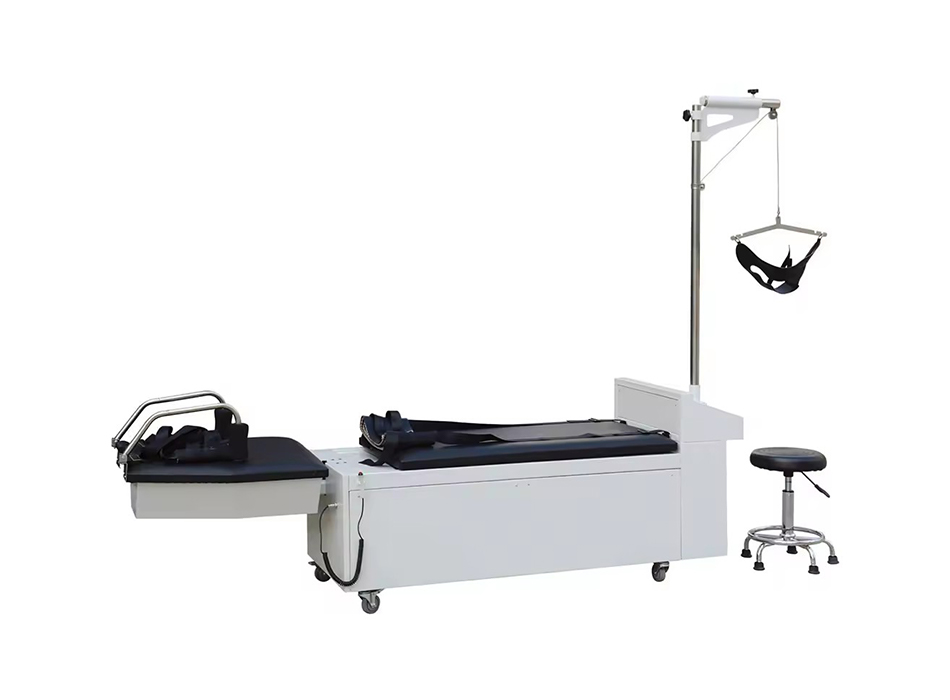
If you are interested in our products, please consult us
Copyright © 2026 Jiangsu Yigao Medical Equipment Technology Co., Ltd.

Custom Electric Medical Bed Manufacturers
The information provided on this website is intended for use only in countries and jurisdictions outside of the People's Republic of China.