Welcome to Jiangsu Yigao Medical


 ENG

 English
 Español

Welcome to Jiangsu Yigao Medical

Passing surgical instruments may seem like a routine step between two professionals, but it is one of the most safety-critical exchanges in the operating room. A well-executed hand-off protects the patient, extends the life of the instrument, and keeps the surgical team focused. At Jiangsu Yigao Medical Equipment, we build the tables, lights, and support systems that surround these moments, and we want to share practical guidance that helps every team work with greater confidence.
In this guide, we cover the essential techniques for handing surgical instruments by type, key safety principles, and ways to practice effectively. Whether you are a new scrub nurse, a surgical technologist, or an experienced practitioner looking for a refresher, these insights can help sharpen your handoff skills and keep the whole OR moving smoothly.
Regardless of the instrument, successful passing relies on clear communication and predictable motion. Always make eye contact with the surgeon and state the instrument's name before handing it over. This simple verbal cue prevents fumbles, especially when attention is high. Hold the instrument at its non-working end, keeping the working end oriented away from the surgeon until they are ready to receive it. For sharps, use a neutral zone or announce “sharp” as you pass.
The neutral zone is a designated location, such as a mat or kidney basin, where sharps are placed and picked up without direct hand-to-hand contact. Many hospitals now use this technique for scalpels and needles to reduce the risk of injury. It also gives both team members a predictable place to focus during the exchange.
Each type of instrument has a natural balance point and a safe orientation. The table below summarizes the most common handoffs in an operating room, followed by a few details that are easy to overlook.
| Instrument | How to Pass | Key Safety Point |
|---|---|---|
| Scalpel | Handle first, blade facing you | Announce “sharp” and keep the blade away from fingers |
| Scissors | Handle first, blades closed | Never point blades toward the surgeon |
| Tissue forceps | Handle first, tips together | Close the ratchet only after the surgeon has grasped |
| Needle holder | Handle first, needle directed away | Curl the needle into the holder before passing |
| Retractor | Handle first, blade edge away | Use both hands for larger retractors |
When loading a scalpel blade, never use your fingers. Instead, use a needle holder to grasp the blade near the flat side and slide it onto the handle until it clicks. The same principle applies to removal: grasp the blade tip, lift it away from the handle, and discard it directly into a sharps container. Always confirm the blade is locked before loading another item, and never force it after a click.
For needle holders, the needle should be clamped about one-half to two-thirds from the tip. Hand the instrument with the needle pointing in a safe direction, usually away from both you and the surgeon, so no one is at risk of an accidental stick.
In a fast procedure, the scrub nurse may need to open a hemostat or scissors with one hand to keep the other hand free. For hemostats, hold the ratchet with your thumb and squeeze slightly to disengage it, then use your ring and index fingers to separate the rings. Practicing this motion builds finger strength and makes handoffs quicker. For scissors, tap the handles gently against your palm to open the blades before passing; this keeps the sharp edges under control.
Even experienced teams can lapse into bad habits. Watch for these pitfalls:
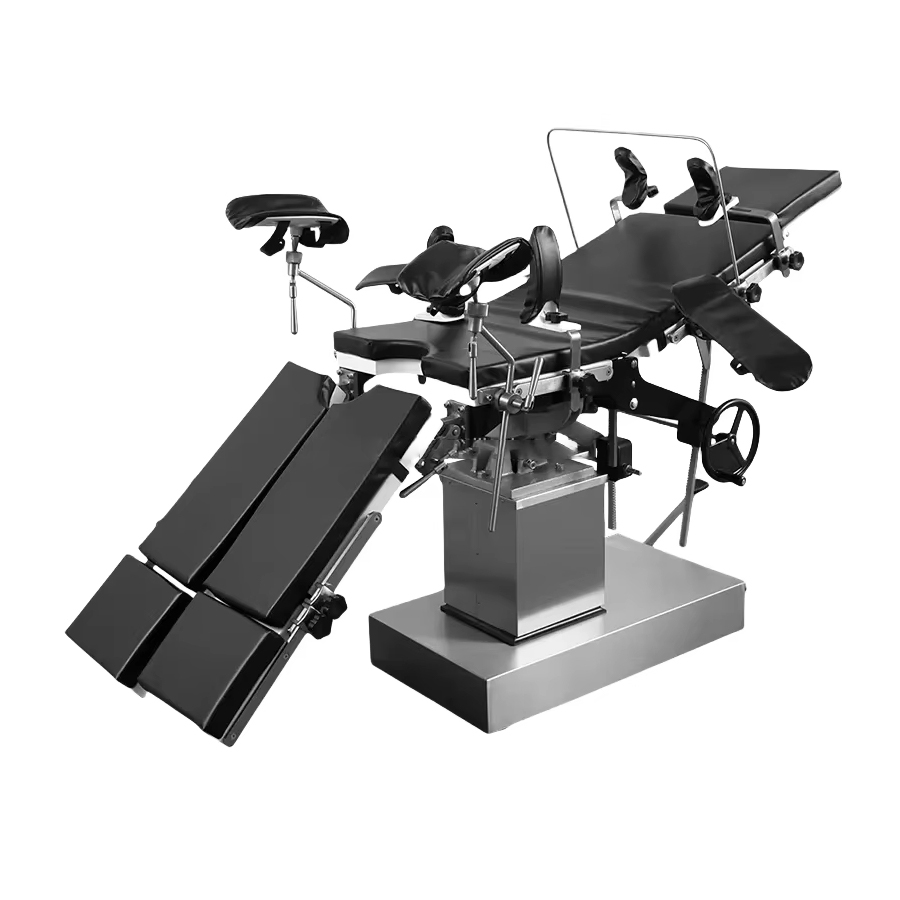
The human part of instrument handoffs is only half the story. The operating table's height and posture directly affect how comfortably the surgeon and nurse can pass instruments. If the table is too high, the nurse overreaches; too low, the surgeon bends awkwardly. A well-positioned table, such as those designed with flexible electric adjustments, helps keep everyone's shoulders relaxed and elbows at a natural angle.
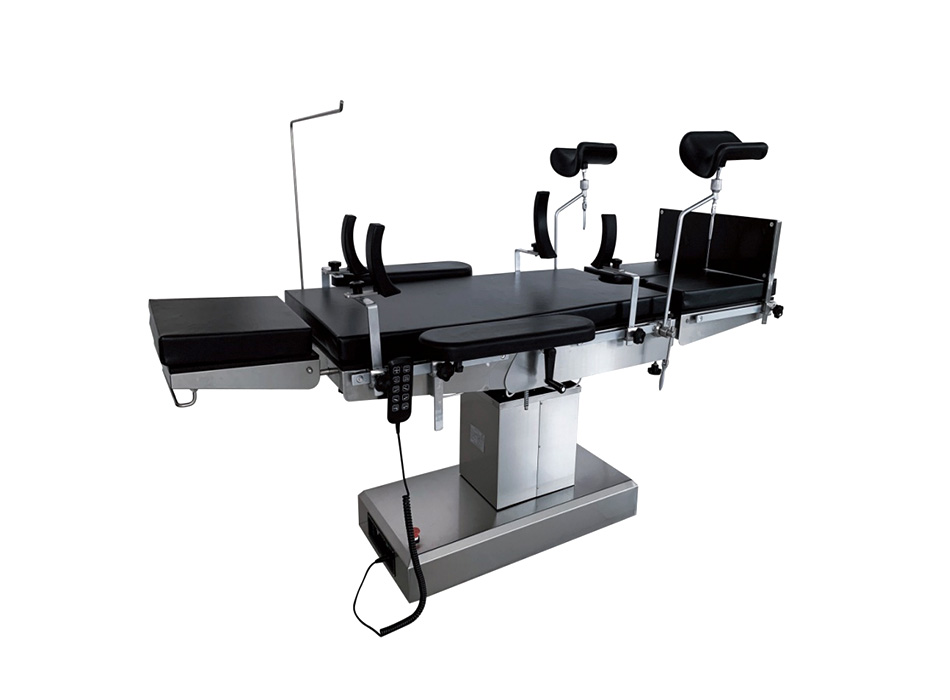
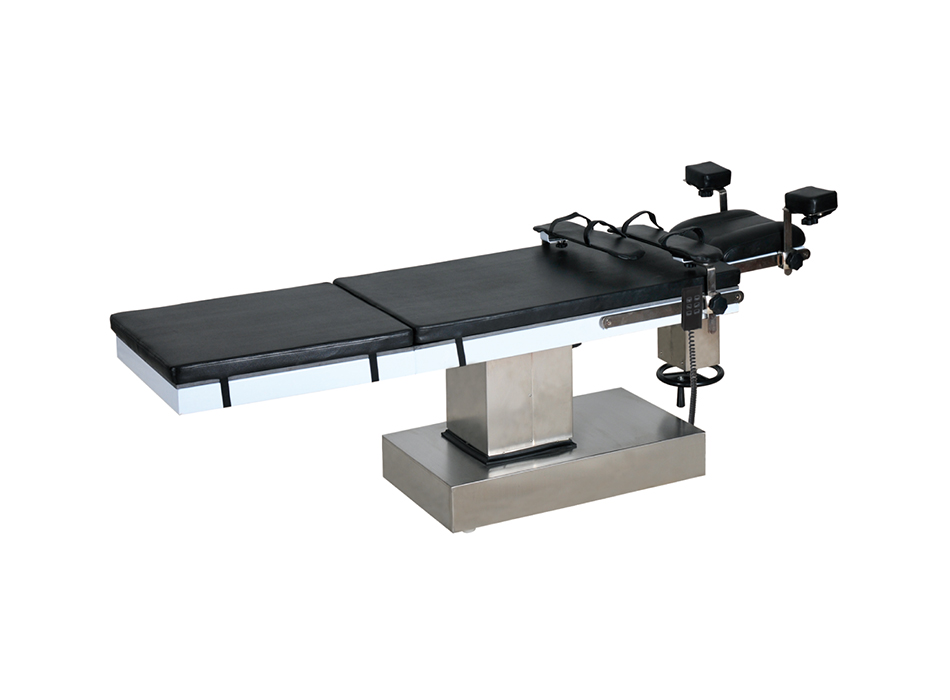
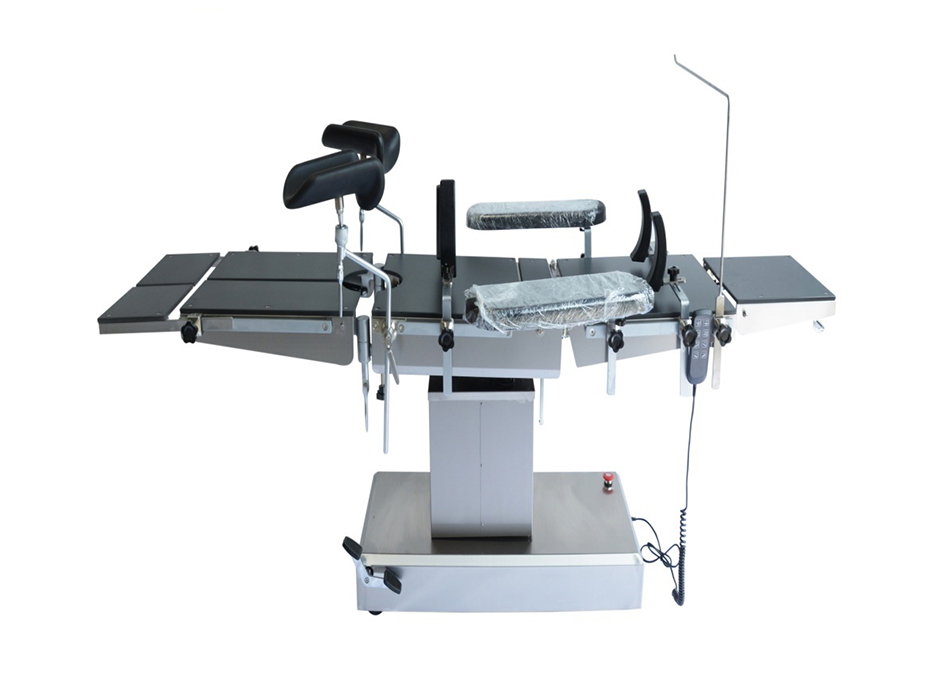 YGD02 Electric Operating Table with Flexible Height AdjustmentThis electric table's smooth height and tilt controls let the team reposition without breaking sterility, keeping surgeon and nurse comfortable during instrument handoffs.View Product →
For example, a surgeon who prefers to operate seated may need a lower table, while a standing approach calls for a higher surface. The ability to adjust the table's height smoothly—especially with a hand control or foot pedal—lets the team make changes without breaking sterility. Good lighting is equally important. A shadowless light with even illumination reduces shadows that can make sharp tips hard to track. When the surgeon can see both the instrument and the target clearly, the exchange feels smoother. In our experience, integrated lighting that can be repositioned without breaking the surgical flow makes a real difference.
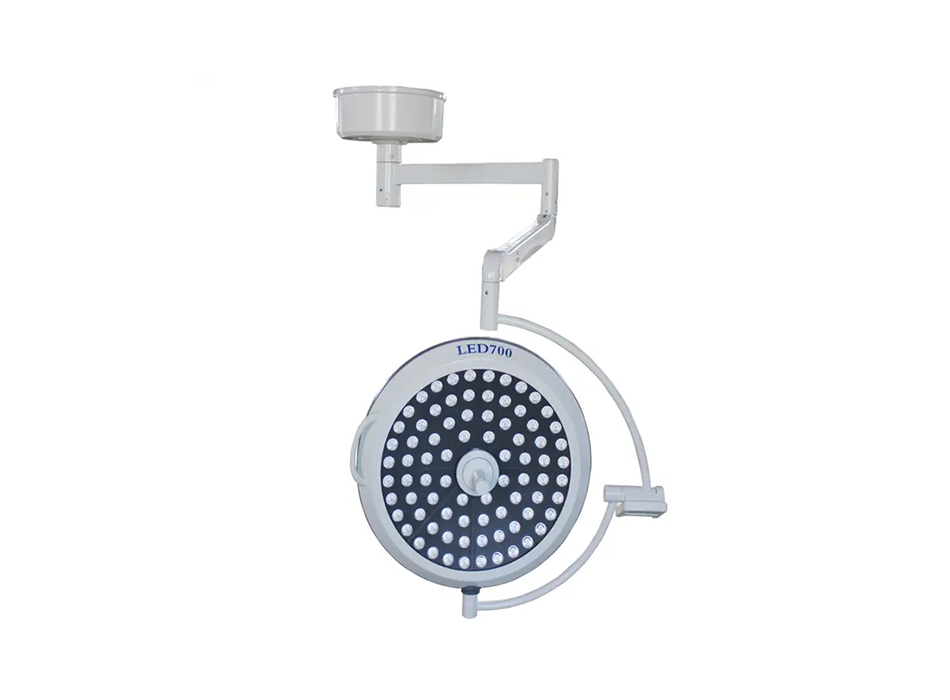 YGLED500 Shadowless Surgical Lamp with Even IlluminationIts high color rendering and shadow-reducing design ensure clear visibility of sharp instrument tips, supporting smoother and safer exchanges in the operating room.View Product →
Finally, keep the room organized. A clean back table with instruments arranged by sequence prevents searching and delays. Standardized layout reduces clutter and gives the scrub nurse a predictable reach zone.
Muscle memory does not happen by accident. Set aside time outside the operating room to practice handoffs with a partner. Use training instruments or sterile gloves; even a simple set of forceps and scissors works. Practice making eye contact, calling out the instrument, and passing with the correct orientation until the sequence feels natural. One-handed opening, neutral-zone passing, and instrument loading can all be simulated. The more automatic these actions become, the more mental energy the team can devote to the patient.
A well-balanced instrument feels right in the hand. It reduces tremor, requires less force, and provides better tactile feedback. The same logic applies to the larger equipment in the room. Stainless steel instruments with smooth joints and secure ratchets are a joy to pass, and high-quality table and light systems support the entire environment. For years, we have focused on manufacturing surgical tables, lights, and hospital furniture that meet international standards. Stainless steel is a popular choice because it resists corrosion and can withstand repeated sterilization cycles. Instruments and furniture built from high-grade materials give the OR team one less variable to worry about. If you would like to understand how material choices influence reliability and cleaning, take a look at our medical-grade steel products.
Learning how to hand surgical instruments safely is a continuous process. It requires patience, communication, and respect for the tools that make surgery possible. Whether you are training new staff, revising your OR protocols, or planning a new surgical suite, we are happy to share our knowledge and provide equipment that helps your team perform at its best. Feel free to contact us with any questions.
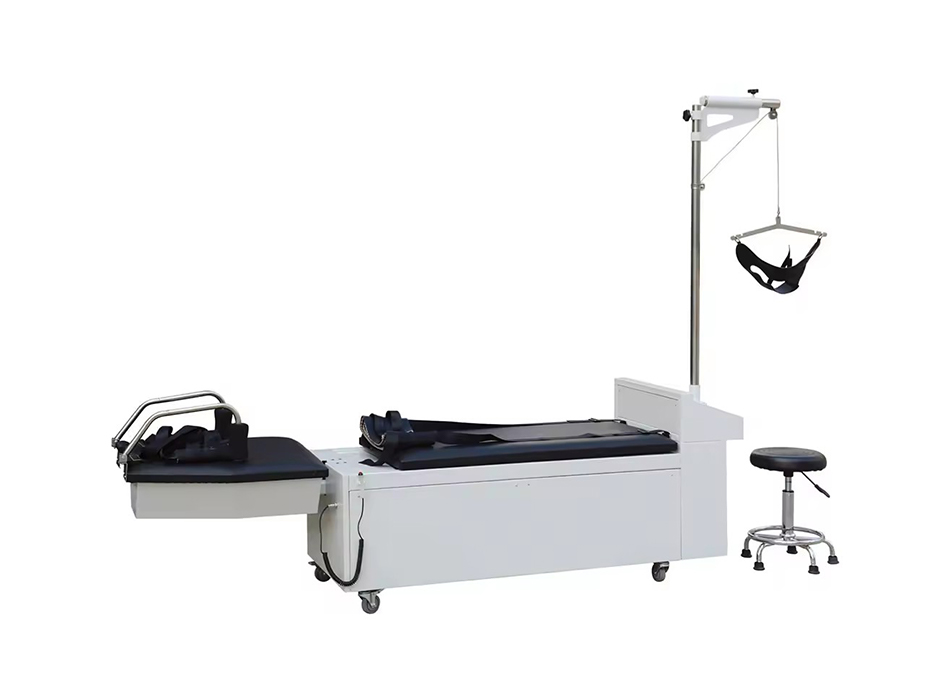
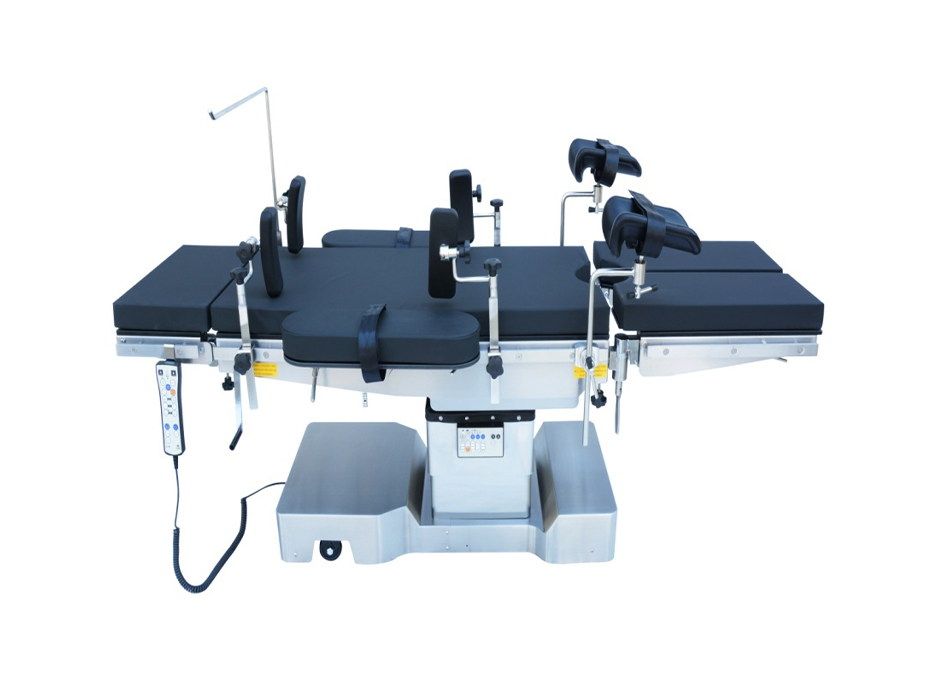
If you are interested in our products, please consult us
Copyright © 2026 Jiangsu Yigao Medical Equipment Technology Co., Ltd.

Custom Electric Medical Bed Manufacturers
The information provided on this website is intended for use only in countries and jurisdictions outside of the People's Republic of China.