Welcome to Jiangsu Yigao Medical


 ENG
ENG

 English
 Español
Welcome to Jiangsu Yigao Medical

Almost every patient preparing for surgery eventually asks the same quiet question: once the operation is over, how exactly do they get you off the operating table? It is a fair thing to wonder. You may be asleep, groggy, or barely able to move, and yet somehow you have to end up in a recovery bed. The reassuring truth is that this moment is one of the most practiced routines in the whole operating room, carried out by a trained team using equipment built precisely for it.
After years spent manufacturing operating tables and patient transfer equipment for hospitals worldwide, we have a close view of how smoothly these transfers go when the process and hardware are right. Here is an honest, step-by-step look at what actually happens.
The move never happens the instant the last stitch goes in. Before anyone touches you, the team completes a short but important closing checklist:
In most cases your breathing tube is removed once you are breathing safely on your own, though with certain anesthetics you may still be drowsy or asleep when the transfer begins. Either way, the anesthesia provider stays in charge of your airway throughout, so there is never a moment when nobody is watching your breathing.
Nobody in a modern operating room slides a patient across by themselves. A typical transfer involves three to five people, each with a defined role. The anesthesia provider cradles your head and protects the airway. The circulating nurse directs the move and watches the lines. Other staff position themselves at your shoulders, hips, and legs so your body stays supported and aligned.
Before anything happens, the team agrees on the plan, checks that nothing will catch or pull, and counts down together. If you are awake, you will hear calm instructions like "we are going to move you on three." Nothing is rushed, because a clumsy transfer can strain sutures or dislodge lines.
The exact technique depends on your size, the type of surgery, and what equipment the facility keeps on hand. These are the methods you are most likely to encounter.
A low-friction slide sheet, or a rigid board covered in slick fabric, is placed under you and used to glide you sideways across the small gap onto the stretcher. Because you slide rather than get lifted, the move is gentle for both patients and staff.
A sturdy sheet folded under your shoulders and hips lets four team members lift you in unison, a few centimeters at a time, straight across to the waiting surface. It looks almost choreographed, and after enough repetitions, it is.
For heavier or bariatric patients, many theaters use an inflatable mat that gently floats you across the gap on a cushion of air. Some hospitals also use ceiling hoists for these cases, which take the strain off staff completely.
After spine or certain orthopedic procedures, the team may roll you as a single unit, keeping your shoulders and hips in line, to protect the surgical site. It is the same technique nurses will use whenever you turn in the first days of recovery.
| Transfer Method | How It Works | Typically Used For |
|---|---|---|
| Slide sheet or board | A low-friction sheet or rigid board bridges the gap so the patient glides across | Most routine, low-strain transfers |
| Draw-sheet lift | Four or more staff lift a folded sheet under the patient in unison | Short moves to a nearby stretcher |
| Air-assisted mat | An inflatable mat floats the patient across the gap on a cushion of air | Heavier or bariatric patients |
| Log-roll | The team rolls the patient as one unit to keep the spine straight | Spinal and some orthopedic procedures |
Your first stop is almost always a stretcher rolled up alongside the operating table, set to the same height so the gap is as small as possible. Once you are on it, the side rails go up, a warm blanket goes over you, and your monitors travel with you on the ride to the post-anesthesia care unit, better known as the recovery room.
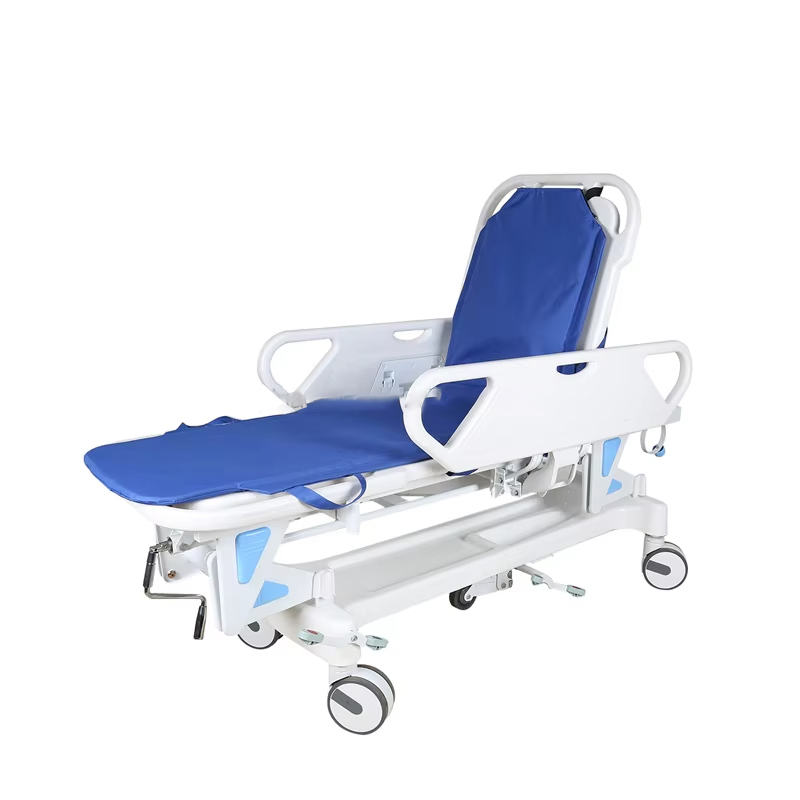
Because you will spend real time on that stretcher, its design matters more than people assume. A stable frame, dependable brakes, and full-length rails keep the ride secure, which is why hospitals put genuine thought into the manual stretchers they choose:
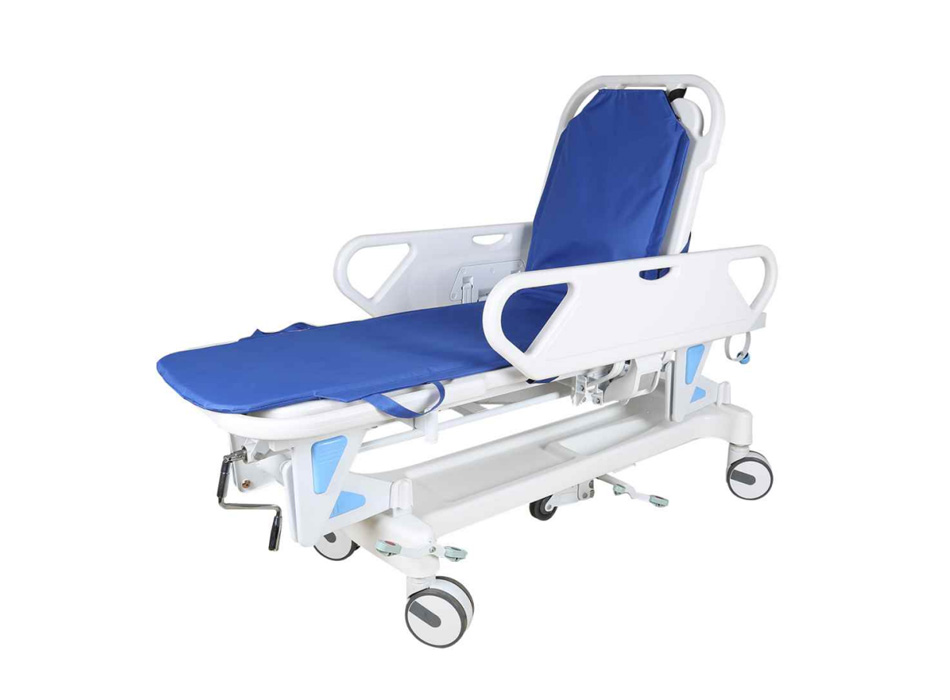 YGZY06A Manual Patient StretcherWith a stable steel frame, dual PP guardrails, crank height adjustment from 530-820mm, and quiet double-row central-brake casters, this stretcher keeps patients secure during recovery-room transfers where safe transport matters most.View Product →
Here is the part most patients are relieved to hear: the vast majority remember very little. If you had general anesthesia, you are usually waking up or still dozing during the move. What people do recall tends to be mild: a sliding sensation, a rush of cool air, a warm blanket arriving, and calm voices telling you what happens next.
You may be asked to help with something small, like scooting over a few centimeters when you are able. If you are not able, that is fine; the team does the work. Rails stay up during and after the transfer, and a nurse stays within sight from the moment you leave the theater.
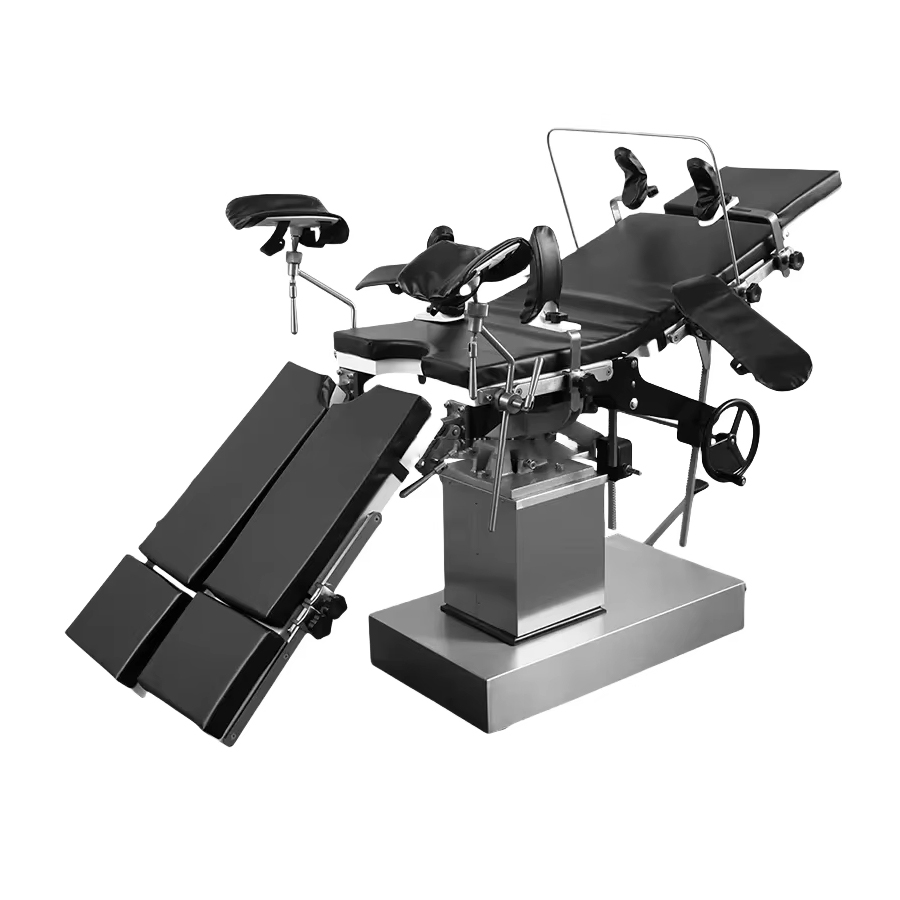
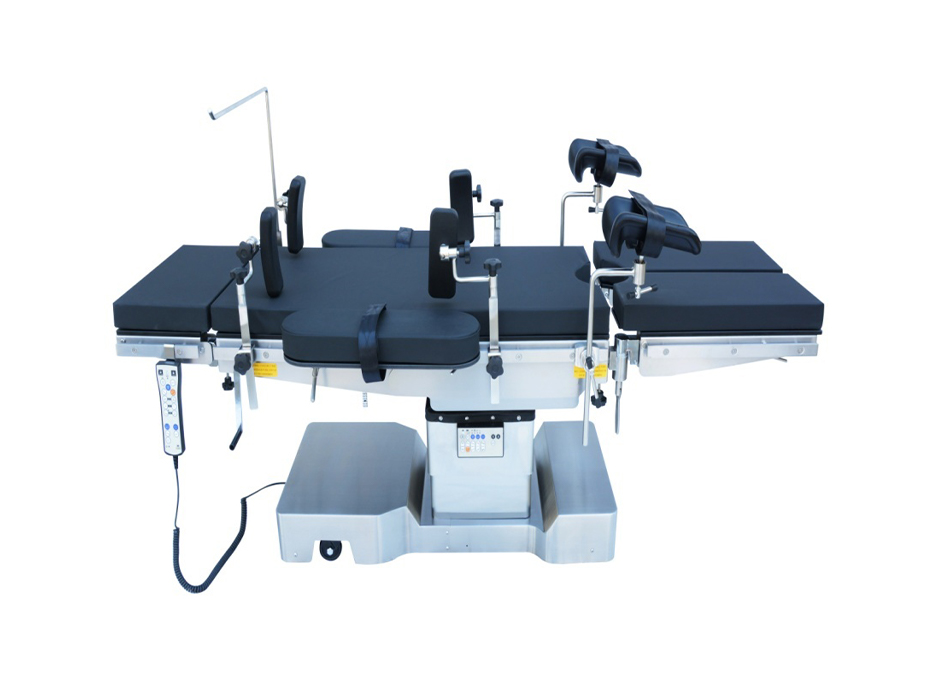
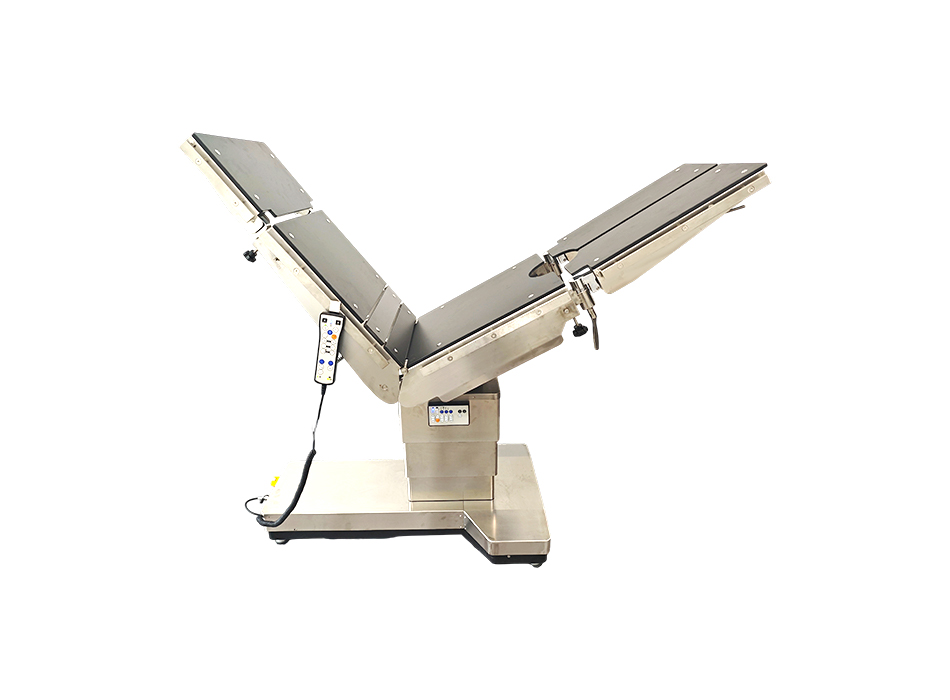
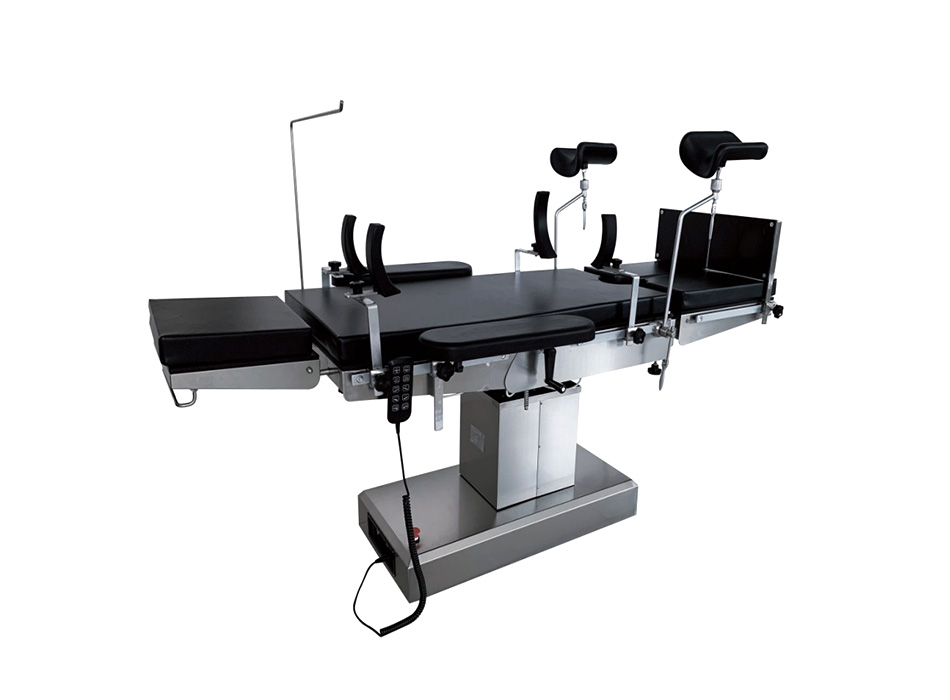
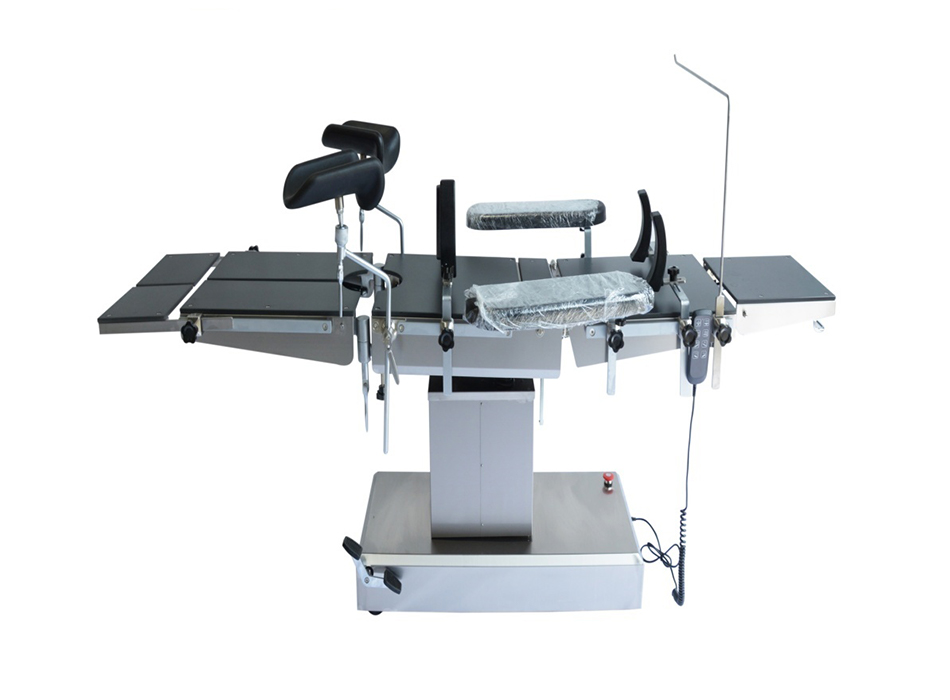
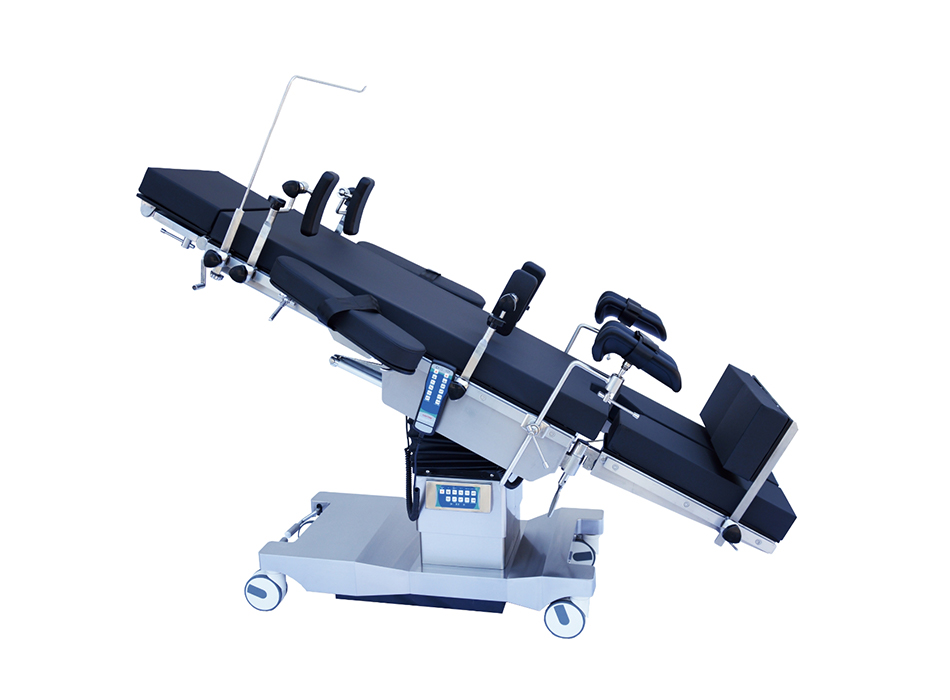
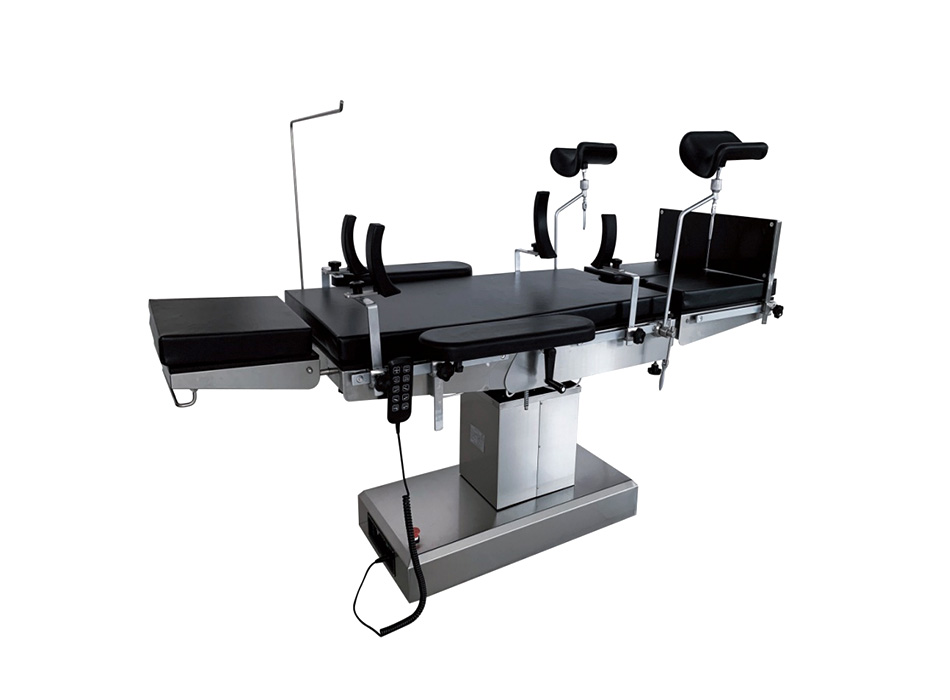
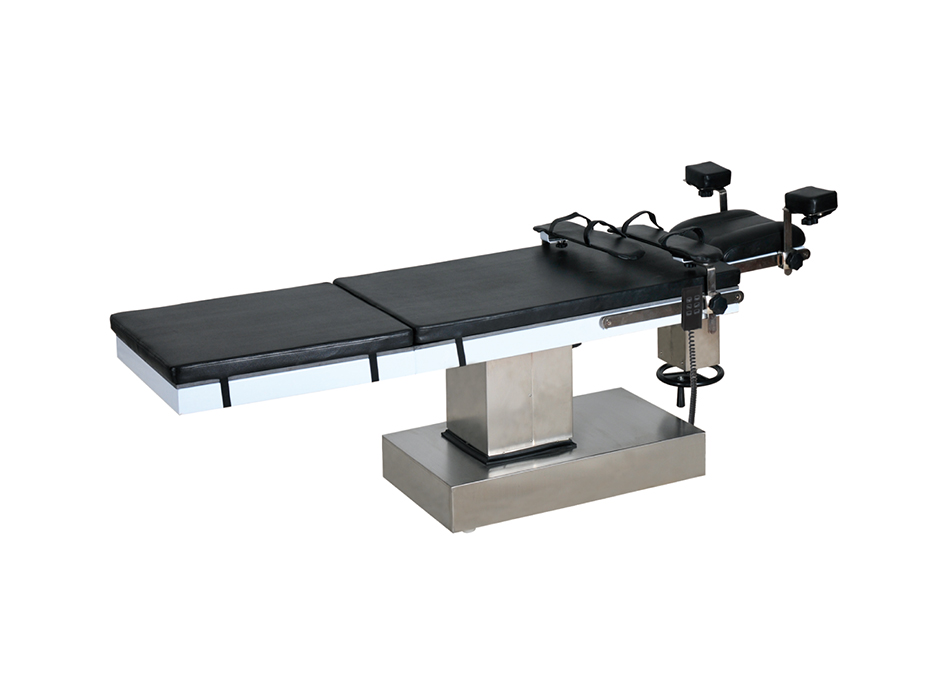
From the factory floor, we can tell you that a surprising amount of engineering goes into making that short trip easier. Operating tables that lower smoothly let the team match heights instead of lifting upward, while smooth, sealed surfaces let slide sheets glide without snagging. If you are curious about the hardware itself, we explain the structure and components of an operating table in more detail elsewhere on our site.
The receiving stretcher deserves equal attention. Guardrails on all four sides, a low height range, and a frame that will not flex under load protect patients twice: once during the transfer, and again during transport down the corridor:
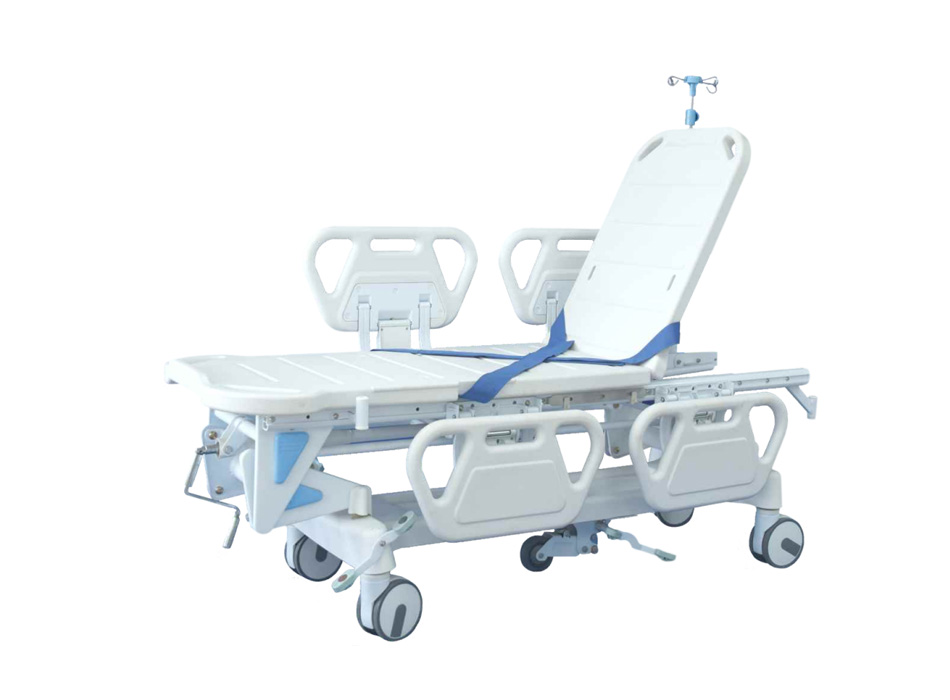 YGZY06B Manual Patient Stretcher with Four GuardrailsFour folding PP side rails, a 540-840mm height range, central-lock casters, and a fifth-directional wheel protect patients during both the receiving transfer and the corridor ride, making it a practical ward upgrade.View Product →
Once you are stable in recovery, the same routine plays out one more time, from stretcher to bed. Beds that adjust in height make this last transfer gentler, which is why we see steady interest in height-adjustable hospital beds among facilities upgrading their wards.
Patients coming out of longer or more critical operations sometimes travel instead on an emergency electric hospital bed, which supports monitoring and careful positioning from the theater onward. Whatever the route, the principle stays the same: a matched height, a planned grip, a counted lift, and a team that has done it thousands of times.
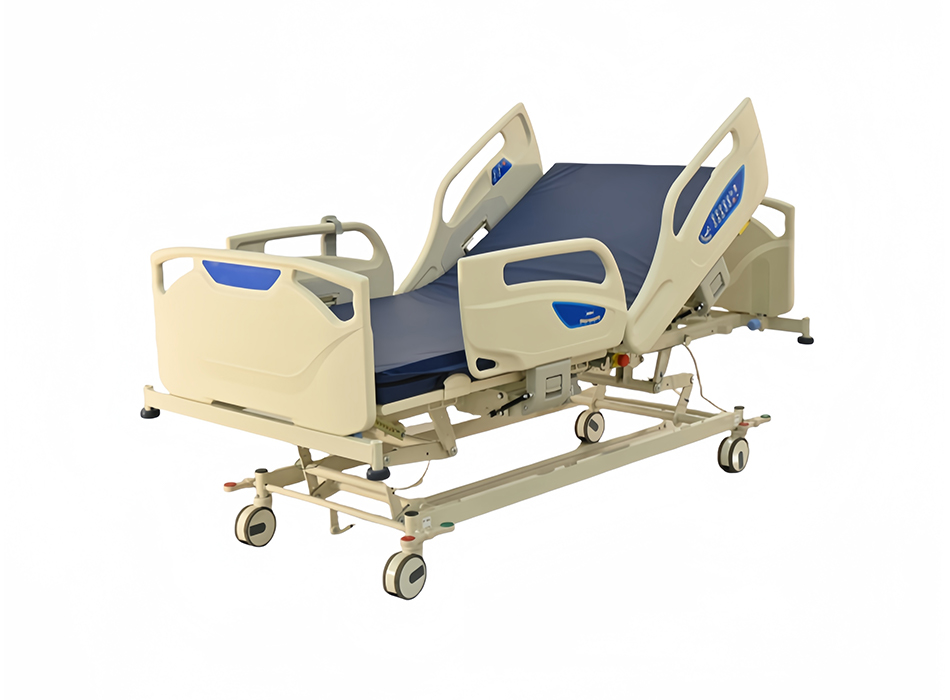 DB502 Emergency Electric Hospital BedA weld-free cold-rolled steel bed with electric CPR, back-knee linkage, ≥300kg load capacity, and four-piece safety guardrails with angle and battery indicators, ideal for monitoring and careful positioning after longer or critical operations.View Product →
So the next time pre-surgery nerves creep in, you can set this particular worry aside. Getting you off the operating table is not an afterthought. It is a rehearsed, well-equipped, and genuinely careful process, and by the time you are settled in recovery, someone on that team will have quietly made sure every centimeter of the move was safe.
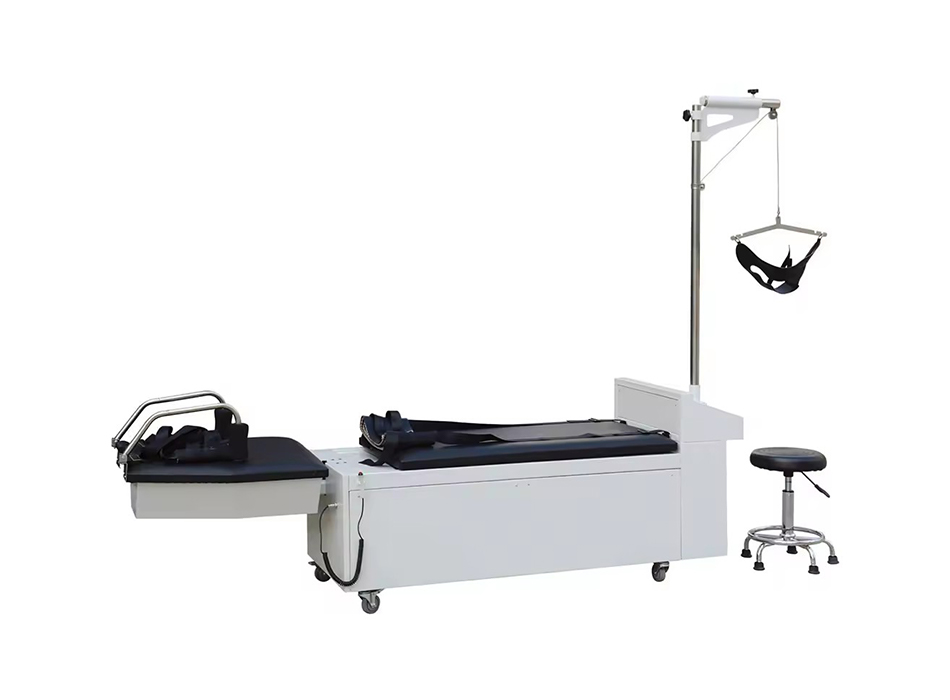
If you are interested in our products, please consult us
Copyright © 2026 Jiangsu Yigao Medical Equipment Technology Co., Ltd.

Custom Electric Medical Bed Manufacturers
The information provided on this website is intended for use only in countries and jurisdictions outside of the People's Republic of China.