Welcome to Jiangsu Yigao Medical

 ENG
ENG

 English
 Español


An operating room is not just a space for surgery; it is a controlled environment where the risk of infection is managed through a series of deliberate, scientifically backed sterilization protocols. These protocols prevent surgical site infections (SSIs), which remain a significant cause of hospital-acquired complications. The cleanliness of an operating room directly impacts patient safety, recovery time, and overall surgical success.
Why Operating Room Sterilization Is Non-Negotiable
Any surgical incision creates a direct pathway into a patient's body for microorganisms. Without strict sterilization, bacteria, viruses, and fungi can enter the wound, leading to infections that may require additional surgeries, extended hospital stays, or even become life-threatening. This is why operating room sterilization is the foundation of modern surgical care, not an optional extra. The process involves multiple layers, from pre-surgery air purification to post-surgery disinfection of every surface and tool.
The Step-by-Step Process of Sterilizing an Operating Room
The sterilization process can be broken down into a series of discrete stages, each targeting a specific type of contamination. Failing to follow any one of these steps can compromise the entire cycle.
1. Pre-Surgery Air Purification and Room Preparation
Before any patient or surgical team enters the room, the air quality is managed. Most modern operating rooms use High Efficiency Particulate Air (HEPA) filtration systems, often in combination with laminar airflow technology. These systems continuously cycle the air, removing 99.97% of particles as small as 0.3 microns, including dust, bacterial spores, and airborne pathogens. The room is also kept under positive pressure, meaning air flows out of the room when doors are opened, preventing contaminated air from entering. All non-essential equipment is removed, and the room is closed for a specific amount of time before surgery begins.
2. Surface Cleaning and Disinfection
All horizontal and vertical surfaces in the operating room, including walls, floors, medical equipment, surgical lighting fixtures, and anesthesia machines, are cleaned with a hospital-grade disinfectant. This disinfectant is typically a quaternary ammonium compound or a bleach-based solution, left on surfaces for the manufacturer's recommended contact time. Surfaces in a surgical area are cleaned between every procedure, while floors are mopped with disinfectant. Special attention is given to high-touch zones, such as control panels, door handles, and the light handles of surgical lamps.
3. Sterilization of Surgical Instruments and Tools
All instruments that will enter the patient's body, or the sterile field, are sterilized using one of several methods:
- Steam Sterilization (Autoclaving): The most common method. Instruments are exposed to saturated steam at high temperatures (typically 121-134°C) under pressure for a set period. This kills all microbial life, including spores.
- Ethylene Oxide (EtO) Sterilization: Used for heat-sensitive items like plastics or delicate electronic devices. The instruments are exposed to EtO gas, which penetrates packaging and kills microorganisms without high heat.
- Low-Temperature Hydrogen Peroxide Gas Plasma: A faster alternative to EtO that uses hydrogen peroxide vapor and radiofrequency energy. It is effective against a broad spectrum of pathogens and leaves no toxic residue.
- Liquid Chemical Sterilization: Used for items that cannot be exposed to heat or gas. They are soaked in a potent chemical sterilant for a set period.
After sterilization, instruments are stored in sterile packaging until the moment of use.
4. Surgical Team Aseptic Technique
Sterilization does not end with the environment and tools; the surgical team itself is part of the process. Surgeons, nurses, and scrub technicians perform a surgical hand scrub with antiseptic solution for a minimum of two minutes, then don sterile gowns and gloves. This step ensures that no microorganism from the team's skin or clothing enters the sterile field. The area around the patient's incision site is also prepped with antiseptic solution.
Key Differences Between Cleaning, Disinfection, and Sterilization
These terms are often used interchangeably, but they represent distinct levels of microbial reduction. Understanding the difference is critical for any hospital buyer or facility manager.
| Process | What It Does | Used On | Kills Spores? |
|---|---|---|---|
| Cleaning | Removes visible dirt, organic material (blood, tissue), and some microorganisms. | Floors, walls, non-critical equipment. | No |
| Disinfection | Eliminates most pathogenic microorganisms, but usually not bacterial spores. | Surfaces, endoscopes, some anesthesia equipment. | No (unless using high-level disinfectants) |
| Sterilization | Destroys all forms of microbial life, including bacteria, viruses, fungi, and resistant spores. | Surgical instruments, implants, items entering sterile body cavities. | Yes |
How Operating Tables and Equipment Fit into Sterilization
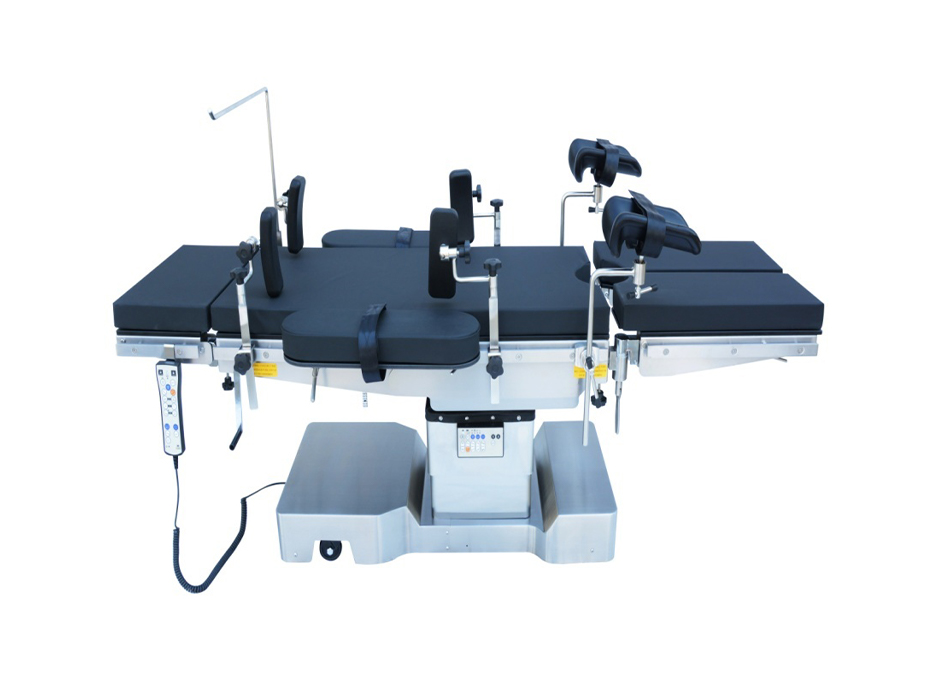
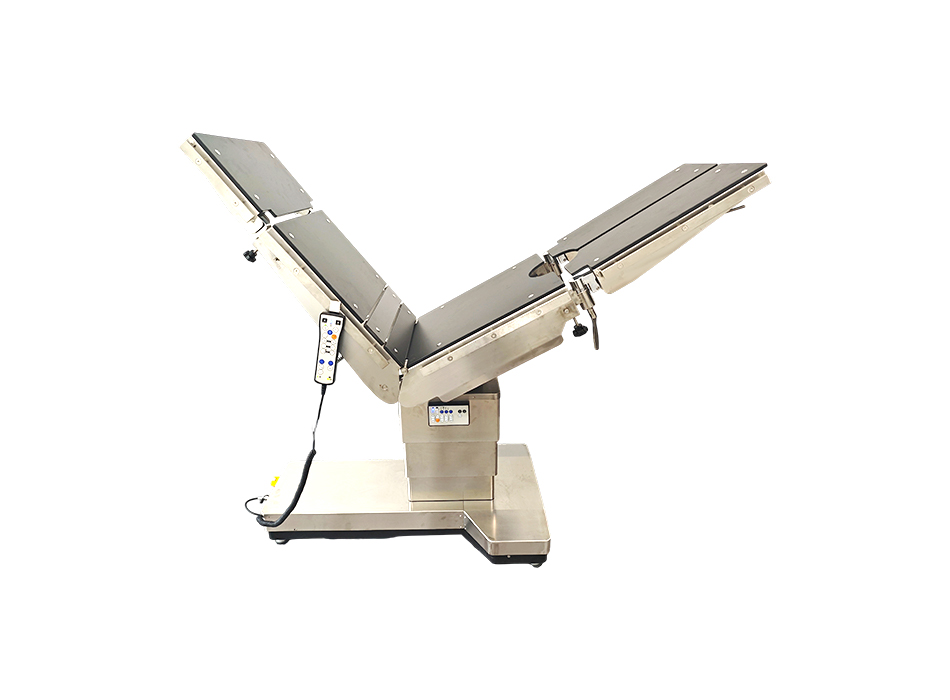
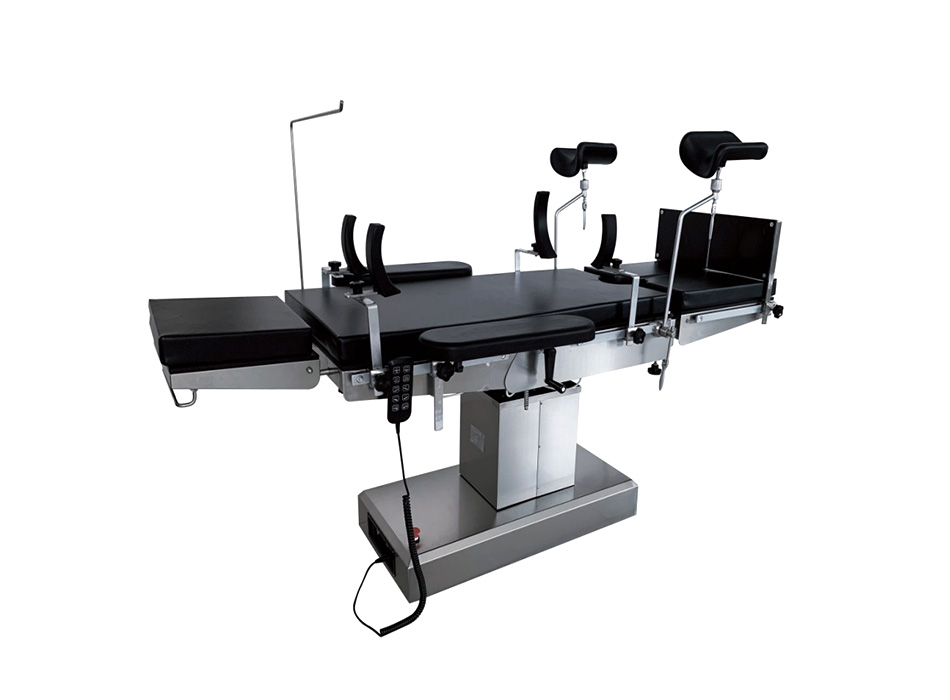
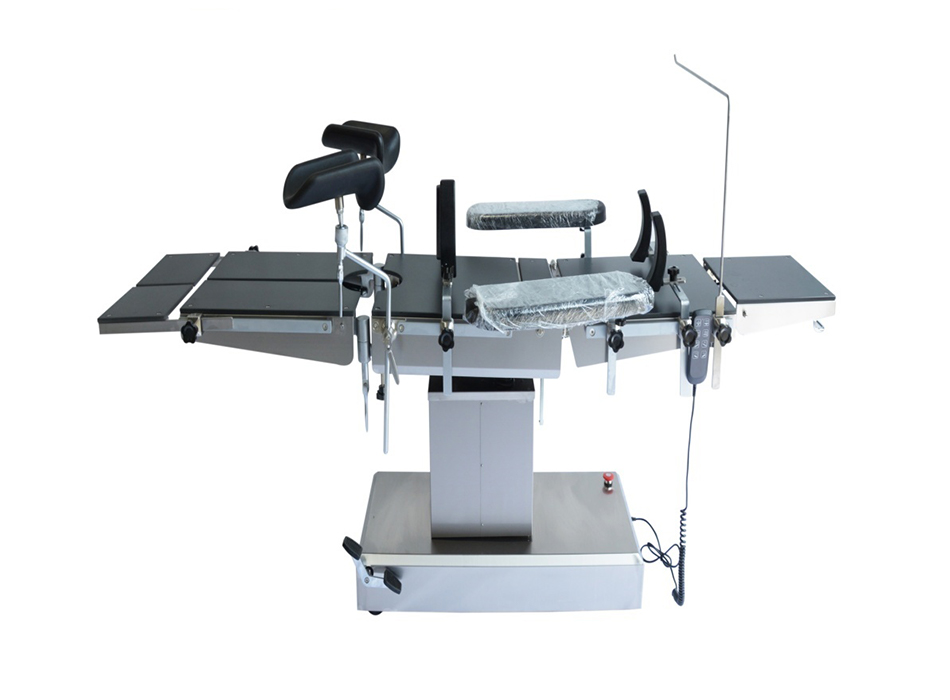
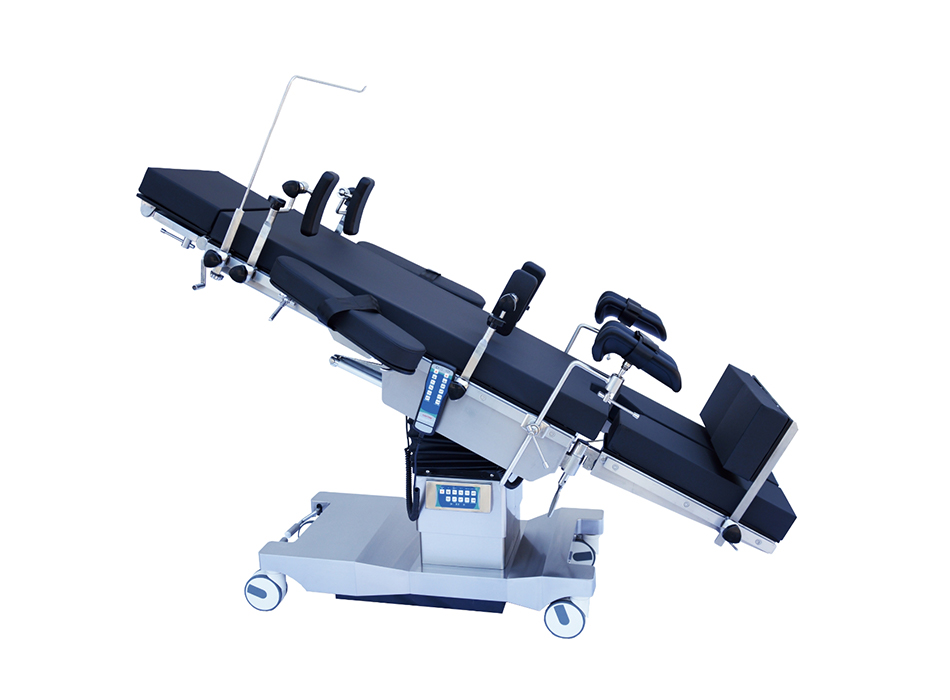
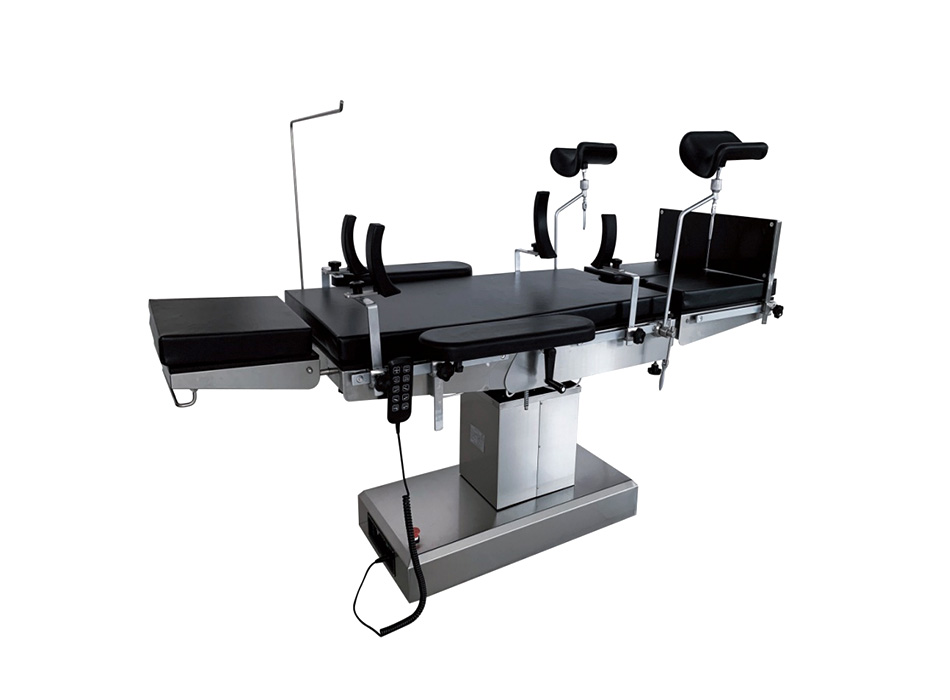
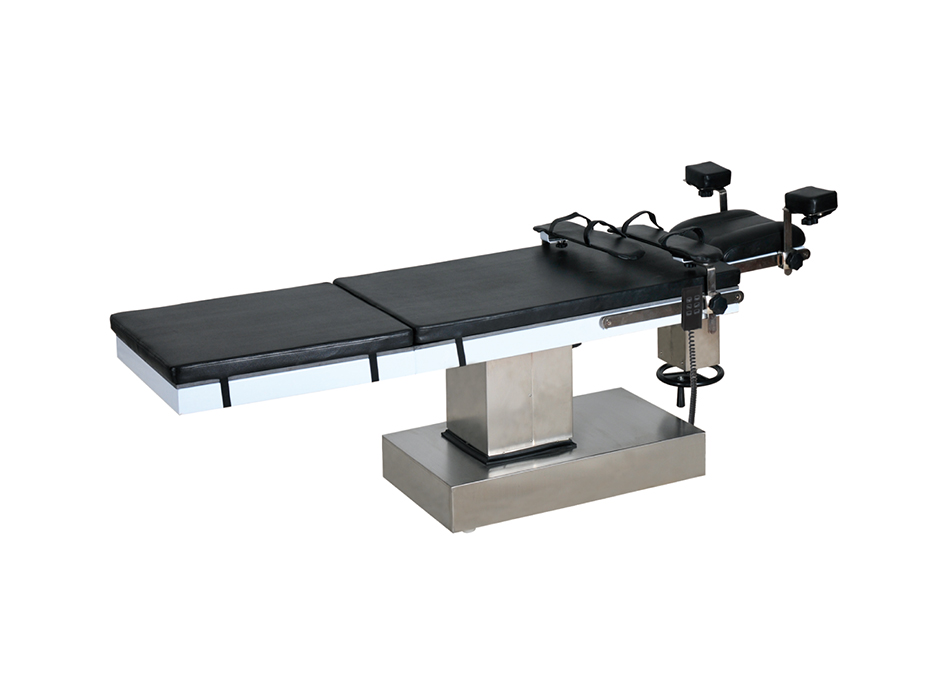
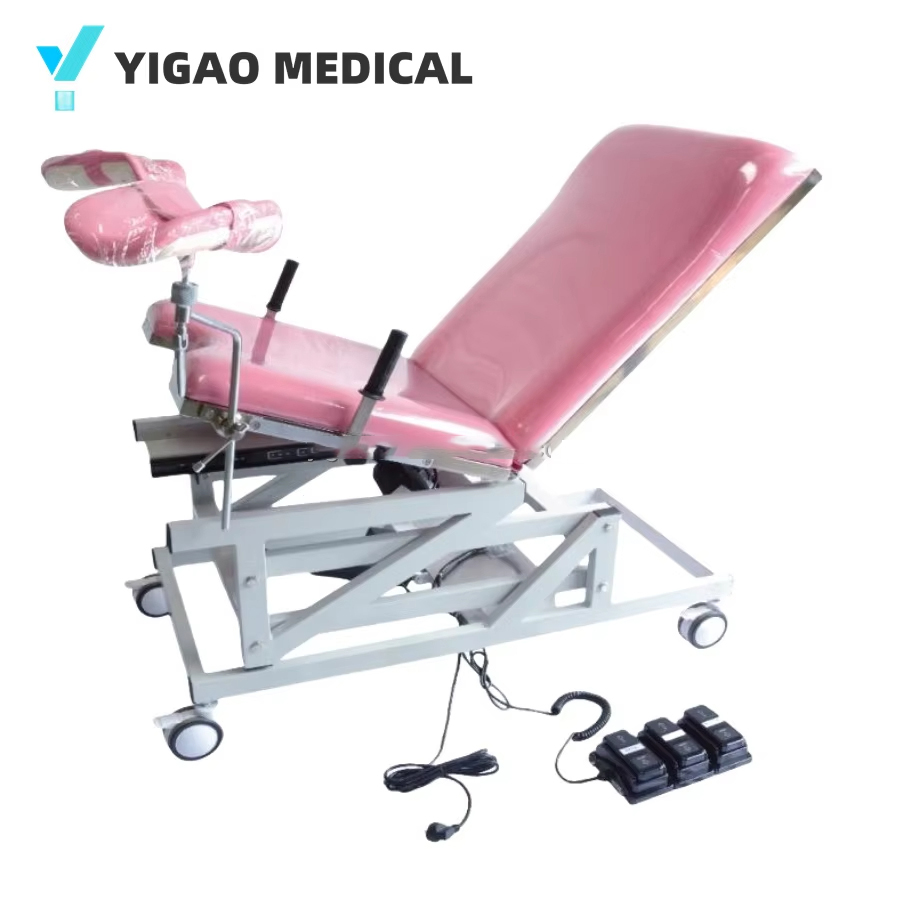
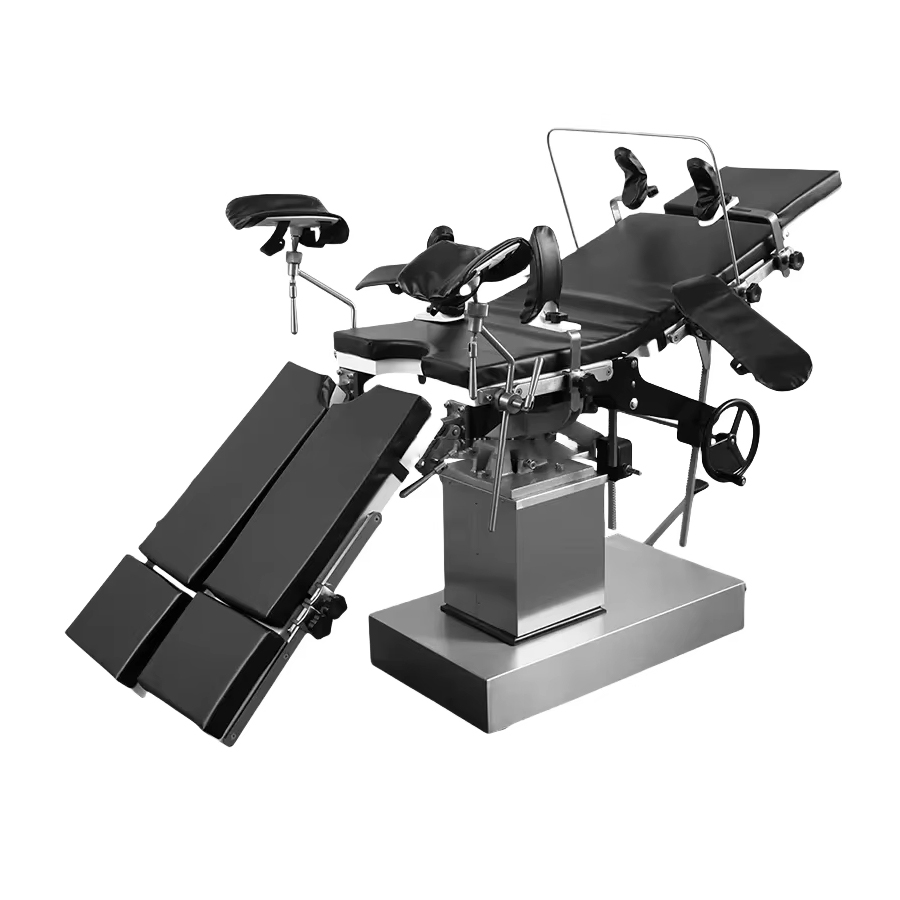
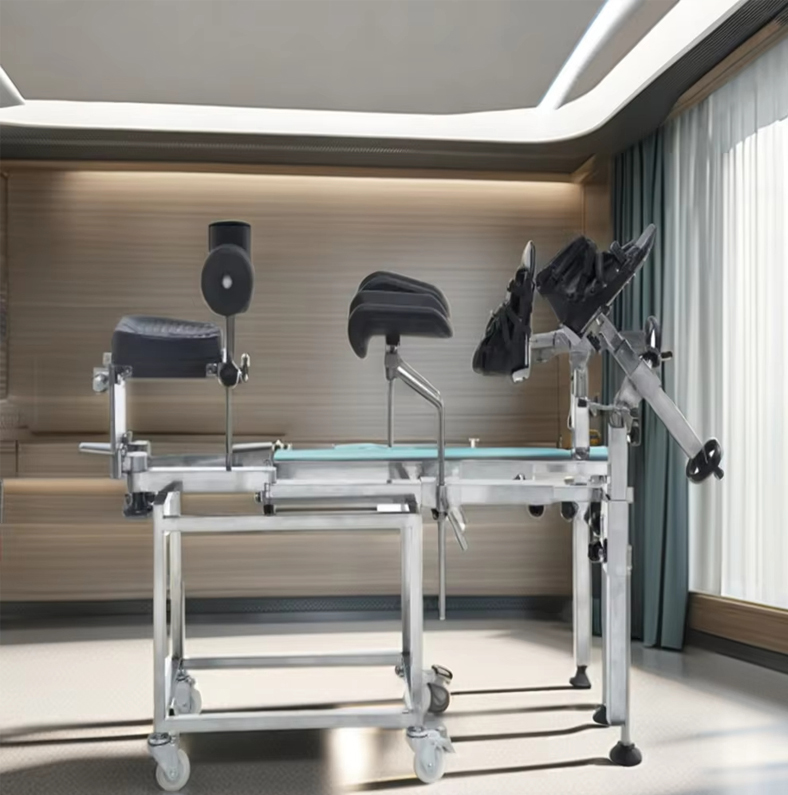
The surgical table is one of the most heavily contaminated surfaces in an operating room. It must be both durable enough to withstand repeated chemical exposure and easy to clean. Surgical operation table surfaces, typically made from stainless steel or antimicrobial materials, are wiped down with disinfectant before and after each procedure. The table's pads, joints, and rail systems also need careful attention, as fluids can pool in crevices. Similar hygiene protocols apply to 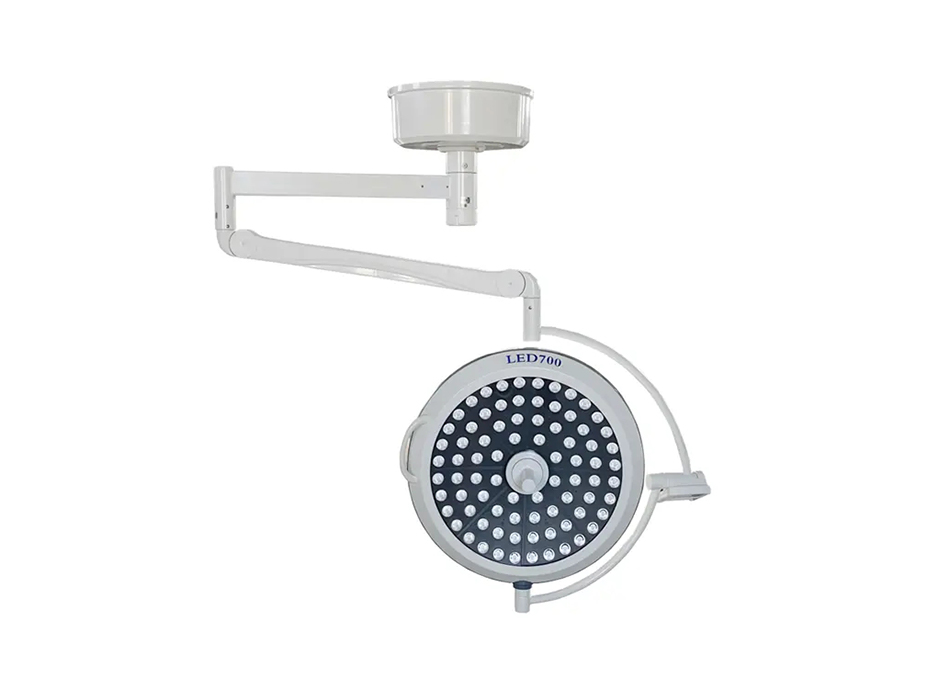 YGLED700 LED Shadowless Surgical LightThis lamp uses a cold LED source to prevent heat buildup at the surgical site, reducing infection risk. Its adjustable color temperature improves tissue contrast for clearer visibility during procedures, supporting both aseptic technique and surgical precision.View Product →, which have smooth, sealed surfaces that prevent bacterial accumulation while providing bright, shadowless illumination during procedures.
Real-World Factors That Affect Sterilization Success
Even with strict protocols, sterilization success depends on human factors and equipment condition. Common failures include:
- Insufficient contact time: Disinfectants must remain wet on a surface for a specified time. Wiping it off too early reduces effectiveness.
- Biofilm formation: On improperly cleaned instruments, bacterial biofilms can form, protecting microorganisms from disinfectants and sterilants.
- Equipment design flaws: Complex joints, hinges, or crevices that are difficult to reach with cleaning cloths.
- Cross-contamination during transfer: Sterile instruments can be re-contaminated if packaging tears or if handled improperly.
Therefore, hospitals should choose furniture and equipment with smooth, joint-free surfaces, and ensure staff are rigorously trained on cleaning protocols.
Common Sterilization Methods in Detail
Manufacturers and hospitals rely on a few core sterilization methods for their efficiency and reliability. The table below summarizes the main options.
| Method | Temperature Range | Cycle Time | Best Suited For | Residue Type |
|---|---|---|---|---|
| Steam (Autoclave) | 121-134°C | 15-45 minutes | Metal instruments, fabrics, heat-resistant plastics | None (water) |
| Ethylene Oxide (EtO) | 37-63°C | 3-12 hours (including aeration) | Heat-sensitive devices, plastics, electronics | Ethylene oxide gas (toxic; requires aeration) |
| Hydrogen Peroxide Plasma | 45-55°C | 45-75 minutes | Endoscopes, cameras, delicate electronics | Water and oxygen (non-toxic) |
| Peracetic Acid | 50-70°C | 20-30 minutes | Endoscopes, immersible devices | Peracetic acid (requires rinsing) |
Choosing Sterilization-Ready Equipment
When purchasing operating room equipment, consider how easily each item can be integrated into your sterilization workflow. For instance, surgical tables with sealed seam construction are easier to clean than those with visible gaps. YGLED700 LED Shadowless Surgical LightThis lamp uses a cold LED source to prevent heat buildup at the surgical site, reducing infection risk. Its adjustable color temperature improves tissue contrast for clearer visibility during procedures, supporting both aseptic technique and surgical precision.View Product → with smooth, seamless domes and washable handles significantly reduce the risk of contamination. The right equipment is a passive but critical component of your infection control strategy, supporting the active work of your staff.
Summary: A System, Not a Single Step
Operating room sterilization is a system of interdependent steps. From HEPA air filtration to the sterile gown of the surgeon, each part reinforces the others. Hospitals must invest not only in training and protocols but also in durable, cleanable equipment that resists bacterial growth. When all elements work together, the operating room remains the safest possible environment for the most critical procedures.