Welcome to Jiangsu Yigao Medical


 ENG
ENG

 English
 Español
Welcome to Jiangsu Yigao Medical

In an operating room, clear vision is not a convenience; it is a safety requirement. The surgical team needs to see tissue in its true color, distinguish layers of anatomy, and work deep inside a wound as well as on the surface. That is why the surgical light is one of the most important devices in the operating theatre, and why the technology behind it deserves close attention. So how do surgical lights work, and why do they appear to cast no shadow? In this guide we break down the working principle of shadowless lamps, the optical parameters that define their performance, and what modern LED surgical lights offer the operating room.
Surgical lights, also called operating room lights or shadowless lamps, are medical lighting devices designed to illuminate the surgical site with high-intensity, uniform light while minimizing shadows, glare, and heat. They are used in surgical procedures, diagnostic examinations, and treatments to give the clinical team an accurate, color-correct view of the patient's anatomy.
The history of surgical lighting has moved through incandescent bulbs and tungsten-halogen lamps to the LED systems that dominate modern operating rooms. Each generation of technology pursued the same goal: a larger, brighter, cooler, and more shadow-resistant light field.
The key to shadowless lighting lies in geometry. A conventional lamp with a single bulb produces a hard shadow because all its light rays come from one point. A surgical light, on the other hand, uses dozens of individual light sources arranged in rings or a multi-source array. Each emitter sends its beam toward the operative field from a slightly different angle. When the surgeon's head, hands, or an instrument block one group of beams, the remaining beams continue to reach the field from other directions. The object still creates a shadow, but that shadow is filled in by light arriving from other angles, so no visible shadow remains in the critical zone.
This is known as the multi-point light source effect, and it is the foundation of almost every modern shadowless lamp.
Having many light sources is only part of the answer. The beams also need to be directed, focused, and blended to form one uniform light field with sufficient depth of field. In a reflector-based design, each lamp unit sits inside a carefully shaped reflector that collects and redirects light toward the surgical area. In an LED design, arrays of lenses and micro-reflectors shape the output of hundreds of individual LED chips. The result is a homogeneous field of light that maintains high illuminance not only on the surface of the wound but also deep inside a body cavity.
Manufacturers describe a surgical light's ability to reduce shadows with a parameter called shadow dilution. A ratio of 1:2, for example, means the darkest part of a shadow remains at least half as bright as the surrounding field. Higher ratios represent stronger shadow compensation. Combined with light field diameter and depth of field, shadow dilution determines how reliably the lamp keeps the entire surgical site visible under difficult conditions. For a closer look at the optical theory, read our overview of the principle of the shadowless lamp.
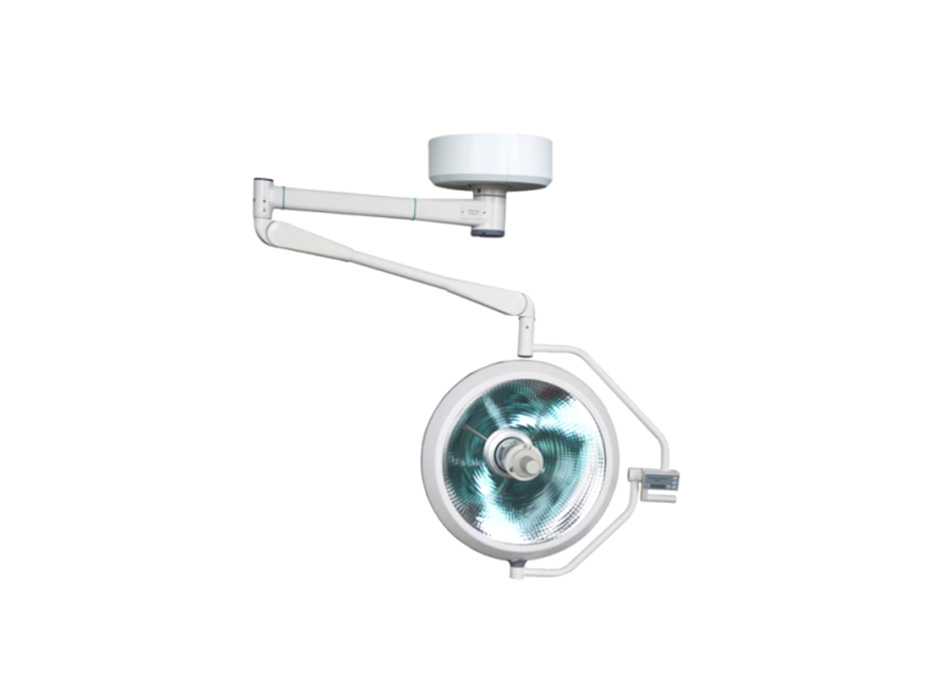 YGZF500 Overall Reflective Surgical Shadowless Lamp with High Lux OutputThis model uses 3,584 multi-mirror reflectors and infrared filtering to keep heat rise under 2°C, making it suitable for lengthy procedures where stable, deep illumination is critical.View Product →
Regardless of the light source, most surgical lights share the same major components.
| Component | Function |
|---|---|
| Light engine / LED modules | Generates the primary light output |
| Reflector and lens array | Collects, focuses, and blends the beams |
| Sterile handle | Allows the surgeon to reposition the light during surgery |
| Suspension system | Supports the light head; ceiling-mounted or mobile configurations |
| Control panel / dimmer | Adjusts brightness, color temperature, and operating modes |
When evaluating a surgical light, a handful of optical parameters decide whether the unit will perform well in real procedures.
| Parameter | What It Determines | Typical Modern Values |
|---|---|---|
| Illuminance (lux) | Brightness of the surgical field | 100,000-150,000 lux |
| Color temperature (K) | Warmth or coolness of the light | 4,000-5,000 K |
| Color rendering index (Ra) | Accuracy of tissue color appearance | Ra 95 or higher |
| Depth of field (cm) | Range over which light remains uniform in deep cavities | 50-75 cm |
| Light field diameter (cm) | Size of the illuminated area | 15-30 cm, adjustable |
| Shadow dilution ratio | Ability to fill in shadows | Up to 1:4 or better |
High illuminance matters, but uniformity matters just as much; a light that creates hot spots will tire the surgeon's eyes. A wide depth of field keeps the image crisp when the surgical site sits deep inside the body, while a high color rendering index helps the team distinguish between tissue types that would otherwise look identical.
Halogen surgical lights rely on a tungsten-halogen bulb and a large reflector to produce their beam. LED surgical lights replace the single bulb with an array of compact semiconductor emitters. The difference in design changes almost every aspect of performance.
| Feature | Halogen | LED |
|---|---|---|
| Lamp lifespan | Around 1,000 hours | 40,000-50,000 hours |
| Heat radiated to the field | High | Low |
| Color temperature | Fixed, warm | Adjustable, daylight range |
| Energy consumption | High | Low |
| Shadow control | Relies on a large reflector | Multi-chip overlapping beams |
| Maintenance | Frequent bulb replacement | Minimal |
The move to LED is not just a marketing trend. Low heat output means the wound surface is less likely to dry out during long procedures. A lifespan of tens of thousands of hours dramatically reduces service costs, and instant dimming allows the team to adjust brightness without changing the color of the light. LED surgical shadowless lamps have therefore become the default choice in modern operating rooms.
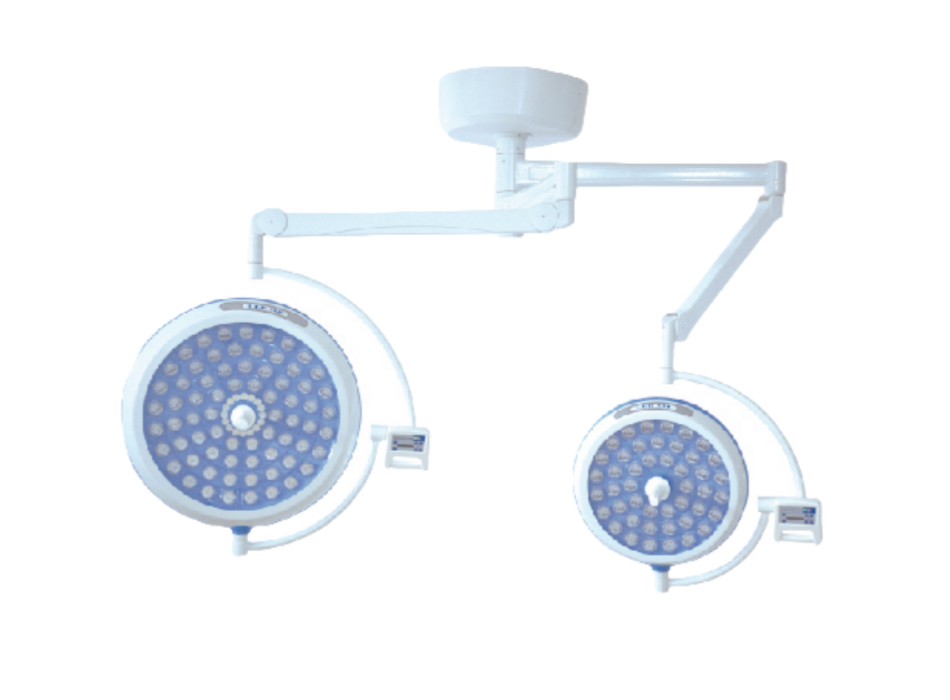 YGLED500/700 LED Surgical Shadowless Lamp with Adjustable Color TemperatureWith a 60,000-hour LED lifespan and color rendering index above 97, this lamp helps distinguish tissue types and reduces eye strain, as discussed in the preceding comparison of LED versus halogen lighting.View Product →
Good surgical lighting is a patient-safety issue, not just a comfort issue. Accurate color rendering helps the surgeon recognize subtle differences between healthy and damaged tissue. A uniform light field reduces eye strain, which is critical during procedures that can last several hours. Low heat emission protects exposed tissue and keeps the surgical field stable.
In addition, consistent color temperature across all lights in the operating room helps team members share the same visual reference, while a wide light field allows the team to see instruments and surrounding anatomy without constantly repositioning the lamp. These features are especially important in deep-cavity, trauma, and minimally invasive procedures, where the working area is small but the consequences of poor visibility are severe.
Selecting a surgical light comes down to the kind of procedures you perform, the layout of your operating rooms, and your long-term operating budget.
At Jiangsu Yigao, we manufacture surgical lighting with the operating team in mind. Our LED surgical shadowless lamps, including the YGLED500 and YGLED700 models, deliver high illuminance, excellent color rendering, and low maintenance for busy hospitals. All of our surgical lighting products are produced under certified quality management systems, as part of our wider range of ISO-approved hospital supplies.
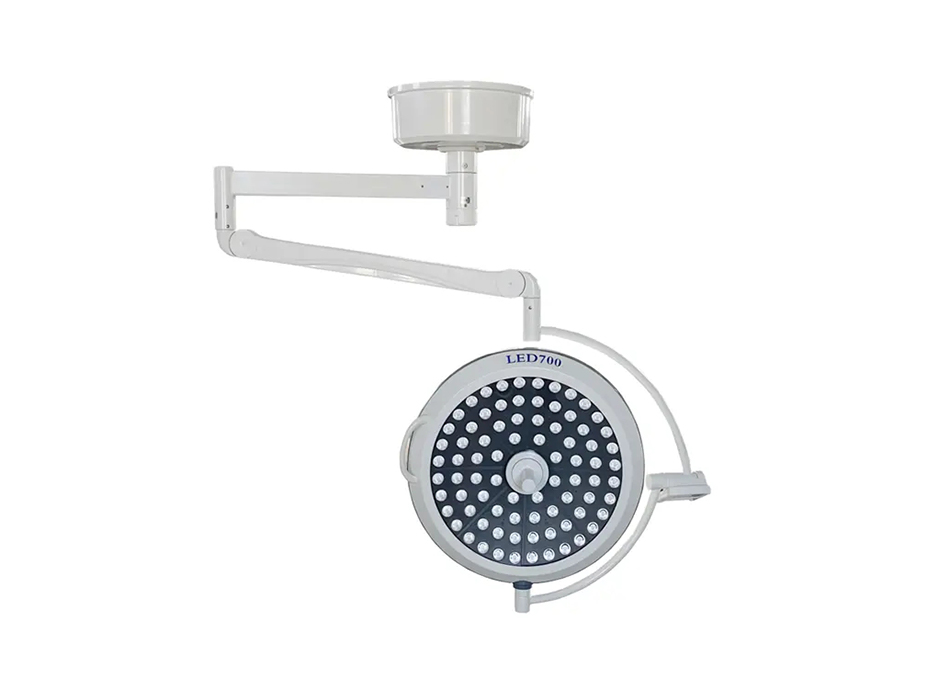 YGLED700 Operating Room LED Shadowless Lamp with Deep Beam FocusFeaturing imported Osram LEDs and a beam depth exceeding one meter, this model supports large or deep surgeries while its flicker-free DC power and detachable sterile handle address practical OR needs.View Product →
Surgical lights have evolved into precision optical instruments. The shadow-free effect that first made them famous comes from multiple light sources, overlapping beams, and carefully shaped optics working together. Modern LED technology has added low heat, long lifespan, and adjustable color temperature to that foundation, giving surgical teams a clearer and safer view than ever before.
Whether you are upgrading an existing operating room or equipping a new one, the important thing is to choose a light that matches your clinical needs and your quality expectations. Understanding how surgical lights work is the first step toward making that decision with confidence.
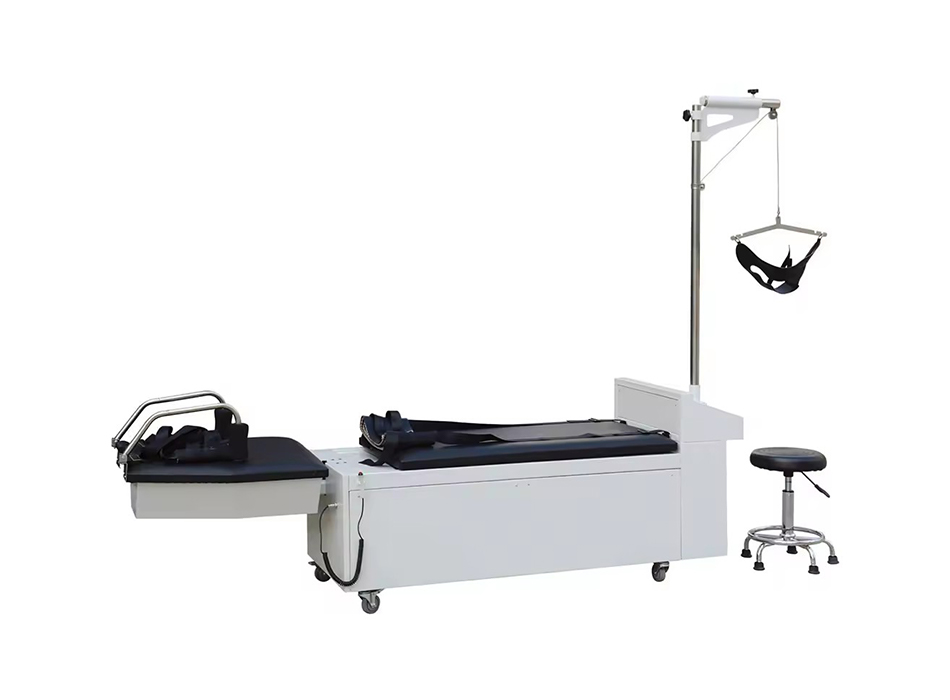
If you are interested in our products, please consult us
Copyright © 2026 Jiangsu Yigao Medical Equipment Technology Co., Ltd.

Custom Electric Medical Bed Manufacturers
The information provided on this website is intended for use only in countries and jurisdictions outside of the People's Republic of China.