Welcome to Jiangsu Yigao Medical


 ENG
ENG

 English
 Español
Welcome to Jiangsu Yigao Medical

Walk into a modern operating room and you will notice the overhead light system almost immediately: bright, even, and seemingly free of shadows. For surgeons, that uniformity is not a luxury; it is a necessity. But how do surgical lights actually manage to cast no visible shadow? The answer sits at the intersection of optical physics, reflector engineering, and decades of practical operating room experience.
A shadow forms when an object blocks light coming from a single direction. The more concentrated the light source, the sharper and darker the resulting shadow. If light arrives from many different angles at the same time, however, blocked rays from one direction are replaced by rays arriving from others. This is why daylight on an overcast day produces soft, faint shadows while direct sunlight casts hard edges.
Surgical lights apply this principle in a deliberate, engineered way. Instead of relying on one powerful bulb, a modern shadowless surgical lamp is built around an array of light sources, usually LEDs, arranged around a central axis. Each individual emitter is aimed so that its beam overlaps with the beams of its neighbors at the surgical site. When a surgeon's hand, a clamp, or part of the patient's body blocks some of these beams, the remaining beams continue to illuminate the same area from different directions. The visible result is no hard shadow, but a soft, barely perceptible reduction in brightness that does not interfere with the procedure.
To be precise, the term "shadowless" is a practical description, not a statement of absolute physics. Any physical object placed in the light path will block some photons. What a well-designed surgical light achieves is shadow dilution: the shadows created by each individual light source overlap but do not align, so the dark regions are filled in by light from the other sources.
Engineers quantify this behavior with a shadow-dilution factor, a measure of how effectively the light field suppresses the appearance of shadows. A high shadow-dilution factor means that even when hands, instruments, or drapes intrude into the beam, the surgical site remains clearly visible. This is particularly important in deep cavities, where the surgeon's own head and hands frequently block parts of the illumination field during delicate maneuvers.
The arrangement of LEDs is the first factor that determines shadow performance. Most high-quality surgical lights use a circular or dome-shaped layout, with dozens of individual LED chips positioned at precisely calculated angles. Each chip is pointed at the same focal zone, creating an overlapping pattern that produces highly uniform light intensity across the surgical site. This is a major departure from older single-bulb designs, which often required a large reflector to simulate multiple light paths.
Reflectors still play a central role, even in LED-based lights. A curved or faceted reflector collects light from each emitter and redirects it toward the target area. The geometry of the reflector determines both the beam distribution and the depth of the light field. Many modern designs also incorporate specialized lenses that shape the beam edge, reducing glare outside the surgical site while maintaining a sharp, well-defined field of illumination.
Depth of field is the range of vertical distances over which the light remains acceptably bright and uniform. In practice, the distance between the light head and the surgical site changes constantly as the operating table is raised, lowered, or tilted. A deep depth of field, typically 100 cm or more, ensures that surgeons do not have to stop and refocus the light when the table is repositioned mid-procedure.
Shadow-free lighting is only useful if the surgeon can see tissue accurately. Surgical lights are therefore engineered to operate at color temperatures in the range of 4,000 to 5,000 K, which closely mimics natural daylight. Equally important is the color rendering index (CRI). A CRI above 90, and ideally above 95, ensures that subtle differences between tissue types remain visible and that bleeding can be quickly identified.
When procurement teams evaluate surgical lights, they typically compare a standardized set of optical parameters. The table below summarizes the key specifications to look for and why each one matters in daily clinical use.
| Parameter | Typical Range | Why It Matters |
|---|---|---|
| Illuminance | 40,000 to 160,000 lux | Determines the overall brightness of the surgical field |
| Color temperature | 4,000 to 5,000 K | Reproduces a natural daylight appearance |
| Color rendering index | 90 to 97 | Preserves subtle tissue color differences |
| Depth of field | 60 to 150 cm | Maintains illumination when the table is repositioned |
| Light field diameter | 15 to 30 cm | Matches the size of the incision area |
| LED service life | 40,000 to 60,000 hours | Reduces long-term maintenance and replacement costs |
Shadow-free light is not just a comfort feature; it has direct implications for surgical outcomes and workflow.
The combination of high illuminance, accurate color rendering, and effective shadow dilution gives the entire surgical team the clearest possible view of the operative field.
Selecting a surgical light involves more than checking the illuminance rating. The operating room configuration, the range of procedures, and the compatibility with existing equipment all influence the final decision. For dedicated operating rooms, a ceiling-mounted light with high illuminance and a deep depth of field is usually the most reliable choice, as it keeps the light head clear of the surgical team and maintains consistent coverage when the table is repositioned. Our YGLED700 operating room LED shadowless lamp is engineered for this purpose, combining strong shadow dilution with stable color output across a deep working range.
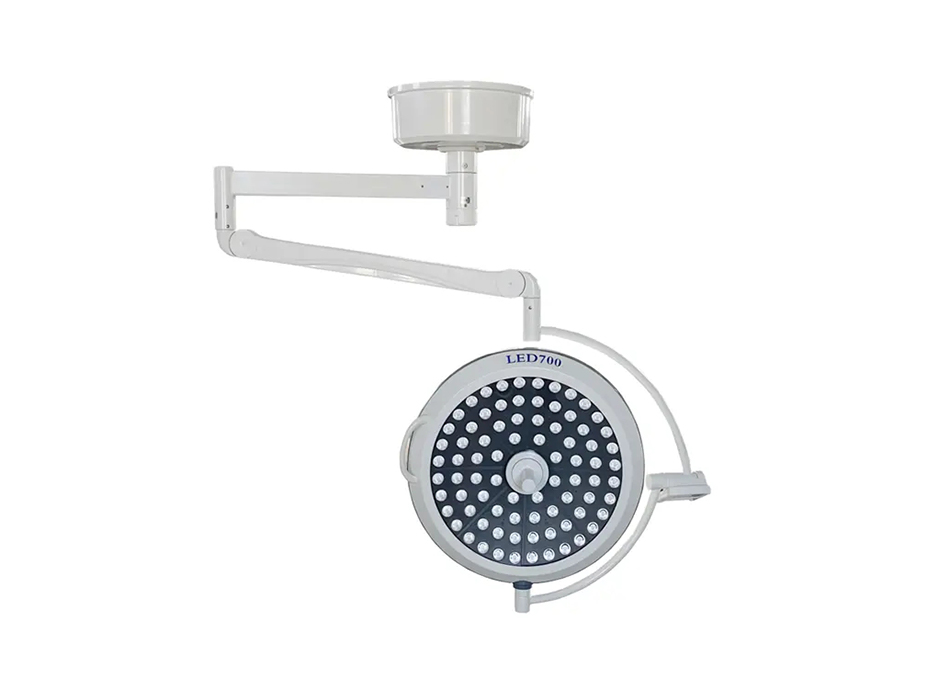 Ceiling-Mounted LED Surgical Light for Operating RoomsThis ceiling-mounted LED surgical lamp offers deep illumination and stable color output for dedicated operating rooms, supporting precise work during complex procedures with adjustable focus and minimal shadow.View Product →
For smaller operating rooms, outpatient surgery suites, and clinics with limited ceiling space, a compact single-head light can deliver the same shadow-free performance in a lighter package. The YGLED500 LED surgical shadowless lamp balances optical performance, energy efficiency, and installation flexibility, making it a practical choice for general surgery and minor procedure rooms.
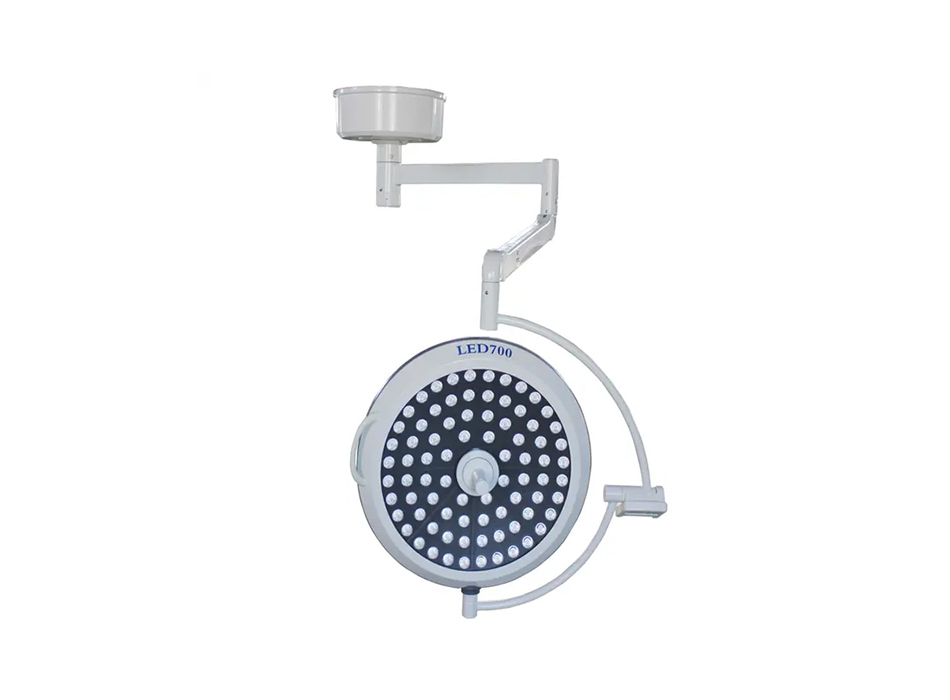 Compact Single-Head LED Surgical Light for Minor ProceduresSuitable for smaller rooms and outpatient suites, this single-head LED light provides shadow-free illumination with adjustable color temperature, helping clinicians see tissue contrast clearly during minor surgeries.View Product →
Mobile surgical lights add another layer of flexibility. When ceiling infrastructure is unavailable or a room serves multiple functions, a mobile unit with lockable casters can bring the same shadow-controlled illumination directly to the point of care. Our YGLED500 mobile surgical shadowless lamp is built for these environments, giving clinical teams reliable lighting wherever the procedure happens.
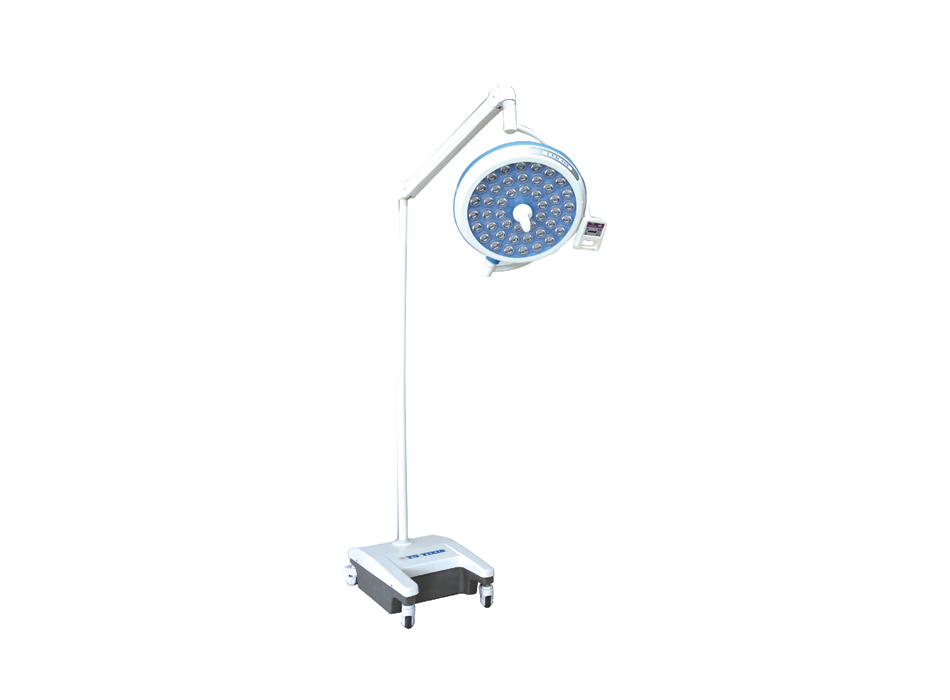 Mobile LED Surgical Light with Lockable CastersDesigned for flexible environments without ceiling mounts, this mobile LED surgical lamp delivers adjustable, shadow-controlled light directly to the procedure site, making it ideal for multi-purpose rooms.View Product →
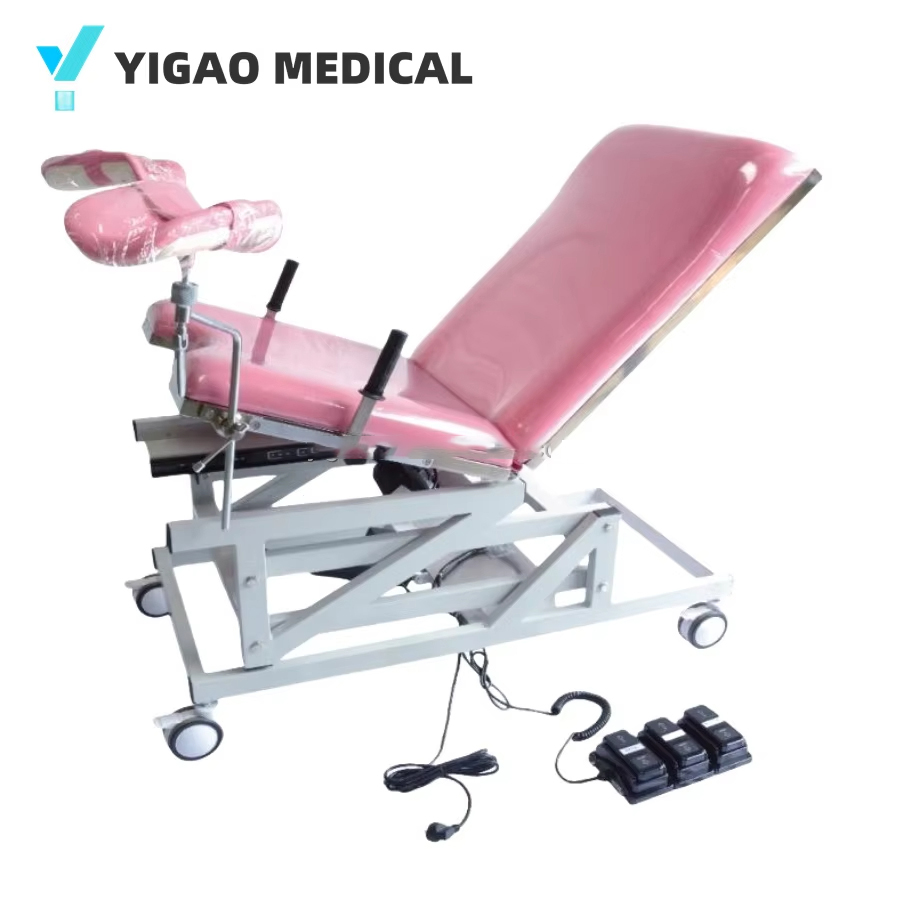
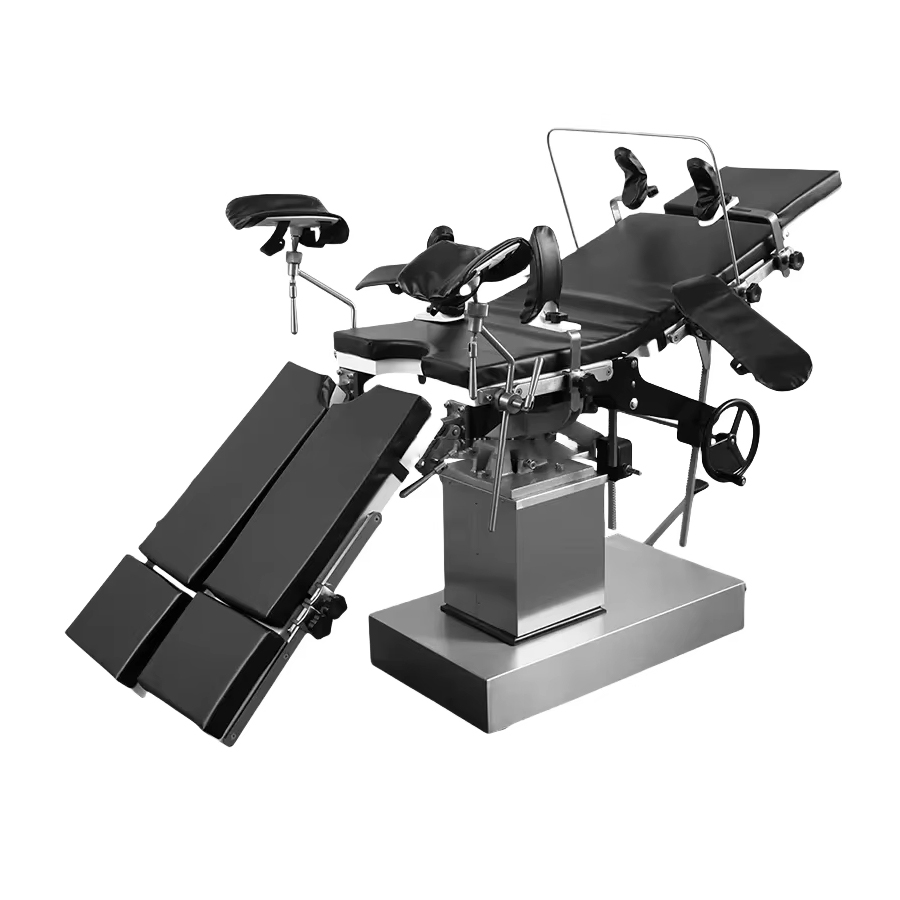
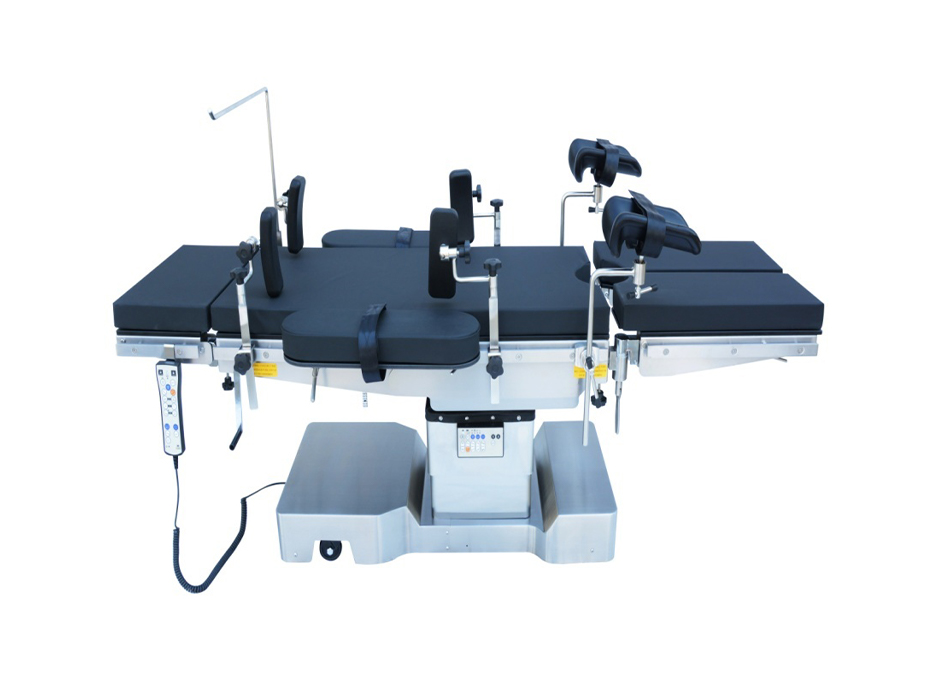
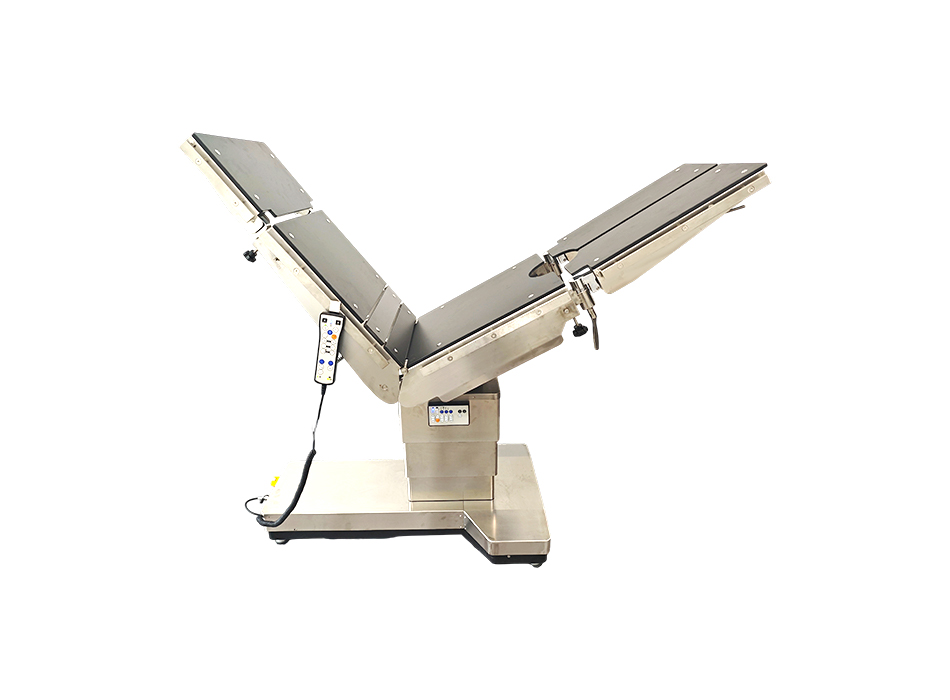
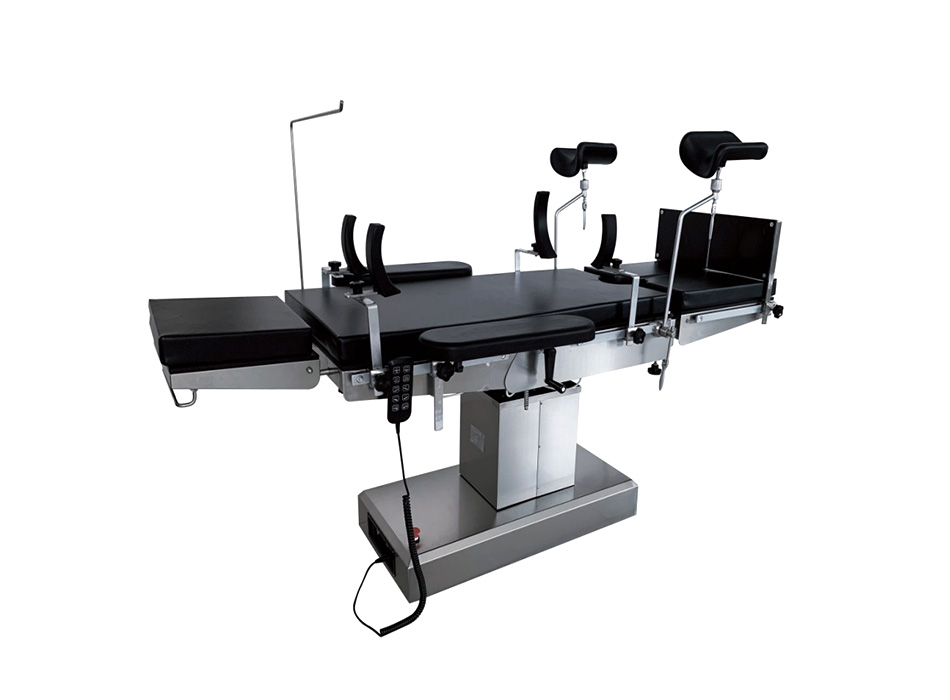
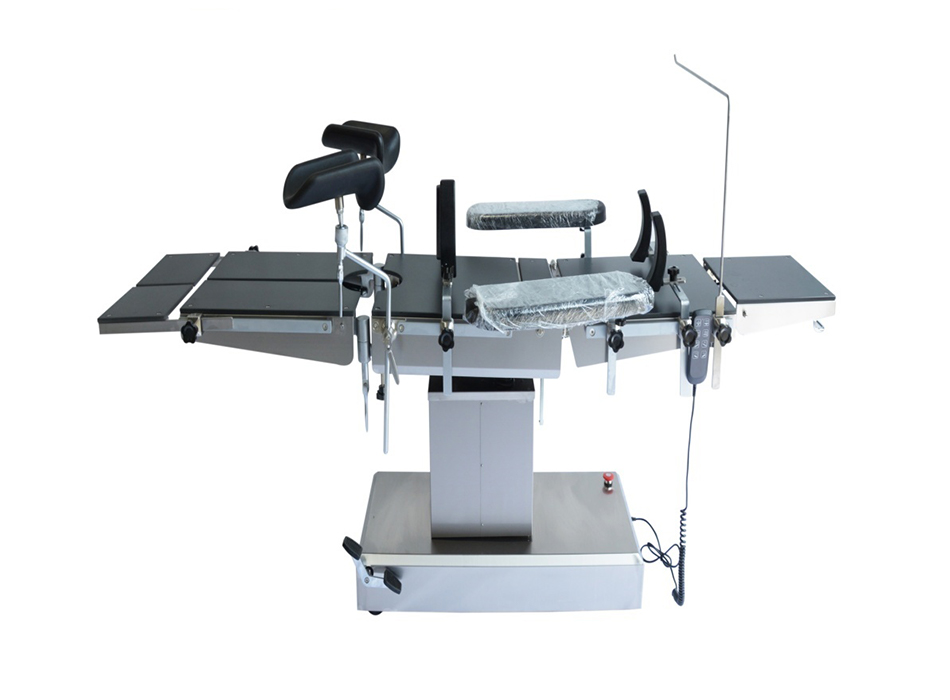
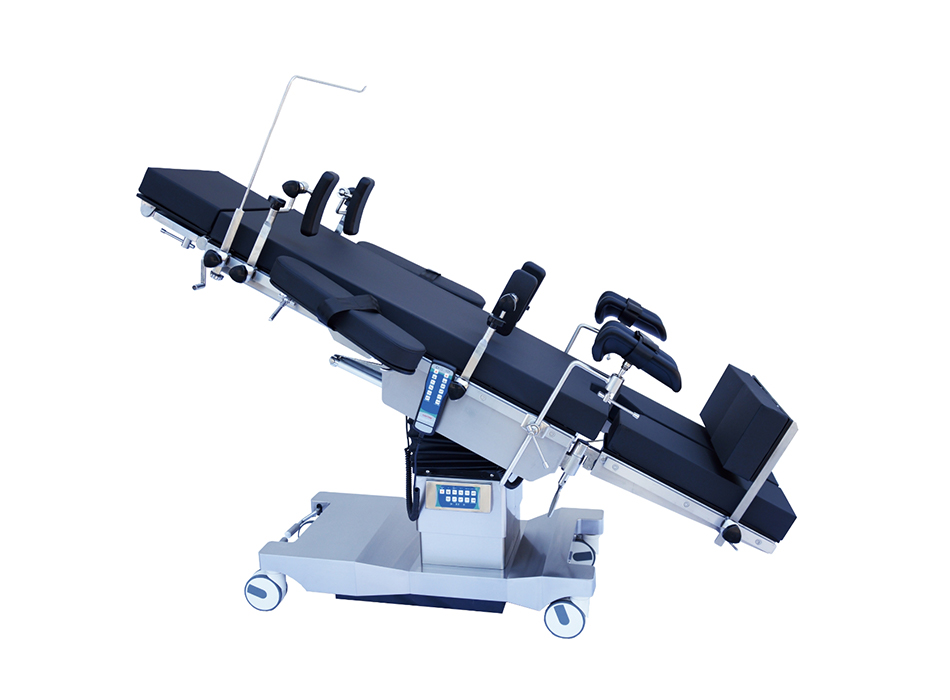
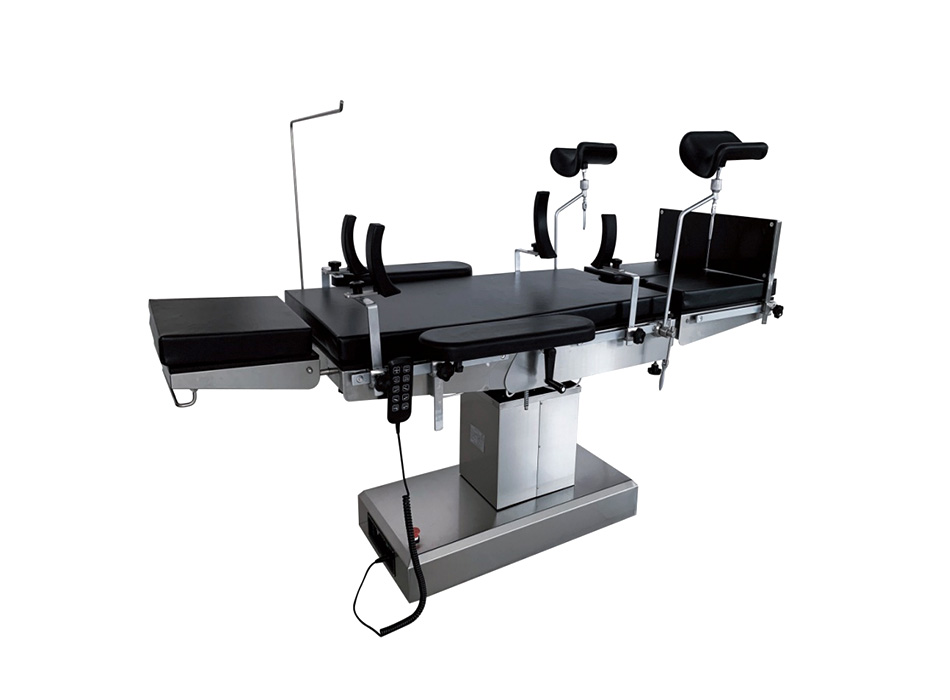
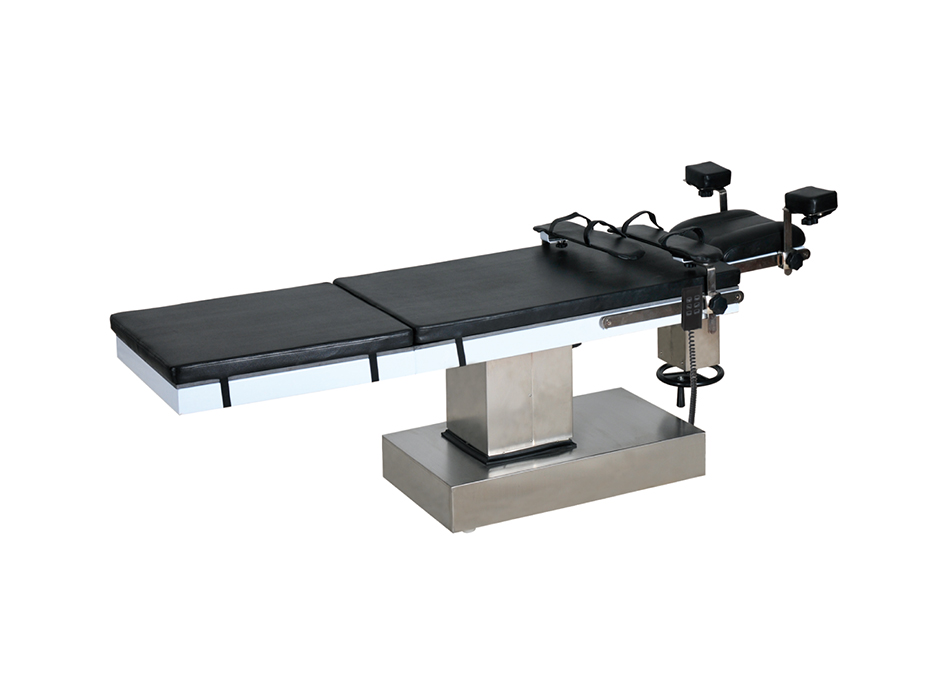
A surgical light does not work in isolation. The operating table, room layout, anesthesia workspace, and even the surgical pendant used for the display monitor all interact with the lighting system. An operating table that supports precise height and tilt adjustments, for example, helps the surgical team position the patient so that the light field remains centered on the incision. This is why hospitals increasingly view surgical lights and operating tables as a single integrated system rather than as separate purchases.
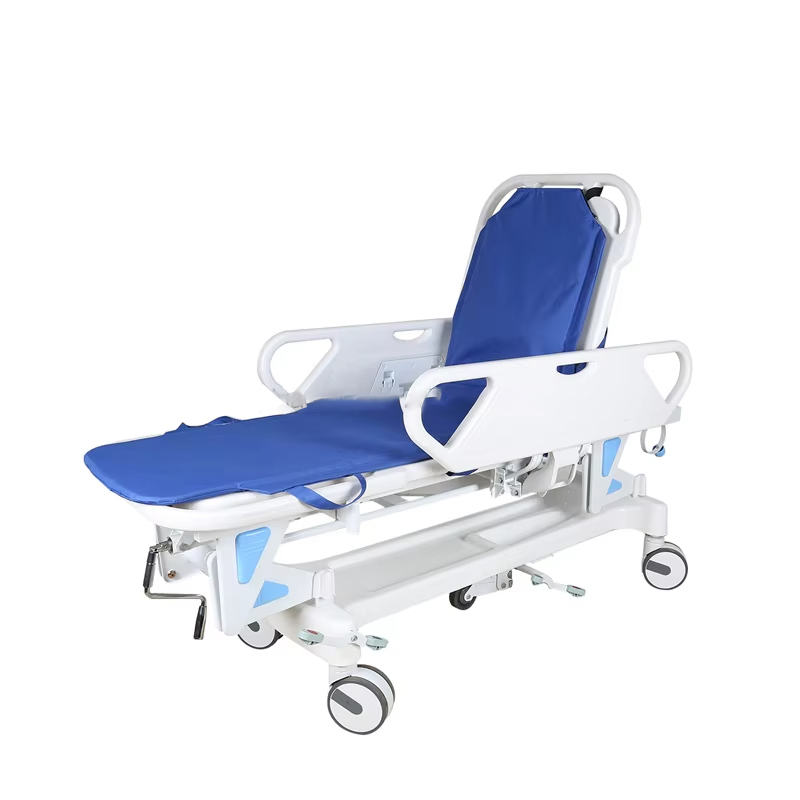
At Jiangsu Yigao, we think about the entire clinical environment when designing equipment. The same attention we apply to shadowless lighting goes into our operating tables, delivery beds, and ICU medical equipment, so that every element of the care space works together. If you are planning a new operating suite or upgrading an existing one, it is worth reviewing the same technical considerations our engineers use: the required depth of field, the color rendering index, the working distance, and the physical integration with the room ceiling. A helpful starting point is our technical guide on how an operating room shadowless light works and which specifications to compare.
So, how do surgical lights cast no shadow? They do it by combining many precisely aimed light sources, reflectors that shape and distribute the beams, and a design philosophy that prioritizes visibility above all else. Understanding these principles will help you evaluate surgical lights with an informed eye and select a system that truly supports your surgical team.
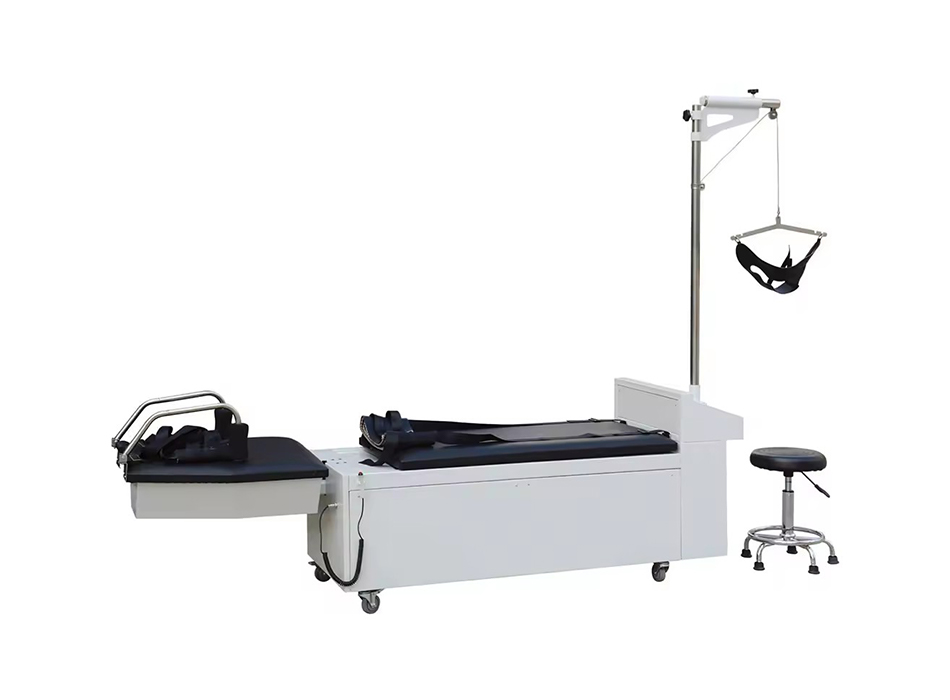
If you are interested in our products, please consult us
Copyright © 2026 Jiangsu Yigao Medical Equipment Technology Co., Ltd.

Custom Electric Medical Bed Manufacturers
The information provided on this website is intended for use only in countries and jurisdictions outside of the People's Republic of China.