Welcome to Jiangsu Yigao Medical


 ENG
ENG

 English
 Español
Welcome to Jiangsu Yigao Medical

Medical traction is a therapeutic technique that applies a controlled pulling force to a part of the body to realign bones, relieve pressure on nerves or discs, and stabilize musculoskeletal injuries. It is widely used in orthopedic care for fractures, spinal conditions, and joint dislocations. Traction can be applied mechanically through a traction frame and traction bed, or manually by a clinician. In acute settings, traction may reduce pain within hours and prevent surgical intervention altogether.
Modern orthopedic traction is delivered through carefully designed equipment — including overhead frames, pulleys, weights, and specialized traction beds — to maintain consistent, measurable force over extended periods. Whether used pre-operatively, post-operatively, or as a definitive treatment, understanding how traction works helps patients and caregivers make informed decisions.
Medical traction works by applying a longitudinal pulling force along the axis of a bone or spinal segment. This force counteracts the natural tendency of muscles to spasm and contract after injury, which can cause bones to override or compress nerve structures. By maintaining steady tension, traction:
The amount of weight used in traction varies by body region and patient size. For cervical (neck) traction, forces typically range from 2 to 15 kg (4–33 lbs). For femoral fractures in adults, skeletal traction may require 10 to 15% of body weight — often 7–12 kg — to overcome powerful thigh muscles. These values are adjusted regularly based on clinical assessment and imaging.
Orthopedic traction is not a single method — it is a family of techniques selected based on injury type, patient age, and treatment goals. The three primary categories are skin traction, skeletal traction, and manual traction.
Skin traction applies force indirectly through the skin using adhesive tapes, foam boots, or bandages attached to weights. It is non-invasive and most appropriate for temporary stabilization or in pediatric patients. Common examples include Buck's traction (used for hip fractures prior to surgery) and Bryant's traction (used in young children with femur fractures). Skin traction is generally limited to forces below 3–4 kg to avoid skin breakdown or pressure injuries.
Skeletal traction is more invasive and significantly more powerful. A metal pin (such as a Steinmann pin or Kirschner wire) is surgically inserted through the bone distal to the fracture site. This pin is then connected via a stirrup and rope to a pulley-and-weight system mounted on a traction frame. Because force is applied directly to the skeleton, much higher loads can be sustained for longer durations without skin injury. Skeletal traction is the standard for complex femoral shaft fractures, tibial fractures, and cervical spine injuries requiring halo traction.
Manual traction is applied directly by a therapist's hands — commonly used in physical therapy for cervical or lumbar conditions. Mechanical traction uses motorized devices that deliver intermittent or continuous distraction force, often used for herniated disc treatment. Studies show that lumbar mechanical traction using 40–60% of body weight can significantly reduce radicular leg pain in disc herniation patients.
Orthopedic traction is applied across a broad range of musculoskeletal conditions. Below is a summary of the most common indications and the traction methods typically employed:
| Condition | Traction Type | Typical Duration |
|---|---|---|
| Femoral shaft fracture | Skeletal (tibial pin) | Until surgery or 6–8 weeks |
| Hip fracture (pre-op) | Skin (Buck's traction) | 24–72 hours |
| Cervical spine injury | Skeletal (halo/Gardner-Wells) | Days to months |
| Herniated lumbar disc | Mechanical lumbar traction | 15–30 min per session |
| Congenital hip dysplasia | Skin (Bryant's traction) | 1–3 weeks |
| Pelvic fracture | Skeletal traction | 4–8 weeks |
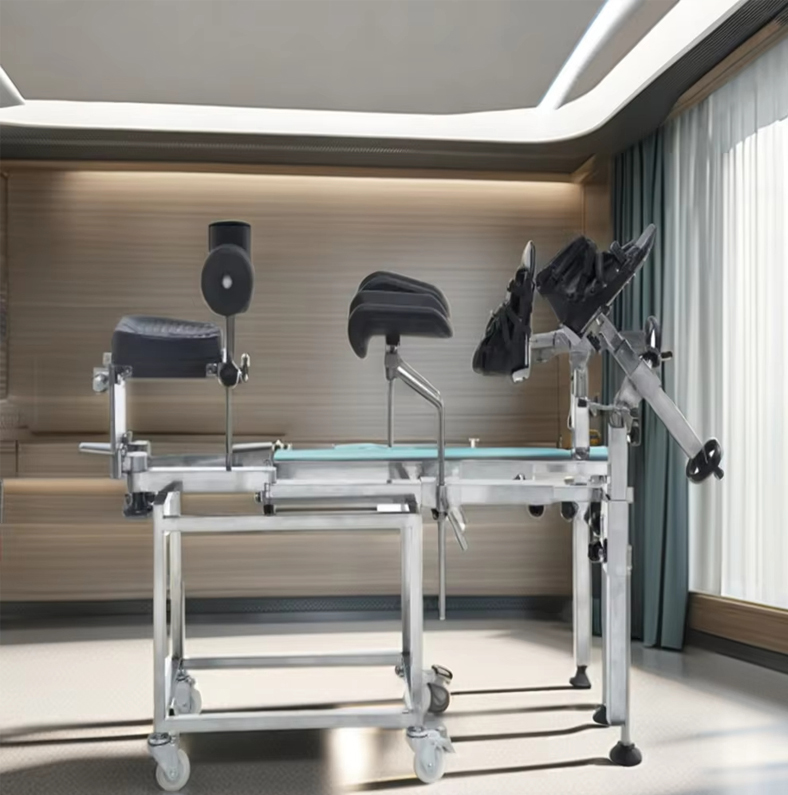
A traction frame is a rigid, adjustable metal structure mounted to a traction bed or hospital bed frame. It provides the mechanical infrastructure needed to direct and sustain pulling forces at precise angles. Without a properly configured frame, consistent traction cannot be maintained.
The main components of a traction frame include:
Most modern traction frames are modular and compatible with standard hospital beds, though specialized traction beds are preferred for long-term use. The frame must be inspected at least every 8 hours by nursing staff to confirm that ropes are unobstructed, weights are hanging freely, and the patient has not shifted out of alignment.
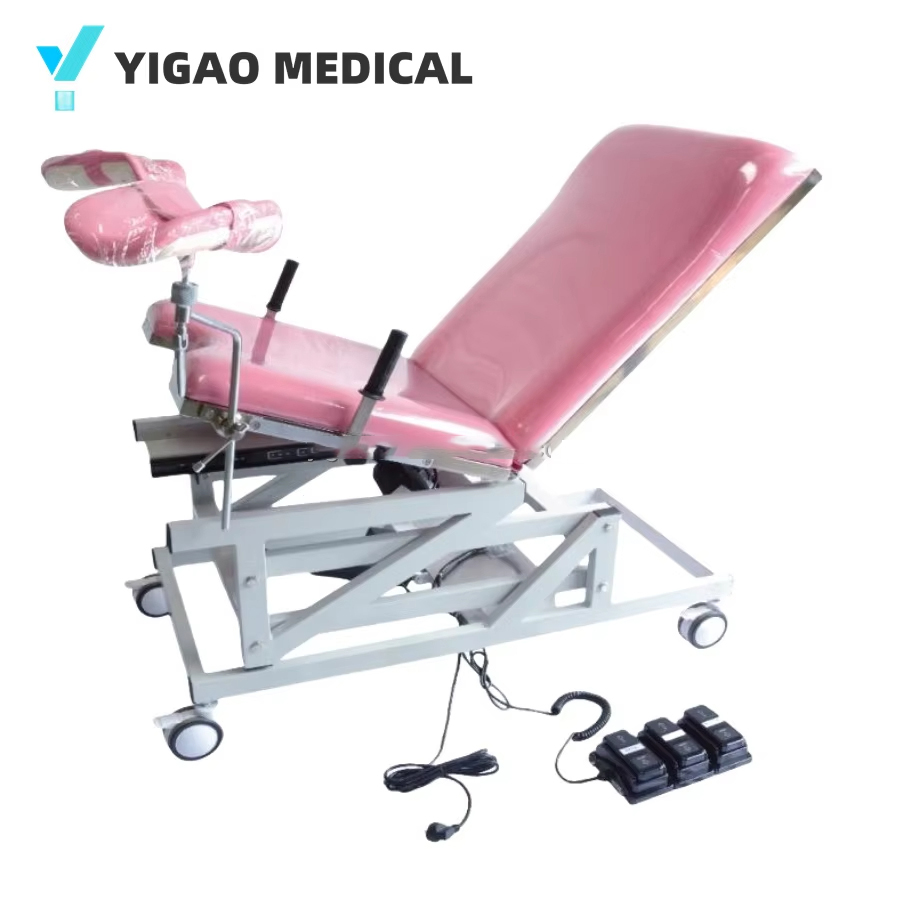
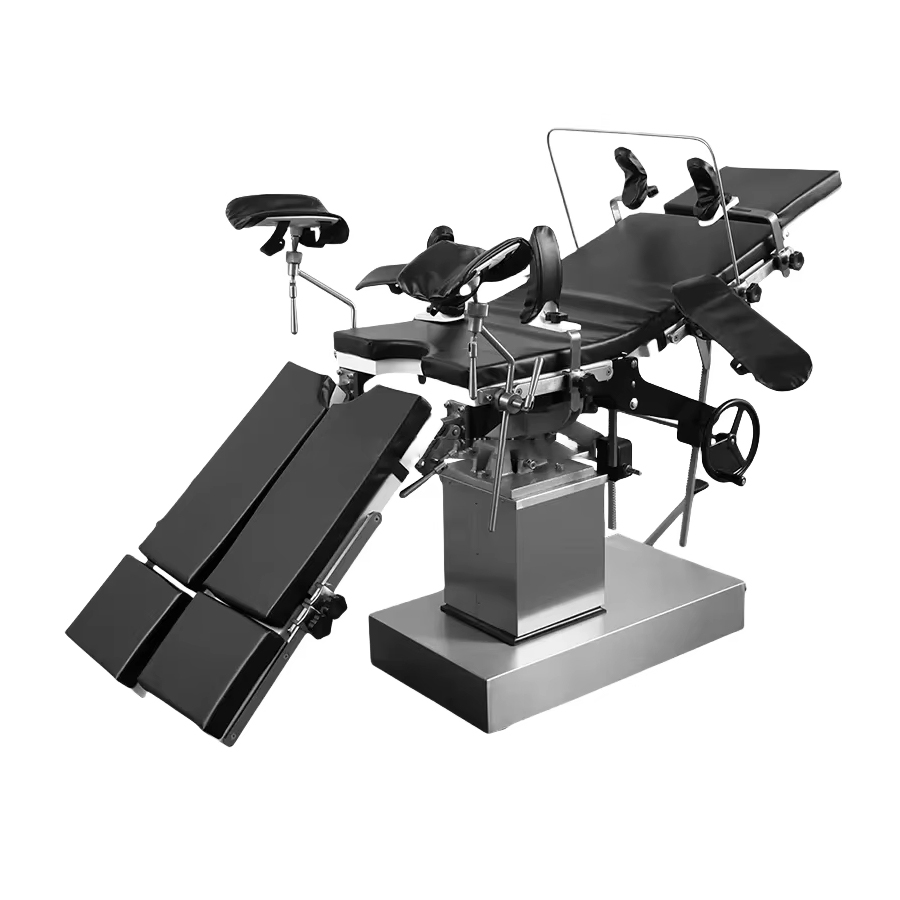
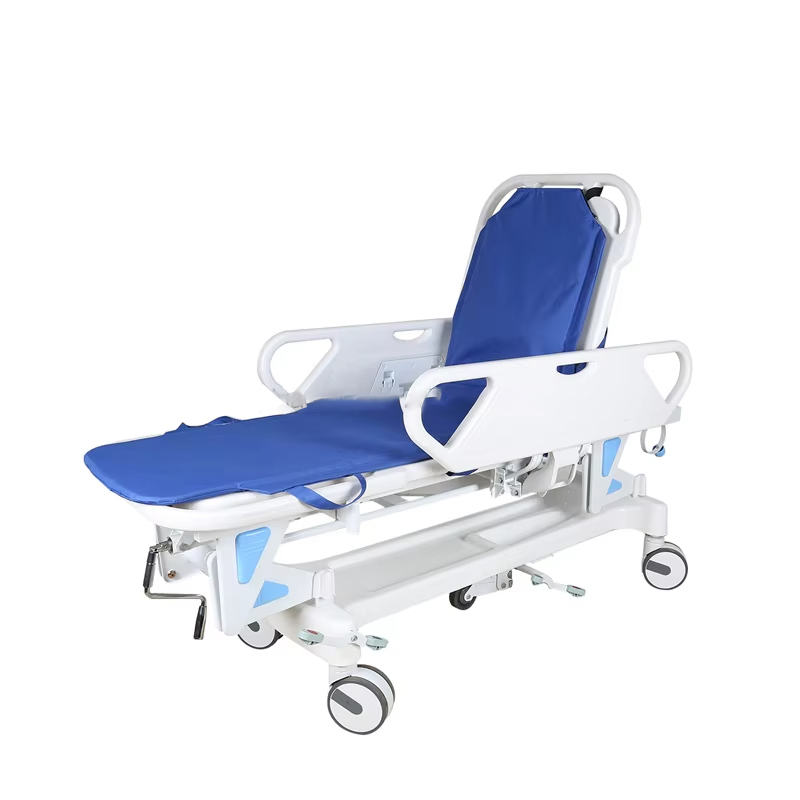
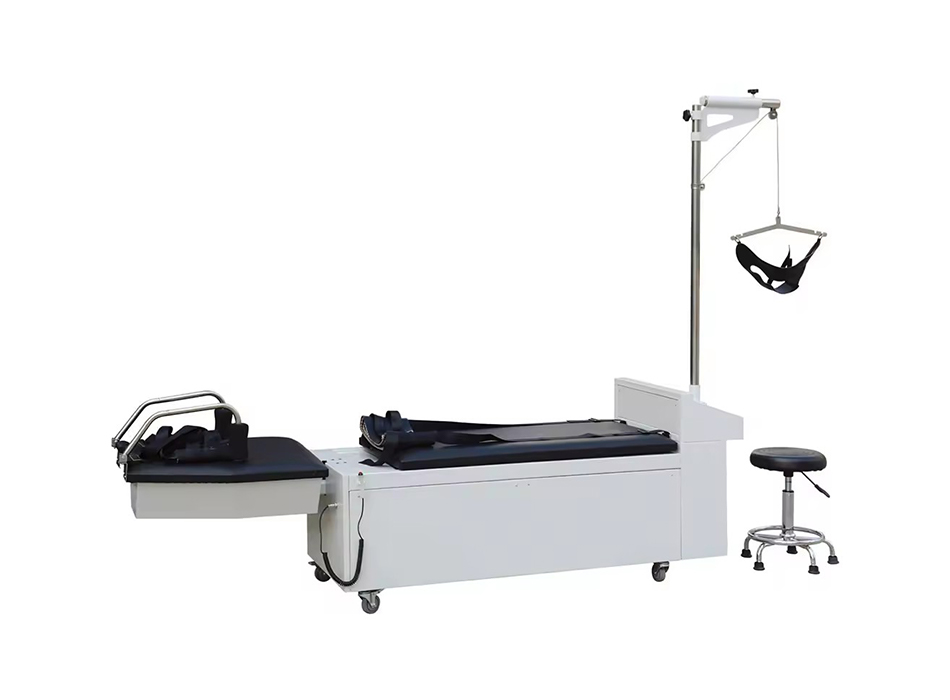
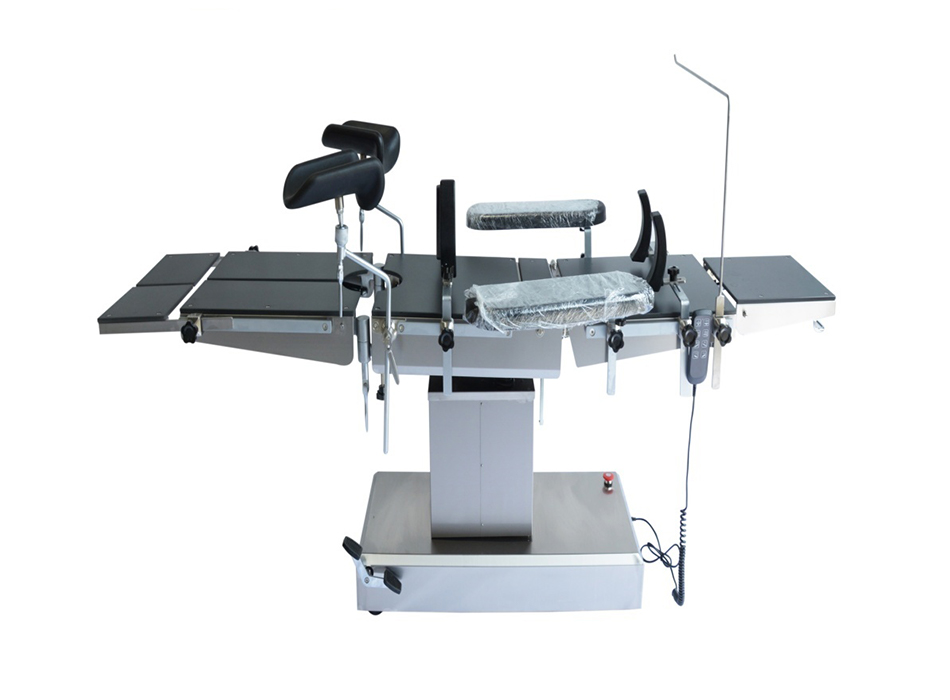
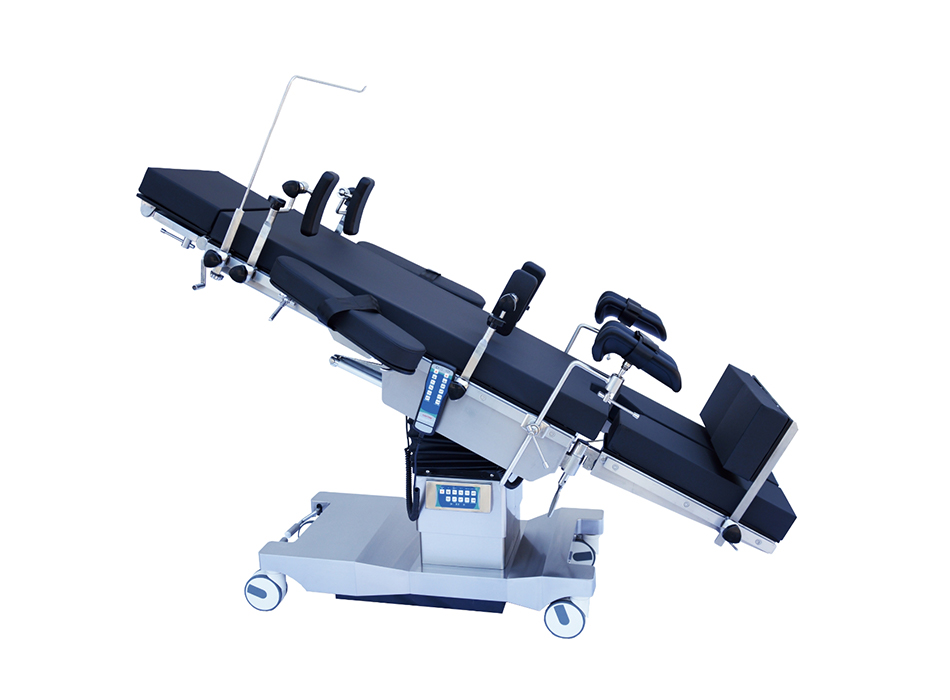
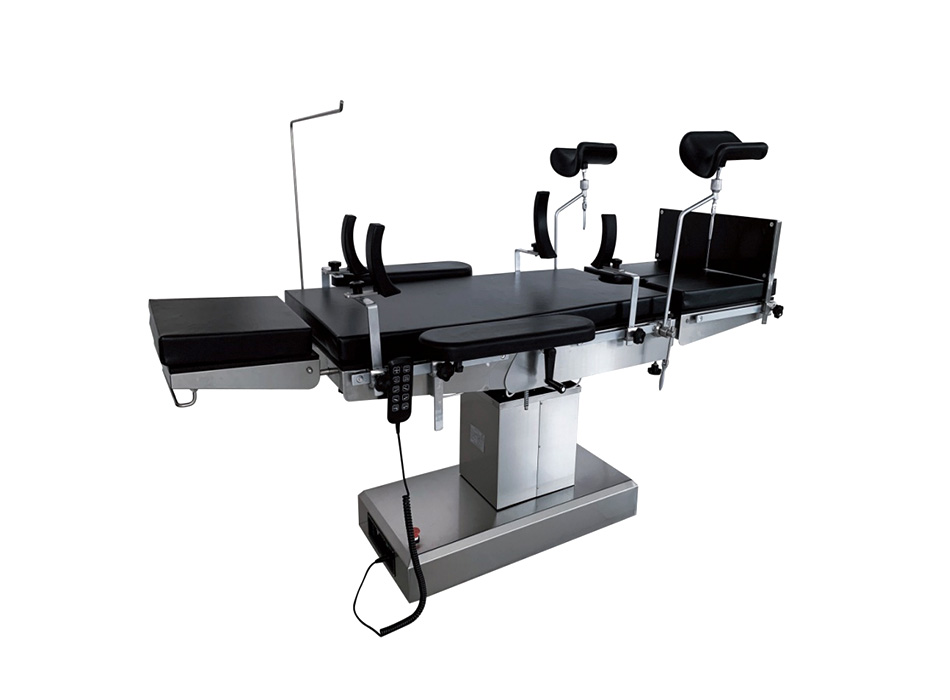
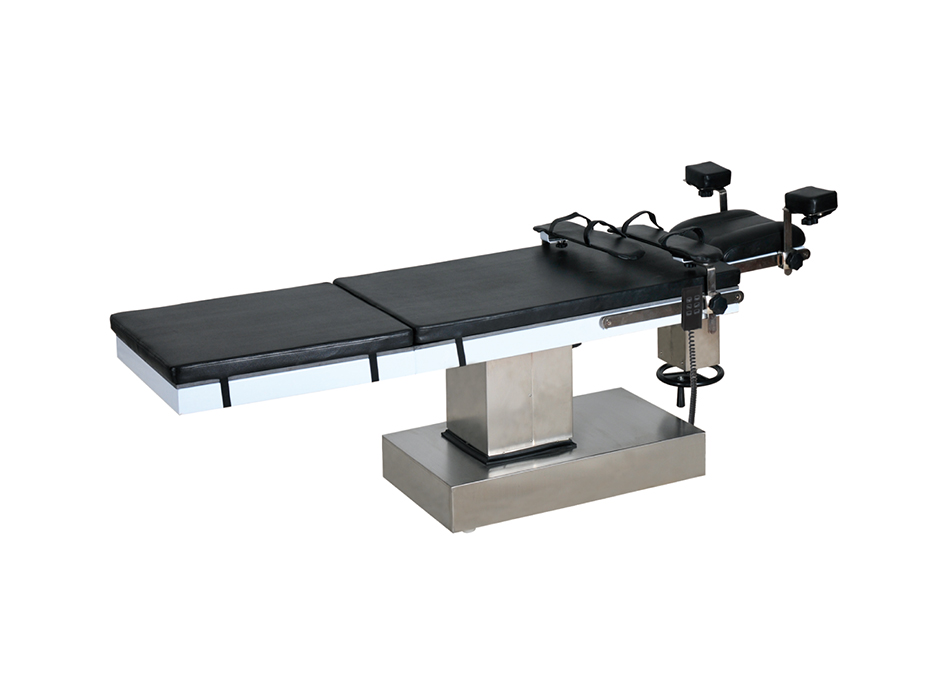
A traction bed is a hospital bed specifically designed or adapted to support long-term orthopedic traction. Unlike a standard hospital bed, a traction bed features a reinforced frame capable of bearing the mechanical stress of traction equipment, as well as specific attachment points for uprights and pulleys.
Key features of a dedicated traction bed include:
In resource-limited settings, a standard hospital bed can be modified using a Balkan frame — a freestanding overhead structure — to approximate the function of a dedicated traction bed. However, purpose-built traction beds offer superior stability and patient safety outcomes, particularly for skeletal traction requiring weeks of continuous force application.
Correct setup and maintenance of orthopedic traction is critical for efficacy and patient safety. The following sequence is used in most hospital settings:
Weights must never be removed without a physician's order, as sudden release can cause bone fragments to displace or muscle spasm to worsen. Ropes must hang freely without touching the bed or floor, as any obstruction reduces the effective traction force.
While medical traction is generally safe, prolonged immobilization and mechanical forces introduce several risks. Awareness and proactive nursing care are essential to minimize complications.
Skin traction adhesives and prolonged pressure can cause pressure ulcers, skin maceration, or blistering. Bony prominences such as the heel, sacrum, and malleoli are highest risk. Pressure injury rates in traction patients can reach 15–20% without active prevention protocols. Repositioning (within traction limits), foam padding, and pressure-relieving mattresses are standard countermeasures.
Excessive traction force or incorrect positioning can compress nerves or impair blood flow. The peroneal nerve is particularly vulnerable in lower limb traction, with foot drop being a reported complication. Nurses must assess for the "five Ps": pain, pallor, pulselessness, paresthesia, and paralysis — every 2–4 hours.
Skeletal pin sites are at risk of infection, with superficial infection rates reported between 5 and 30% depending on the pin site and care protocol. Daily pin site care using sterile technique and prescribed cleansing agents is mandatory. Signs of deep infection — purulent discharge, erythema extending beyond 1 cm, or loosening of the pin — require immediate physician notification.
Immobility associated with prolonged traction significantly increases DVT risk. Prophylaxis with low-molecular-weight heparin, compression stockings, and ankle exercises is standard for most adult patients in skeletal traction lasting more than 48 hours.
The role of traction has evolved significantly over the past 30 years. While surgical fixation (intramedullary nailing, ORIF) is now preferred for many fractures due to shorter recovery and lower complication rates, traction remains indispensable in specific situations:
A 2020 meta-analysis in Injury found that skeletal traction achieved acceptable fracture alignment in over 85% of pediatric femoral fracture cases treated non-operatively, with union typically occurring within 6–8 weeks. For adult femoral fractures, however, intramedullary nailing now achieves superior outcomes with significantly shorter hospitalization.
Prolonged bed rest in a traction bed presents significant psychological and physical challenges for patients. Boredom, anxiety, muscle atrophy, constipation, and respiratory complications are all documented consequences of extended immobilization. A comprehensive nursing care plan addresses all body systems:
Patient education is equally critical. Patients must understand what they can and cannot do in traction, how to use the trapeze bar safely, and what symptoms — such as numbness, increased pain, or color changes in the limb — require immediate reporting to nursing staff.
If you are interested in our products, please consult us
Copyright © 2026 Jiangsu Yigao Medical Equipment Technology Co., Ltd.

Custom Electric Medical Bed Manufacturers
The information provided on this website is intended for use only in countries and jurisdictions outside of the People's Republic of China.