Welcome to Jiangsu Yigao Medical


 ENG
ENG

 English
 Español
Welcome to Jiangsu Yigao Medical

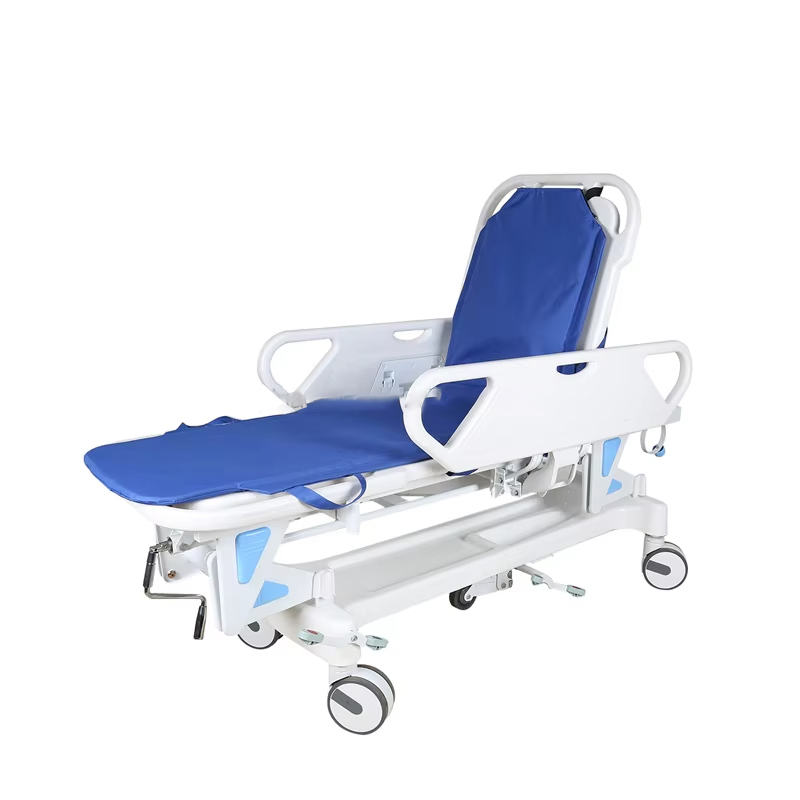
Hospital beds are collectively referred to as medical beds or clinical beds, and they fall into several distinct categories depending on their function, adjustability, and care setting. The most common types include manual hospital beds, semi-electric hospital beds, and fully electric hospital beds. Understanding the right terminology helps patients, caregivers, and procurement teams choose the most appropriate equipment for their needs.
In short: a "hospital bed" is a broad term. Clinically, these beds are further classified by their mechanism (manual vs. electric), their care application (ICU bed, bariatric bed, birthing bed), and their setting (acute care, long-term care, home care). The electric hospital bed is the most widely used in both clinical facilities and home healthcare today.
The general term "hospital bed" is widely accepted in everyday language, but within the healthcare industry, more specific names are used. Here are the most common official and colloquial terms:
Each term carries a slightly different implication about the bed's use case, level of technology, or the care environment it belongs to.
Hospital beds are categorized primarily by how they are adjusted and what patient population they serve. Below is a breakdown of the most recognized types:
A manual hospital bed relies on hand cranks to adjust the head, foot, and height of the bed. These are the most affordable option and are still widely used in developing countries and low-resource settings. Adjustments require physical effort from a caregiver, which can be time-consuming in fast-paced clinical environments.
A semi-electric hospital bed uses an electric motor to adjust the head and foot sections, while the overall height is still adjusted manually. This is a common choice for home use due to its lower cost compared to fully electric models, while still offering significant convenience for caregivers and patients.
The fully electric hospital bed is the most feature-rich type, allowing motorized adjustment of the head position, foot position, and overall bed height — all via a remote handset or nurse call panel. These beds are the standard in modern acute care hospitals and intensive care units. Patients with limited mobility can operate them independently, which supports patient autonomy and recovery.
Specifically designed for patients weighing over 350 lbs (approximately 160 kg), bariatric hospital beds feature reinforced frames, wider sleeping surfaces (typically 39–54 inches wide), and higher weight capacities — often between 600 and 1,000 lbs. They are also electric and include all standard adjustment features.
Intensive care unit beds are advanced electric hospital beds with integrated features such as built-in scales, cardiac chair positioning, lateral tilt functions, and connectivity to monitoring systems. Leading ICU beds like the Hill-Rom Progressa and Stryker InTouch can cost between $15,000 and $40,000 per unit.
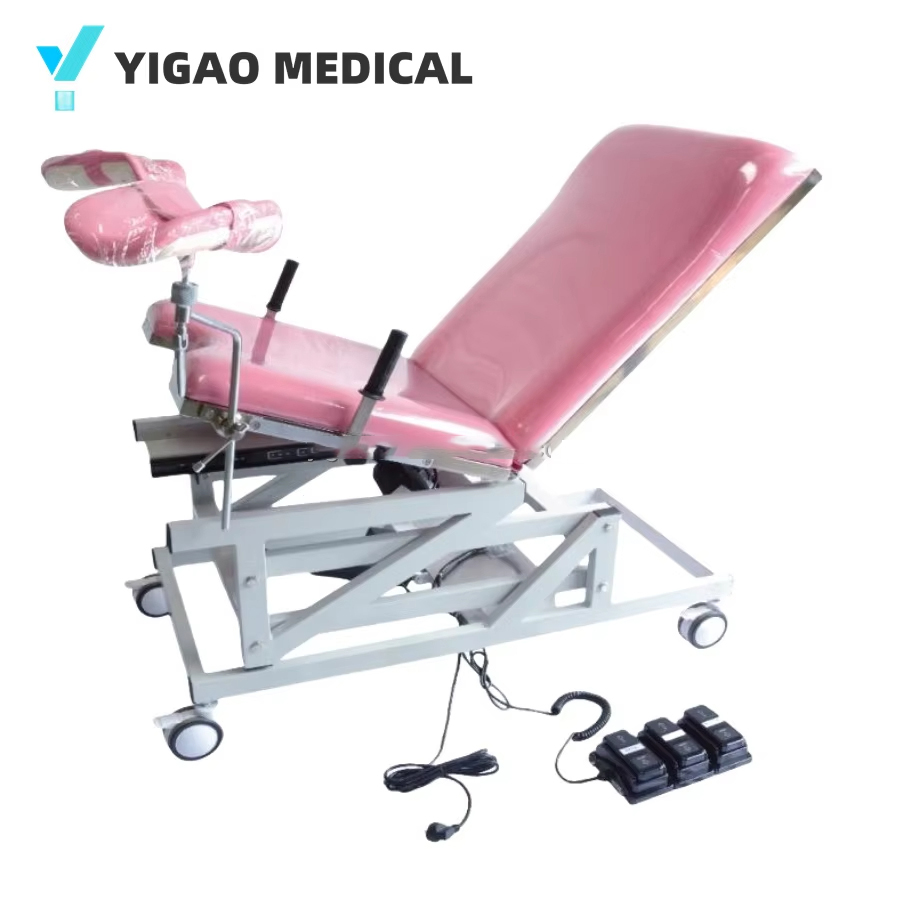
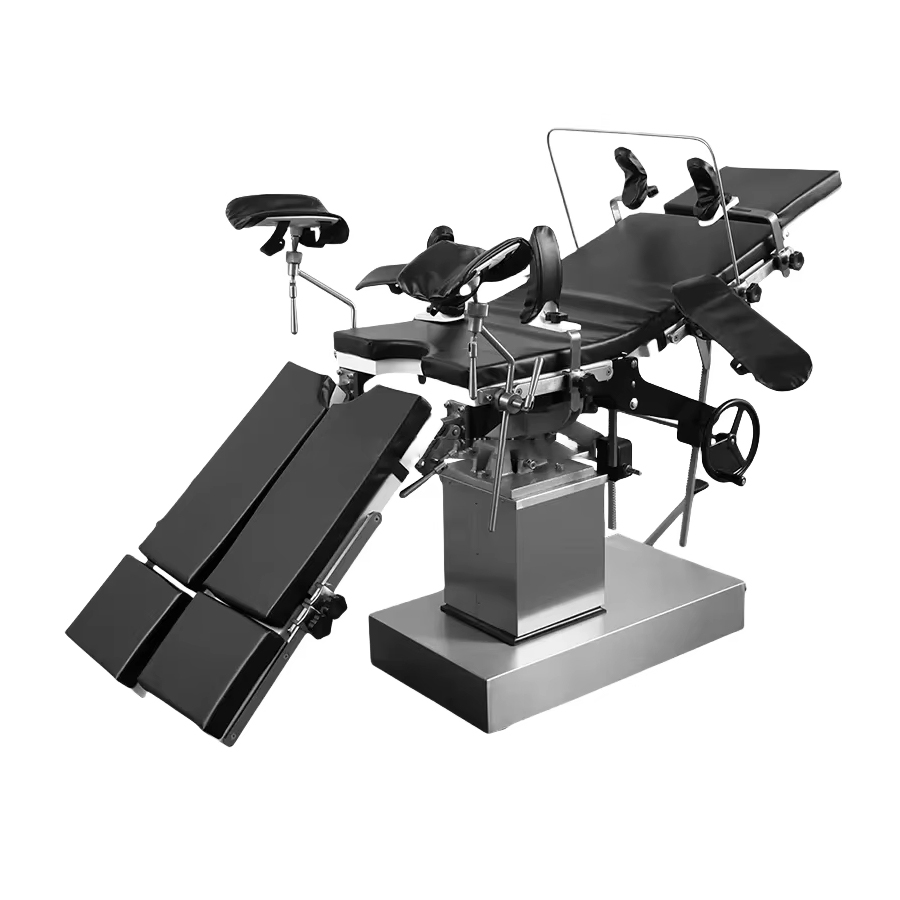
Also called a labor and delivery bed, this type transforms to support multiple stages of childbirth — labor, delivery, and recovery — all in one unit. The foot section can be removed or repositioned, and stirrups and accessories can be attached as needed.
Designed for children, pediatric beds are smaller in size and often include safety rails on all four sides, bright colors or child-friendly aesthetics, and lower height ranges to reduce fall risk. Some are sized for infants, while others accommodate children up to approximately 12 years old.
These are scaled-down versions of clinical hospital beds intended for use in a patient's home. They are available in manual, semi-electric, and fully electric configurations and typically comply with Medicare DME (Durable Medical Equipment) standards in the United States. They are narrower and lighter than full clinical models to fit through standard home doorways.
| Bed Type | Adjustment Mechanism | Common Setting | Approx. Cost Range |
|---|---|---|---|
| Manual Hospital Bed | Hand crank | Low-resource clinics, home care | $500 – $1,500 |
| Semi-Electric Hospital Bed | Electric (head/foot) + manual (height) | Home care, skilled nursing | $1,000 – $3,000 |
| Fully Electric Hospital Bed | Fully motorized | Acute care, hospitals, home | $2,500 – $10,000+ |
| Bariatric Bed | Fully electric | Hospitals, long-term care | $4,000 – $12,000 |
| ICU / Critical Care Bed | Fully electric + advanced functions | Intensive care units | $15,000 – $40,000 |
| Home Care Bed | Manual, semi-electric, or full electric | Residential home care | $500 – $5,000 |
The electric hospital bed has become the gold standard in patient care because of its versatility and ease of use. Here are the defining features that distinguish it from other bed types:
According to the World Health Organization (WHO), falls are the second leading cause of unintentional injury deaths globally, and proper use of adjustable hospital beds with exit alarms can significantly reduce in-hospital fall incidents.
In a hospital setting, beds are often named based on the ward or care unit they belong to rather than the bed's technical type. For example:
This naming convention helps staff quickly communicate about bed availability and allocation during patient admissions and transfers.
For home care buyers and facility procurement teams, choosing the right hospital bed type depends on several factors. Here is a practical framework:
Hospital bed dimensions vary slightly between manufacturers, but the following are widely accepted standard measurements:
| Bed Type | Width | Length | Height Range | Weight Capacity |
|---|---|---|---|---|
| Standard Hospital Bed | 36 in (91 cm) | 80 in (203 cm) | 12–30 in | 250–450 lbs |
| Wide / Bariatric Bed | 39–54 in (99–137 cm) | 80–88 in (203–224 cm) | 12–28 in | 600–1,000 lbs |
| Pediatric Bed | 27–33 in (68–84 cm) | 54–72 in (137–183 cm) | 10–24 in | up to 250 lbs |
The global hospital bed market was valued at approximately $3.2 billion in 2023 and is projected to grow to over $4.5 billion by 2030, driven largely by aging populations and expanding home healthcare needs. Leading manufacturers include:
No hospital bed functions optimally without the right accessories. The following are commonly used with both standard and electric hospital beds:
A hospital bed can be adjusted in multiple dimensions (head angle, foot angle, overall height), includes locking side rails, and is designed for clinical or assisted care. A regular bed has a fixed flat surface and no built-in safety or adjustability features.
In the United States, Medicare Part B covers 80% of the approved rental cost for a hospital bed classified as Durable Medical Equipment (DME) when a physician prescribes it as medically necessary. Patients are responsible for the remaining 20% after the deductible. Fully electric models require documented medical justification beyond what a semi-electric bed would provide.
With proper maintenance, a quality electric hospital bed typically lasts 10 to 15 years in a clinical environment and up to 20 years in home care settings where usage is less intensive. The motors and actuators are the most common components requiring replacement over time.
Standard hospital beds use a mattress that is 36 inches wide × 80 inches long (also referred to as a "long twin" or "extra-long single"). This is slightly narrower than a standard twin mattress (38 inches). Hospital-grade mattresses are also thinner — typically 4–6 inches — to account for the articulating bed frame.
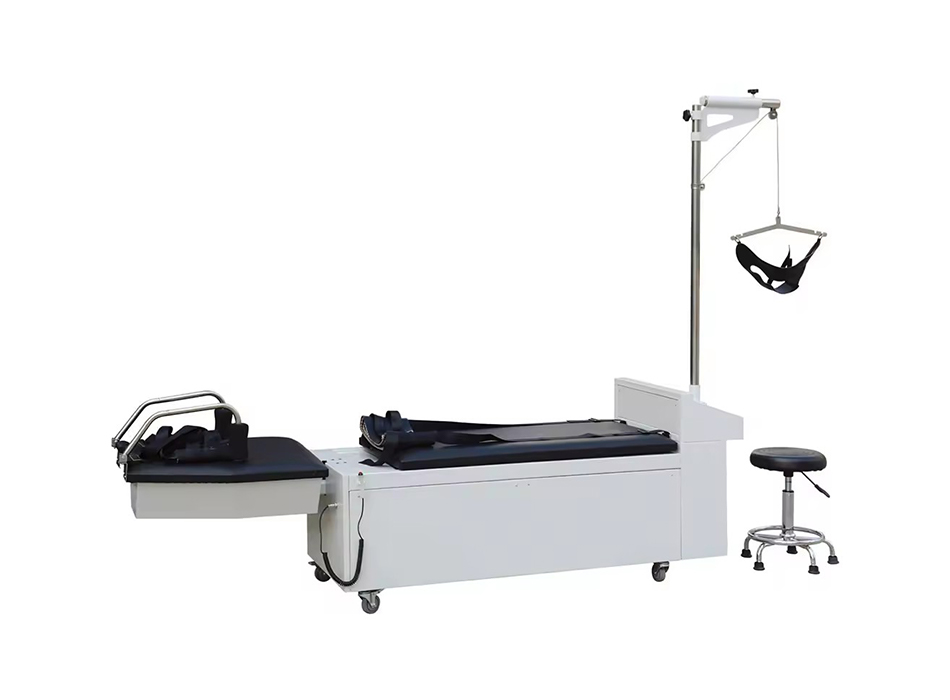
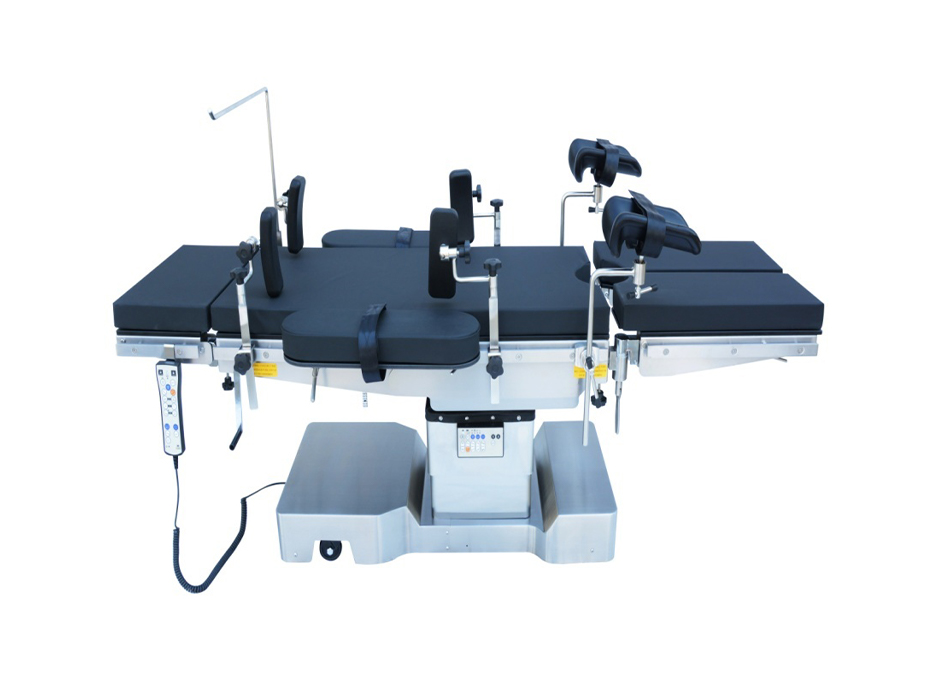
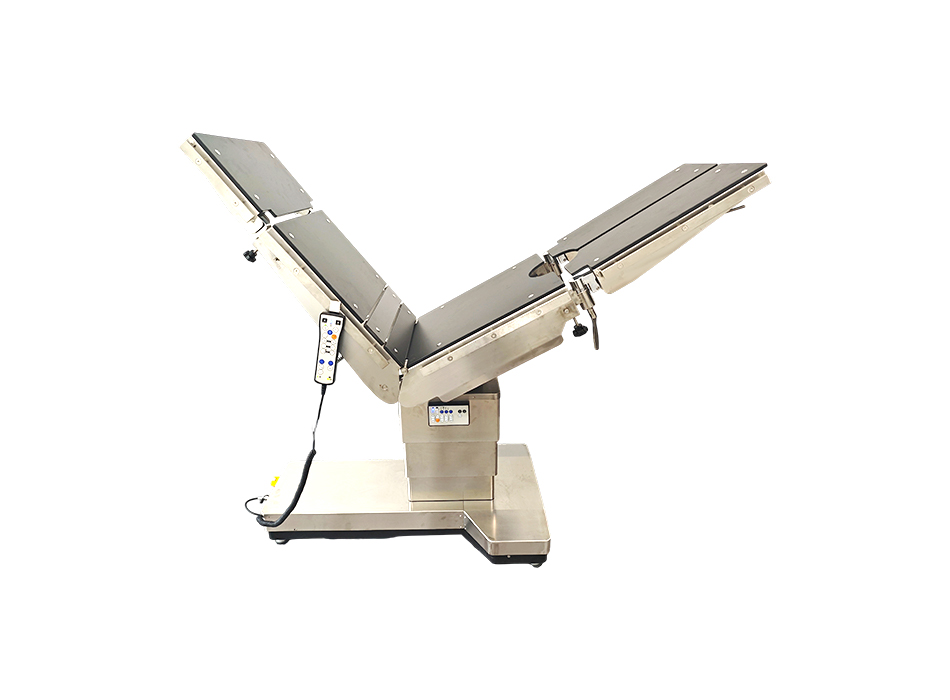
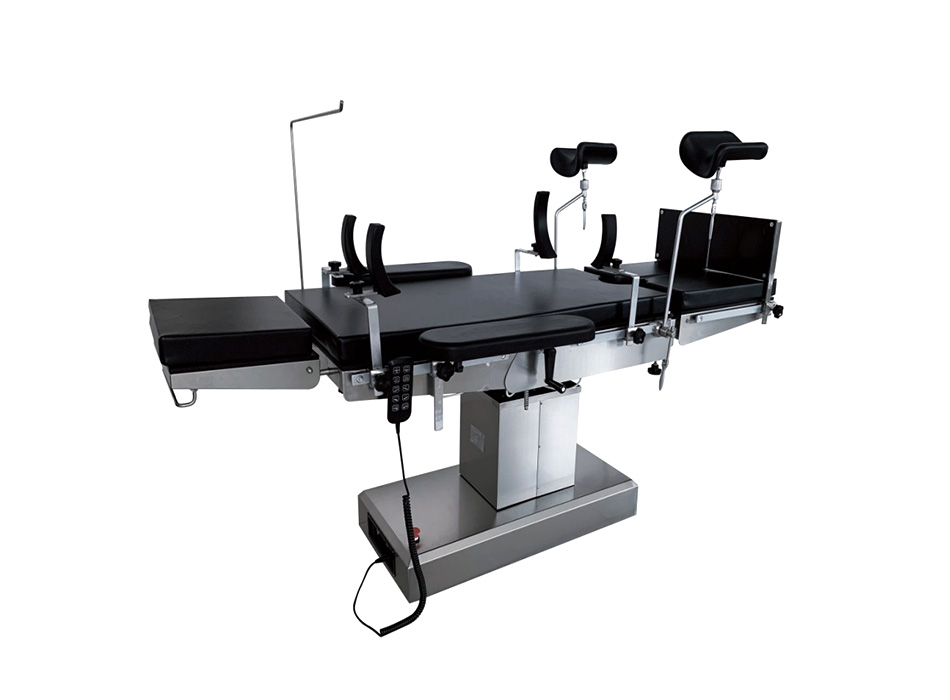
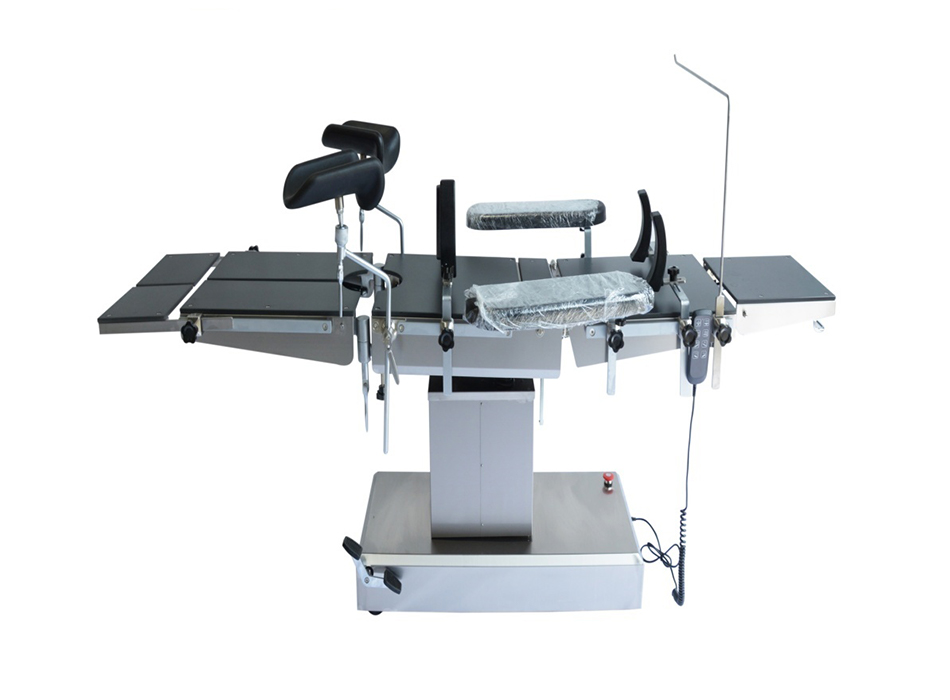
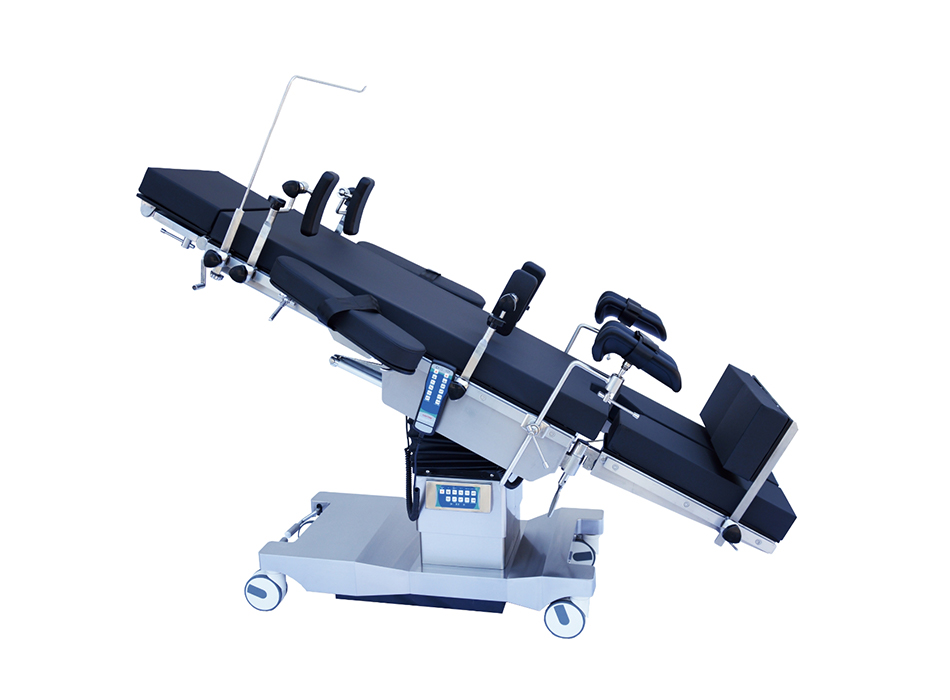
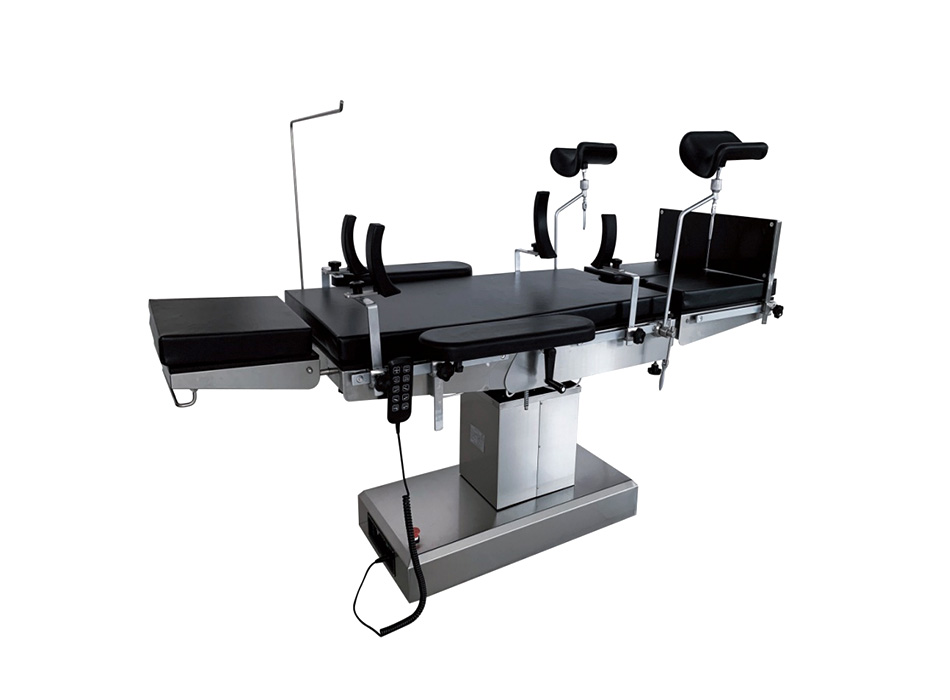
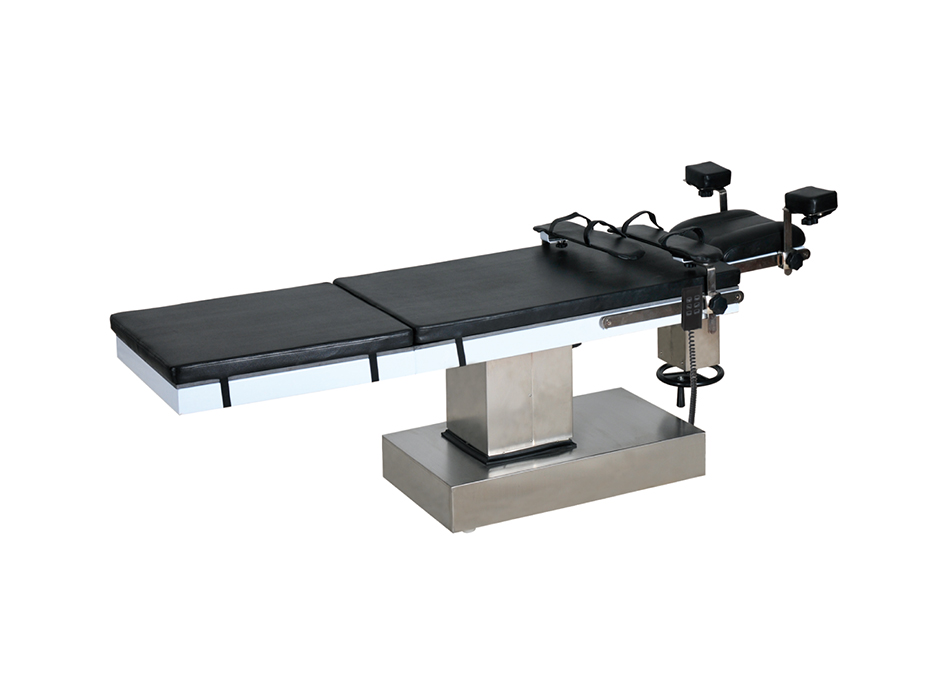
If you are interested in our products, please consult us
Copyright © 2026 Jiangsu Yigao Medical Equipment Technology Co., Ltd.

Custom Electric Medical Bed Manufacturers
The information provided on this website is intended for use only in countries and jurisdictions outside of the People's Republic of China.