Welcome to Jiangsu Yigao Medical


 ENG
ENG

 English
 Español
Welcome to Jiangsu Yigao Medical

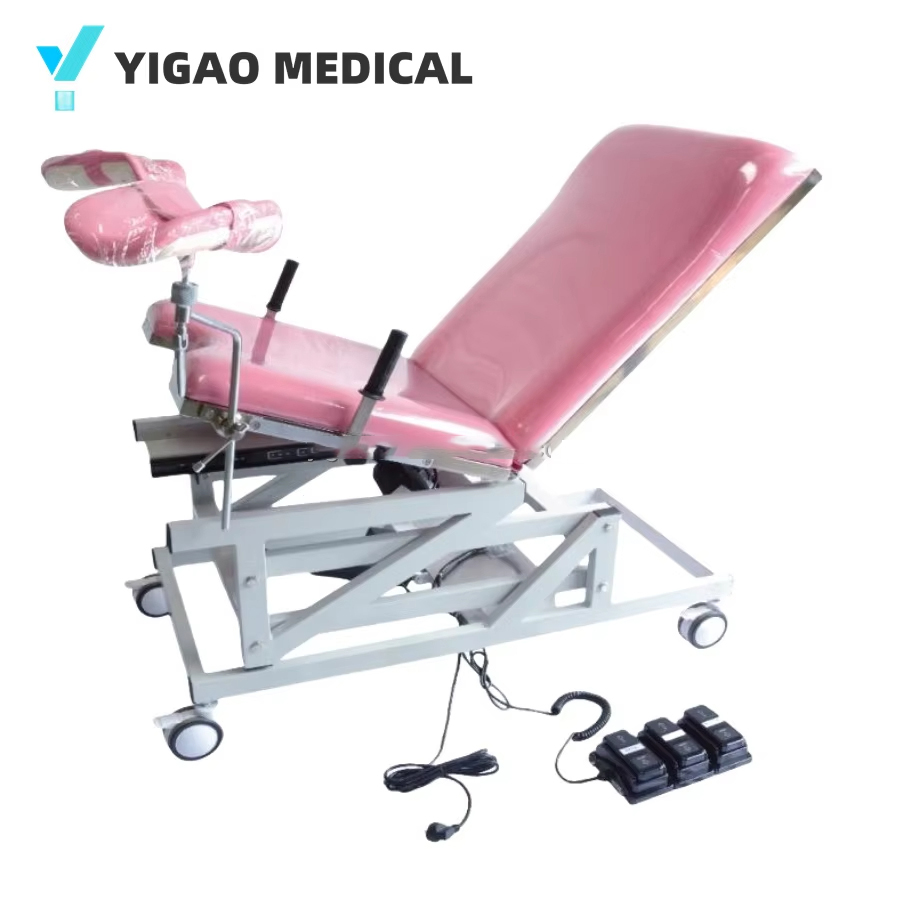
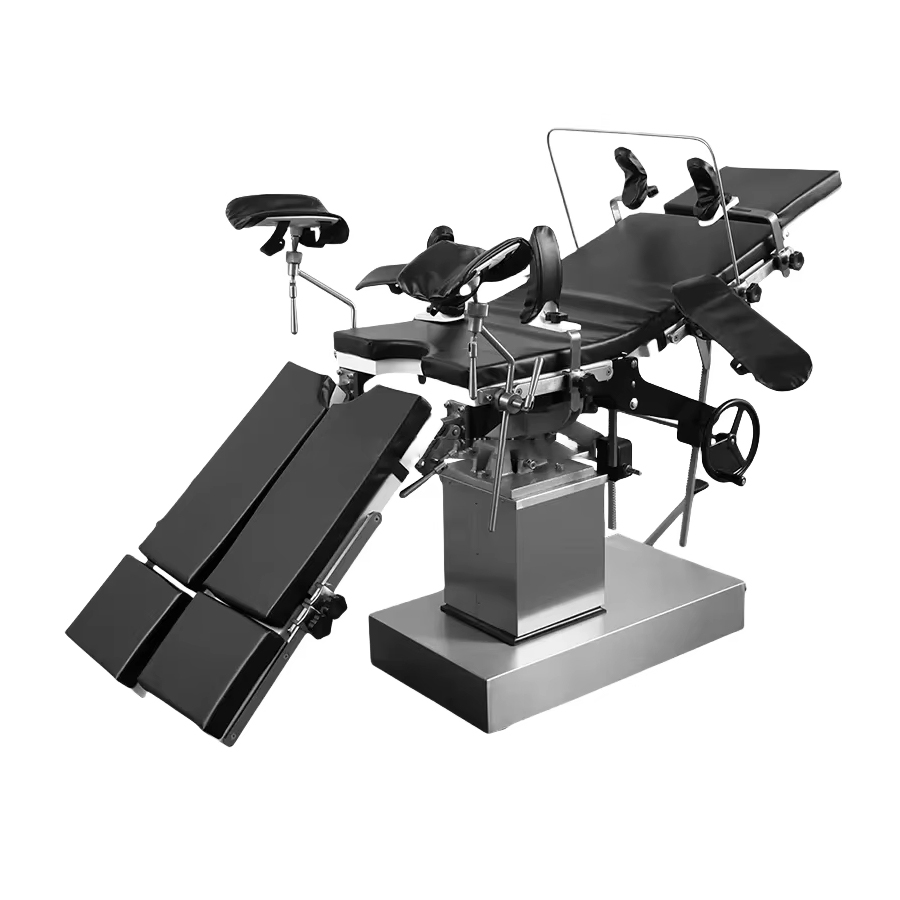
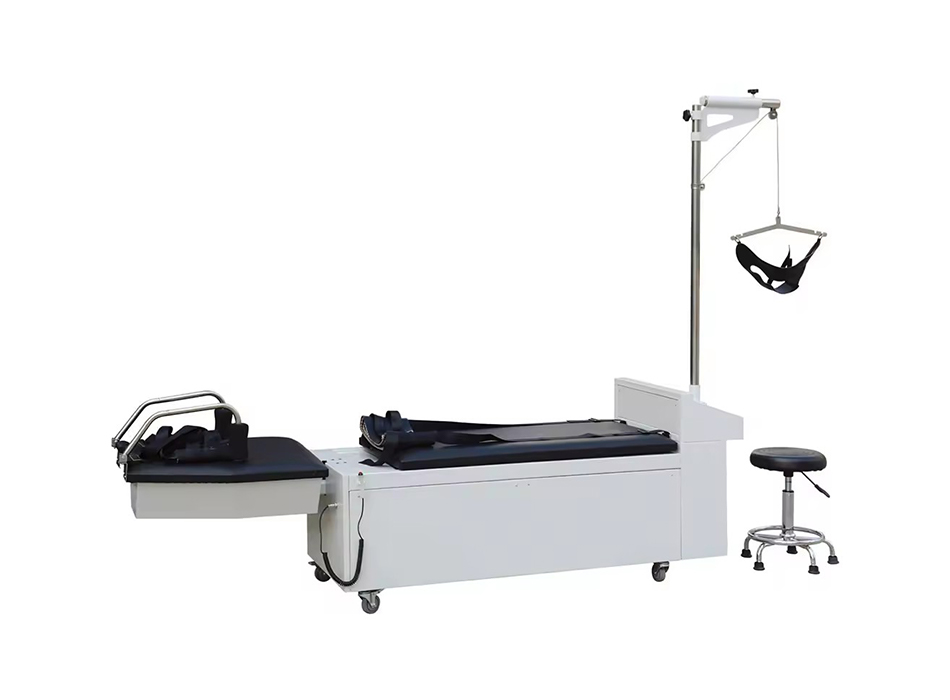
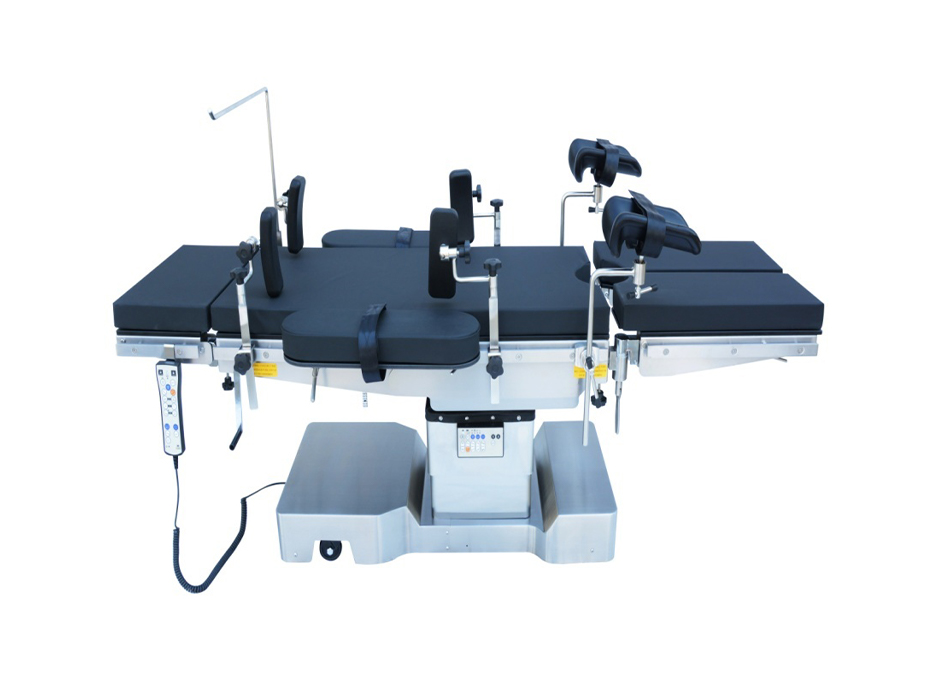
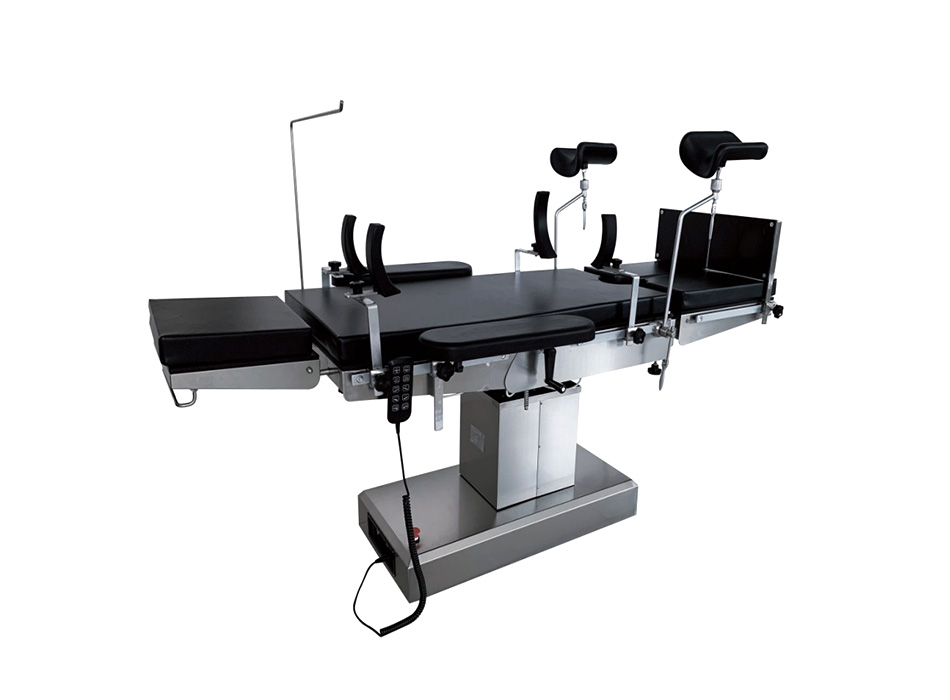
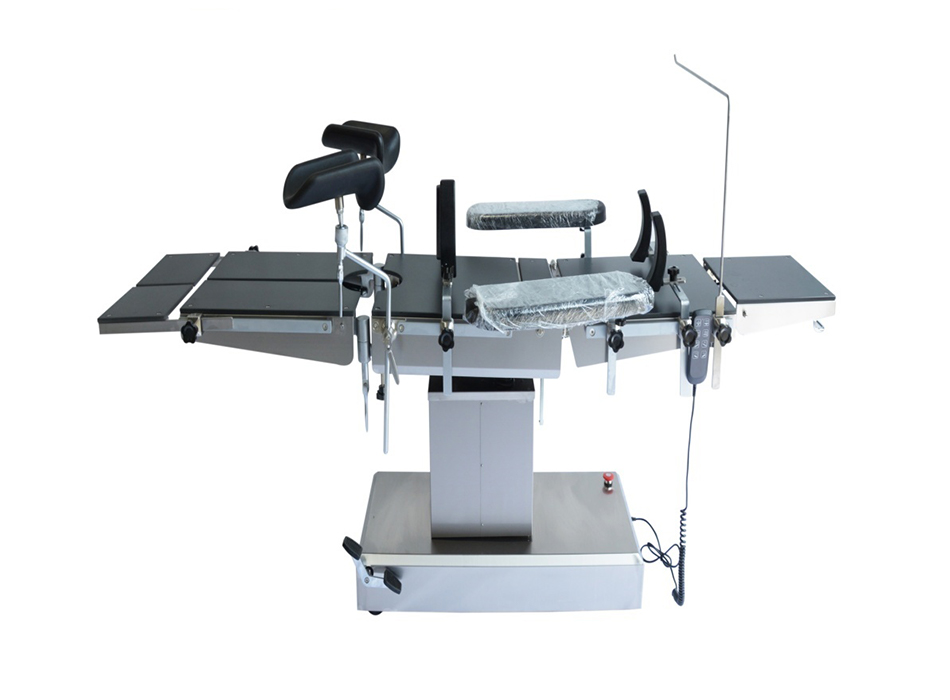
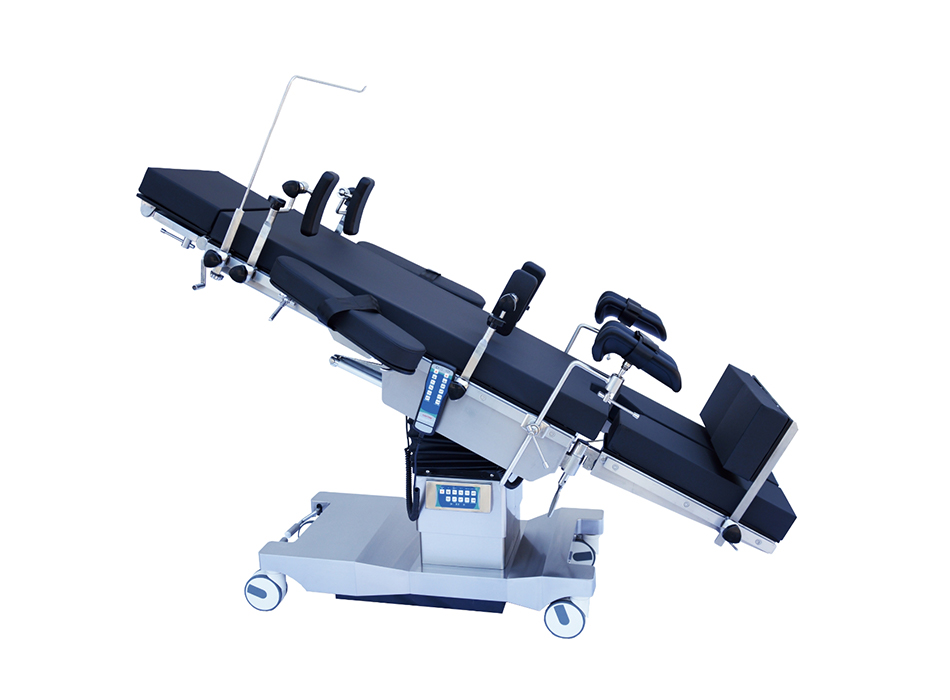
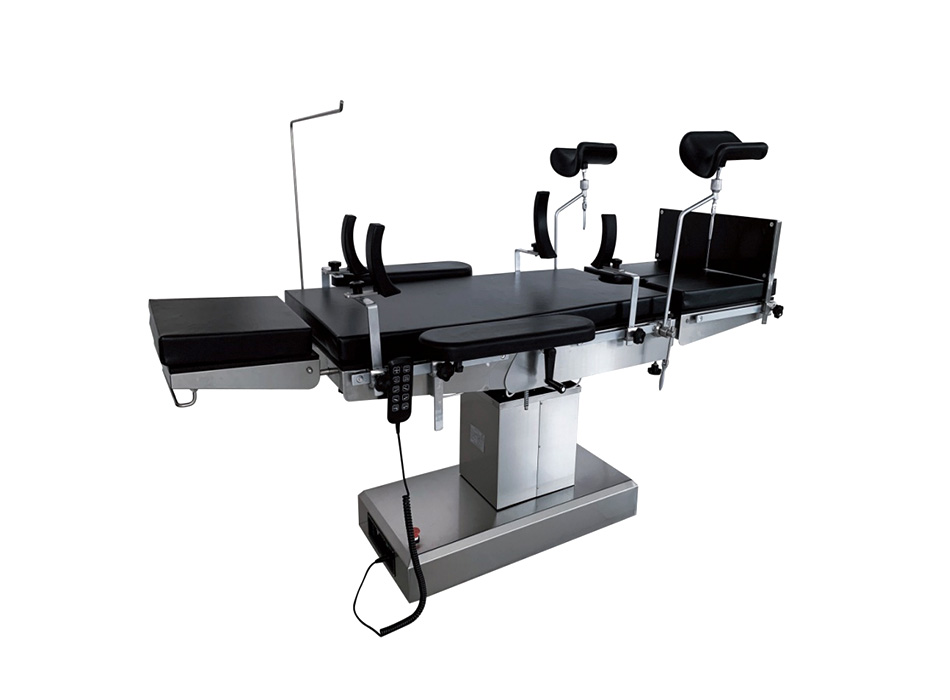
A birthing bed, also called a delivery bed or labor and delivery bed, is a specialized hospital bed built specifically to support a person through labor, delivery, and immediate postpartum recovery. The direct answer to how it differs from a regular hospital bed: a birthing bed has a detachable or sliding foot section that creates open access to the pelvic area during delivery, along with built-in stirrups, labor grips, and an adjustable frame that reconfigures for every stage of childbirth — features a standard hospital bed simply does not have.
Rather than one fixed shape, a birthing bed is designed to transform. The same frame that supports early labor in a reclined or upright position can convert within seconds into a full delivery platform, and then reconfigure again for recovery once the baby has arrived. This adaptability is why birthing beds are standard equipment in labor-delivery-recovery-postpartum (LDRP) units, where a patient may stay in the same room and on the same bed from admission through discharge.
Several structural elements distinguish a birthing bed from general hospital furniture, and understanding them helps explain what each stage of labor actually uses.
The foot of the bed detaches or slides underneath the frame, giving the delivery team direct, unobstructed access to the pelvic region at the moment it's needed most. This single feature is often cited as the most defining difference between a birthing bed and a standard hospital bed.
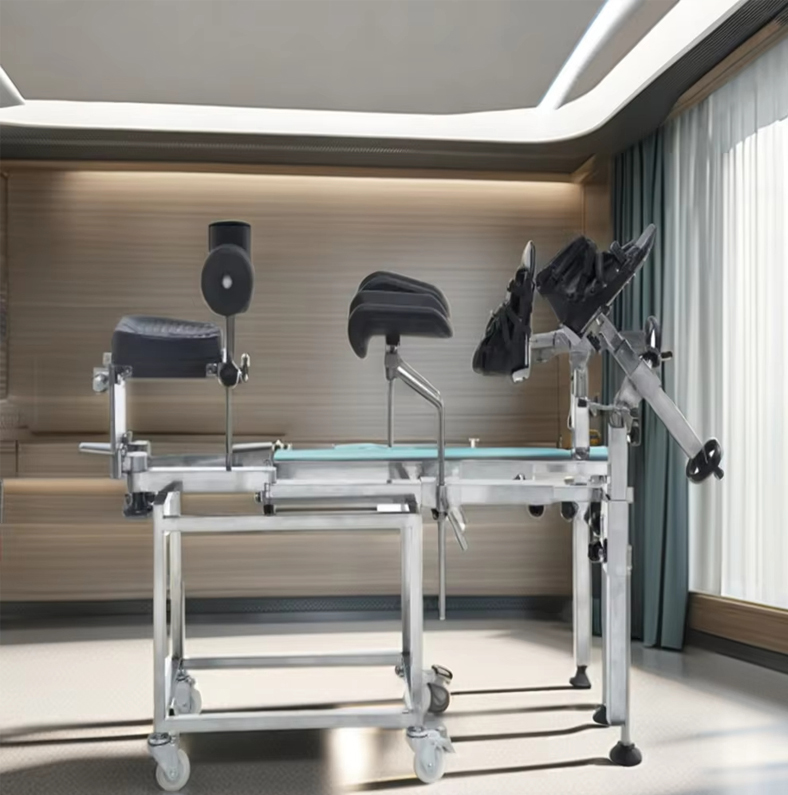
Integrated mounting points hold leg supports or stirrups in place for the traditional lithotomy position, while also allowing quick removal if a different position is preferred.
Handles mounted to the sides of the bed give something sturdy to pull against during contractions and pushing, while a squat bar attaches across the foot of the bed to support upright, gravity-assisted positions.
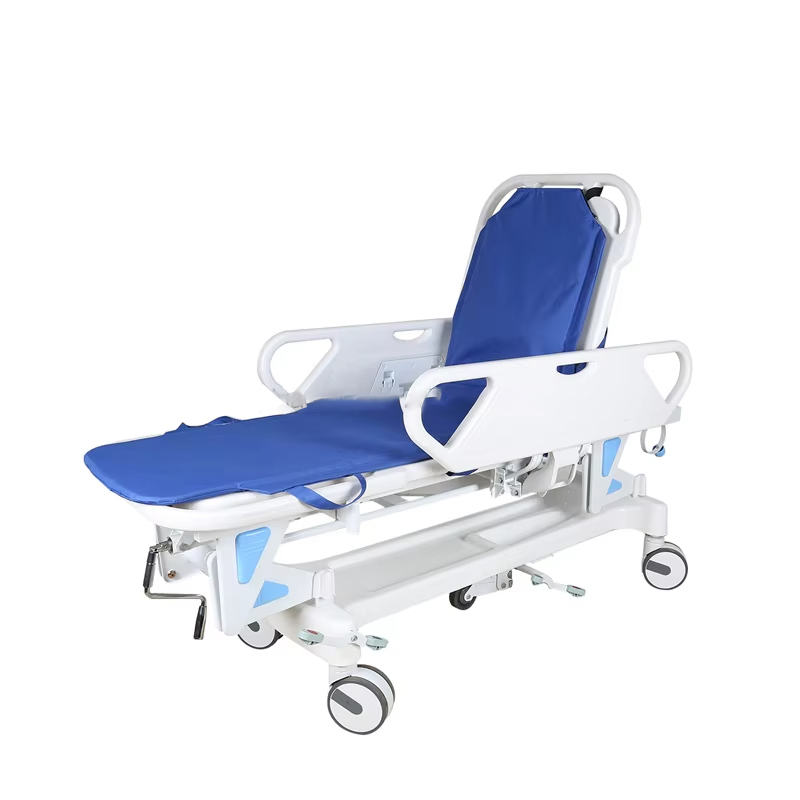
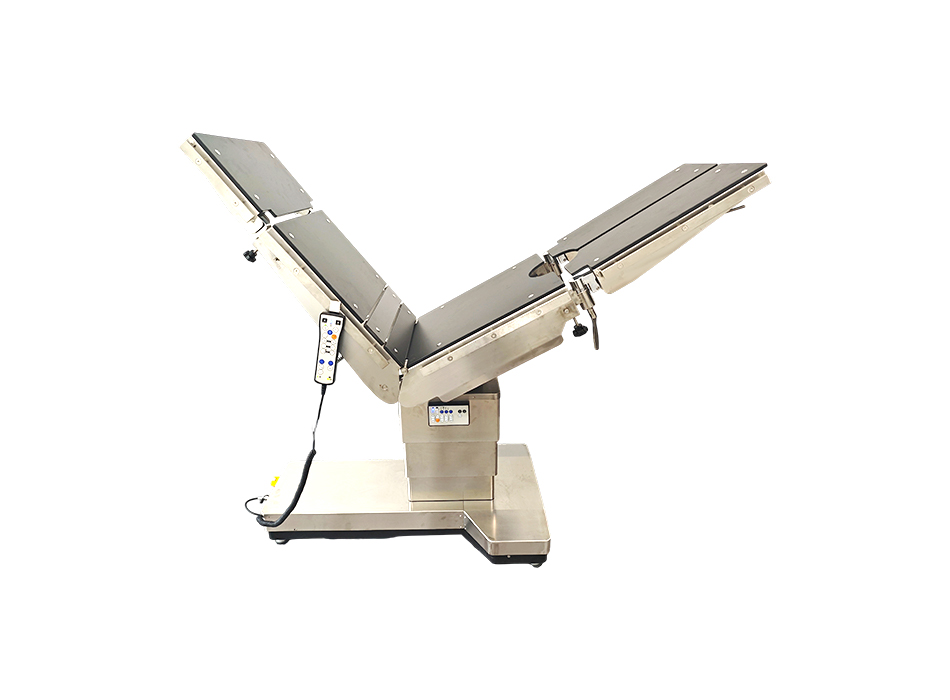
Independently articulating head and foot sections let a patient move between sitting, semi-reclined, and flat positions without leaving the bed, while adjustable height lets the care team work at an ergonomic level throughout labor.
One of the main reasons hospitals moved away from fixed-position delivery tables is that labor rarely progresses best in a single posture. A birthing bed is engineered to move through several positions as labor advances.
| Position | Description | Typical Purpose |
|---|---|---|
| Lithotomy | Reclined with legs raised in stirrups | Traditional delivery position with full pelvic access |
| Upright/seated | Backrest raised to near-sitting angle | Uses gravity to assist labor progression |
| Side-lying | Lying on one side with support pillow or wedge | Comfort and continuous fetal monitoring |
| Squatting | Supported by an attached squat bar | More natural pushing position for some patients |
| Trendelenburg | Whole bed tilted with head lower than feet | Emergency positioning for certain complications |
Which position is used, and when, is a clinical decision made by the care team based on how labor is progressing — the bed's job is simply to make that position possible quickly and safely, without requiring the patient to be moved to a different piece of equipment.
Because labor can shift from routine to urgent within minutes, birthing beds are engineered with rapid-response safety mechanisms alongside their comfort features.
These mechanisms exist precisely because most births are uneventful, but the bed still needs to convert into an emergency-ready configuration within seconds on the rare occasion it's required.
A birthing bed rarely works alone. Most maternity units pair it with supplementary equipment that supports comfort and positioning during different phases of labor.
A person may use several of these tools over the course of labor, and it's normal for the combination to change as contractions intensify or as pain management preferences shift.
Not every birth setting uses a bed in the traditional hospital sense, and knowing the difference helps set expectations depending on where delivery takes place.
Hospital labor and delivery units typically use the adjustable, mechanized birthing bed described above. Freestanding or alongside birth centers, by contrast, often use a birthing couch instead — a more flexible, low-tech piece of furniture that can be arranged as a full-length couch with a cut-away section, folded to support standing labor, or used as a simple sofa for rest. Birth centers tend to favor this style because their model of care emphasizes mobility, active positioning, and a less clinical atmosphere, whereas hospital birthing beds are built to support both physiological birth and rapid conversion for medical intervention if it becomes necessary.
Familiarity with the equipment ahead of time can reduce anxiety once labor begins. A few practical questions are worth raising during a hospital tour or prenatal appointment.
Every birth is different, and hospital equipment exists to support whichever path labor takes — the goal, as one labor and delivery nurse puts it, is a safe birth where the patient feels supported, informed, and respected throughout the process.
If you are interested in our products, please consult us
Copyright © 2026 Jiangsu Yigao Medical Equipment Technology Co., Ltd.

Custom Electric Medical Bed Manufacturers
The information provided on this website is intended for use only in countries and jurisdictions outside of the People's Republic of China.