Welcome to Jiangsu Yigao Medical


 ENG
ENG

 English
 Español
Welcome to Jiangsu Yigao Medical

An electric delivery table is worth the investment when a labor and delivery unit needs faster, hands-free repositioning during active birth and higher patient throughput without added staff strain. Motorized models reposition a patient from flat to full lithotomy in roughly 10–20 seconds using a footswitch or button panel, compared with 1–3 minutes of manual crank turning on a mechanical table. That difference matters most in the two minutes before delivery, when a midwife or obstetrician has both hands occupied and cannot stop to adjust a crank.
The sections below cover positioning ranges, the safety standards a compliant table must meet, how electric models compare with hydraulic and manual alternatives on cost and workflow, and the maintenance routine that keeps a motorized table in service for its full working life.
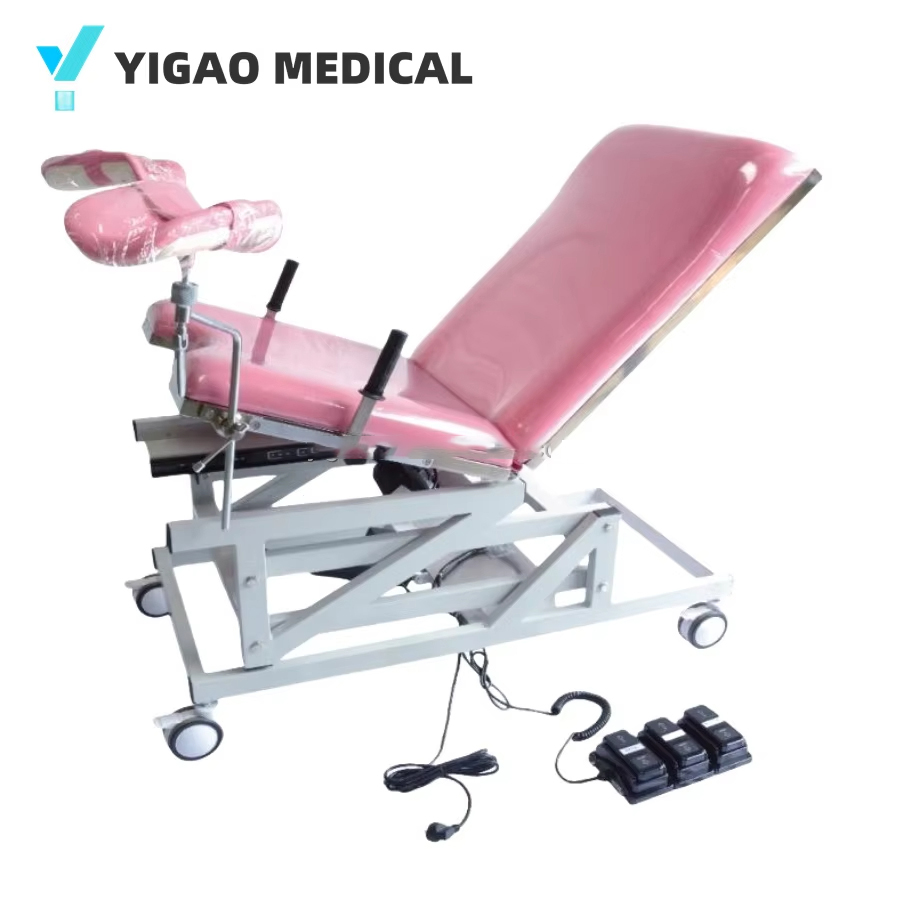
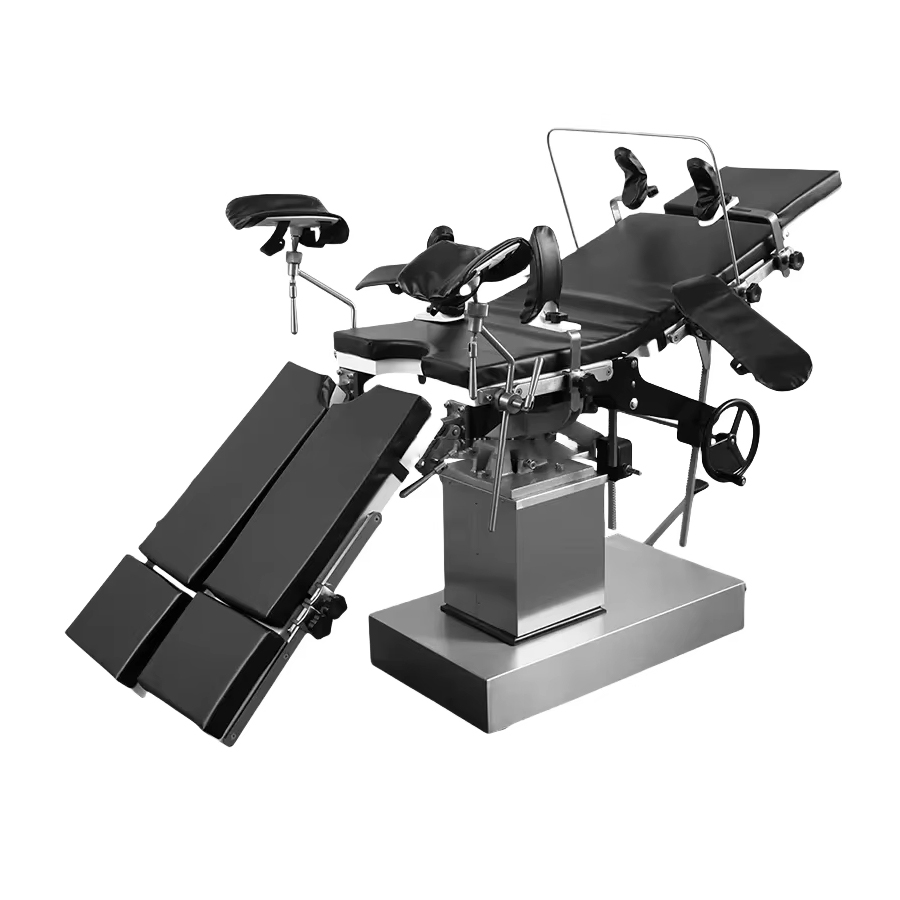
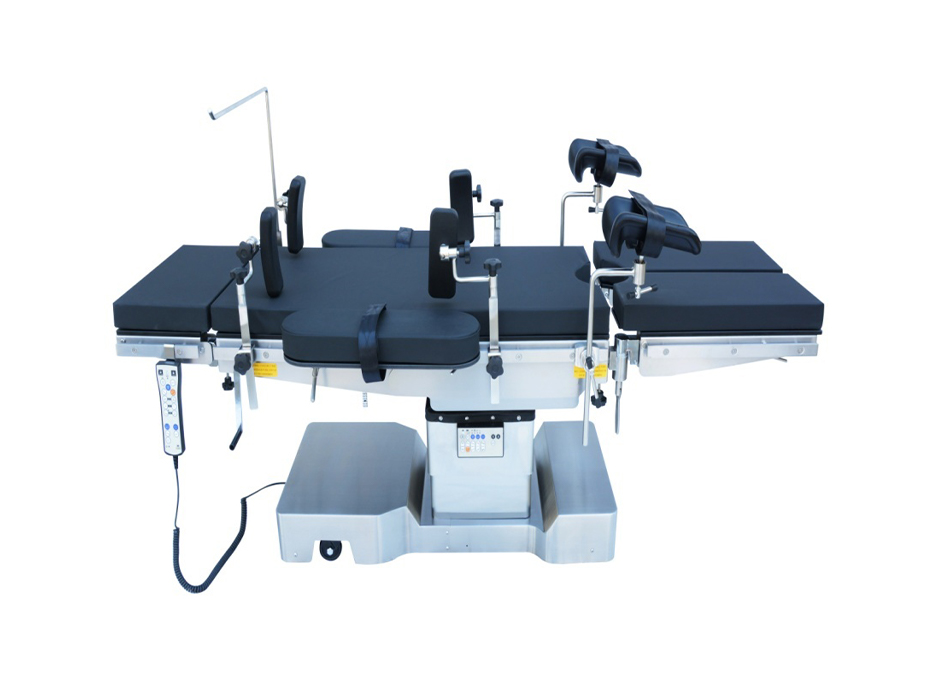
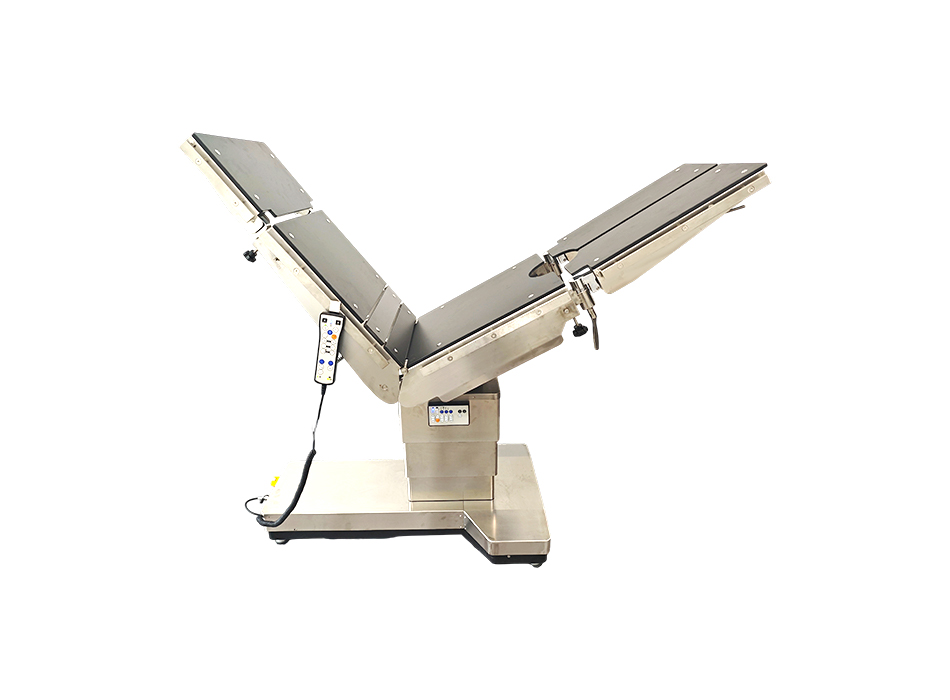
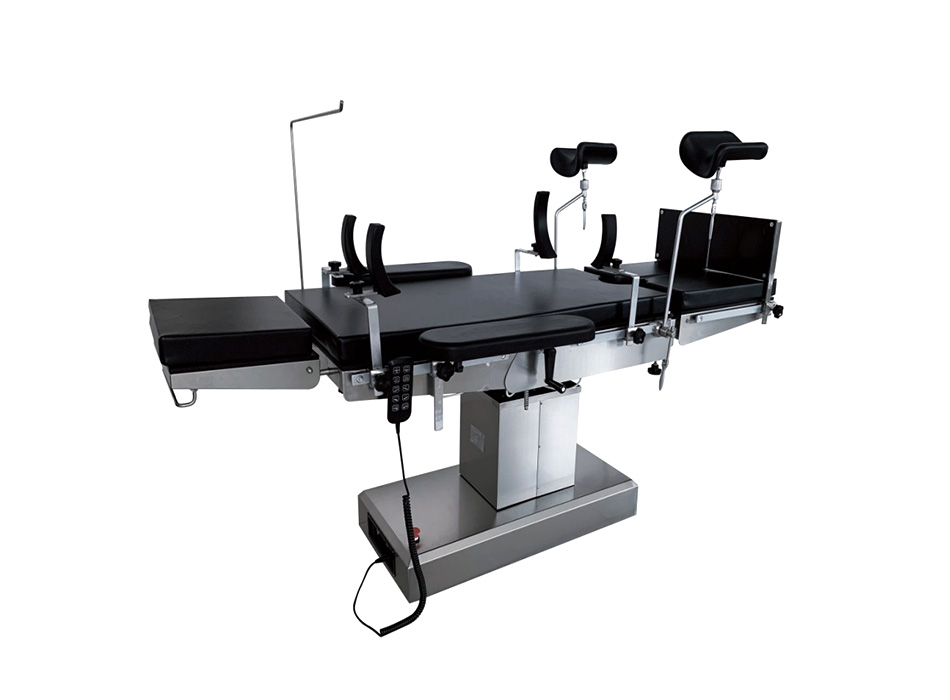
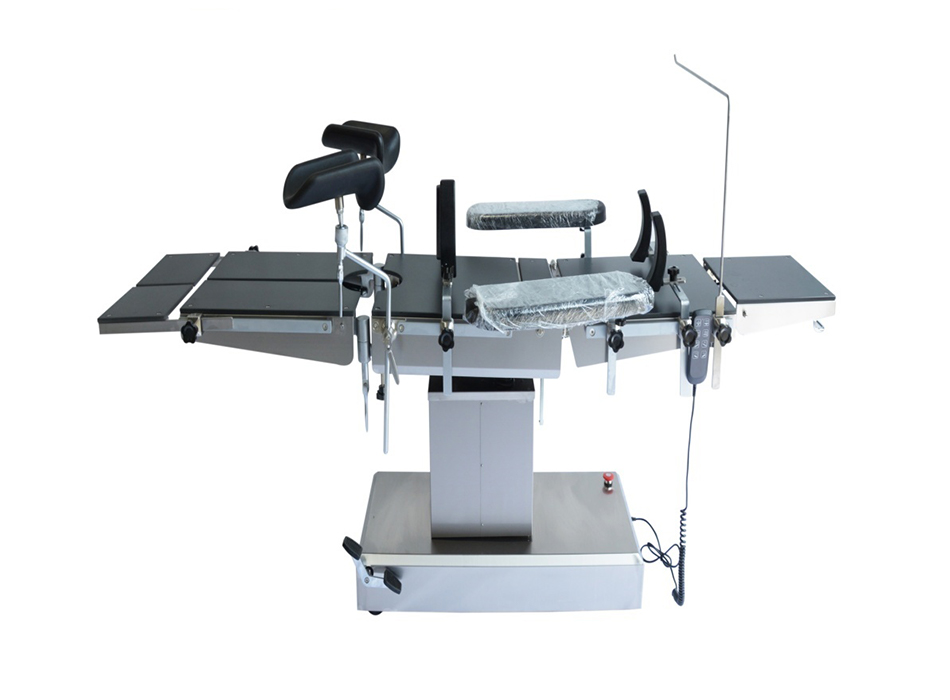
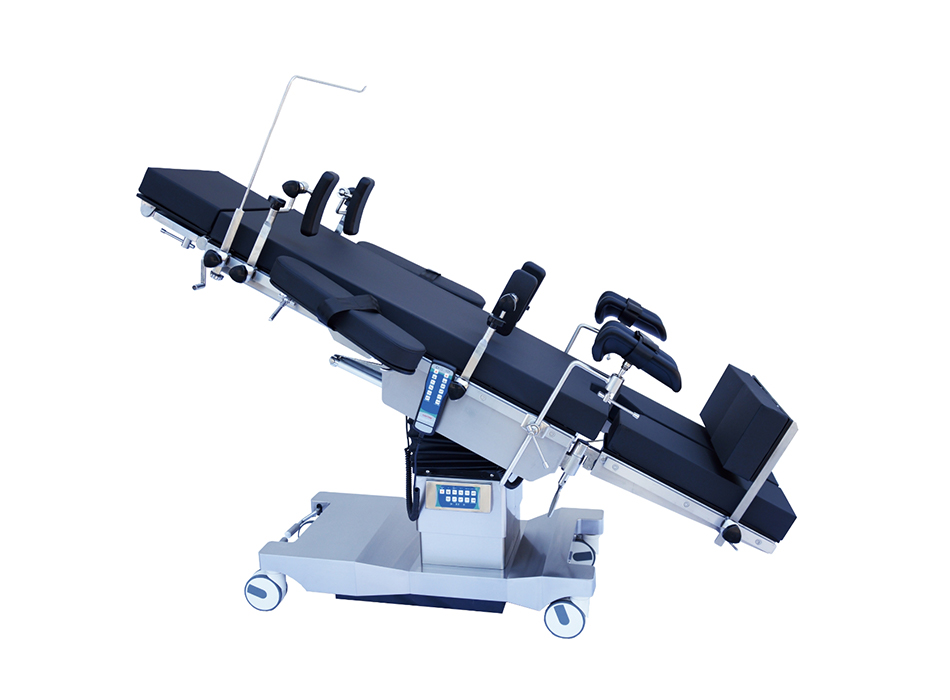
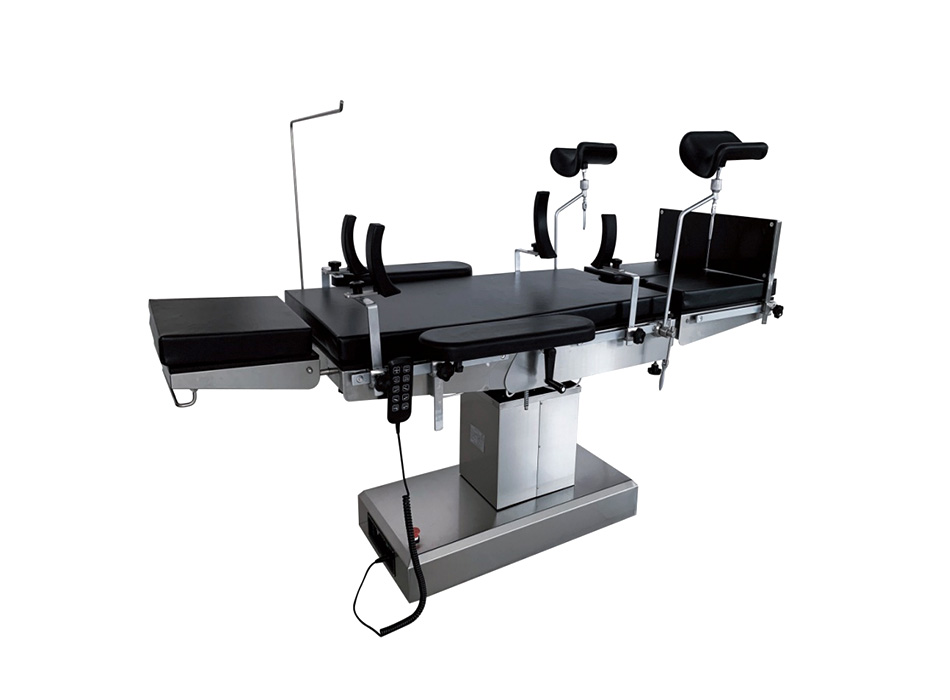
An electric delivery table is a motorized labor and delivery bed built around powered actuators that move the backrest, seat, and leg sections independently, rather than relying on a technician turning a hand crank or pumping a hydraulic pedal. The table typically converts through several working configurations on the same frame: a flat examination surface, a semi-reclined labor position, and a full lithotomy delivery position with articulated leg supports.
The practical difference shows up in three places on a busy maternity ward:
Positioning range, not motor speed, is what separates a table suited to complex deliveries from one limited to routine cases. A table that can only manage a shallow Trendelenburg tilt or a narrow backrest arc will force staff to transfer a patient mid-labor for anything beyond a standard vaginal delivery — a transfer that carries its own risk and delay.
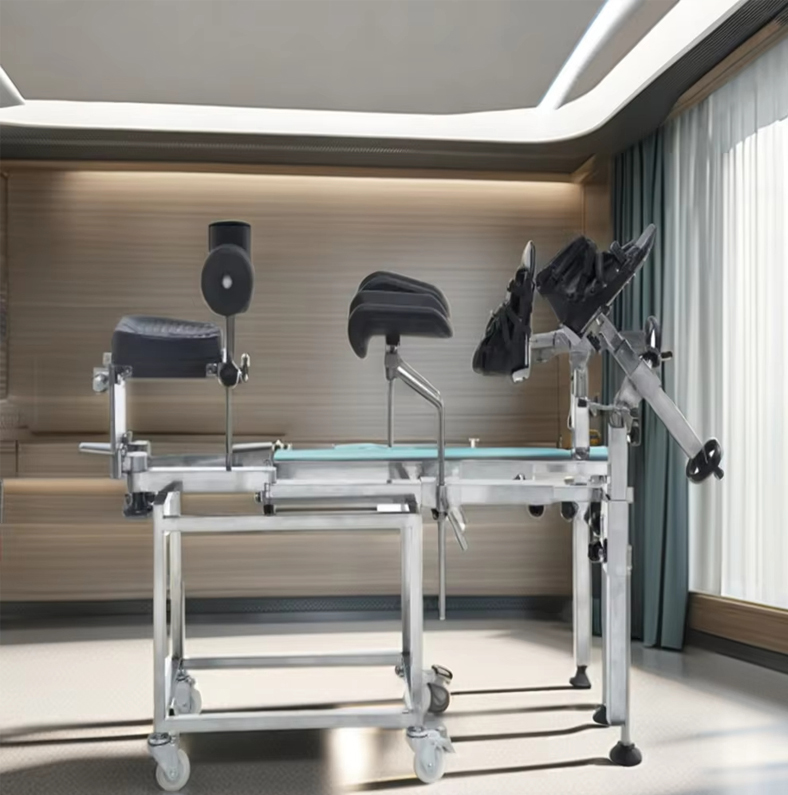
An 85° backrest range supports everything from a reclined labor position to a near-seated posture some patients prefer during second-stage pushing. A 17° leg-section tilt combined with detachable stirrups covers standard lithotomy, assisted delivery with forceps or vacuum, and post-delivery repair procedures — all without moving the patient to a second table.
The three drive systems are not interchangeable once a unit's patient volume grows. The comparison that matters most to a purchasing decision is staff time per repositioning event, multiplied across a full shift.
Because the table is both a load-bearing patient support and a powered electrical device, it sits under two overlapping sets of regulatory requirements. A table missing either category of certification is not fit for a licensed delivery room, regardless of how well it performs mechanically.
| Standard / requirement | What it governs |
|---|---|
| IEC 60601-1 | General electrical safety and essential performance for medical electrical equipment |
| ISO 13485 | Quality management system for medical device manufacturing |
| FDA 510(k) clearance | Required for legal marketing and sale in the United States |
| CE marking / MDR 2017/745 | Required for sale and use across the European Union |
| Battery backup ≥ 30 minutes | Continued operation and safe manual lowering during a power outage |
| Emergency manual override | Mechanical fallback to reposition or lower the table if motors fail |
| Fail-safe leg-section locks | Prevents unintended leg-section movement or collapse under load |
Every electric delivery table must include an emergency manual override and fail-safe leg-section locks. If a motor fails mid-procedure with a patient in lithotomy position, staff need a mechanical way to lower the table safely without waiting on electrical repair — this is a baseline safety requirement, not an optional upgrade.
Weight capacity determines both patient safety margin and long-term frame durability under repeated cycling. A table rated at the bare minimum for an average adult patient has no margin for bariatric cases, multiple-gestation deliveries, or the added weight of attached equipment such as stirrups, infusion poles, or a monitoring tray.
Modern obstetric units increasingly expect one table to cover labor, delivery, recovery, and routine gynecological examination — commonly marketed as an LDR (labor-delivery-recovery) configuration. This consolidation is a direct response to the transfer risk and delay that comes from moving a patient between separate labor beds, delivery tables, and examination couches during a single admission.
Electric components add failure points that a purely mechanical table doesn't have, so a maintenance schedule matters more here than on manual equipment. Skipping scheduled checks is the most common reason a facility experiences an unplanned table outage during an active delivery.
| Task | Frequency | Why it matters |
|---|---|---|
| Battery backup discharge test | Quarterly | Confirms the backup still holds a full 30-minute charge under load |
| Actuator and motor inspection | Semi-annual | Catches early wear before a motor stalls mid-procedure |
| Emergency manual override function test | Semi-annual | Verifies the mechanical fallback actually works when needed, not just on paper |
| Castor and brake system check | Quarterly | Prevents uneven rolling or brake failure during table repositioning |
| Upholstery and seam inspection | Ongoing / after each disinfection cycle | Cracked seams harbor pathogens and compromise the infection-control barrier |
| Full electrical safety test (IEC 60601-1) | Annual | Required for continued regulatory compliance and insurance coverage |
How fast can an electric delivery table reposition a patient?
Most motorized tables move from a flat or reclined position to full lithotomy in roughly 10–20 seconds, compared with 1–3 minutes of manual crank turning on a mechanical equivalent.
What happens to an electric delivery table during a power outage?
A compliant table includes a battery backup rated for at least 30 minutes of continued operation, plus a mechanical emergency manual override that allows staff to lower or reposition the table without any electrical power at all.
Is an electric delivery table worth the extra cost over a manual table?
For units handling three or more deliveries per day, or any unit with frequent night-shift staffing gaps, the time saved on repositioning and the reduced physical strain on staff typically justify the higher purchase price. Lower-volume clinics may be better served by a hydraulic or manual model.
What weight capacity should a delivery table have?
350 lb (159 kg) is the commonly cited minimum for general obstetric use, though facilities regularly managing bariatric patients or multiple-gestation deliveries should specify a higher-capacity frame.
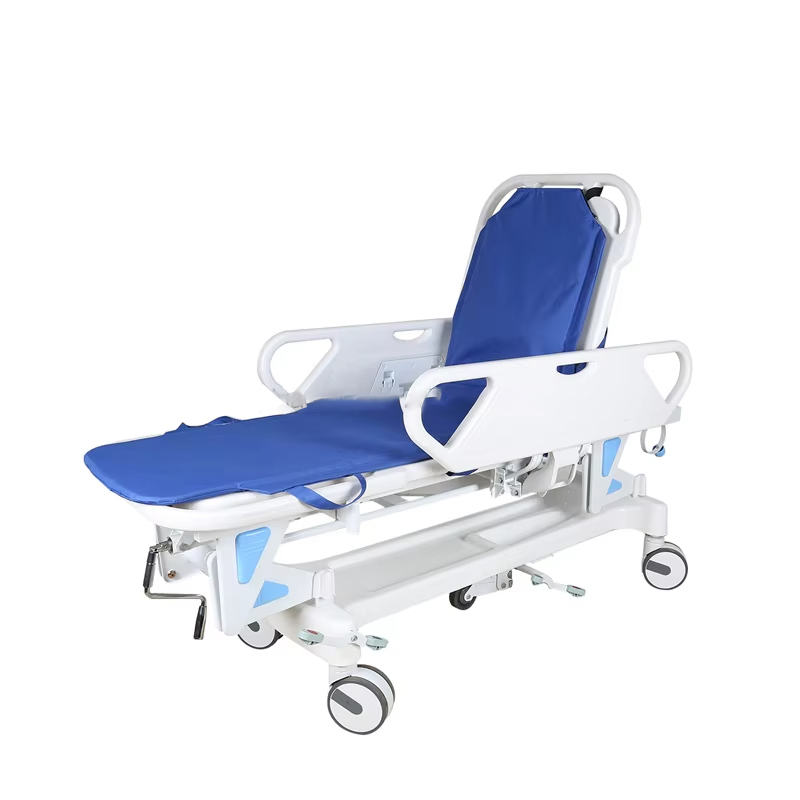
We supply electric delivery tables alongside operation tables, shadowless lamps, and hospital trolleys built to IEC 60601-1 and ISO 13485 standards — get configuration and pricing guidance for your facility.
Request a Quote
If you are interested in our products, please consult us
Copyright © 2026 Jiangsu Yigao Medical Equipment Technology Co., Ltd.

Custom Electric Medical Bed Manufacturers
The information provided on this website is intended for use only in countries and jurisdictions outside of the People's Republic of China.