Welcome to Jiangsu Yigao Medical


 ENG
ENG

 English
 Español
Welcome to Jiangsu Yigao Medical

In any healthcare setting, the comfort, safety, and efficient transport of patients are top priorities. Whether it's during an emergency, a routine procedure, or a transfer between departments, ensuring that patients are moved quickly and comfortably is essential to both their well-being and the healthcare staff's ability to provide timely treatment. Hospital electric stretchers have become a vital tool in achieving these goals, offering a range of benefits that enhance the quality of care for patients and improve workflow for healthcare professionals.
From patient positioning to reduced physical strain on staff, the advantages of using hospital electric stretchers are numerous.
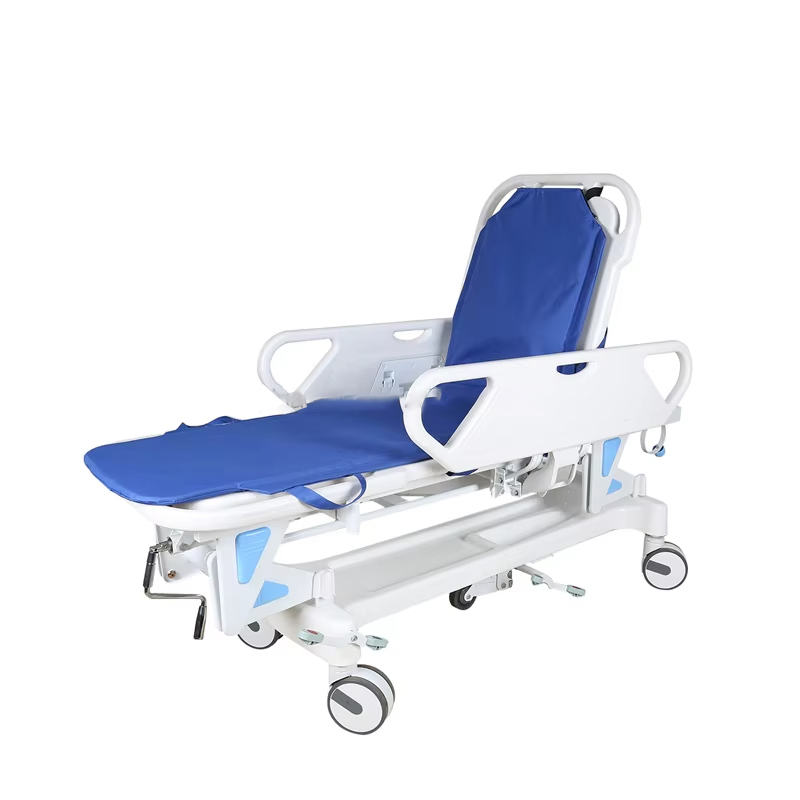
One of the most significant benefits of hospital electric stretchers is the improvement in patient comfort. These stretchers are designed to adjust easily to different positions, allowing healthcare providers to optimize the angle of the patient’s body. For instance, the backrest can be elevated, or the leg section can be adjusted to alleviate pressure points, making the stretcher more comfortable for the patient during transport.
This adjustability is especially beneficial for patients who may be experiencing pain, difficulty breathing, or other symptoms that require special positioning. For instance, adjusting the stretcher’s position can help improve breathing for patients with respiratory issues, or provide relief for those with back or abdominal pain.
Patient safety is another critical factor addressed by hospital electric stretchers. These stretchers often come with safety features such as side rails, braking mechanisms, and secure strapping systems to prevent the patient from falling or shifting during transport. The smooth movement of the stretcher, which is controlled by electric motors, reduces the risk of jolting or sudden movements that could cause discomfort or even harm to the patient.
Hospital staff, especially nurses and paramedics, often face physical strain due to the repetitive task of lifting, adjusting, and moving patients. The manual handling of patients, particularly those who are immobile or heavy, can lead to musculoskeletal injuries over time. This can result in staff fatigue, reduced efficiency, and increased absenteeism due to injury.
Electric stretchers, however, significantly reduce the physical strain on healthcare professionals. These stretchers are powered by electric motors that allow staff to raise, lower, and adjust the position of the stretcher with minimal effort. Whether the stretcher needs to be elevated for easier patient access or lowered to accommodate a transfer, the electric mechanism makes these adjustments simple and efficient.
This reduction in manual labor not only helps protect the health of healthcare workers but also contributes to a more comfortable and safer working environment. It improves overall staff morale and ensures that healthcare professionals can focus more on patient care rather than the physical demands of moving patients.
In a hospital environment, time is of the essence, especially when transporting patients to and from critical care units, operating rooms, or emergency departments. Electric stretchers offer faster and more precise movement compared to manual stretchers, allowing healthcare staff to move patients with greater ease and speed.
These stretchers can be easily adjusted to fit through narrow hospital hallways and doorways, improving the overall efficiency of transport between departments. Additionally, many electric stretchers are designed to be mobile and lightweight, which means they can be quickly repositioned or transferred to different rooms or areas within the hospital.
This efficiency is especially crucial during emergency situations, where quick and safe transportation can significantly impact a patient’s outcome. The ability to adjust the stretcher to different heights or positions at the touch of a button ensures that the patient is always in the optimal position for both comfort and care during the transfer.
Infection control is a top priority in hospitals, where the risk of cross-contamination can lead to serious health complications for patients. Hospital electric stretchers, especially those designed with smooth, easy-to-clean surfaces, play an essential role in maintaining a sterile environment.
Electric stretchers made from non-porous materials such as stainless steel or medical-grade plastics are less likely to harbor bacteria, viruses, or other pathogens. The smooth surfaces make it easy to disinfect the stretcher thoroughly between uses, ensuring that it meets the stringent hygiene standards required in medical settings.
This enhanced infection control is especially important when transporting patients who are vulnerable to infection, such as those undergoing surgery, immunocompromised individuals, or those with open wounds. Keeping the stretcher clean and hygienic helps minimize the risk of hospital-acquired infections (HAIs) and promotes patient safety.
Hospital electric stretchers are versatile and can be equipped with a variety of features to suit different medical needs. For example, some stretchers come with integrated weight scales to monitor patient weight without needing to transfer the patient to a separate scale. Others may include IV poles, oxygen tanks, or monitor mounts, allowing patients to continue receiving treatment while being transported.
The ability to adjust the stretcher’s position also makes it ideal for specific medical procedures. For instance, in surgical or diagnostic settings, the stretcher can be reclined to the perfect angle for procedure preparation or post-operative recovery. Many electric stretchers also feature head and leg elevation options, which are crucial for patients who need to be in certain positions for diagnostic imaging or rehabilitation.
The customizability of electric stretchers ensures that healthcare providers can meet the diverse needs of patients, whether they’re being transported for a simple check-up or a complex surgical procedure.
Patient falls are a significant concern in hospitals and healthcare settings. In fact, falls are one of the most common causes of injury in hospitalized patients, especially among elderly or critically ill individuals. Electric stretchers can help minimize the risk of falls by providing stable, controlled movement and secure patient positioning.
With electric stretchers, healthcare workers can maintain better control of the stretcher’s movements. This reduces the likelihood of jerky or abrupt shifts that can lead to patients falling or getting injured. In addition, side rails and locking mechanisms help ensure that patients remain securely in place during transportation, further minimizing the risk of falls.
The improved stability and safety features of electric stretchers provide peace of mind to both patients and healthcare staff, knowing that the risk of injury during transport is greatly reduced.
While transporting patients, maintaining their privacy and dignity is essential. Hospital electric stretchers are often designed with features that ensure patient comfort and modesty, such as enclosed sides or privacy curtains. This makes it easier for healthcare providers to transport patients without exposing them unnecessarily to others in the hospital.
By offering comfortable, adjustable positions and ensuring that patients feel more secure during transport, electric stretchers contribute to a more respectful and compassionate environment. Whether patients are being moved to a private room or taken to the operating room, they can feel assured that their privacy will be maintained.
While the initial investment in hospital electric stretchers may be higher than manual models, they offer significant long-term cost savings. Their durability, ease of use, and ability to reduce workplace injuries among staff can lead to lower maintenance and healthcare costs over time.
Furthermore, the improved efficiency of electric stretchers leads to faster patient throughput and reduced waiting times for treatments, which can improve hospital productivity and revenue. Reducing the frequency of injuries and accidents related to manual lifting also helps to lower workers’ compensation claims and sick leave costs.
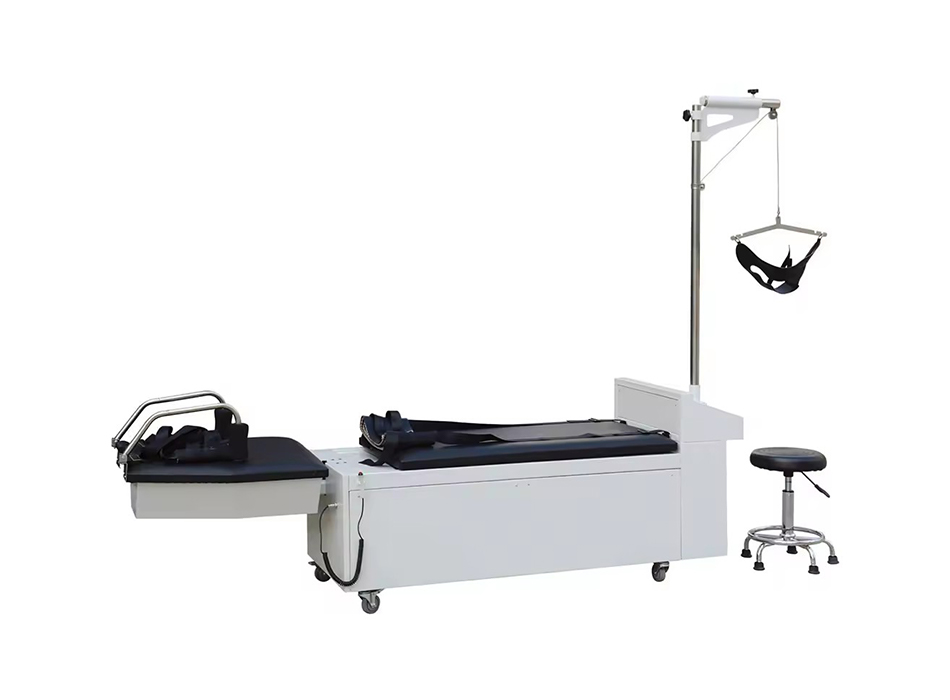
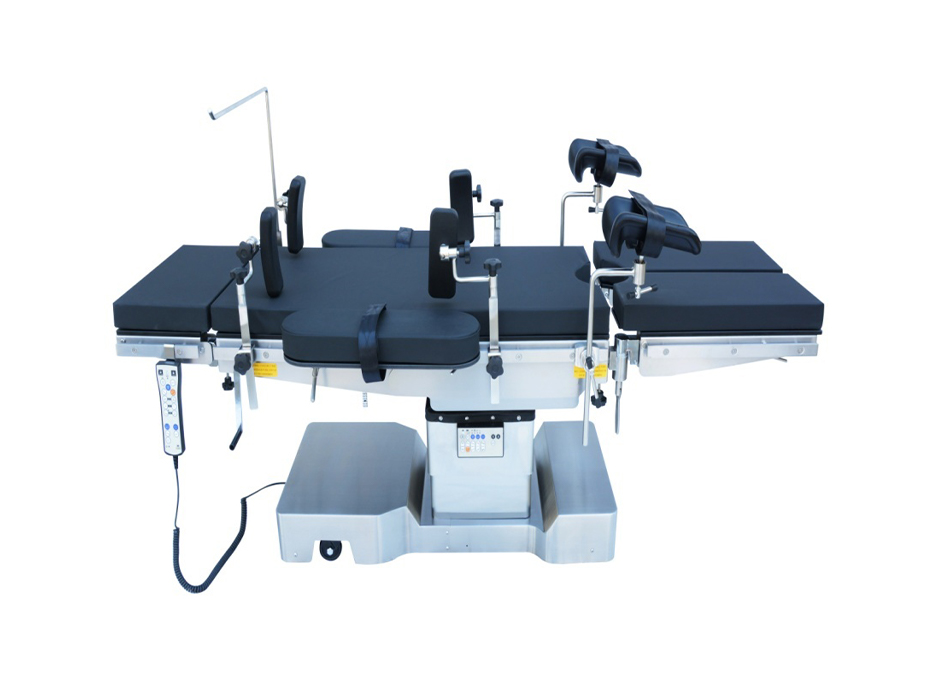
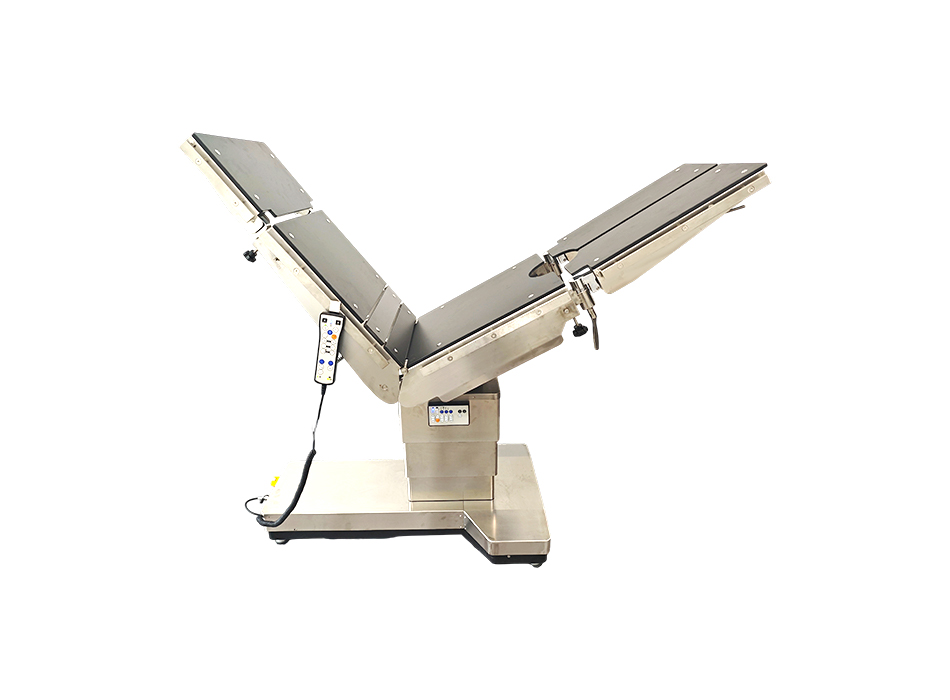
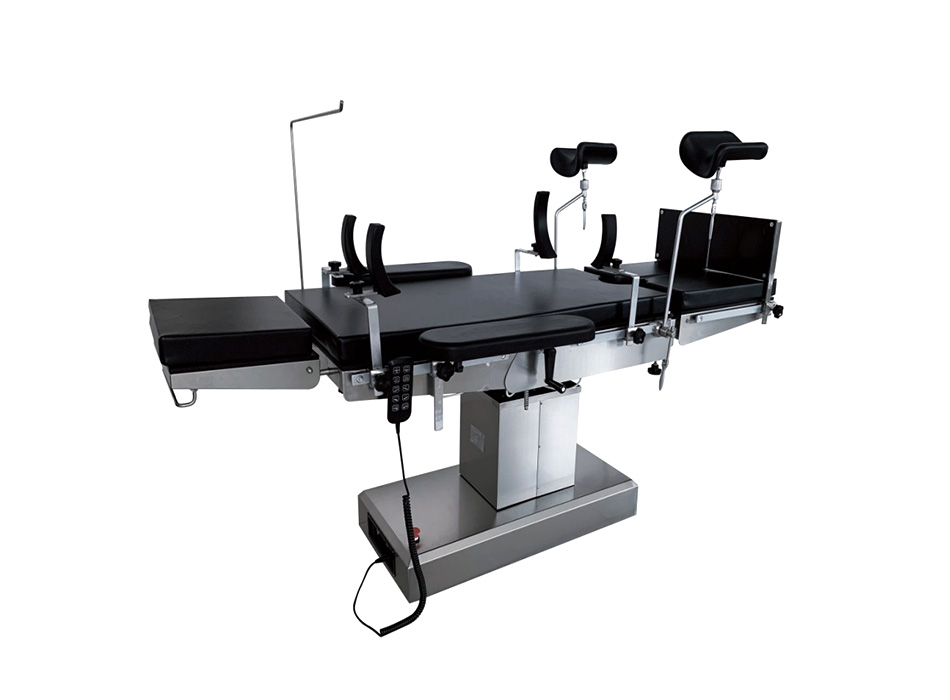
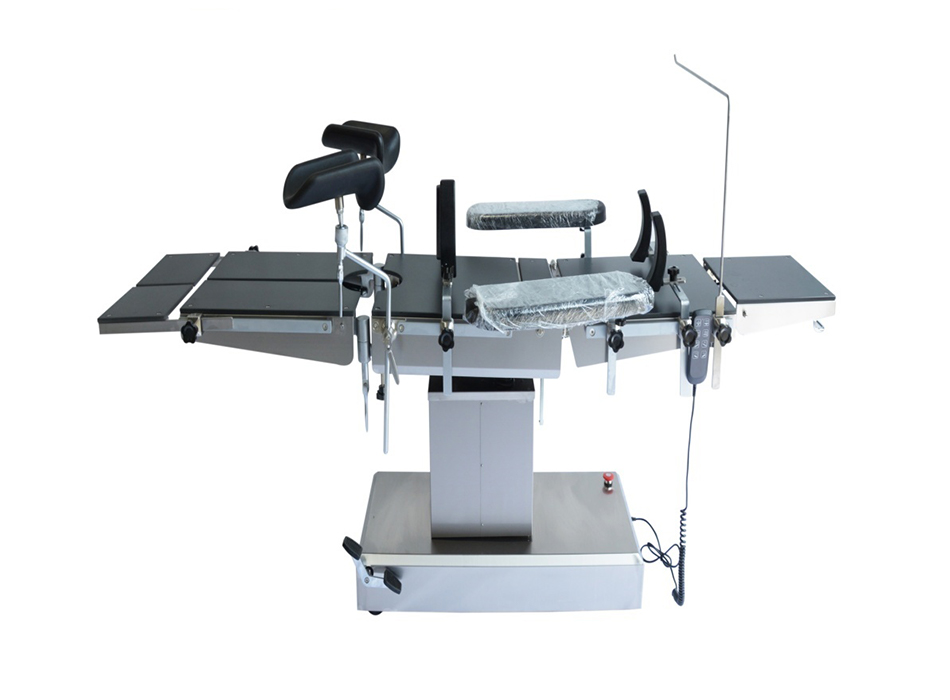
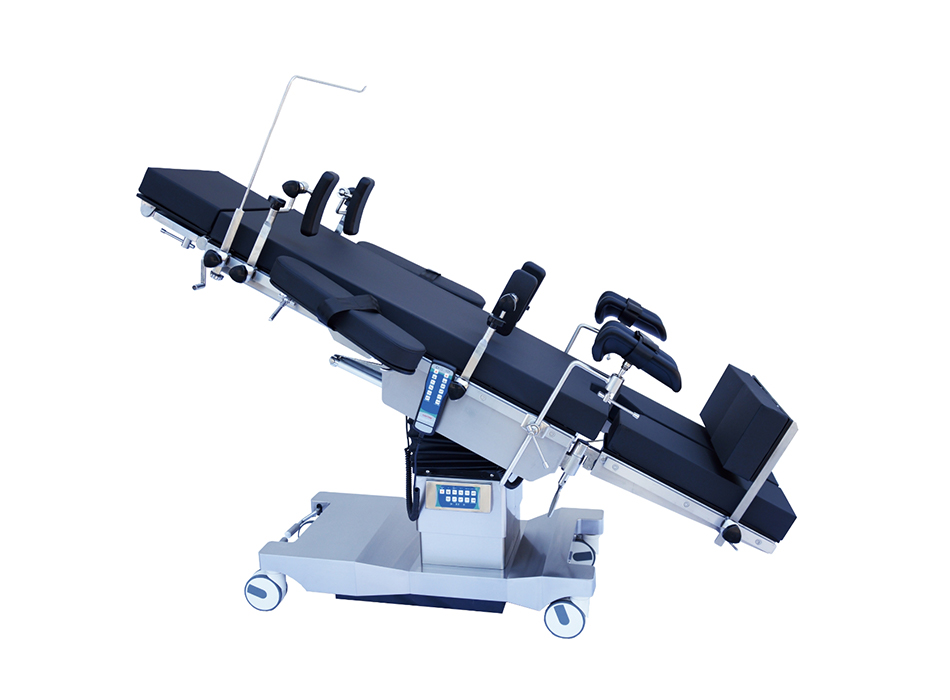
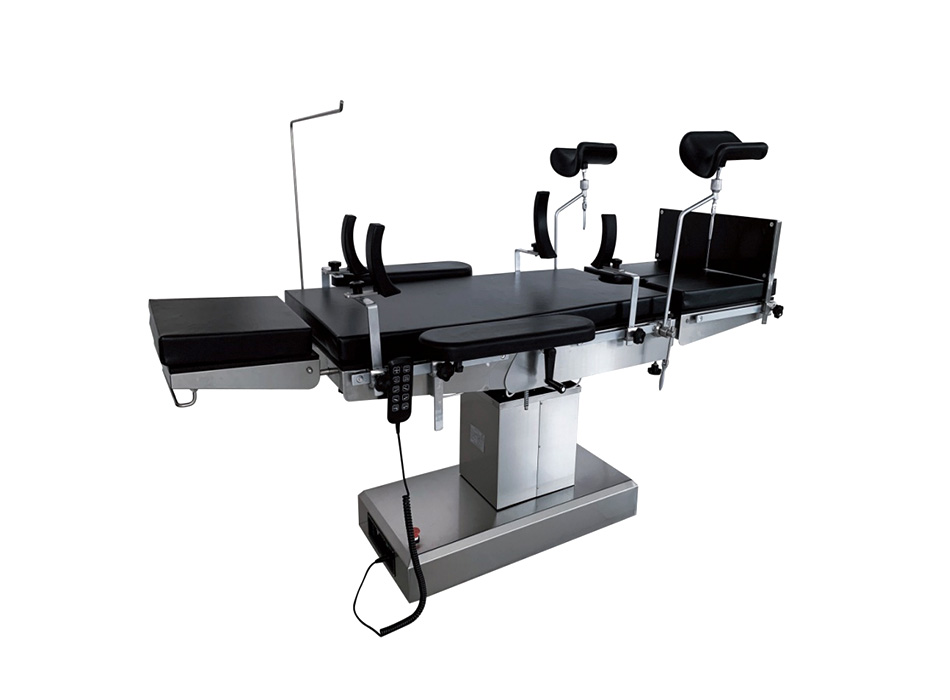
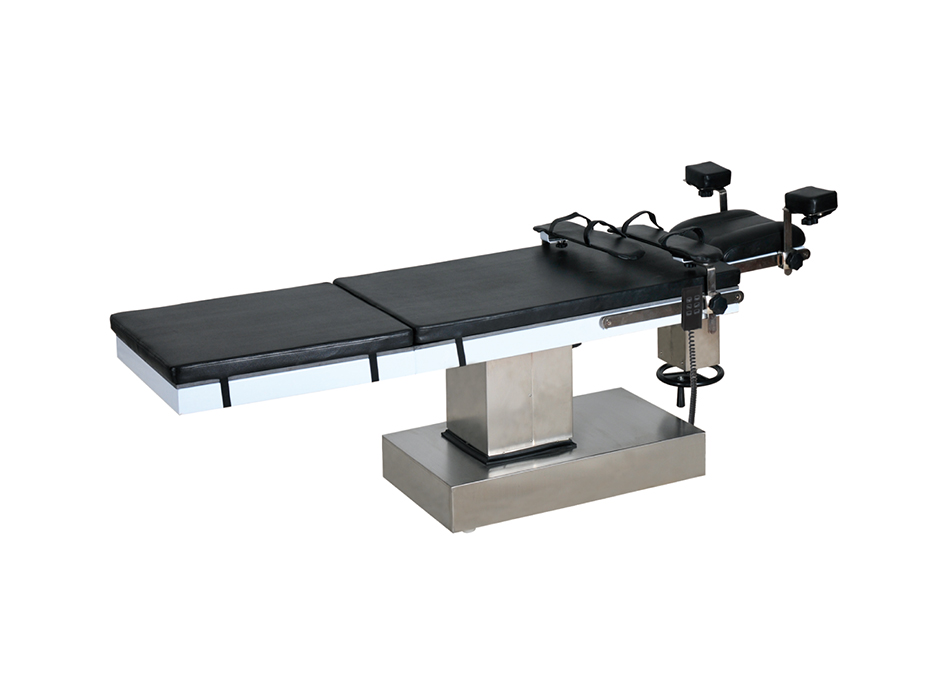
If you are interested in our products, please consult us
Copyright © 2026 Jiangsu Yigao Medical Equipment Technology Co., Ltd.

Custom Electric Medical Bed Manufacturers
The information provided on this website is intended for use only in countries and jurisdictions outside of the People's Republic of China.