Welcome to Jiangsu Yigao Medical


 ENG
ENG

 English
 Español
Welcome to Jiangsu Yigao Medical

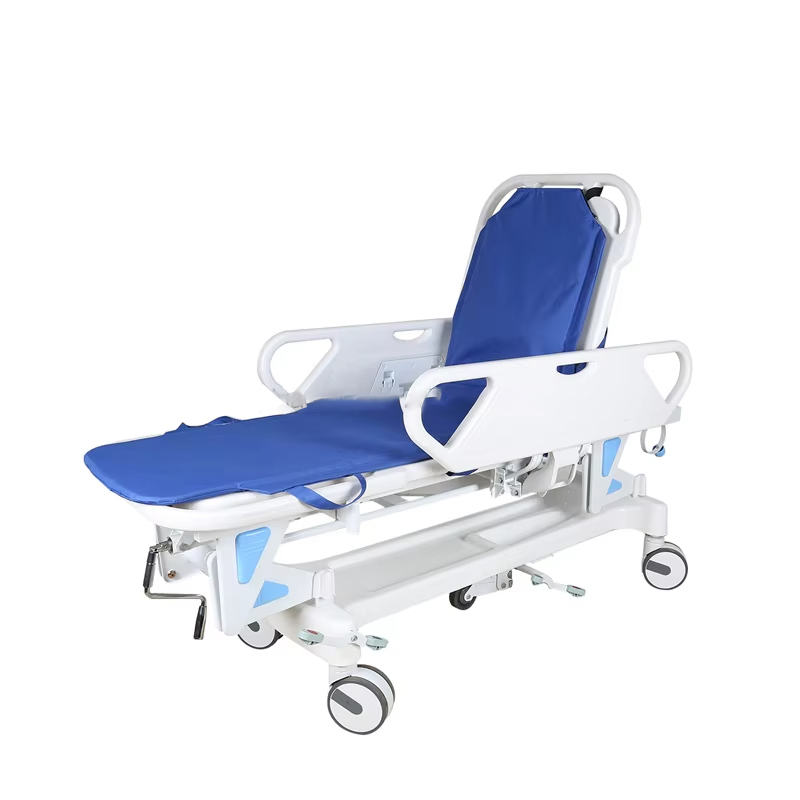
In the fast-paced and often high-pressure environment of hospitals, patient comfort is a top priority. Whether a patient is being transported from one department to another or being prepared for surgery, the quality of their experience during transport can have a significant impact on their overall well-being. One of the most effective ways hospitals can improve patient comfort during transport is by using hospital electric stretchers.
Unlike traditional manual stretchers, which require significant physical effort from healthcare workers to adjust, electric stretchers offer automated features that enhance comfort, safety, and efficiency.
One of the primary benefits of electric stretchers is the ability to make smooth and precise adjustments to the patient's position. Whether the patient is lying flat or needs to be raised into a seated position, hospital electric stretchers can easily accommodate a wide range of positions, all with the push of a button.
Head and Foot Elevation: Electric stretchers allow for simple adjustments to the head and foot sections, which can be crucial for patients who need to be in a more upright or reclined position for medical reasons. Whether the patient has difficulty breathing, requires a specific posture during transport, or needs to be kept in a certain angle before surgery, the electric stretcher provides flexibility that manual stretchers cannot match.
Reduced Physical Strain on Patients: Adjusting a manual stretcher often requires shifting the patient's body or using physical force to reposition the bed. With electric stretchers, these adjustments can be made without moving the patient unnecessarily, ensuring that their comfort is maintained. The lack of jerky or uncomfortable repositioning reduces the risk of causing pain or discomfort during transport.
For patients in pain, comfort is not only about the position they are in but also how smooth and gentle the transport process is. Hospital electric stretchers are designed with features that make transportation smoother and more comfortable, especially for those with injuries, chronic conditions, or post-surgical patients.
Vibration-Free Transport: Many hospital electric stretchers are designed to provide a smooth, vibration-free ride. Unlike manual stretchers, which may have more jarring movements due to uneven surfaces or manual adjustments, electric stretchers can provide a more stable transport experience. This is particularly important for patients with delicate injuries, spinal conditions, or those recovering from surgery, as any sudden movements or jolts can increase pain and discomfort.
Padded and Ergonomic Design: Hospital electric stretchers are often equipped with high-quality padding and ergonomic designs that support the patient’s body. These features help distribute the patient’s weight evenly, reducing pressure on sensitive areas such as the lower back or joints. The padded surfaces also provide a level of comfort that ensures patients are as comfortable as possible during their transport.
Patient safety is a key concern when transporting individuals in hospitals. In addition to improving comfort, hospital electric stretchers offer enhanced safety features that reduce the likelihood of discomfort caused by improper handling or unintentional movement.
Locking Mechanisms: Many electric stretchers feature integrated locking mechanisms that secure the stretcher in place during transport, preventing it from moving or shifting. This stability reduces the risk of the patient being jolted or shifted in an uncomfortable or harmful way.
Easy Control for Healthcare Workers: Hospital staff are often tasked with maneuvering stretchers through narrow hallways or around obstacles. Electric stretchers are equipped with easy-to-use controls that allow healthcare workers to adjust the stretcher height and position with minimal effort. This helps ensure that patients are not subjected to unnecessary discomfort due to improper handling or adjustments.
One of the standout features of electric stretchers is their ability to adjust height, which can be beneficial for both the patient and healthcare providers.
Adjustable Height for Easy Transfer: With a simple button push, the electric stretcher can be raised or lowered to a level that makes it easier for patients to get in or out. This is especially helpful for patients who may have limited mobility or those recovering from surgery. The ability to adjust the height can also reduce the strain on healthcare workers, as it allows them to set the stretcher at a comfortable level for lifting or transferring the patient.
Convenient for Medical Procedures: For medical staff, having an adjustable stretcher means they can raise or lower the patient to an optimal working height during medical procedures, such as examination or preparation for surgery. This ensures that the patient is not only comfortable but also positioned safely for medical staff to perform their duties effectively.
When patients are being transported, especially in busy or crowded hospital environments, maintaining their privacy and dignity is critical. Hospital electric stretchers contribute to a more dignified patient experience in several ways.
Enclosed Sides for Privacy: Some electric stretchers come with optional side rails or enclosures that ensure patients are covered during transport. This prevents unnecessary exposure to other hospital visitors or staff, helping to protect patient privacy during potentially vulnerable moments.
Less Invasive Transfers: Because electric stretchers are easy to adjust and require minimal physical intervention, patients can be transferred in and out of the stretcher with less handling. This reduces the invasiveness of the transfer process and helps the patient feel more secure and respected.
The comfort of healthcare workers is also an important consideration when evaluating patient transport equipment. Traditional manual stretchers can be physically demanding on staff, requiring them to lift, push, or pull heavy patients, especially in emergency situations.
Effortless Adjustments: With electric stretchers, healthcare workers can adjust the position and height of the stretcher with ease, reducing the physical strain that comes with manual adjustments. This not only makes their jobs easier but also minimizes the risk of workplace injuries, which is particularly important in a fast-paced hospital environment.
Team Coordination: By reducing the amount of physical effort required to handle stretchers, electric stretchers improve coordination and reduce stress for hospital staff. Healthcare workers can focus more on patient care rather than dealing with the complexities of manual patient transport.
Ultimately, one of the main reasons for using hospital electric stretchers is to enhance patient satisfaction. When patients are comfortable and feel their needs are being met, they are more likely to have a positive hospital experience, which can contribute to faster recovery times and better overall outcomes.
A More Comfortable Experience: Patients who experience less pain, discomfort, and stress during transport are more likely to feel satisfied with their care. Comfort during transport can also positively affect the patient’s emotional state, which in turn can have a positive impact on their recovery process.
Reassurance: The smooth operation of electric stretchers, combined with easy adjustments and safety features, provides reassurance to patients and their families that they are being transported with the highest level of care and attention.
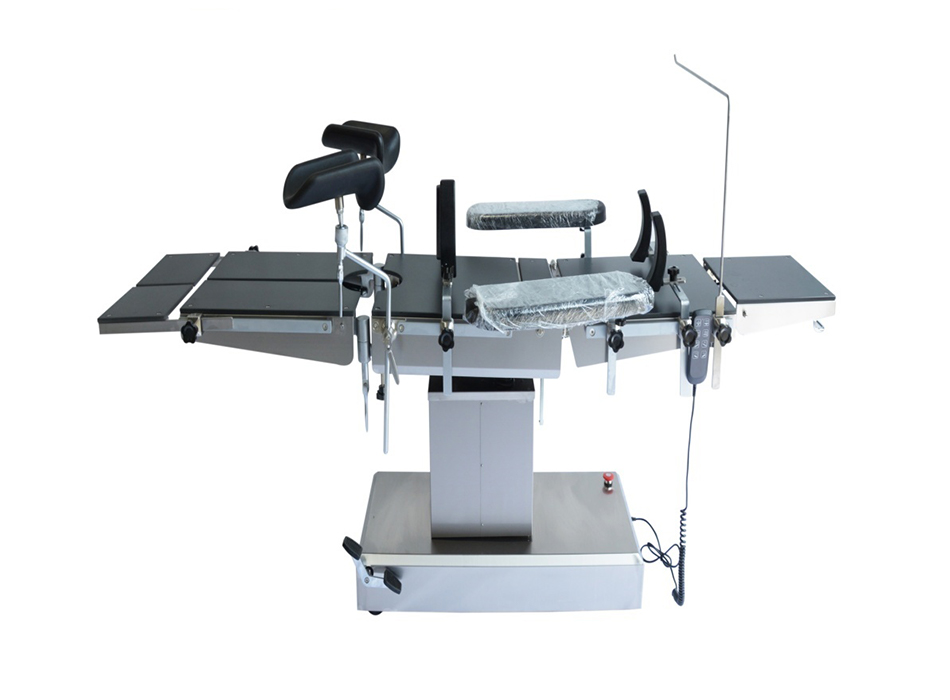
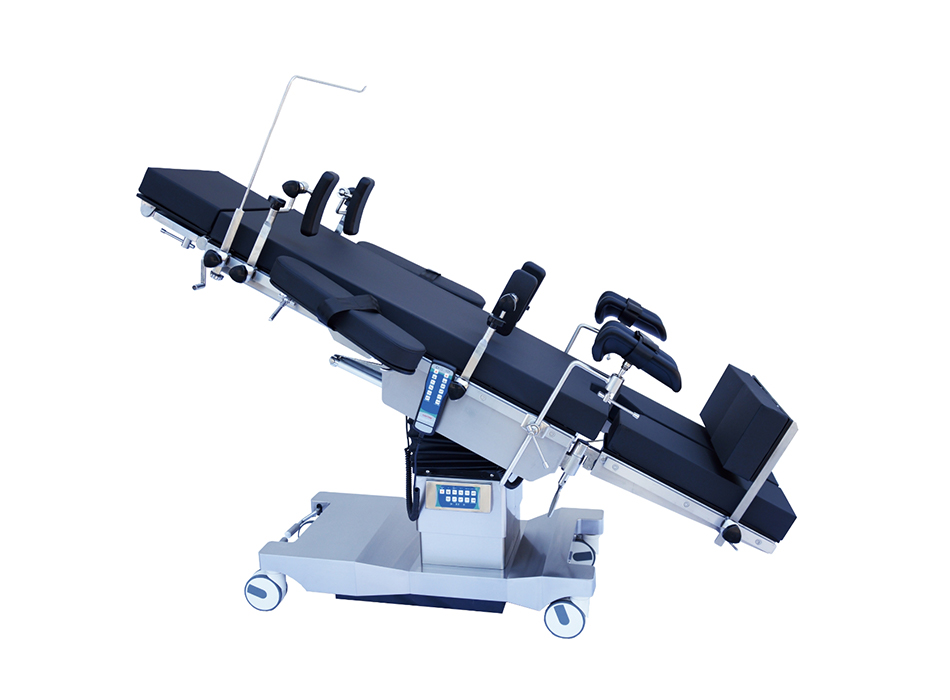
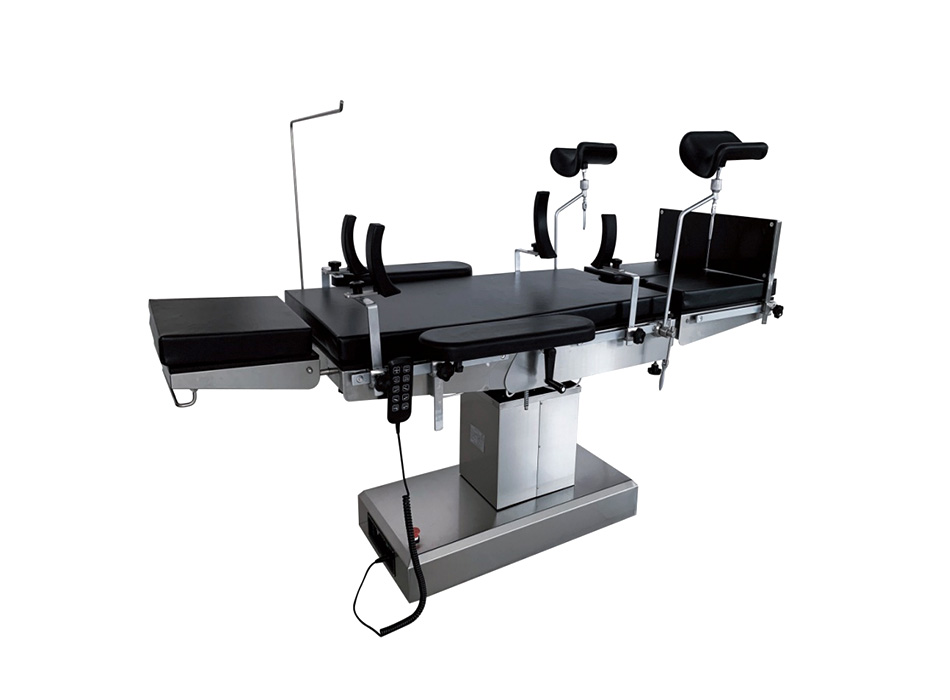
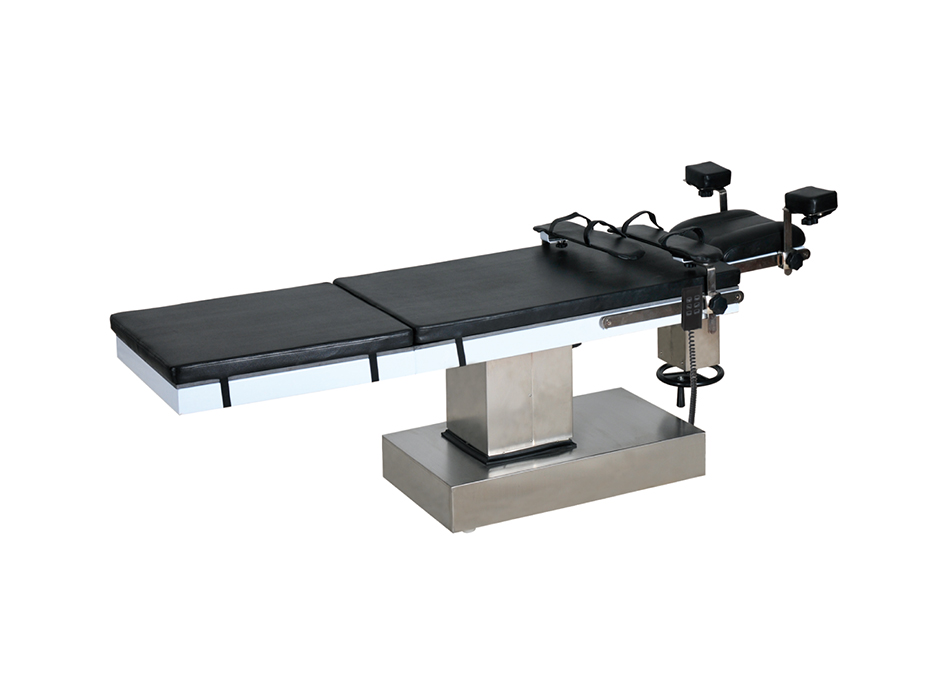
If you are interested in our products, please consult us
Copyright © 2026 Jiangsu Yigao Medical Equipment Technology Co., Ltd.

Custom Electric Medical Bed Manufacturers
The information provided on this website is intended for use only in countries and jurisdictions outside of the People's Republic of China.