Welcome to Jiangsu Yigao Medical


 ENG
ENG

 English
 Español
Welcome to Jiangsu Yigao Medical

A patient in the lithotomy position should be draped in a diamond shape that covers the body from the chest down to the feet, with only the perineal field left exposed for the examination or procedure. This is the standard taught in medical assisting and surgical training, and it holds across settings for three reasons: it limits exposed skin so the patient keeps some dignity in an inherently exposed position, it keeps the working field as clean as the setting demands, and it gives the clinician a clearly defined boundary. What changes between a clinic exam, a delivery, and an operating room is not the coverage pattern but the sterility of the drape and the precision required to place it.
The classic technique uses an ordinary flat sheet folded diagonally into a triangle. The folded edge is laid across the chest, and the point of the triangle extends toward the feet, so the sheet hangs over the body in a diamond shape. The two side corners are wrapped over and around each leg as it rests in the stirrups, which keeps the thighs and calves covered instead of leaving them bare. The upper edge is then folded down only as far as needed, so the genital and perineal area becomes accessible at the moment of the examination and not before.
Some references describe the same standard more simply as draping from the neck, or the axilla, down to the knees. The two descriptions are not in conflict. Both require that the torso and legs remain covered, that exposure be limited to the field being examined, and that the drape be removed promptly once the examination ends.
The lithotomy position leaves a patient more physically exposed than almost any other routine examination position, and patients consistently report it as a source of anxiety. A drape that runs from the chest to the feet restores a visual and physical barrier, which reduces embarrassment and helps patients relax enough for an adequate examination.
Infection control is the second reason. Uncovered skin, clothing, and pubic hair shed microorganisms continuously. Covering everything outside the working field reduces the bacterial load drifting toward the exposed area, and in sterile settings it draws a line the whole team can see and respect.
Access is the third. A well-placed drape defines exactly where the clinician works. Instruments stay on the field, contaminated items stay off it, and anything crossing that boundary—gloved hands, a speculum, forceps—can be judged instantly as inside or outside the sterile zone.
In outpatient care the technique is clean rather than sterile, and the sequence is designed to protect the patient from unnecessary exposure:
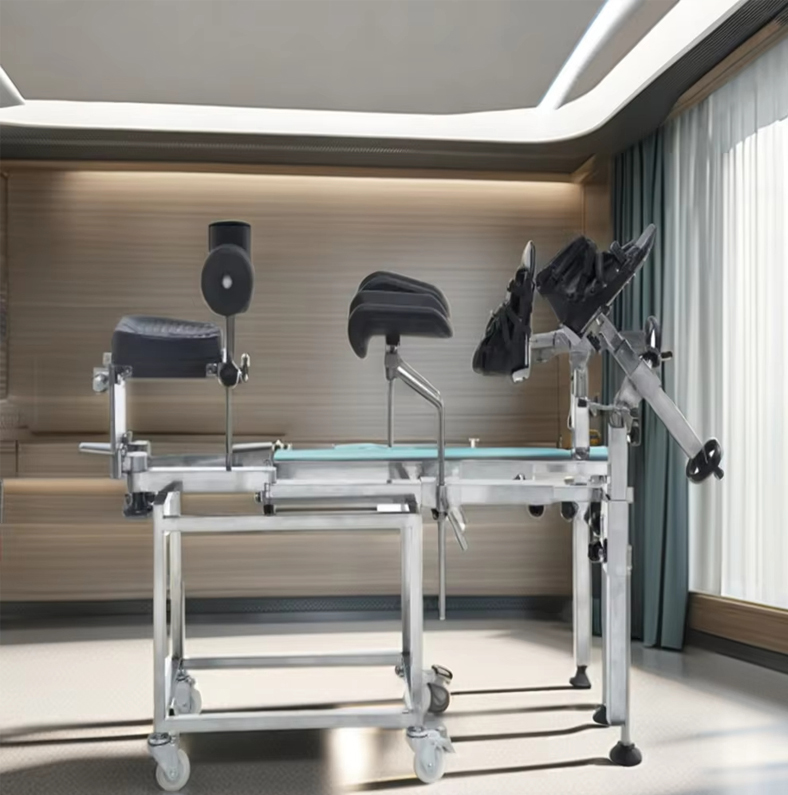
The examination table itself shapes how well this works. A surface with a perineal cutout keeps the working area accessible without the patient sliding forward, and a stable frame prevents the drape from shifting mid-examination.
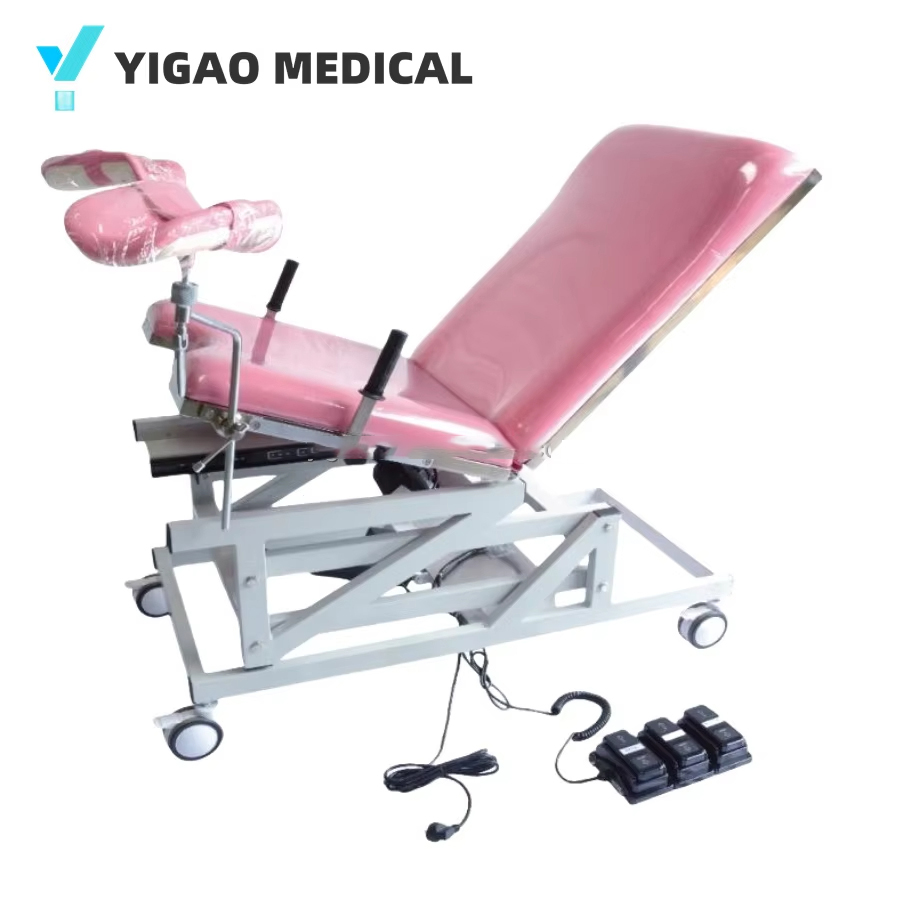
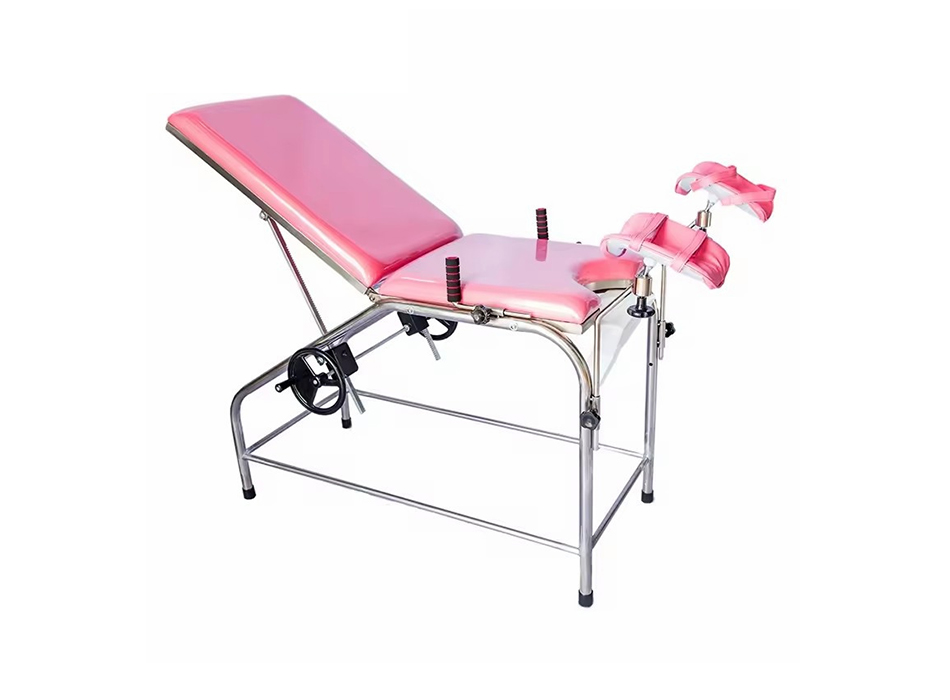 YGC2005A Stainless Steel Delivery Examination BedA handwheel-controlled stainless steel examination bed for gynecological exams and delivery, well suited to contexts where a stable surface keeps sterile draping in place.View Product →
A vaginal delivery raises the stakes because the drape becomes part of the sterile field. A standard delivery pack includes a fenestrated or split sheet, sterile leg covers, and towels. The sheet is placed so it covers the abdomen down over both legs in the stirrups, the perineum remains exposed for the birth, and the leg covers close the gap between the bed surface and the sterile area. Once the field is set, only sterile-gloved hands work inside its boundary.
This is also where the bed under the patient earns its keep. A delivery bed that moves smoothly between examination, delivery, and recovery positions lets the team complete prep and draping without asking the laboring patient to shift repeatedly. The steps leading up to that sterile field—from positioning to sterile setup—are covered step by step in this delivery table setup guide.
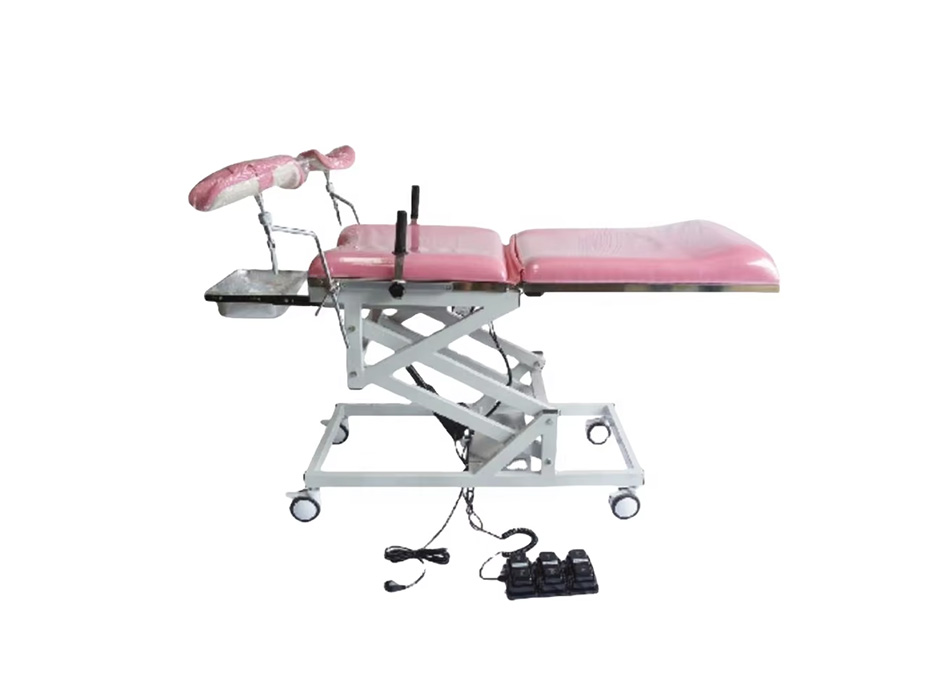 YGP01A Electric Delivery BedAn electric delivery bed with seamless antibacterial mattress and smooth positioning, allowing prep and sterile draping without repeatedly shifting the laboring patient.View Product →
In the operating room the order is fixed: antiseptic skin prep first, then sterile draping, with the scrubbed team touching only the inner surface of the drape. A fenestrated laparotomy sheet or split sheet is applied so the genitalia and perineum stay exposed within the fenestration—exactly as much as the procedure requires and no more. In procedures such as transurethral resection, a sterile towel may be fastened over the anus to isolate the field; in perineal procedures it can instead be positioned to allow controlled access.
Leg and stirrup covers are not optional. They close the unsterile gap between the table's lower frame and the operative field, and they allow the circulating team to adjust leg position if padding or circulation needs checking without breaking sterility. Draping always proceeds from the operative site outward, and staff never reach across the exposed field to place a drape on the far side.
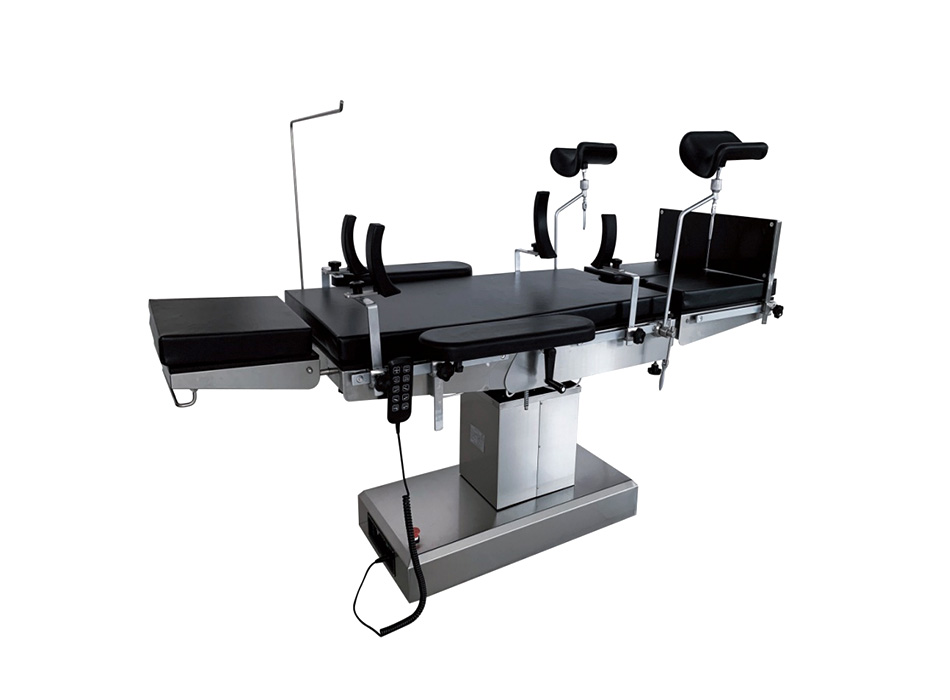
Because prolonged lithotomy carries real risks—nerve compression, compartment syndrome, and venous pooling among them—a table that locks securely into position and allows the legs to be lowered promptly at the end of the procedure is a patient safety feature, not a convenience.
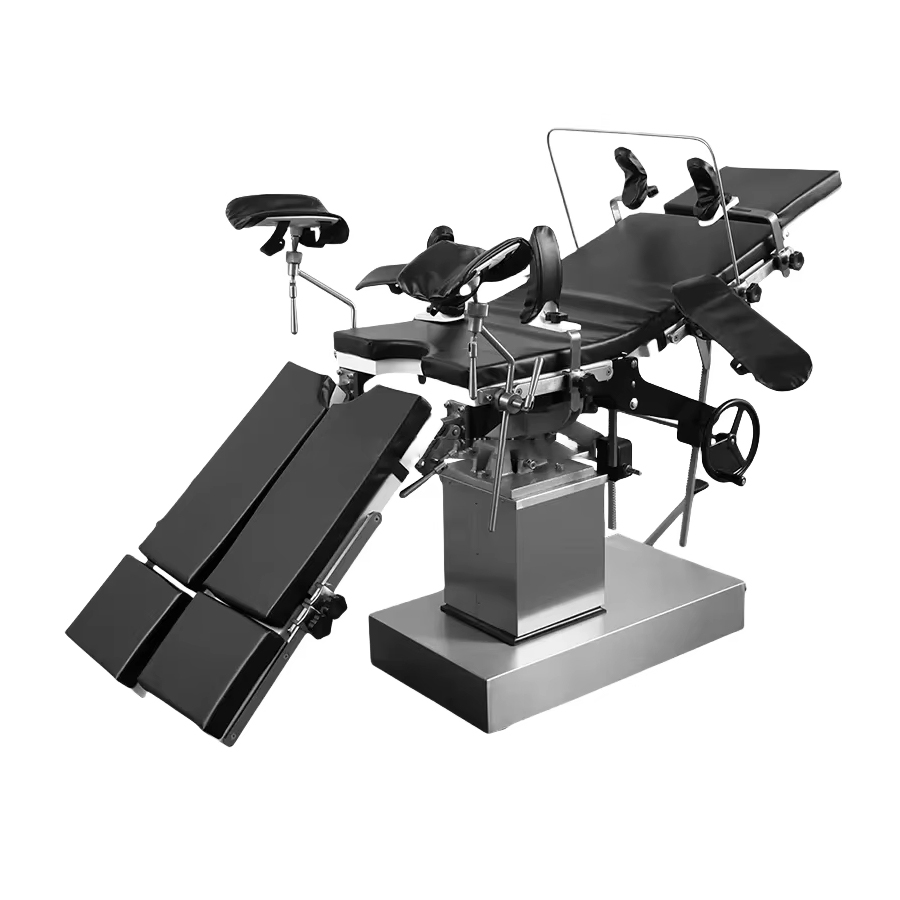
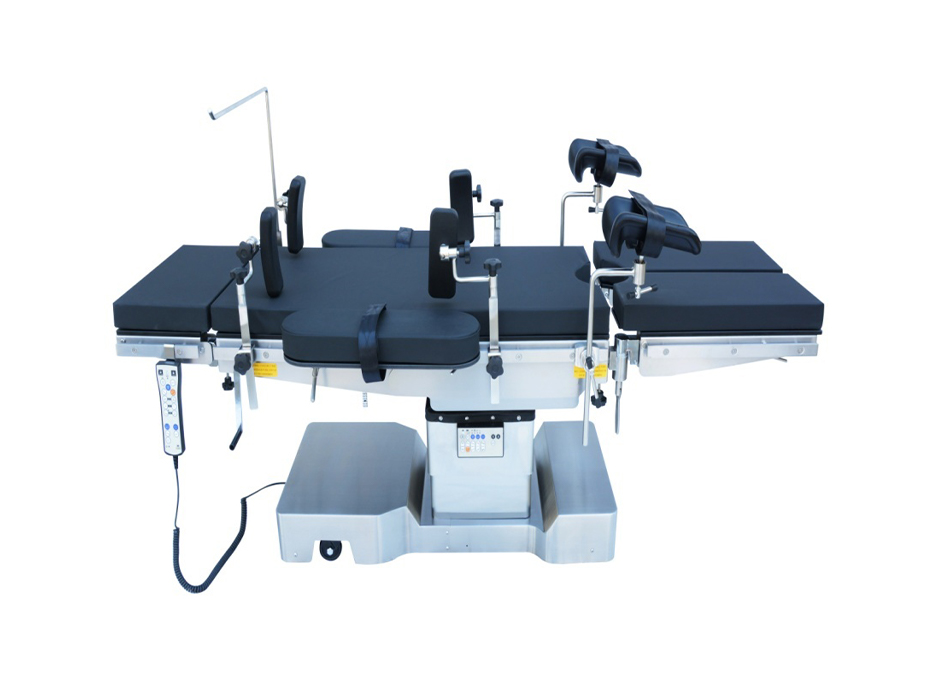
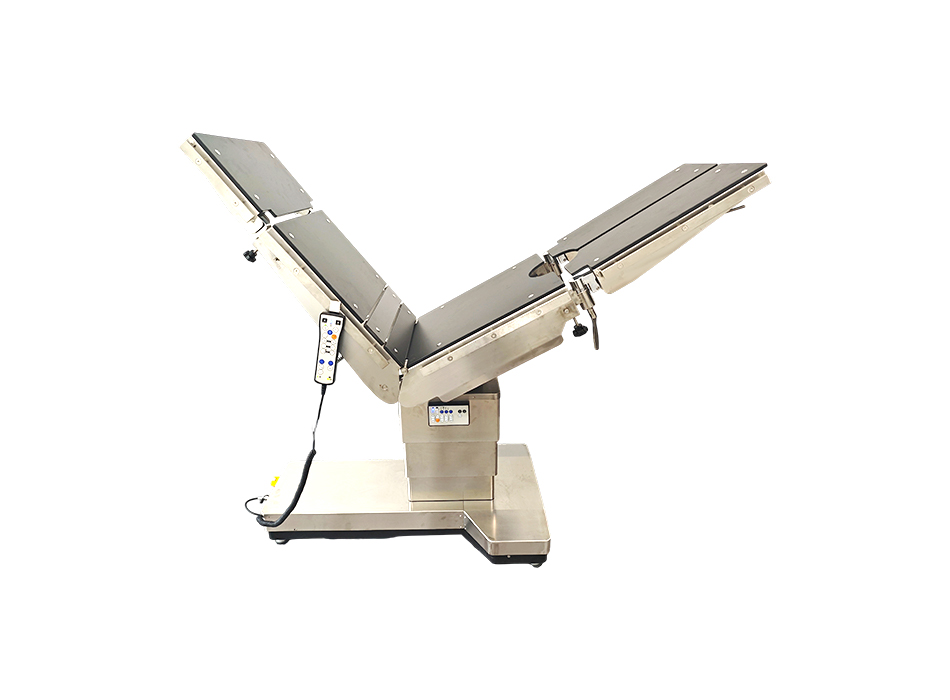
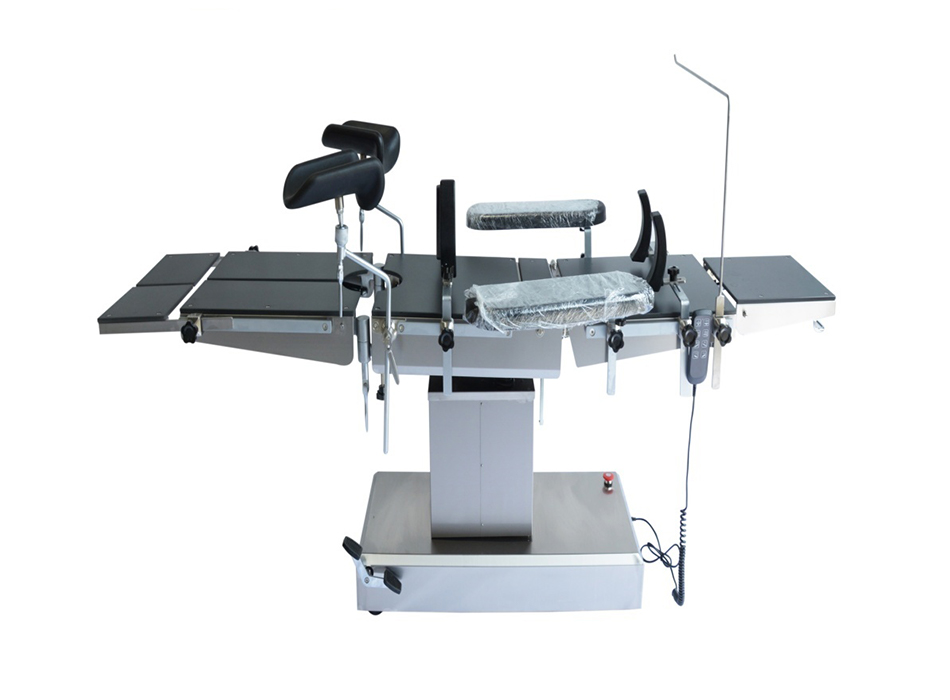
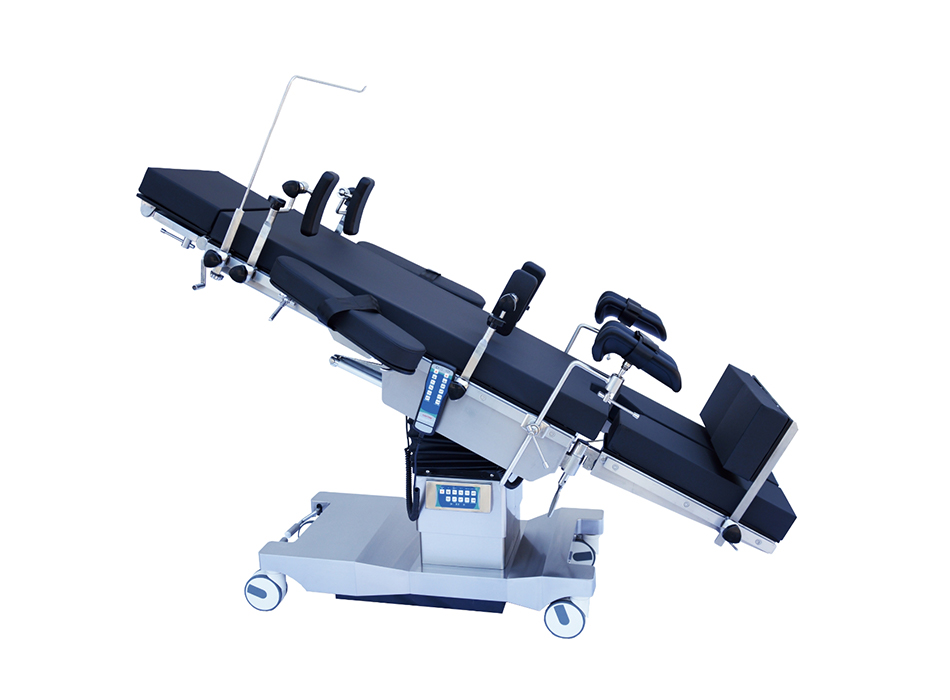
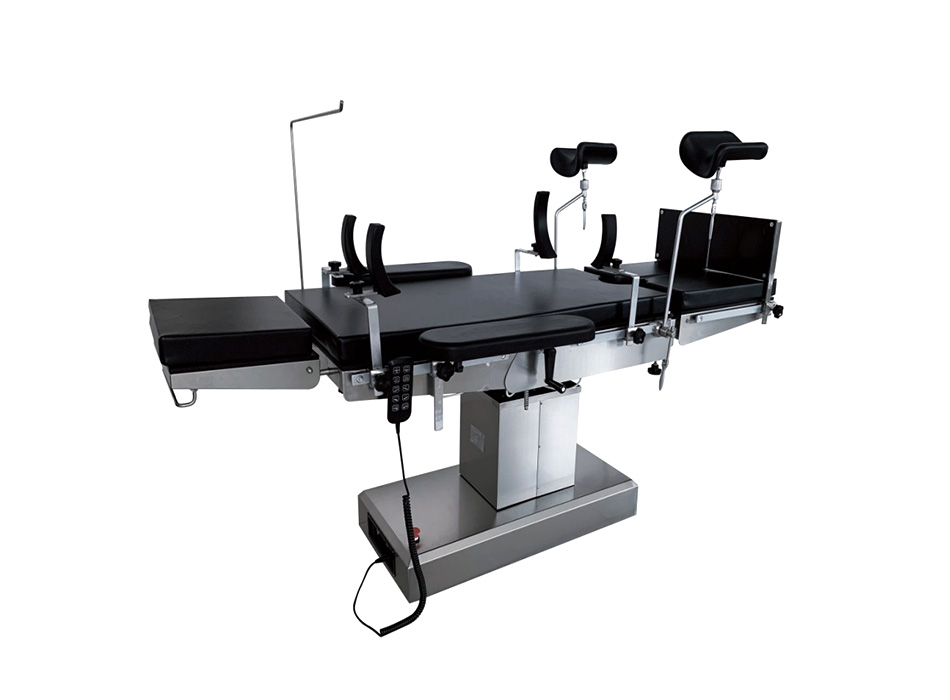 YGDH04G Electric Hydraulic Surgical Operating TableAn electric-hydraulic operating table with antibacterial upholstery, secure locking, and precise positioning, supporting sterile draping for perineal and obstetric procedures.View Product →
| Care Setting | Typical Drape | Coverage | Area Left Exposed |
|---|---|---|---|
| Routine pelvic examination | Diamond-folded flat sheet or disposable drape | Chest to the feet, sides wrapped around both legs | Perineum only, at the moment of examination |
| Vaginal delivery | Sterile pack: fenestrated sheet, leg covers, towels | Abdomen to the feet over both stirrups | Perineum, prepared as a sterile field for the birth |
| Lithotomy surgery | Fenestrated laparotomy or split sheet with sterile leg covers | Axilla or xiphoid to the feet | The sterile perineal operative field |
A drape is only as stable as the surface it rests on. Wobbling frames, stirrups that cannot be matched to the patient's hip width, and upholstery joints that trap moisture all work against clean, secure draping. Smooth, sealed surfaces and antibacterial finishes simplify disinfection between patients, which matters because the perineal zone of the table is the hardest area to keep uncontaminated. Equipment built with these demands in mind, such as antibacterial hospital furniture, reduces the cleaning burden on staff between examinations.
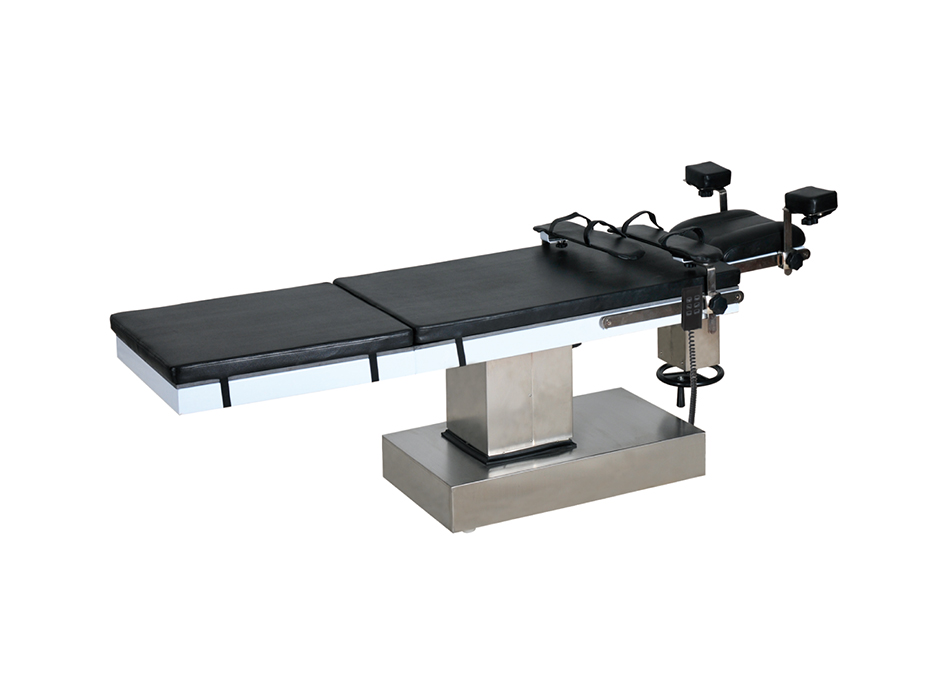
Yigao Medical manufactures the full chain of equipment around this position: examination couches for outpatient gynecology, manual and electric delivery beds for labor and birth, and electric-hydraulic operating tables for lithotomy surgery. The common thread is a stable, adjustable platform with a perineal cutout, so that draping, prep, and the procedure itself all happen on a surface that holds its position and cleans up fast.
Draping in lithotomy follows one rule with three levels of strictness: cover the patient in a diamond shape from the chest to the feet, expose only the perineal field, and match the drape's sterility to the task—a clean sheet for an examination, a sterile pack for a delivery, a fenestrated surgical sheet with leg covers for the operating room. The drape protects dignity, controls infection, and marks the working boundary, and its reliability depends on the table, stirrups, and surfaces underneath it being built for the job.

If you are interested in our products, please consult us
Copyright © 2026 Jiangsu Yigao Medical Equipment Technology Co., Ltd.

Custom Electric Medical Bed Manufacturers
The information provided on this website is intended for use only in countries and jurisdictions outside of the People's Republic of China.