Welcome to Jiangsu Yigao Medical


 ENG
ENG

 English
 Español
Welcome to Jiangsu Yigao Medical

The primary conclusion for healthcare facility management is that high-quality hospital trolleys are critical infrastructure that directly influence patient outcomes by reducing response times and maintaining sterile environments. A well-designed trolley system can improve nursing efficiency by up to 20% by ensuring that life-saving equipment and medications are organized, mobile, and immediately accessible. To achieve peak performance, facilities must prioritize medical-grade stainless steel or antimicrobial ABS plastic construction, high-precision casters, and modular drawer configurations.
In a modern medical environment, a "one-size-fits-all" approach to mobile carts is insufficient. Different departments require specific technical features to facilitate their unique workflows.
These are the most critical units in any hospital. They must feature breakaway locks for immediate access and specialized mounting for defibrillators, oxygen tanks, and IV poles. The color-coded drawer system (often following the Broselow tape method for pediatrics) ensures that practitioners can identify the correct medication under extreme stress.
Efficiency in bedside care relies on medication trolleys equipped with secure electronic locking mechanisms and computerized workstations (COWs). These allow nurses to verify patient data via EHR (Electronic Health Records) in real-time, significantly reducing medication administration errors, which currently account for nearly 5% of all hospital-related adverse events.
When procuring hospital trolleys, technical specs should be evaluated against the specific intensity of use and the sterilization protocols of the department.
| Feature | Stainless Steel (304) | ABS Plastic / Composite | Aluminum Alloy |
|---|---|---|---|
| Sterilization Suitability | High (Autoclave-safe) | Moderate (Chemical Wipe) | High (Corrosion Resistant) |
| Weight Class | Heavy Duty | Lightweight | Medium |
| Common Application | Operating Theaters | General Wards | Emergency/Critical Care |
Medical staff often push trolleys for several kilometers during a single shift. Poor ergonomics lead to workplace injuries and slower emergency responses.
In the post-pandemic era, every surface in a hospital is a potential vector for HAIs (Healthcare-Associated Infections). The trolley design must facilitate rapid and total disinfection.
Modern hospital trolleys should feature seamless, rounded edges to eliminate bacterial reservoirs found in sharp corners or grooves. Furthermore, the use of silver-ion impregnated materials can inhibit 99% of bacterial growth on the trolley surface between cleanings, providing an extra layer of bio-security in high-risk areas like Intensive Care Units (ICUs).
A construction-constructive approach involves integrating biohazard waste bins and sharps containers directly onto the trolley rail system. This ensures that contaminated materials are disposed of immediately at the point of care, minimizing the risk of cross-contamination across wards.
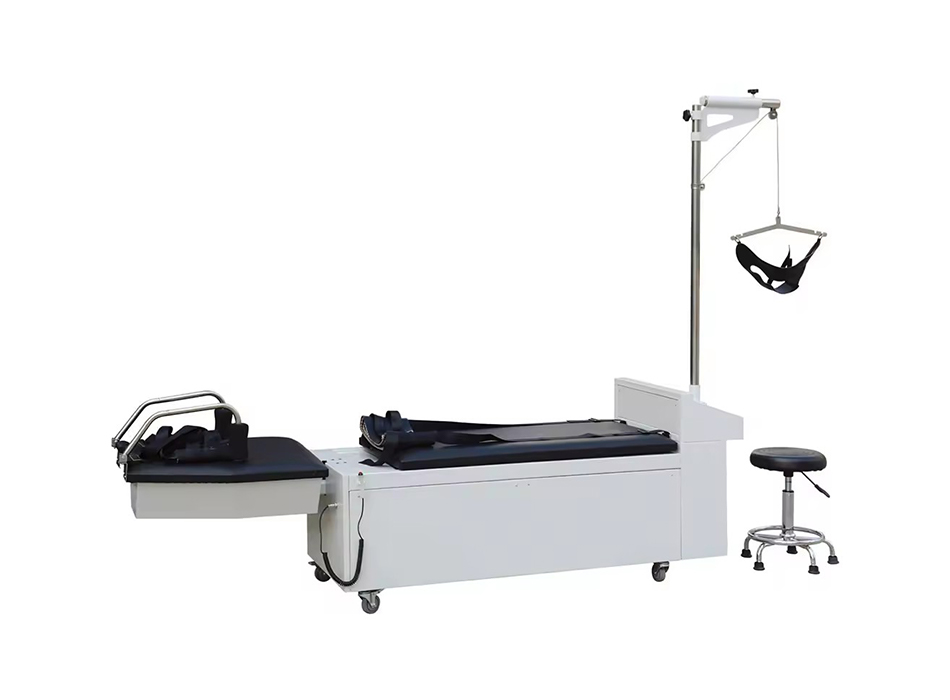
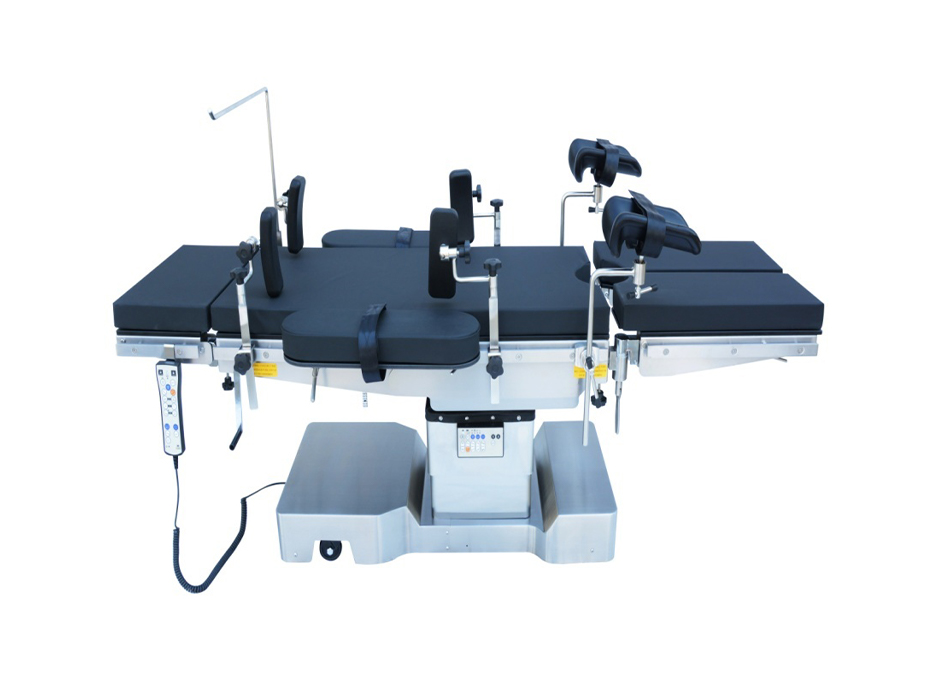
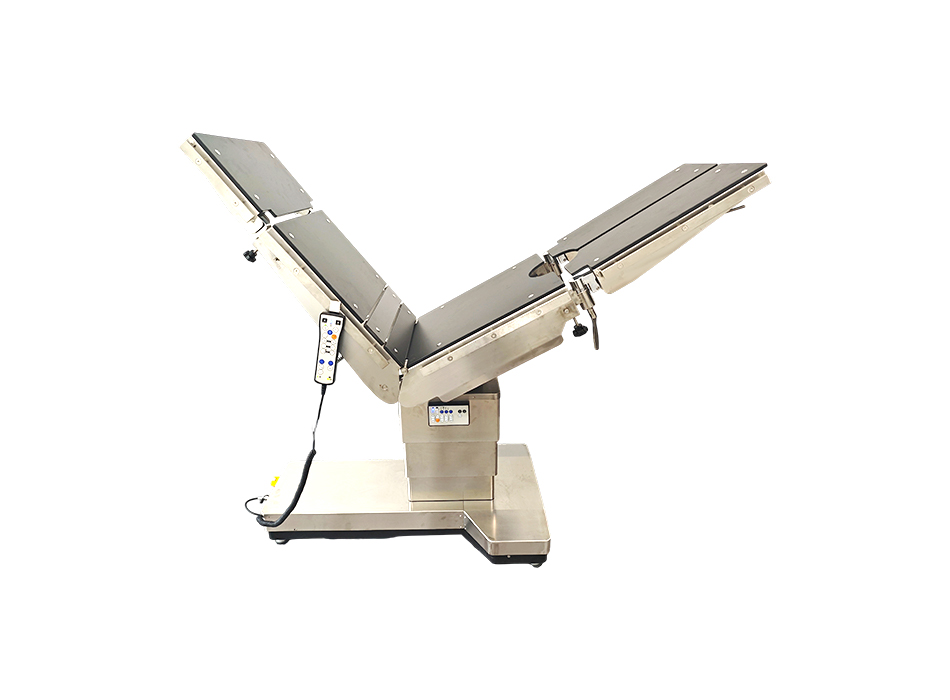
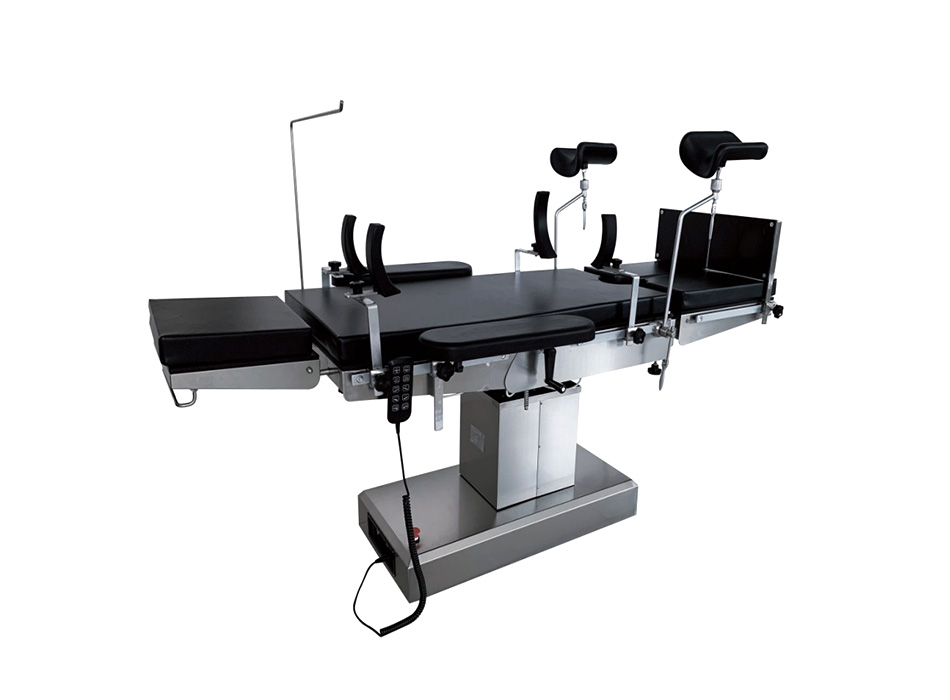
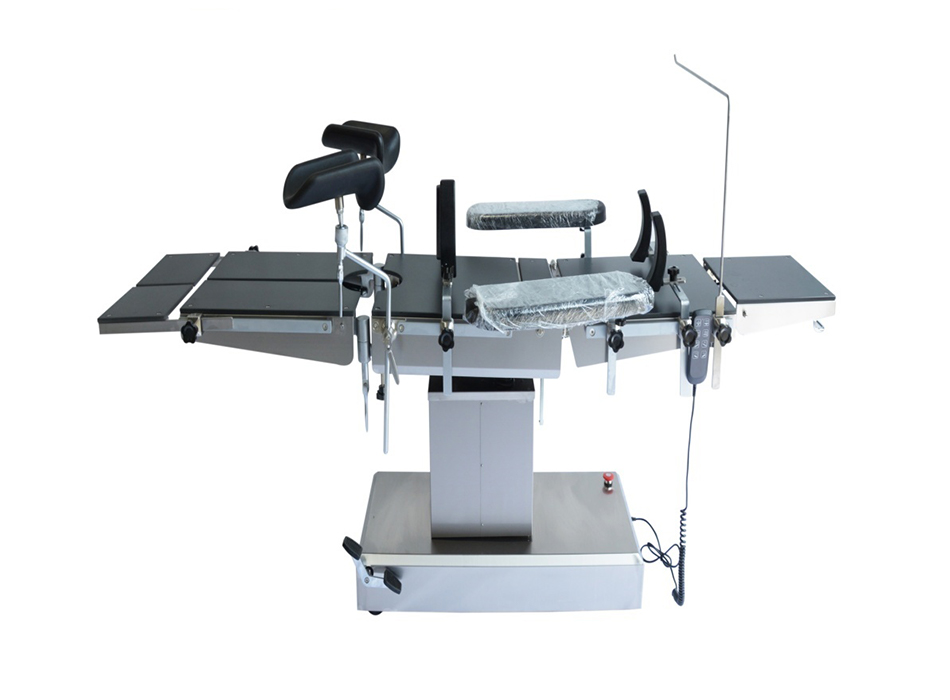
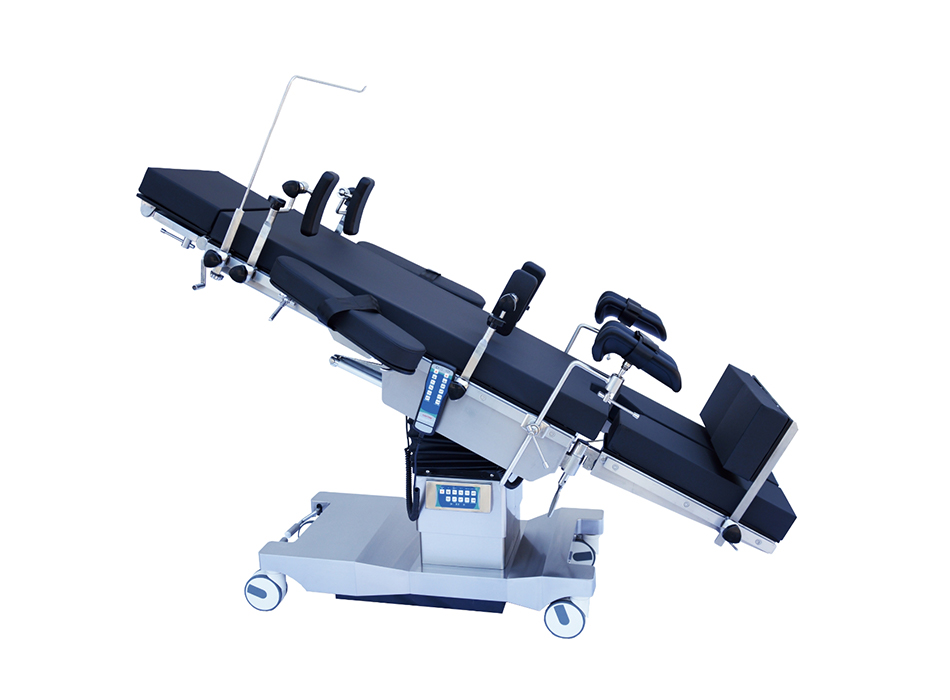
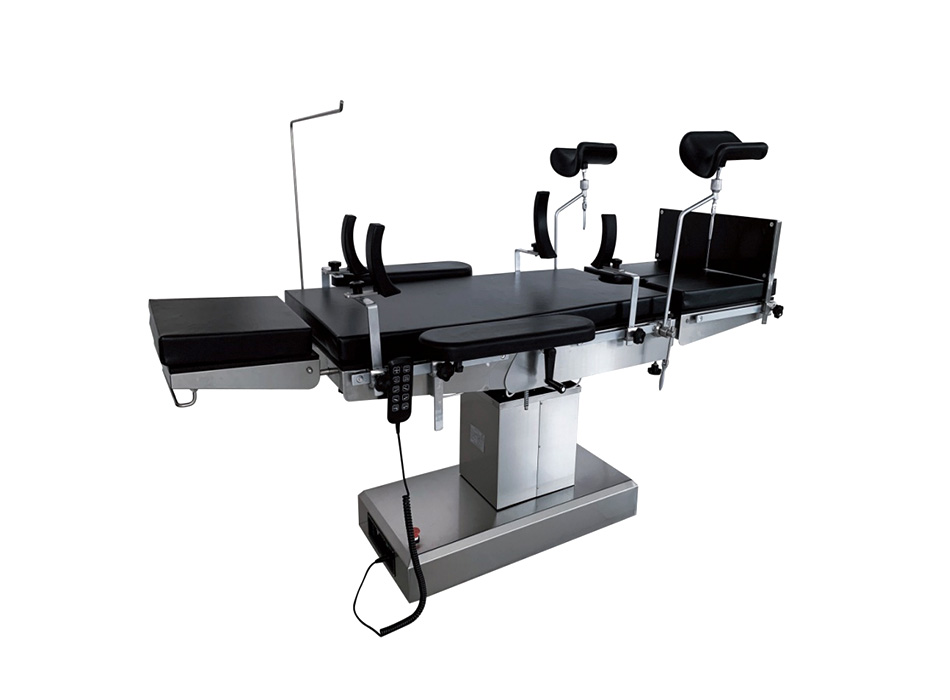
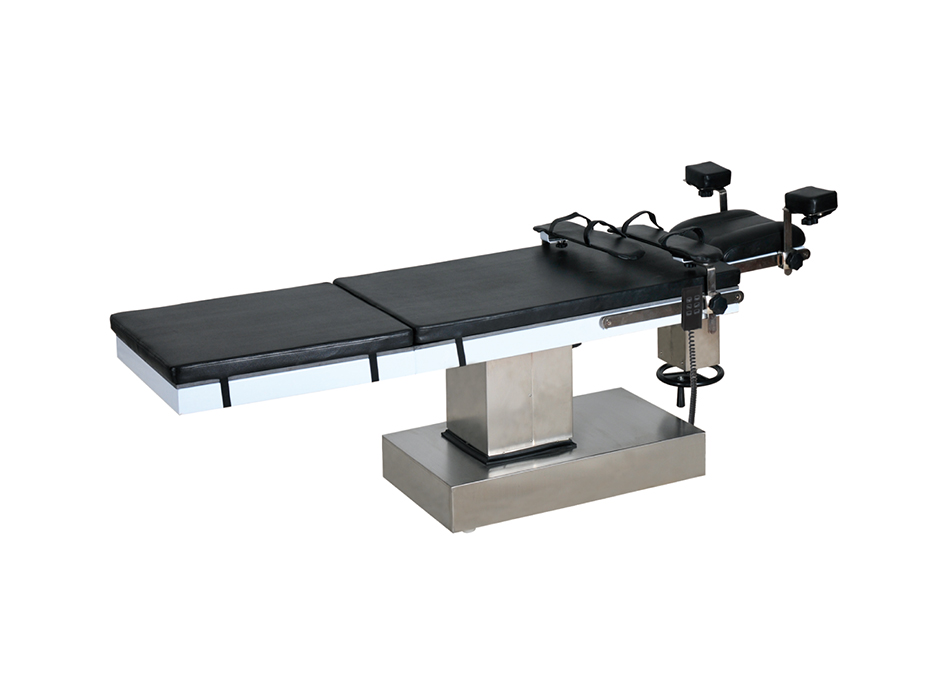
If you are interested in our products, please consult us
Copyright © 2026 Jiangsu Yigao Medical Equipment Technology Co., Ltd.

Custom Electric Medical Bed Manufacturers
The information provided on this website is intended for use only in countries and jurisdictions outside of the People's Republic of China.