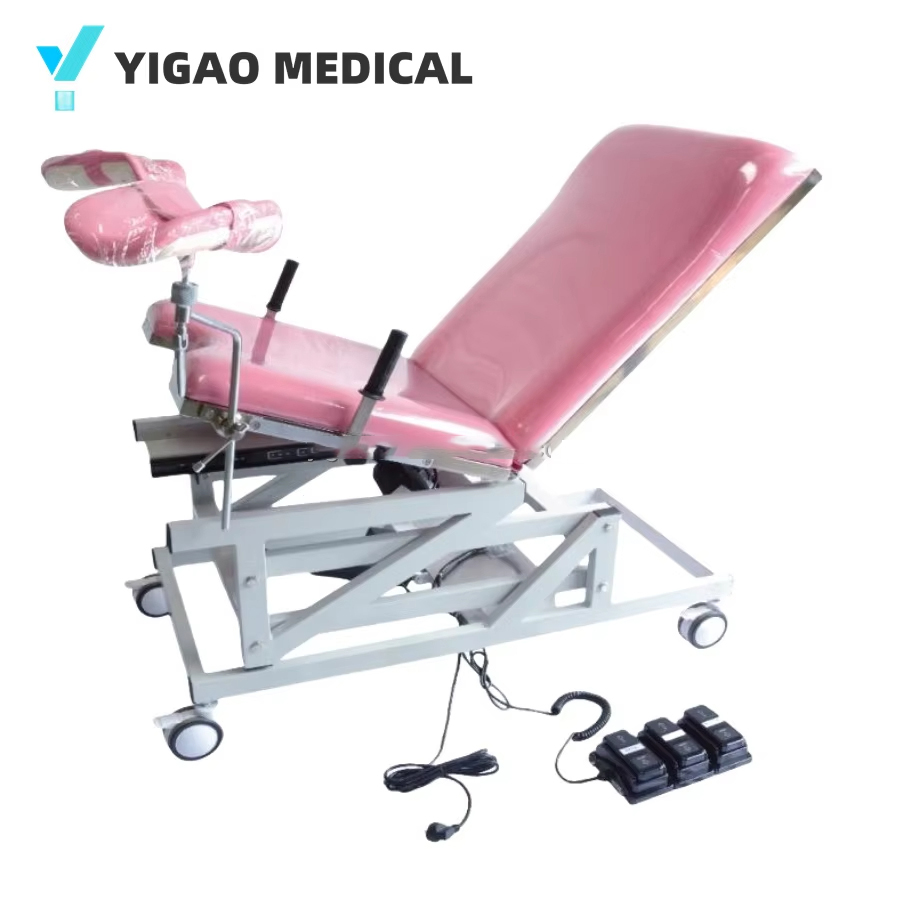
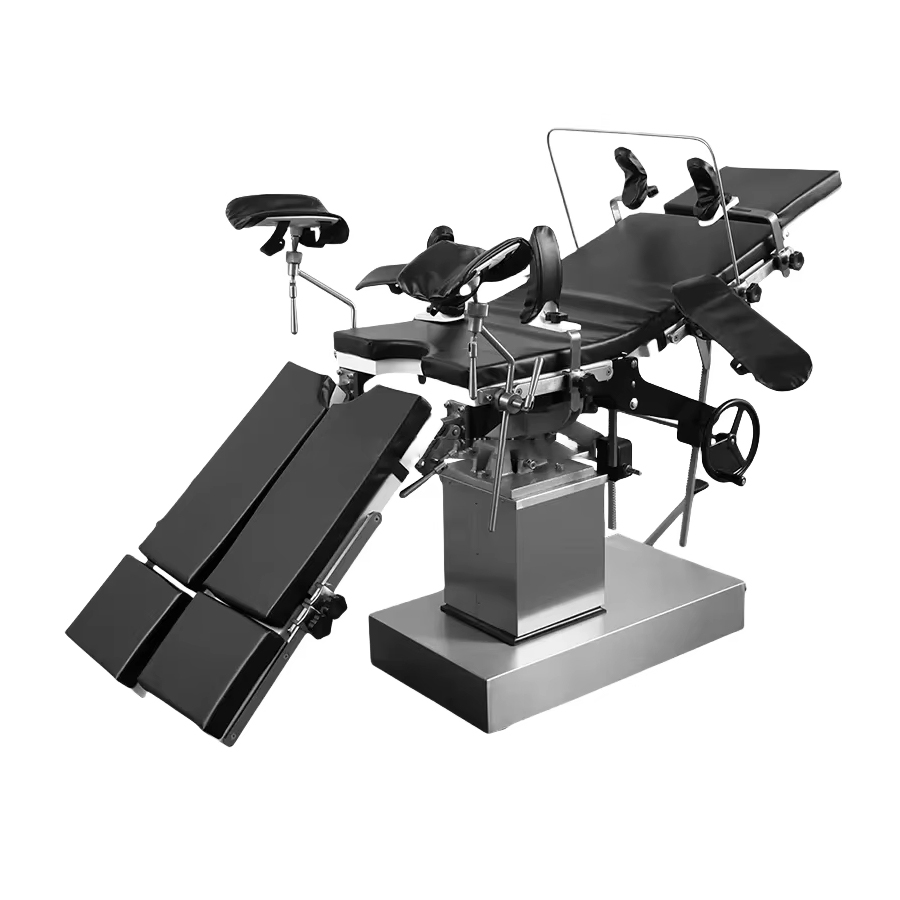
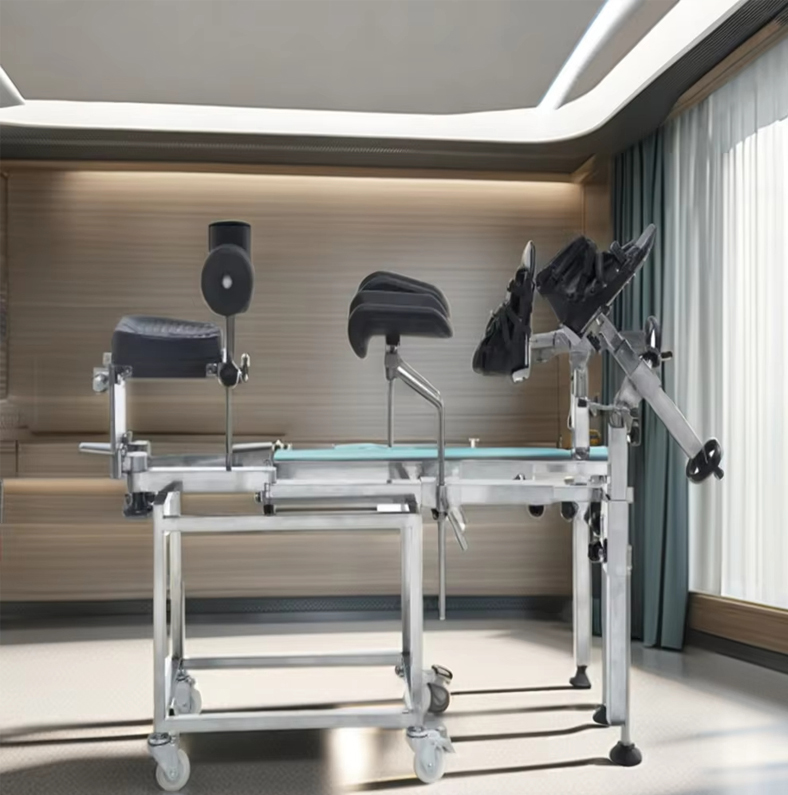
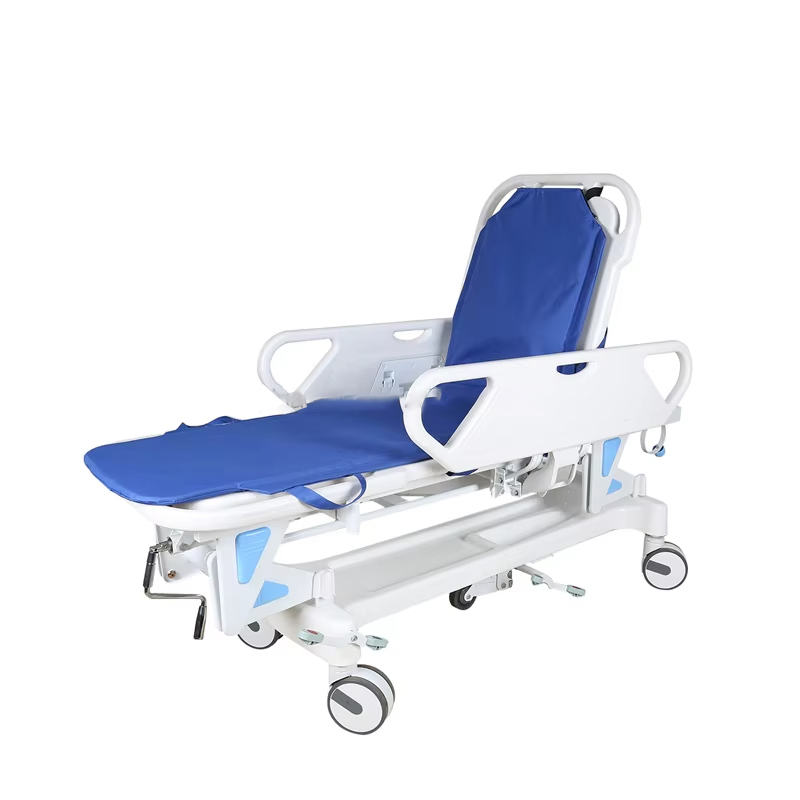
The three types of traction used in medical and orthopedic care are skin traction, skeletal traction, and manual traction. Each applies a controlled pulling force to realign bones, relieve nerve compression, or immobilize injured structures — but they differ fundamentally in how that force is applied, how much load they can sustain, and which conditions they treat. Modern delivery of all three types has been transformed by electric traction beds and multifunctional traction systems, which allow precise, programmable force application in both hospital and rehabilitation settings.
The Three Types of Medical Traction Defined
Choosing the correct traction type is a clinical decision based on injury severity, patient age, anatomical location, and treatment goal. Using the wrong type — for example, applying skin traction to a fracture requiring skeletal stabilization — risks inadequate reduction, pressure injuries, or neurovascular compromise.
Skin Traction
Skin traction applies pulling force indirectly through the skin and soft tissue using adhesive strips, foam boots, or bandages attached to a weight or mechanical system. Maximum safe load for skin traction is generally 4–5 kg (8–11 lbs) in adults, because higher forces cause skin breakdown, blistering, or nerve damage at the contact surface.
Common clinical applications include:
- Buck's traction — used pre-operatively for hip fractures to reduce muscle spasm and maintain limb alignment
- Russell's traction — combines vertical and horizontal pulls for femoral shaft fractures, primarily in children
- Cervical skin traction — applied via a halter to decompress cervical disc herniations in outpatient settings
Skin traction is considered a temporary measure in most orthopedic protocols, typically used for fewer than 48–72 hours before surgical intervention or transition to skeletal traction.
Skeletal Traction
Skeletal traction applies force directly to the bone via a surgically inserted pin, wire, or tong — bypassing soft tissue entirely. This method can sustain loads of 10–20 kg or more, making it the standard for managing complex femoral fractures, tibial plateau fractures, cervical spine injuries, and cases where prolonged traction over weeks is required.
The most common skeletal traction setups include:
- Steinmann pin or Kirschner wire traction — a steel pin inserted through the distal femur, proximal tibia, or calcaneus, attached to a traction bow and weighted rope system on an orthopedic traction frame
- Gardner-Wells tongs — used for cervical spine fractures and dislocations, inserted into the outer table of the skull to apply axial cervical traction of 3–15 kg depending on the level and severity of injury
- Halo traction — a ring fixed to the skull with pins, allowing ambulatory traction in cervical spine management
Because skeletal traction breaches the skin, pin site infection is the most common complication, occurring in 2–30% of cases depending on technique, duration, and pin site care protocol.
Manual Traction
Manual traction is applied by a clinician's hands — a physical therapist, chiropractor, or osteopath — using body weight and positioning to create distraction forces across a joint or spinal segment. While it lacks the sustained, measurable force of mechanical traction, manual traction remains a first-line intervention for acute cervical and lumbar radiculopathy in outpatient rehabilitation, with clinical evidence supporting short-term pain reduction and improved mobility.
Manual traction is also the foundation of intermittent mechanical traction protocols: the force-rest-force cycling mimics the rhythm of hands-on mobilization, which research suggests produces better outcomes than continuous static traction for disc-related conditions. Typical therapeutic forces in manual-equivalent mechanical traction are 7–15 kg for cervical spine and 20–60 kg for lumbar spine treatment.
Medical Traction: Clinical Indications and Contraindications
Traction is not appropriate for all musculoskeletal conditions. Understanding when to apply — and when to withhold — traction is as important as knowing the technique itself.
| Condition |
Traction Type |
Goal |
Evidence Level |
| Cervical disc herniation with radiculopathy |
Manual / Mechanical |
Nerve root decompression |
Moderate |
| Lumbar disc herniation |
Mechanical (intermittent) |
Intradiscal pressure reduction |
Moderate |
| Hip fracture (pre-operative) |
Skin (Buck's) |
Spasm relief, alignment |
Low–Moderate |
| Femoral shaft fracture |
Skeletal |
Fracture reduction and hold |
High |
| Cervical spine dislocation |
Skeletal (tongs/halo) |
Spinal realignment |
High |
| Scoliosis (Cotrel traction) |
Skeletal / Halo |
Pre-surgical curve correction |
Moderate |
Clinical indications for each type of medical traction with therapeutic goal and evidence level.
Absolute contraindications to mechanical traction include active malignancy involving the spine, spinal instability, vertebral fracture, osteoporosis with high fracture risk, and pregnancy (for lumbar traction). Relative contraindications include severe hypertension, acute inflammatory arthritis, and claustrophobia that prevents safe positioning.
Orthopedic Traction Frame: Structure, Function, and Setup
An orthopedic traction frame is the structural scaffold that holds ropes, pulleys, weights, and splints in the precise geometric configuration required to deliver effective traction. Without a correctly assembled and positioned frame, even the correct traction weight and vector become therapeutically useless or actively harmful.
Core Components of a Traction Frame
- Overhead beam or Balkan frame: a horizontal bar spanning the length of the hospital bed, supported by vertical uprights clamped to the bed frame — provides mounting points for all pulleys and suspension equipment
- Pulleys: redirect the traction rope to the desired angle; the pulley angle determines the traction vector — even a 10° deviation from the intended angle can significantly alter the mechanical effect on the fracture site
- Thomas splint or Pearson attachment: a ring-and-rod metal splint that cradles the thigh and lower leg, used with skeletal pin traction for femoral fractures; the Pearson knee flexion piece allows controlled knee bend during prolonged femoral traction
- Weight carrier and weights: calibrated weights in 0.5 kg or 1 kg increments allow precise load titration; the weight must hang freely without touching the bed or floor, or traction force is lost
- Foot plate and counter-traction block: elevating the foot of the bed uses the patient's body weight as counter-traction, avoiding the need for a fixed foot block that restricts patient movement
Frame Setup for Lower Limb Skeletal Traction
For a standard tibial pin traction setup for femoral fracture management:
- Assemble the Balkan frame to the bed with all four uprights securely tightened
- Position the Thomas splint with the ring snug against the ischial tuberosity — not compressing it
- Attach the Pearson knee flexion piece at approximately 20–30° of knee flexion to relax the posterior capsule
- Thread the traction rope from the tibial pin bow through the foot pulley and over a bed-end pulley to the hanging weights
- Elevate the foot of the bed 15–20 cm to provide counter-traction via gravity
- Verify that the rope runs in a straight line from the pin to the pulley — any lateral deviation alters the fracture reduction vector
Initial traction weight for femoral fractures is typically 10% of body weight, adjusted based on clinical and radiographic assessment at 24–48 hours.
Electric Traction Bed: Features, Advantages, and Clinical Use
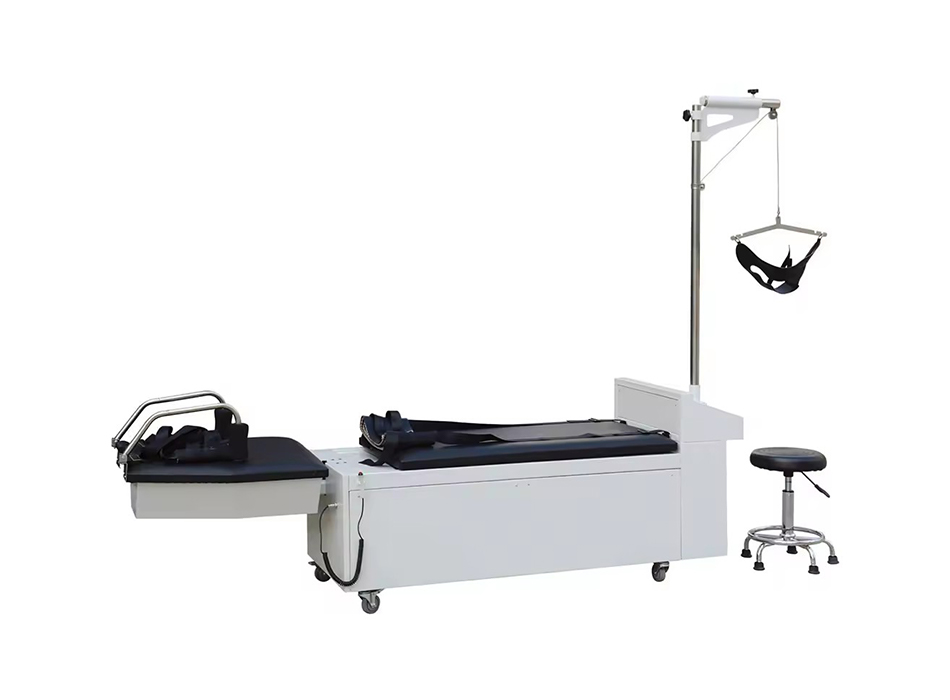
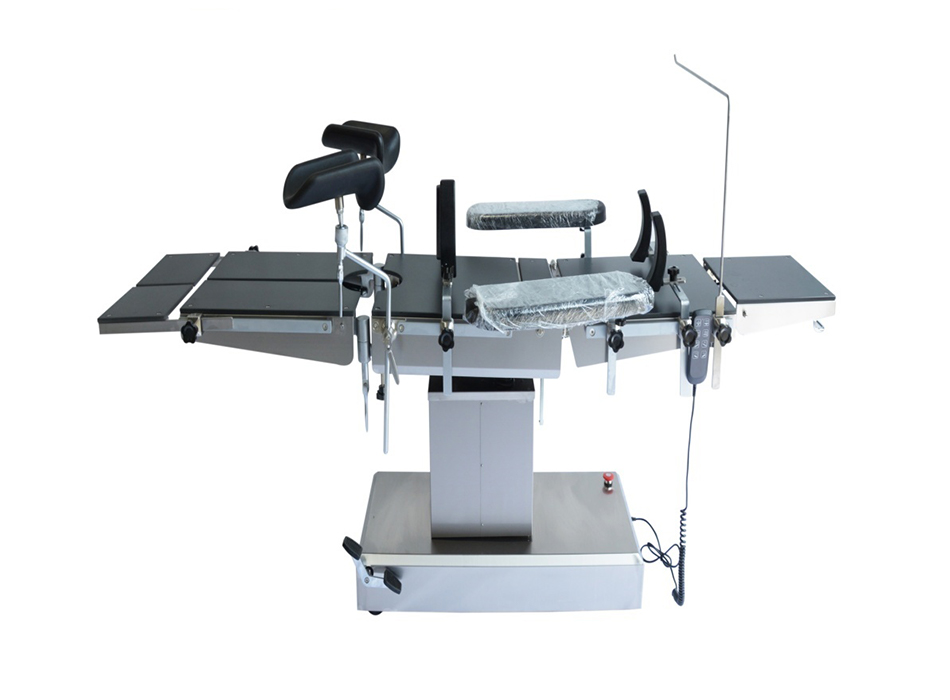
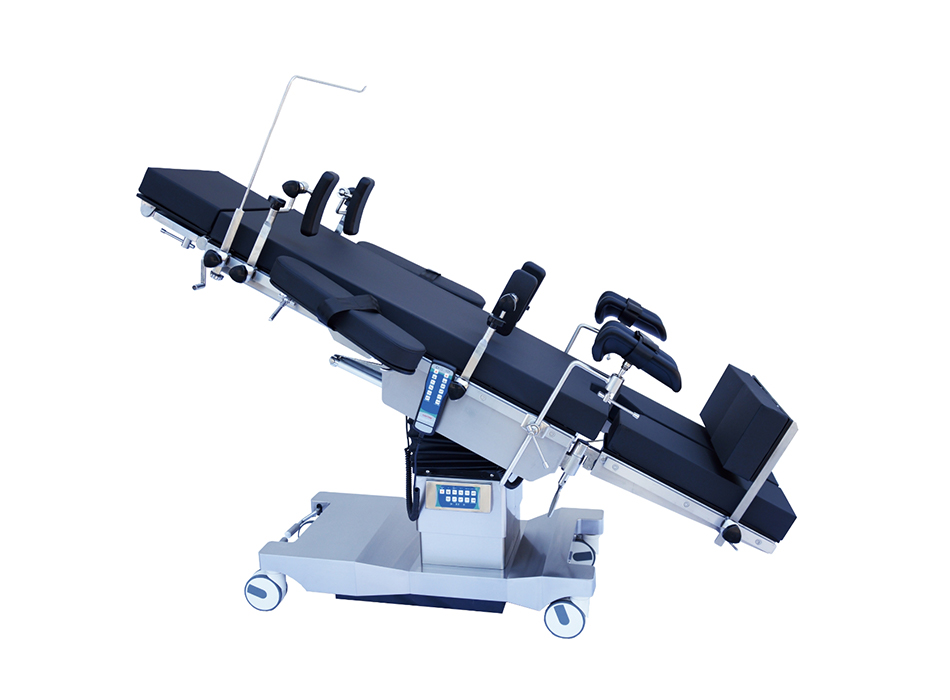
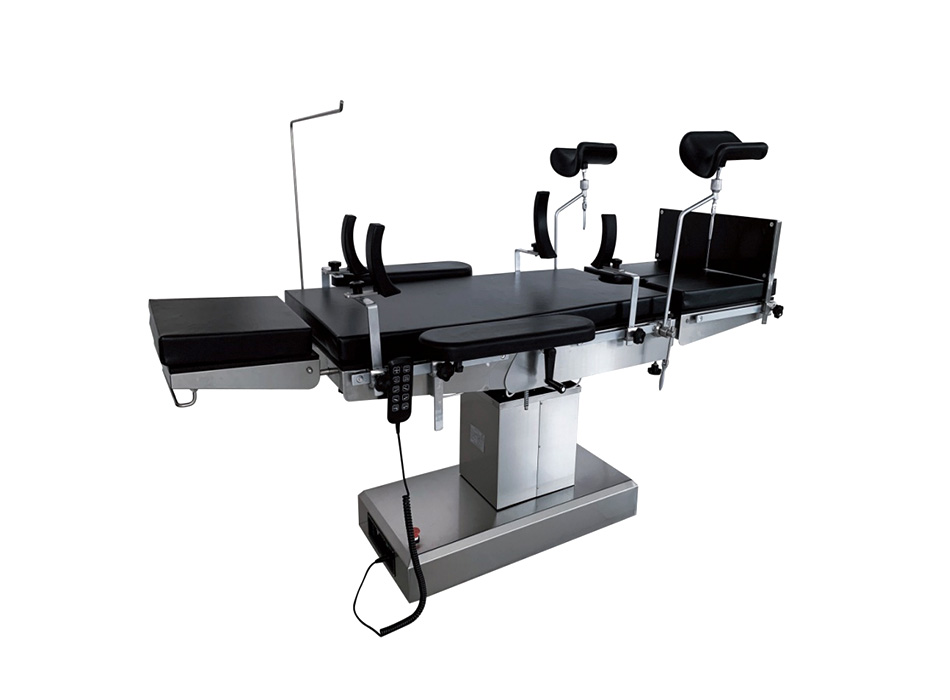
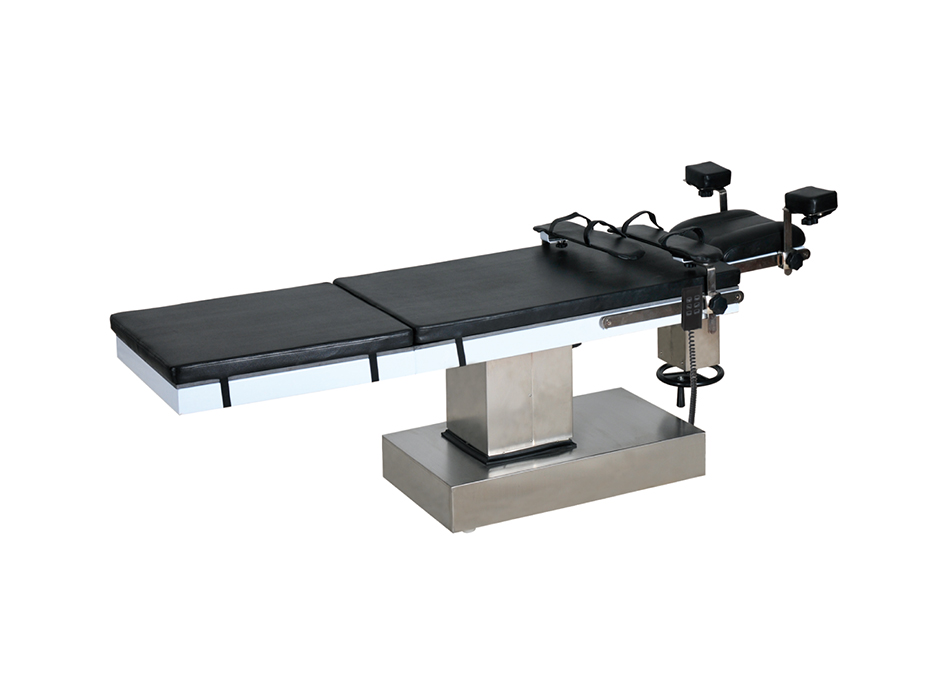
An electric traction bed integrates motorized traction mechanisms directly into an adjustable patient bed platform, replacing the gravity-weight-and-pulley system of traditional orthopedic frames with digitally controlled, programmable traction force delivery. Modern electric traction beds are the standard equipment in physical therapy clinics, spine rehabilitation centers, and hospital orthopedic wards globally.
How an Electric Traction Bed Works
The bed's motorized traction unit drives a harness system — cervical or pelvic — through a lead screw or servo mechanism. A digital control panel allows the clinician to set:
- Traction force: adjustable in increments as fine as 0.5 kg, typically ranging from 1–60 kg for lumbar traction and 1–20 kg for cervical traction
- Traction mode: static (continuous constant force), intermittent (cycling between hold and rest phases), or progressive (gradually increasing force over a session)
- Hold and rest times: intermittent protocols typically use 30–60 second hold periods with 10–20 second rest phases
- Total session duration: standard sessions range from 15–30 minutes depending on indication and patient tolerance
- Treatment angle: many electric traction beds allow the patient platform to tilt, altering the spinal angle and targeting different vertebral levels
Key Advantages Over Traditional Traction Frames
Electric traction beds offer significant clinical and operational advantages:
- Reproducibility: force is electronically measured and held constant, eliminating the variability of manually applied or weight-based traction
- Safety cutoff: load cells detect sudden changes in resistance (patient movement, muscle spasm) and automatically halt traction, reducing injury risk
- Patient comfort: motorized platforms allow smooth position adjustment without manual handling, important for acute pain patients
- Data logging: advanced models record force, duration, and session parameters electronically for clinical documentation
Multifunctional Traction Bed: Capabilities and Selection Guide
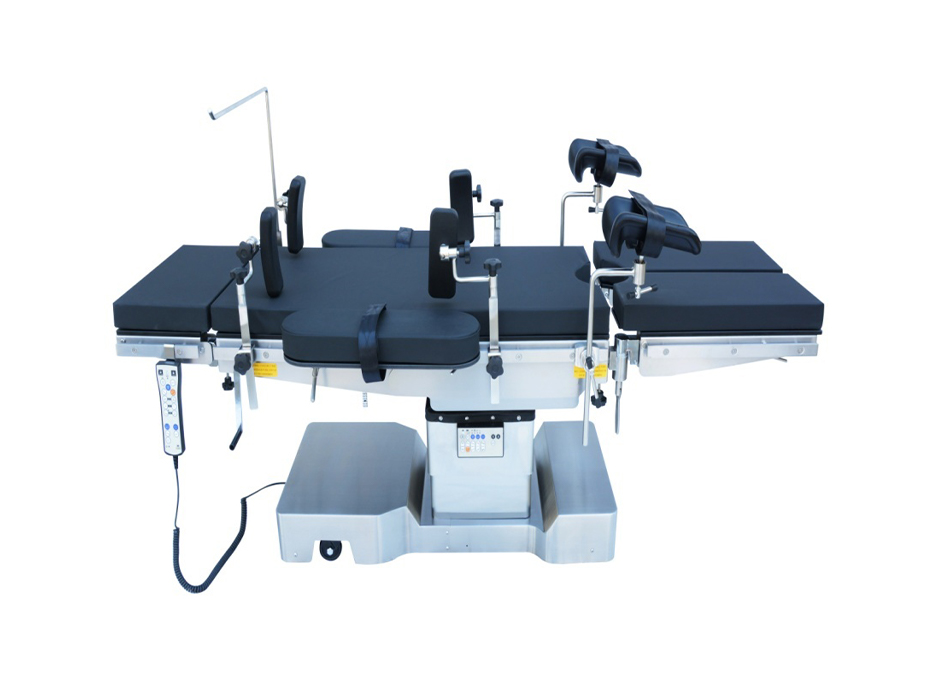
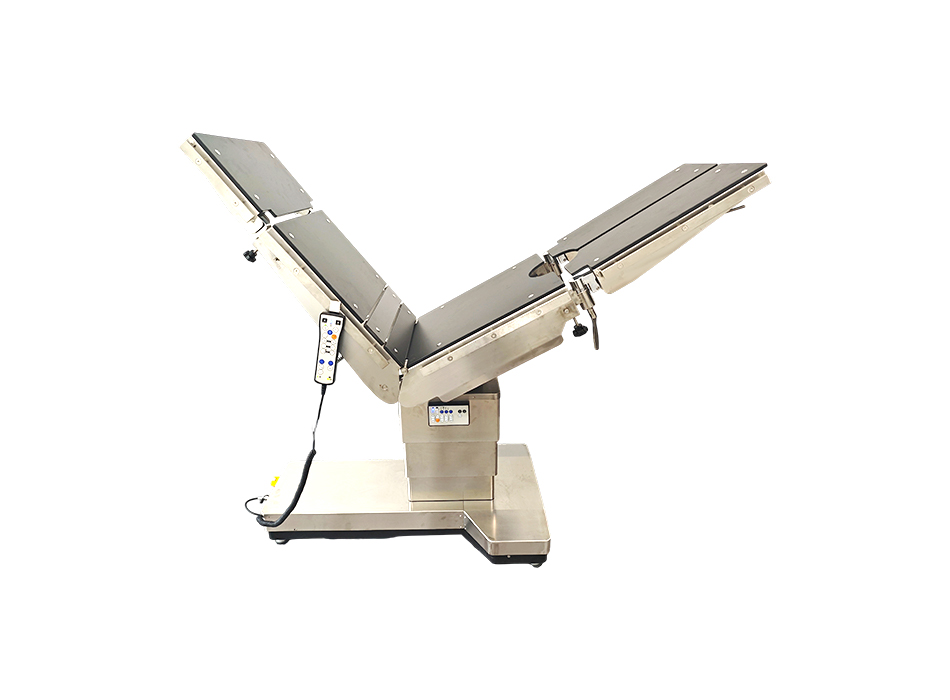
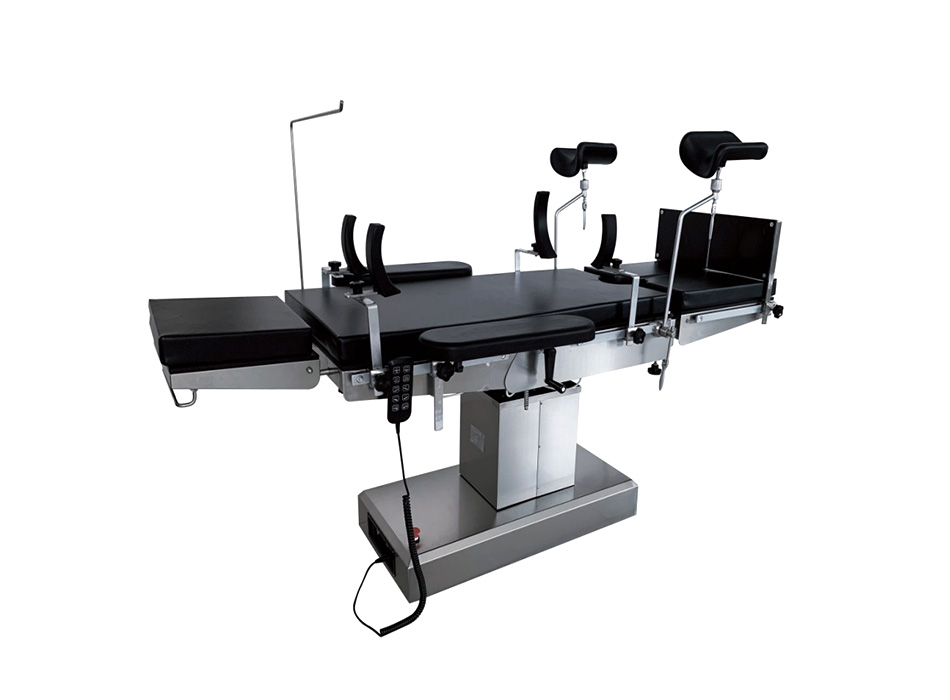
A multifunctional traction bed combines electric traction with a full range of adjustable bed functions — height adjustment, Trendelenburg and reverse-Trendelenburg positioning, backrest and leg section articulation, and often integrated heat therapy or vibration modules. These beds are designed to replace multiple pieces of equipment in a single platform, making them the preferred choice for spine rehabilitation centers, orthopedic wards, and high-volume physiotherapy clinics.
Core Functions of a Multifunctional Traction Bed
| Function |
Clinical Purpose |
Typical Specification |
| Cervical traction |
Disc decompression, radiculopathy |
0–20 kg, static/intermittent |
| Lumbar traction |
Disc herniation, spinal stenosis |
0–60 kg, static/intermittent/progressive |
| Electric height adjustment |
Clinician ergonomics, patient transfer |
45–90 cm range typical |
| Backrest articulation |
Position-specific traction, post-treatment rest |
0–75° range |
| Leg section adjustment |
Hip and lumbar positioning during traction |
0–45° range |
| Infrared / heat therapy |
Muscle relaxation pre-traction |
38–45°C surface temperature |
| Split-table design |
Gravity-assisted lumbar distraction |
Lower section drops independently |
Functions and clinical purposes of a multifunctional traction bed platform.
How to Choose a Multifunctional Traction Bed
When selecting a traction bed for a clinical facility, evaluate these factors:
- Maximum traction load and accuracy: confirm the bed's stated maximum force and whether it is measured by a calibrated load cell or estimated by motor current — load cell measurement is significantly more accurate and essential for clinical protocols
- Weight capacity of the platform: patient platform load ratings range from 150 kg to 300 kg; bariatric settings require platforms rated at a minimum of 250 kg
- Cervical and lumbar capability in one unit: a dual-function bed eliminates the need for two separate traction tables, reducing cost and floor space by 40–50% in small to medium clinics
- Control panel usability: touchscreen interfaces with preset program memory save setup time and reduce parameter entry errors during busy clinic sessions
- Safety features: look for emergency stop buttons accessible to both the patient and clinician, automatic force reduction on patient movement detection, and harness quick-release systems
- Maintenance and serviceability: confirm availability of local service technicians and spare parts; drive mechanisms and load cells are the highest-wear components and require periodic calibration — typically every 12 months in high-volume facilities
Comparing Traction Delivery Systems: Traditional Frame vs. Electric vs. Multifunctional
| Feature |
Orthopedic Traction Frame |
Electric Traction Bed |
Multifunctional Traction Bed |
| Force control |
Manual (weights) |
Electronic (motor + load cell) |
Electronic (motor + load cell) |
| Force precision |
±0.5–1.0 kg (weight increments) |
±0.1–0.5 kg |
±0.1–0.5 kg |
| Traction modes |
Static only |
Static, intermittent, progressive |
Static, intermittent, progressive |
| Skeletal traction capability |
Yes |
No |
No |
| Rehab / physiotherapy use |
Limited |
Yes |
Yes |
| Integrated bed functions |
No |
Partial |
Full |
| Typical cost range |
$200–$800 (frame only) |
$2,000–$8,000 |
$5,000–$20,000+ |
| Best setting |
Inpatient orthopedic ward |
Outpatient physiotherapy clinic |
Spine center, rehab hospital |
Comparison of traction delivery systems across key clinical, technical, and cost parameters.
Safe Use of Traction: Clinical Protocols and Monitoring
Regardless of the traction type or equipment used, patient safety depends on consistent clinical monitoring throughout every session. Key protocol points include:
- Baseline neurovascular assessment: document distal pulse, sensation, and motor function before and after every traction session — any deterioration is grounds for immediate discontinuation
- Force titration: always begin at 30–50% of the target therapeutic force and increase gradually over 2–3 sessions; sudden full-force application commonly triggers protective muscle spasm that negates the therapeutic effect
- Patient positioning: lumbar traction is typically applied with the hips and knees flexed to 60–90° to flatten lumbar lordosis and maximize intervertebral space opening; cervical traction is most effective at 15–25° of neck flexion for lower cervical levels
- Post-traction rest: patients should remain supine for 5–10 minutes after mechanical traction before standing; the intradiscal pressure changes induced by traction temporarily reduce disc stability, increasing fall risk if the patient rises immediately
- Session frequency: most clinical protocols recommend 3–5 sessions per week for 2–4 weeks as an initial course, with reassessment of response at the end of week two
Common Mistakes in Traction Application and Equipment Selection
- Applying continuous traction where intermittent is indicated. For disc herniations, continuous lumbar traction can provoke sustained muscle guarding that increases rather than decreases intradiscal pressure. Intermittent mode is clinically preferred for disc pathology in the majority of published protocols.
- Using a traction frame without correct counter-traction. If the bed foot is not elevated or a counter-traction harness is not used, the patient simply slides toward the traction force and no effective distraction force is generated at the target joint.
- Selecting a multifunctional bed based on feature list alone. Load cell accuracy and the quality of the traction drive mechanism determine clinical outcomes far more than the number of listed functions. Always request calibration documentation and test force accuracy before purchase.
- Neglecting harness fit for lumbar traction. An incorrectly fitted pelvic harness transfers traction force to the iliac crests or greater trochanters rather than the lumbar spine, causing pressure sores and delivering no therapeutic benefit to the disc.
- Continuing traction despite symptom centralization failure. Mechanical traction for lumbar radiculopathy should demonstrate measurable pain centralization within 3–5 sessions. Absence of clinical response by session five is a strong indicator to discontinue and reassess the diagnosis.
 Welcome to Jiangsu Yigao Medical

 ENG
ENG

 English
 Español