Welcome to Jiangsu Yigao Medical


 ENG
ENG

 English
 Español
Welcome to Jiangsu Yigao Medical

A surgical pendant is a ceiling-mounted medical equipment system installed in operating rooms and intensive care units to organize and deliver medical gases, electrical power, data connections, and equipment shelving directly to the point of care. It eliminates floor-level clutter, reduces cross-contamination risks, and gives surgical teams instant access to critical utilities without repositioning or searching for supply lines. Whether you're specifying a new OR build-out or upgrading an existing facility, understanding how surgical pendants work and how to choose the right configuration is essential.
A surgical pendant is a motorized or manually articulated arm system that drops from a reinforced ceiling mount. It carries a service head — the terminal unit — that consolidates gas outlets (oxygen, nitrous oxide, medical air, vacuum, CO₂), electrical outlets, data ports, and often equipment trays or monitor arms into one reachable column at the operating table.
The arm assembly typically uses one of two movement types:
Gas lines run internally through the arm, keeping hoses off the floor and reducing trip hazards. Electrical circuits are isolated from gas pathways to meet IEC 60601-1 leakage current requirements.
Surgical pendants are generally divided by their clinical function into two categories, though hybrid configurations are increasingly common.
Positioned at the head of the patient, the anesthesia pendant focuses on gas delivery and anesthesia machine support. Typical features include multiple O₂, N₂O, and medical air outlets; an integrated scavenging system outlet; and 8–12 electrical sockets. It often includes a dedicated shelf or rail for the anesthesia workstation and a secondary tray for drugs and consumables.
Positioned lateral to the surgical field, these pendants prioritize equipment management. They carry video monitors, electrosurgical units, laparoscopic towers, and infusion pumps. A well-specified surgical pendant can hold up to 150 kg of equipment, removing every piece of floor-level cart from the sterile field periphery.
Single-pendant systems that integrate anesthesia, surgical, and nursing functions onto one or two arms. Common in compact ORs or budget-constrained renovations; they reduce ceiling mounting points but can crowd the sterile field if not carefully planned.
Not all surgical pendants are equal. The table below compares the most critical specification parameters across different application scenarios.
| Specification | General OR | Hybrid OR / Cath Lab | ICU / HDU |
|---|---|---|---|
| Gas outlets | O₂, N₂O, Air, VAC, CO₂ | O₂, Air, VAC (N₂O often omitted) | O₂, Air, VAC |
| Electrical sockets | 8–16 | 16–24 (incl. isolated circuits) | 6–12 |
| Load capacity | 80–120 kg | 120–200 kg | 40–80 kg |
| Height adjustment | Manual or motorized | Motorized (essential) | Manual typical |
| Data / IT ports | 2–4 RJ45 + USB | 4–8 RJ45 + fiber | 2–4 RJ45 + USB |
| Surface material | Powder-coated steel / ABS | Stainless steel preferred | Powder-coated / ABS |
Surface cleanability is often underweighted during procurement. Powder-coated steel degrades after repeated wiping with chlorine-based disinfectants; stainless steel or medical-grade ABS with sealed seams resists chemical erosion over a 15–20 year service life.
Surgical pendants are heavy, and they concentrate that weight at a single ceiling anchor. A fully loaded double-arm pendant with equipment can exceed 300 kg of combined static and dynamic load. Most manufacturers require a structural steel insert or concrete ceiling capable of withstanding a minimum of 5× the rated load, typically 1,000–1,500 N downward and 500 N lateral.
Installation considerations include:
Purchasing a surgical pendant without confirming compliance to the relevant standards creates liability during hospital accreditation. The following standards govern design and installation.
The upfront cost of a surgical pendant system — typically $15,000–$80,000 USD per pendant depending on specification — represents only part of the true expenditure over a 15-year asset life.
Factor in:
Facilities that negotiate multi-pendant contracts (5+ units) routinely achieve 15–25% reductions on both equipment and maintenance pricing — consolidating procurement across an OR suite expansion is a significant lever.
Most surgical pendant issues are preventable with better specification and commissioning practices. The following problems appear repeatedly in hospital equipment management records.
The arm slowly swings under load after being positioned. This is caused by worn friction brake pads — typically appearing after 50,000–80,000 cycles. Specify a brake torque minimum of 150 Nm and include brake adjustment in the annual PM schedule from year one.
OR equipment density increases over the life of a pendant system. Facilities that specified 8 electrical outlets in 2010 routinely run extension leads by 2020, undermining the entire purpose of the pendant. Specify at least 4 more outlets than your current equipment inventory requires.
Gas outlets must use indexed connectors (DISS, NIST, or Schrader) that prevent cross-connection — plugging an oxygen line into a nitrous oxide outlet, for example. Verify indexed connector compliance during commissioning, not just design review, and re-verify after any outlet replacement.
Single-arm pendants placed off-center from the operating table head create tension on gas hoses or require re-routing mid-procedure. Model arm reach with actual table positions, including maximum head-down Trendelenburg and lateral tilt, during the design phase.
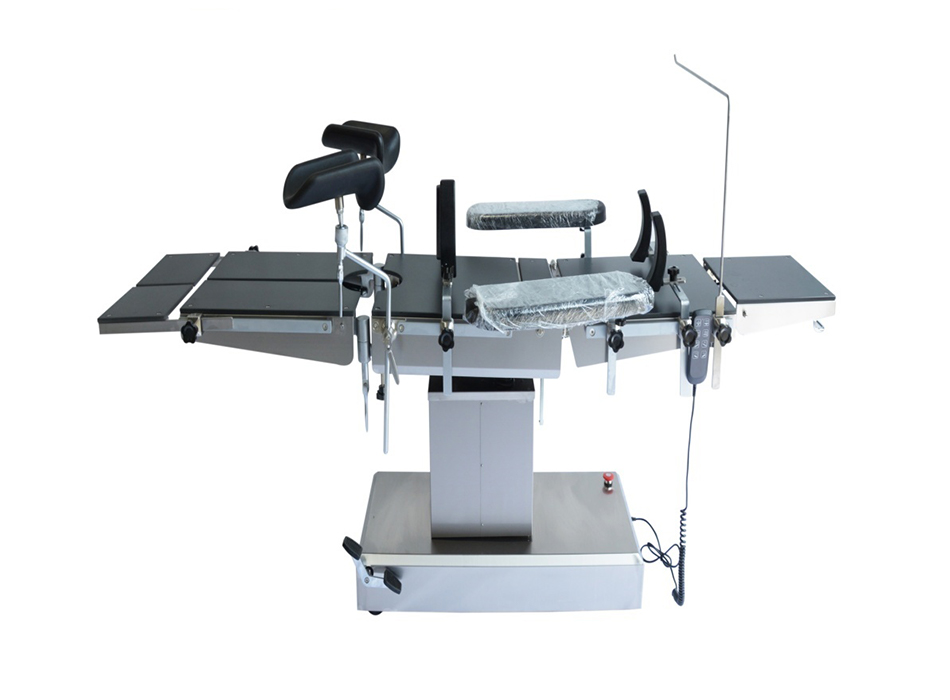
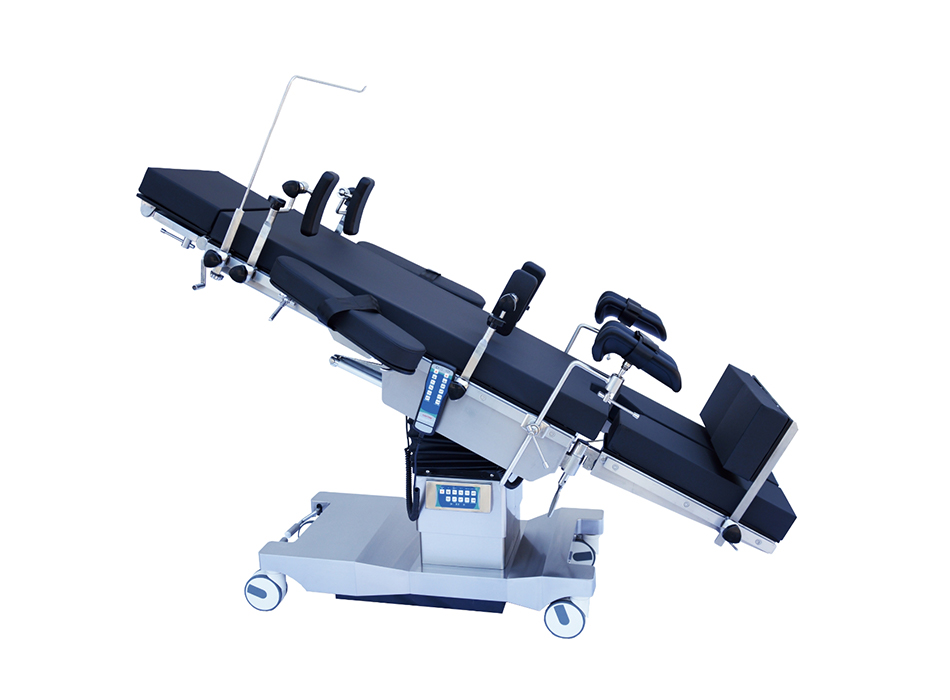
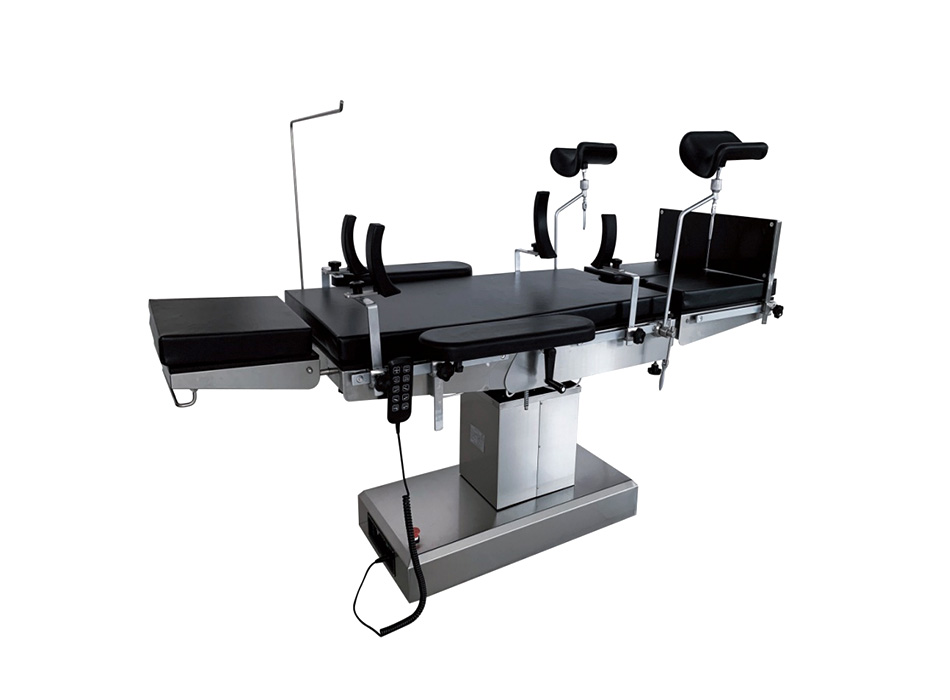
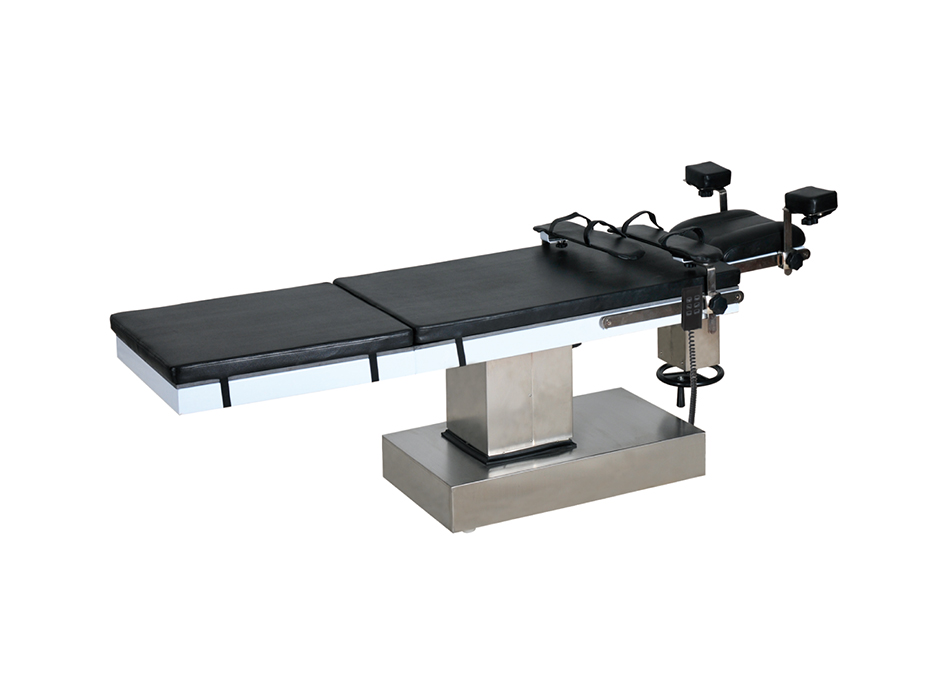
If you are interested in our products, please consult us
Copyright © 2026 Jiangsu Yigao Medical Equipment Technology Co., Ltd.

Custom Electric Medical Bed Manufacturers
The information provided on this website is intended for use only in countries and jurisdictions outside of the People's Republic of China.