Welcome to Jiangsu Yigao Medical


 ENG
ENG

 English
 Español
Welcome to Jiangsu Yigao Medical

A hospital trolley is a wheeled mobile cart used in clinical and healthcare settings to transport patients, medications, equipment, instruments, or medical supplies safely and efficiently between departments or care points. The right trolley reduces manual handling injuries, supports infection control protocols, and directly improves patient outcomes — making it one of the most operationally critical pieces of equipment in any healthcare facility.
Choosing the correct hospital trolley depends on its intended function, load capacity, material requirements, and compliance with relevant standards such as ISO 9001, EN 1789 (medical vehicles), and local health authority regulations. This guide covers every major category, key specifications, and practical selection criteria.
Hospital trolleys are not a single product — they form a broad family of purpose-built mobile units, each designed for a specific clinical workflow. Understanding the categories is the first step in procurement or specification.
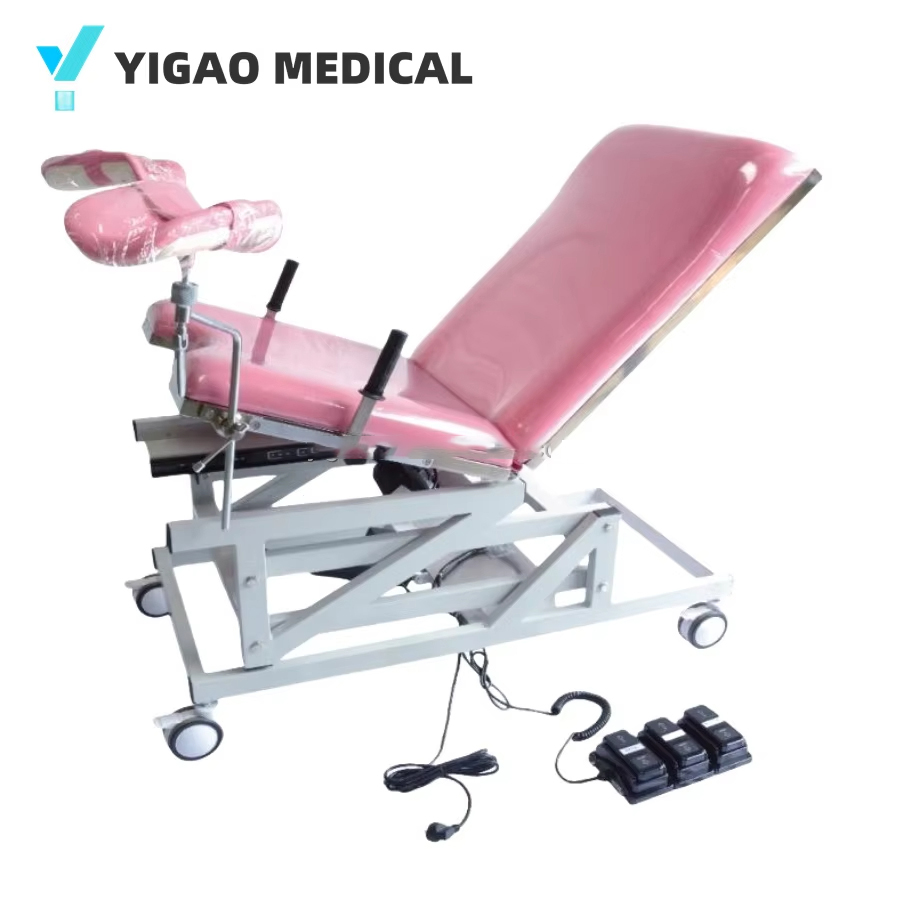
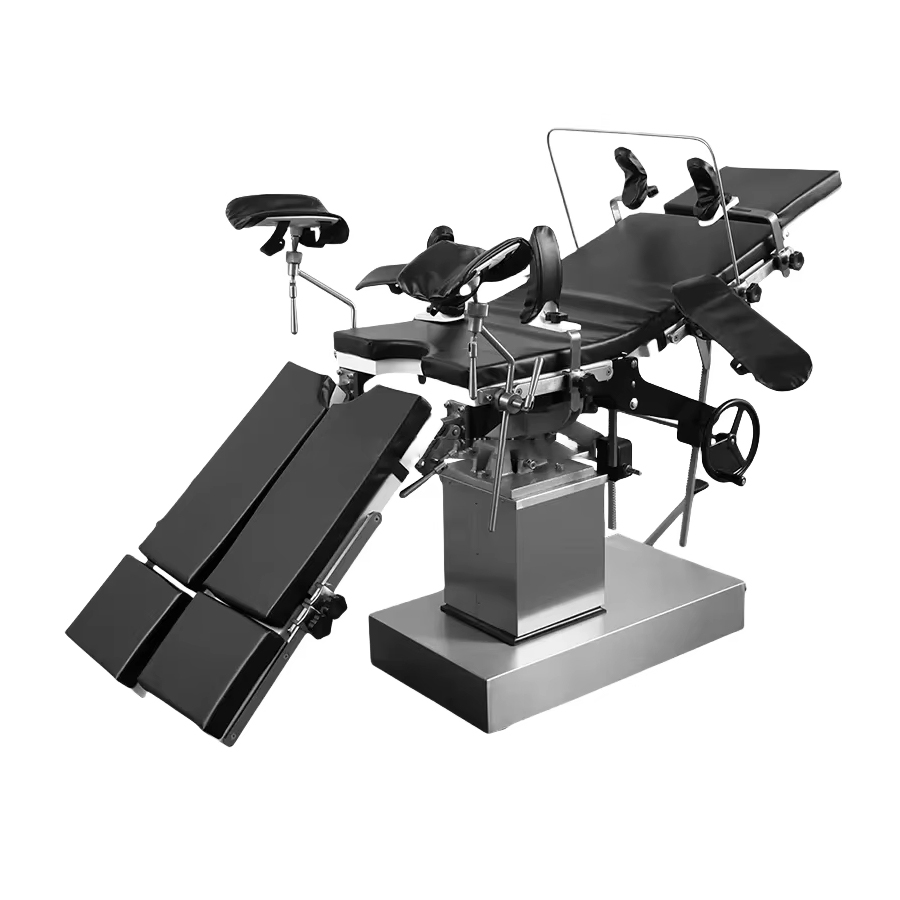
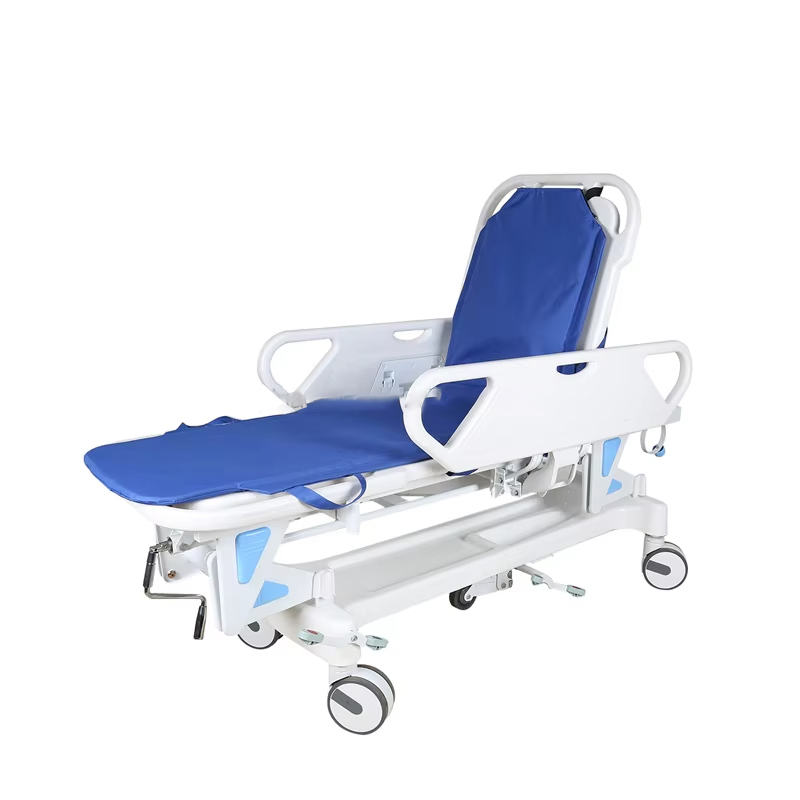
Also called stretcher trolleys or examination trolleys, these are used to move patients between wards, theatres, imaging suites, and emergency departments. They typically feature:
Medication trolleys (also called drugs trolleys) enable nurses to dispense medicines at the bedside during ward rounds. Key design features include lockable drawers or compartments, a tamper-evident locking mechanism, and a flat work surface for preparation. Controlled drug (CD) compartments are double-locked and compliant with national medicines legislation. Typical configurations offer 6–12 individual patient drawers, each colour-coded or labelled for bed-bay identification.
Crash trolleys carry all equipment needed for cardiac arrest response: defibrillator, airway management kit, IV access supplies, emergency drugs, and monitoring leads. The Resuscitation Council UK recommends a standardised layout across all crash trolleys within a hospital so any clinician can locate equipment immediately under stress. These trolleys are sealed with a numbered tamper-evident tag after each check, so staff can confirm readiness at a glance without opening the unit.
Used in operating theatres, treatment rooms, and at the bedside, these trolleys hold sterile instruments during procedures. They feature a smooth, seamless stainless steel top surface — typically Grade 304 or 316 stainless steel — that can withstand repeated steam autoclaving or chemical disinfection. Commonly specified with two shelves and a push rail, in standard sizes of 600 × 400 mm or 900 × 500 mm.
Linen trolleys transport clean or soiled laundry in enclosed, colour-coded bags following national colour-coding standards (e.g., NHS Estates guidelines): white bags for clean linen, red alginate bags for infectious linen. Waste trolleys similarly segregate clinical waste (yellow), offensive waste (tiger-stripe yellow/black), and domestic waste (black) at source, reducing the risk of incorrect disposal and healthcare-associated infection (HCAI).
Meal trolleys maintain food at safe temperatures — hot food above 63 °C, cold food below 5 °C — during ward delivery, complying with UK Food Standards Agency and equivalent international food hygiene regulations. Heated trolleys use either a bain-marie system or individual heated plate bases; refrigerated trolleys use insulated compartments with a coolant pack or active refrigeration unit.
| Trolley Type | Primary User | Typical Load | Key Requirement |
|---|---|---|---|
| Patient transfer trolley | Portering / Nursing | 200–400 kg | Adjustable height, side rails |
| Medication trolley | Nursing / Pharmacy | 30–60 kg | Lockable drawers, CD compartment |
| Crash / resuscitation trolley | Medical / Emergency | 50–80 kg (equipment) | Standardised layout, tamper seal |
| Instrument / procedure trolley | Theatre / Clinical | 20–40 kg | Stainless steel, autoclavable surface |
| Linen / waste trolley | Domestic / Estates | 50–100 kg | Colour coding, enclosed design |
| Meal delivery trolley | Catering / Domestic | 60–120 kg | Temperature control (>63 °C / <5 °C) |
The choice of material has a direct impact on infection control performance, durability, and total cost of ownership. The three primary materials are stainless steel, powder-coated steel, and ABS/polypropylene polymer.
The gold standard for clinical environments. Grade 316 stainless steel is preferred in areas with frequent chemical disinfectant use (e.g., theatres and ICUs) because its molybdenum content provides superior chloride corrosion resistance compared to Grade 304. Seamless welded construction eliminates crevices where pathogens can harbour. Stainless steel trolleys typically carry a 10–15 year service life in high-use settings.
Lower upfront cost than stainless steel, making it common for general ward and portering trolleys. The epoxy-polyester powder coating resists chipping under normal conditions but can crack at impact points over time, creating sites for bacterial colonisation. Not recommended for sterile areas or frequent disinfectant exposure. Average service life in ward use is 5–8 years.
Lightweight (a polymer medication trolley can weigh as little as 12 kg unladen versus 20–25 kg for a steel equivalent), resistant to most disinfectants, and available in antimicrobial formulations incorporating silver-ion technology. Polymer trolleys are particularly popular for medication rounds because staff push them for several hours per shift — the lower weight directly reduces musculoskeletal load. The main limitation is lower structural rigidity; polymer units are not suited to loads above 80–100 kg.
Castor quality is the single most common source of maintenance problems on hospital trolleys. A poor-quality castor that seizes or squeaks in a ward at night is a patient safety and experience issue, not just a maintenance inconvenience.
Hospital trolleys are classified as non-critical medical devices under the Spaulding classification, meaning they require cleaning and low- to intermediate-level disinfection after each patient use or at scheduled intervals. Specific requirements by trolley type:
Musculoskeletal disorders (MSDs) account for nearly 40% of all work-related illness in healthcare workers in the UK (HSE data), and trolley pushing is a significant contributing factor. Ergonomic trolley design can materially reduce this risk.
Procurement teams and clinical leads should verify compliance with the following standards when specifying hospital trolleys:
| Standard | Scope | Applies To |
|---|---|---|
| EN 1970:2000+A1:2012 | Adjustable beds for disabled persons — dimensions, safety | Patient trolleys / examination couches |
| ISO 9001:2015 | Quality management system for manufacturer | All hospital trolley types |
| BS EN ISO 13485:2016 | Quality management for medical device manufacturers | Procedure / instrument trolleys |
| UK MDR 2002 (SI 2002/618) | Medical device regulation (UK post-Brexit) | All clinical trolleys supplied in UK |
| EU MDR 2017/745 | EU Medical Device Regulation | All clinical trolleys supplied in EU |
| HSE Manual Handling Regs 1992 | Risk assessment for manual handling tasks | All wheeled trolleys used by staff |
In the UK, clinical trolleys classified as medical devices must bear the UKCA mark (or CE mark for dual compliance during transition) and be registered with the MHRA. Trolleys used purely for logistics (linen, waste, catering) fall outside medical device regulation but must still comply with manual handling and product safety legislation.
A structured procurement process prevents the common mistake of purchasing the wrong trolley type, or a cost-effective model that creates hidden costs in maintenance, infection control failures, or staff injury claims.
A planned preventive maintenance (PPM) schedule extends trolley service life, reduces unplanned failures, and maintains the safety of patients and staff. Most healthcare facilities implement a 6-monthly or annual inspection regime for clinical trolleys covering:
When a hospital trolley reaches end of life, responsible disposal routes include manufacturer take-back schemes, NHS surplus equipment auctions (for non-clinical models), or WEEE-compliant scrap processing for electronic components in powered trolleys.
A growing number of hospital trolley designs now incorporate digital and connected features that improve safety, traceability, and workflow efficiency:
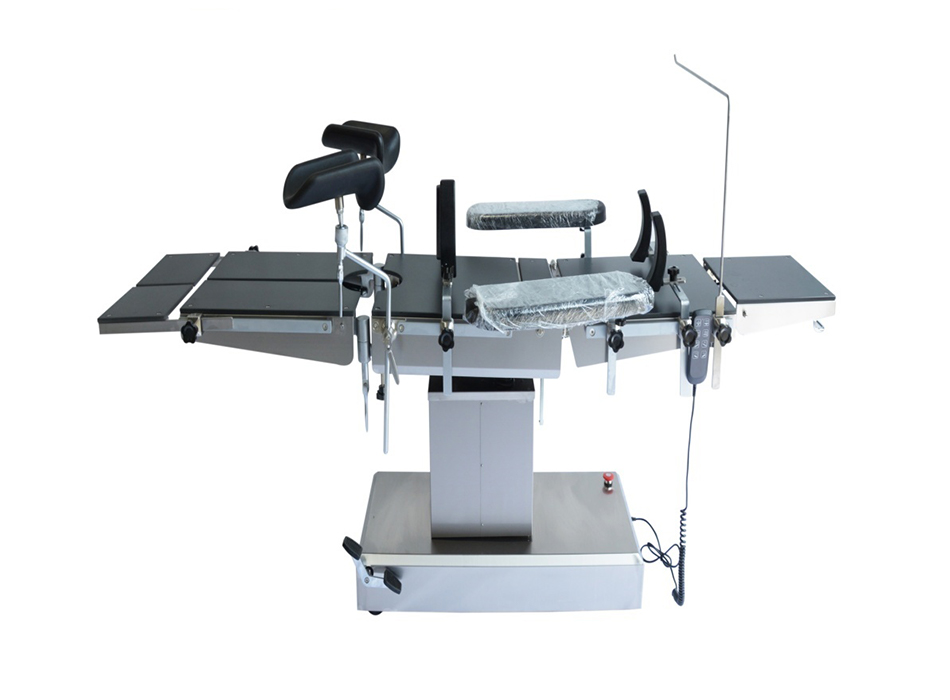
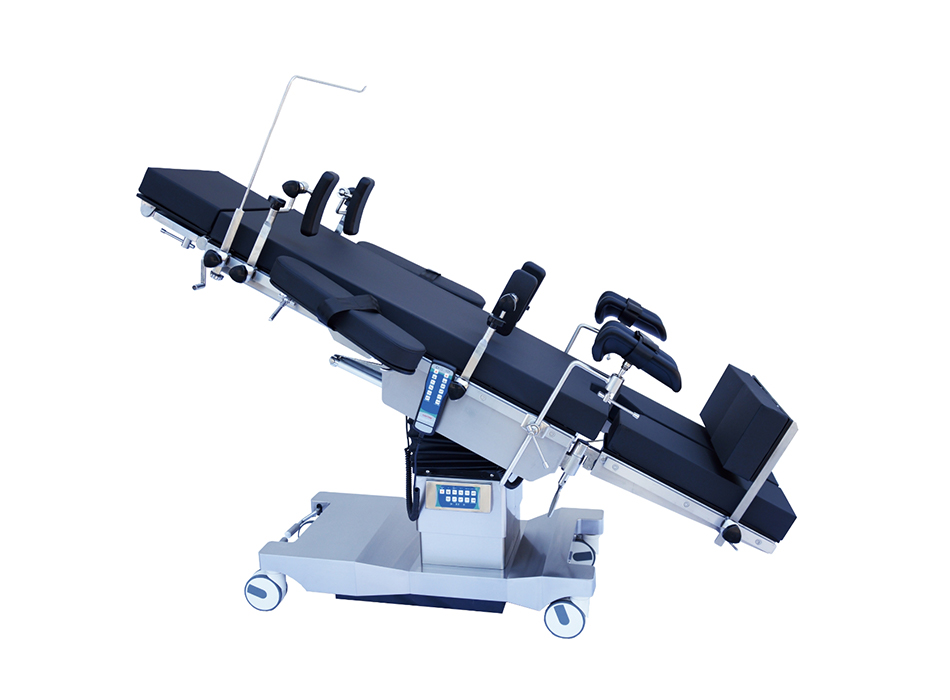
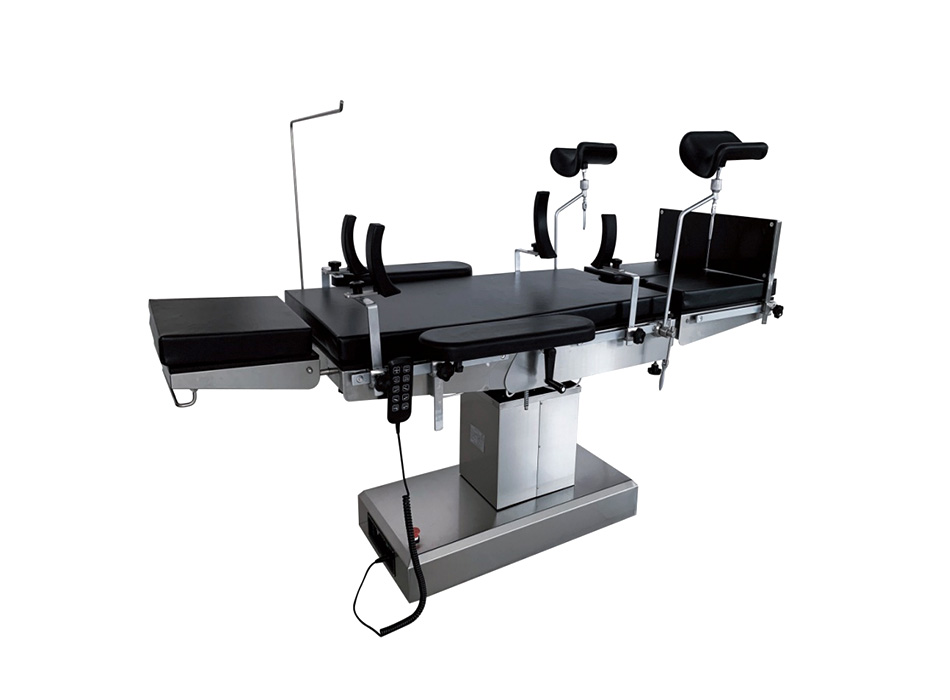
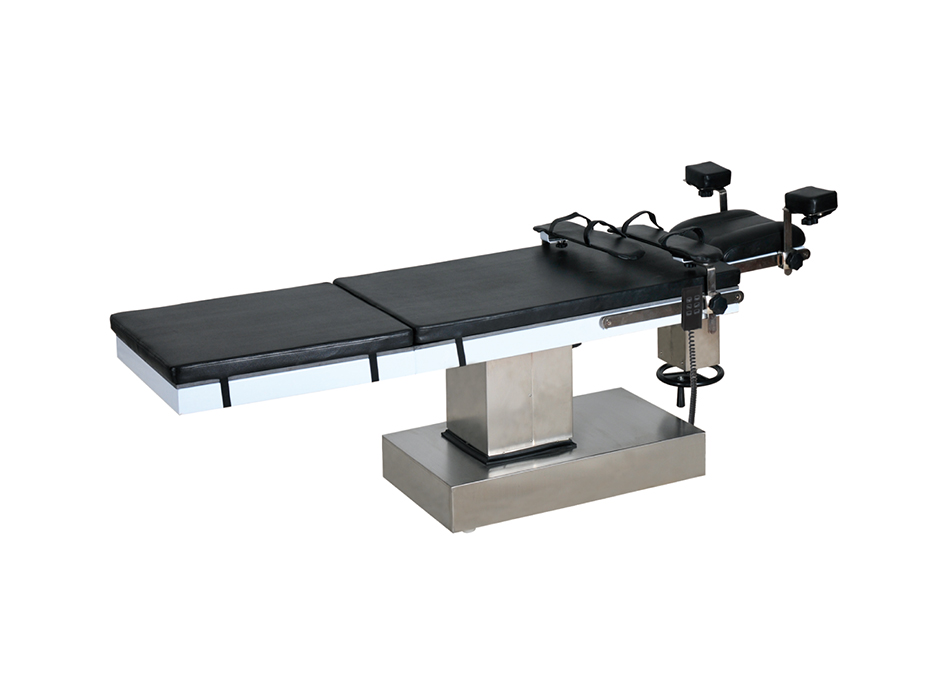
If you are interested in our products, please consult us
Copyright © 2026 Jiangsu Yigao Medical Equipment Technology Co., Ltd.

Custom Electric Medical Bed Manufacturers
The information provided on this website is intended for use only in countries and jurisdictions outside of the People's Republic of China.