Welcome to Jiangsu Yigao Medical


 ENG
ENG

 English
 Español
Welcome to Jiangsu Yigao Medical

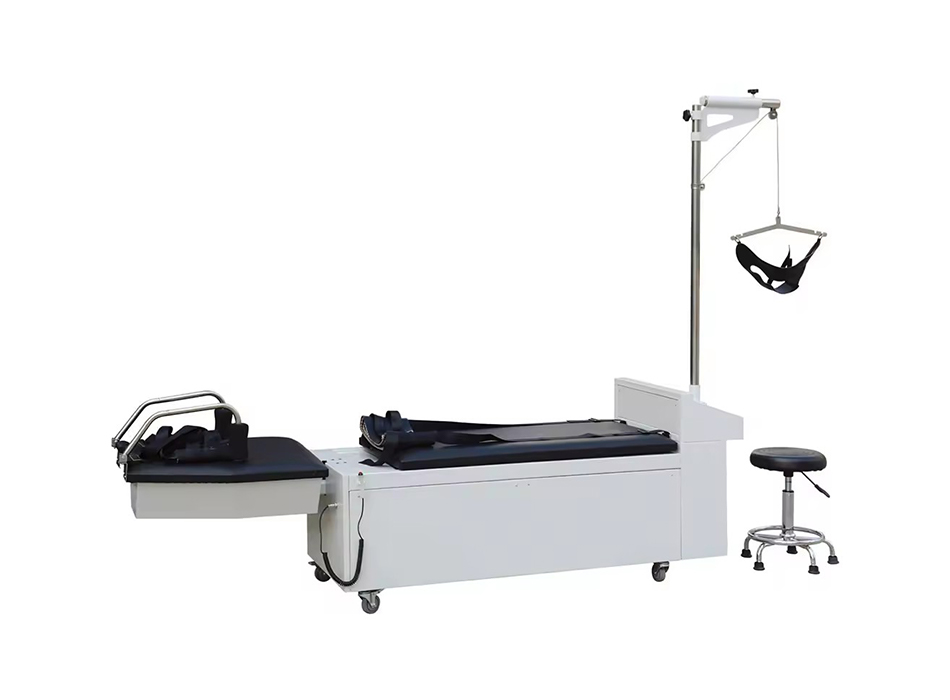
A multifunctional traction bed is a clinical or rehabilitation device that combines cervical traction, lumbar traction, and often heat, massage, or electrotherapy functions into a single integrated unit, allowing clinics to treat multiple spinal conditions without needing separate dedicated equipment. It is primarily used to relieve nerve compression, reduce disc pressure, and improve spinal alignment in patients with cervical spondylosis, lumbar disc herniation, and lower back pain. Compared to standalone traction units, a multifunctional bed typically delivers comparable clinical outcomes while reducing equipment footprint and per-patient treatment time by allowing sequential or combined therapy on one platform.
Traction beds apply a controlled, mechanical pulling force to the spine, increasing intervertebral space and reducing pressure on compressed nerve roots and discs. Multifunctional models extend this core mechanism to address both the cervical and lumbar regions, and frequently incorporate adjunct therapies to enhance treatment outcomes.
Treatment should always be administered under the guidance of a licensed physical therapist or physician, since traction is contraindicated for certain conditions such as spinal fractures, tumors, advanced osteoporosis, and acute inflammatory spinal disease.
The cervical module typically uses a head halter or occipital cradle connected to a motorized pulley system, applying force in the range of 2–15 kg (4.4–33 lb), adjustable in small increments. Treatment angles are usually adjustable between 0–30 degrees of neck flexion, since research indicates 15–20 degrees of flexion best targets the lower cervical segments most commonly affected by spondylosis.
The lumbar module uses a pelvic and thoracic harness system with a motorized traction unit capable of applying force from 10–100 kg (22–220 lb), depending on patient body weight and clinical protocol. Common clinical guidance suggests an initial lumbar traction force of approximately 25–50% of body weight, progressing as tolerated.
Many multifunctional beds include infrared or far-infrared heating elements built into the bed surface, operating in the range of 40–60°C, combined with mechanical roller or vibration massage along the spine. This combination improves local blood flow and muscle relaxation before or during traction, often improving patient tolerance of higher traction forces.
Most units offer both continuous traction (steady, sustained pull) and intermittent traction (cyclical loading and relaxation, typically on a 15–60 second hold / 5–15 second release cycle). Intermittent mode is generally better tolerated for acute pain and is the more commonly prescribed protocol in outpatient settings.
When evaluating different multifunctional traction bed models, the following specifications have the greatest impact on clinical versatility and patient safety.
| Specification | Typical Range | Clinical Relevance |
|---|---|---|
| Cervical traction force | 2–15 kg | Fine control needed for sensitive cervical nerve roots |
| Lumbar traction force | 10–100 kg | Must scale with patient body weight protocols |
| Bed surface incline angle | 0–30 degrees | Adjusts traction vector for targeted spinal segment |
| Maximum patient weight capacity | 120–180 kg | Determines suitability for bariatric patients |
| Heating temperature | 40–60°C | Must include safety cutoff to prevent burns |
| Intermittent cycle timing | 15–60 sec hold / 5–15 sec release | Affects patient comfort and treatment efficacy |
| Control interface | Touchscreen or button panel with presets | Programmable protocols improve consistency between sessions |
Because traction beds apply direct mechanical force to the spine, safety mechanisms are not optional add-ons but essential design requirements.
Every multifunctional traction bed should include an accessible emergency stop button reachable by both the patient and the operator, along with a programmable maximum force limit that prevents the motor from exceeding the prescribed traction load even in the event of a control malfunction.
Force should increase gradually over 5–10 seconds rather than applying full load instantly, reducing the risk of muscle spasm or sudden patient discomfort triggering an adverse reaction.
Integrated heating modules should include an automatic thermal cutoff that disables heating if surface temperature exceeds the set range, since direct skin contact with surfaces above 45°C for extended periods carries a burn risk, particularly for patients with reduced sensation.
Verify the device carries appropriate medical device certification for your region — such as FDA 510(k) clearance in the United States, CE marking under the EU Medical Device Regulation (MDR), or equivalent national approval — confirming the manufacturer has demonstrated compliance with electrical safety and biocompatibility standards such as IEC 60601-1.
Match the device to your clinical environment and patient population using these practical criteria:
A well-specified multifunctional traction bed, properly maintained and operated under qualified clinical supervision, can serve as a central piece of rehabilitation equipment capable of supporting cervical, lumbar, and combined spinal traction protocols for years of reliable clinical use.
If you are interested in our products, please consult us
Copyright © 2026 Jiangsu Yigao Medical Equipment Technology Co., Ltd.

Custom Electric Medical Bed Manufacturers
The information provided on this website is intended for use only in countries and jurisdictions outside of the People's Republic of China.