Welcome to Jiangsu Yigao Medical


 ENG
ENG

 English
 Español
Welcome to Jiangsu Yigao Medical

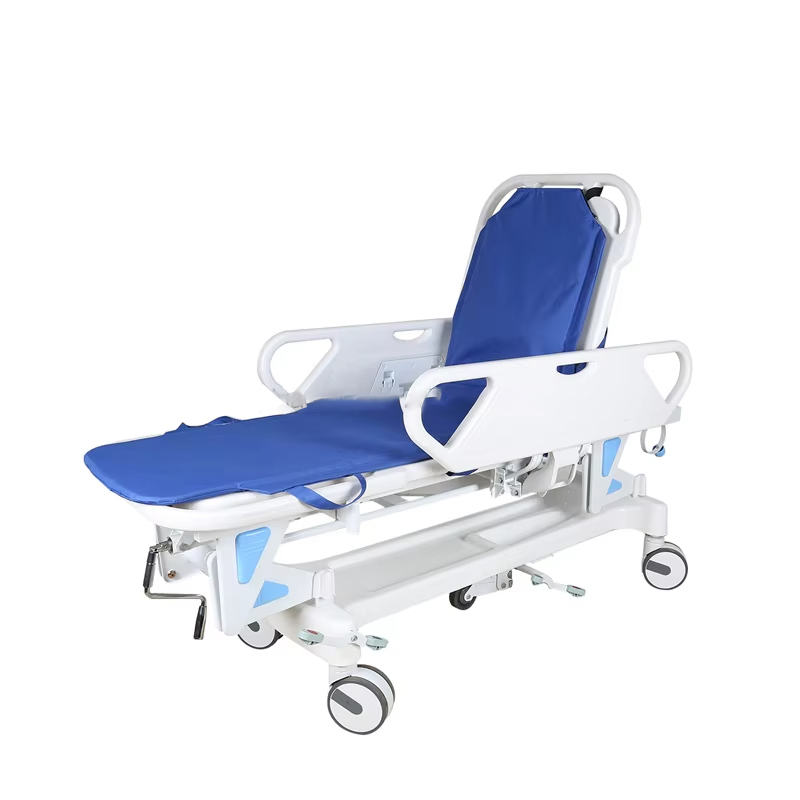
As healthcare practices evolve, so does the technology and equipment that support patient care. One such innovation that has had a significant impact on the quality of care and patient comfort is the multifunctional transfer bed. These advanced beds are designed to improve mobility, enhance comfort, and assist healthcare providers in safely transferring patients, especially those with limited mobility.
Multifunctional transfer beds are specialized beds designed to serve multiple purposes in healthcare settings. These beds are equipped with adjustable features that allow for a range of positions and functions to accommodate patients' unique needs. Typically, they feature advanced mechanisms that can raise, lower, or tilt the bed in various directions, enabling easier patient transfers, better posture support, and improved comfort during rest.
These beds are especially beneficial for patients with limited mobility due to aging, injury, or chronic illness. With features that enhance ease of movement, prevent discomfort, and reduce the risk of injury, multifunctional transfer beds are an essential tool in modern healthcare.
The core of any multifunctional transfer bed is its ability to adjust to meet the needs of the patient and caregiver. Here are some of the main features that make these beds unique:
Multifunctional transfer beds are designed to adjust in height and position, allowing for a more customized approach to patient care. This feature is critical when it comes to patient transfers, as caregivers can adjust the height of the bed to the optimal level for lifting and moving the patient. By reducing the need to bend or lift the patient too much, these beds help prevent back strain and injury for caregivers while improving safety for patients.
The ability to adjust the bed's positioning can also improve patient comfort. Patients can be positioned in a way that relieves pressure on certain areas of the body, helping to prevent pressure sores and enhance overall well-being.
Many multifunctional transfer beds come equipped with tilting and rotating capabilities, which help caregivers reposition patients effortlessly. For patients who are bedridden or unable to move on their own, these features ensure they can be turned or adjusted with minimal discomfort.
The tilting mechanism can also assist in positioning patients for specific medical treatments, such as drainage, or for comfort during long periods of rest. Additionally, rotating features can be useful for positioning patients in a way that supports improved breathing or digestive functions.
A standout feature of multifunctional transfer beds is their ability to assist in transferring patients. These beds are often equipped with specialized mechanisms such as side rails, adjustable footrests, and even motorized transfer aids to make patient transfers more efficient. These features are particularly beneficial for patients who cannot move independently or need extra help getting in and out of bed.
By making transfers easier and safer, these beds reduce the risk of injury for both patients and caregivers. Motorized transfer systems can gently move the patient from a lying position to a sitting or standing position, without requiring excessive physical exertion from caregivers.
Patients who spend long periods of time in bed are at risk for developing pressure ulcers, also known as bedsores. Multifunctional transfer beds often incorporate pressure relief features, such as specialized mattresses that redistribute body weight and reduce pressure on vulnerable areas. This helps prevent the formation of pressure sores and promotes better circulation, leading to improved overall comfort for patients.
Many transfer beds also include memory foam or other comfort-oriented materials that support the body in a way that minimizes discomfort. These materials adapt to the patient's body, ensuring that pressure points are alleviated while providing a stable and secure position.
Multifunctional transfer beds often feature intuitive control panels that allow caregivers to adjust the bed’s position with ease. Whether it’s adjusting the height, tilting the bed, or repositioning the patient, the controls are typically simple and user-friendly. Some models also include remote controls for added convenience.
In many cases, patients themselves can also operate the controls to adjust the bed to their liking. This is especially useful for individuals with some level of independence who still need assistance with certain movements. The ease of use enhances overall care and reduces stress for both patients and caregivers.
Comfort is a primary concern for patients who are confined to a bed for extended periods. Multifunctional transfer beds contribute to improved patient comfort by offering adjustable positions, pressure relief features, and the ability to customize the bed to meet individual needs.
For patients recovering from surgery, illness, or injury, being able to adjust the bed to relieve pressure, elevate legs, or raise the upper body can significantly enhance their overall comfort. With the ability to make small adjustments throughout the day, patients are less likely to experience discomfort that can negatively impact their mood or recovery.
Safety is a key concern in healthcare environments, particularly when it comes to patient mobility and transfers. Multifunctional transfer beds are designed with safety in mind, both for the patient and the caregiver. The adjustable height and tilt features reduce the risk of falls and injury during transfers, while the motorized assist functions provide smooth and controlled movements.
These beds also help minimize the risk of caregiver strain and injury. When lifting or transferring a patient, improper posture or excessive physical effort can lead to back pain, muscle strain, or other injuries. Multifunctional transfer beds take on much of the physical effort, allowing caregivers to maintain proper body mechanics and reduce their risk of injury.
Patients recovering from surgery or medical procedures often require assistance with repositioning and movement. Multifunctional transfer beds play a critical role in postoperative care by making it easier for patients to get in and out of bed, change positions, and manage discomfort. The ability to adjust the bed to specific positions or angles can aid in the recovery process by promoting proper circulation, reducing swelling, and preventing pressure ulcers.
For individuals undergoing rehabilitation, these beds are essential for enabling safe and comfortable movement as they regain strength and mobility. The flexibility of these beds helps accommodate a variety of therapeutic needs, making them a valuable tool in recovery and rehabilitation.
For individuals with chronic conditions or those who are bedridden for extended periods, long-term care and comfort are crucial. Multifunctional transfer beds contribute to long-term health by supporting patients' physical well-being and reducing the risk of complications such as pressure sores, muscle atrophy, and joint stiffness.
By enabling easy repositioning, pressure relief, and safe transfers, these beds support a more active and healthy lifestyle, even for those with limited mobility. With the right positioning, patients are able to maintain better posture and comfort, reducing the risk of long-term health issues associated with being in one position for too long.
As the global population ages, the demand for specialized healthcare equipment like multifunctional transfer beds is increasing. Older adults often face challenges with mobility and independence, making it difficult for them to perform daily tasks like getting in and out of bed. Multifunctional transfer beds offer a solution to these challenges by providing both comfort and support for elderly patients.
By improving mobility and easing the process of transferring from one position to another, these beds make it easier for elderly patients to retain some level of independence. Caregivers benefit as well, as they are able to provide better support with less physical strain. Multifunctional transfer beds, therefore, play a vital role in maintaining the dignity and quality of life for older adults in care settings.
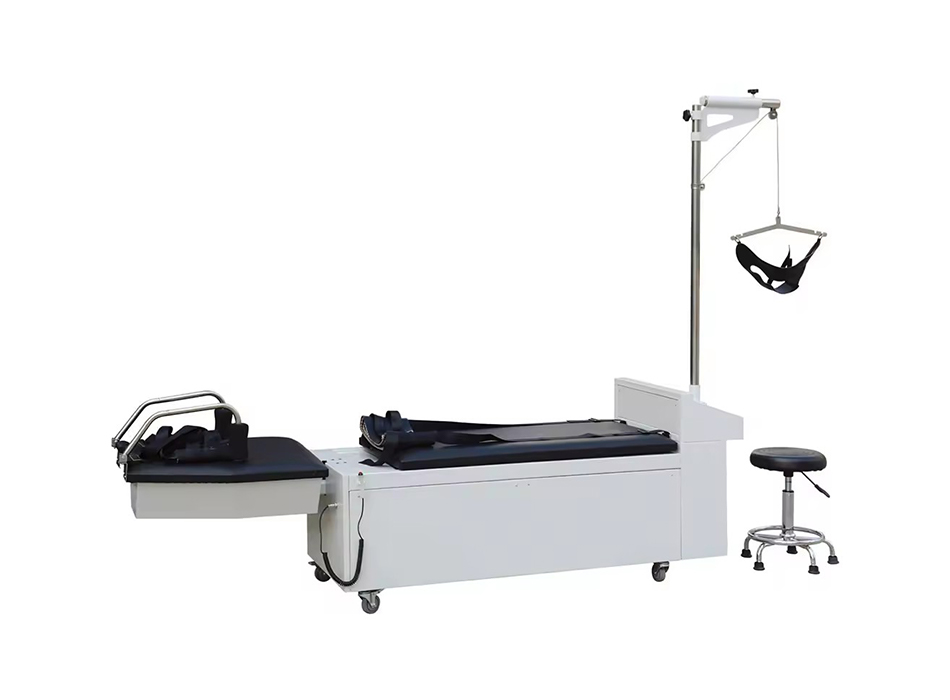
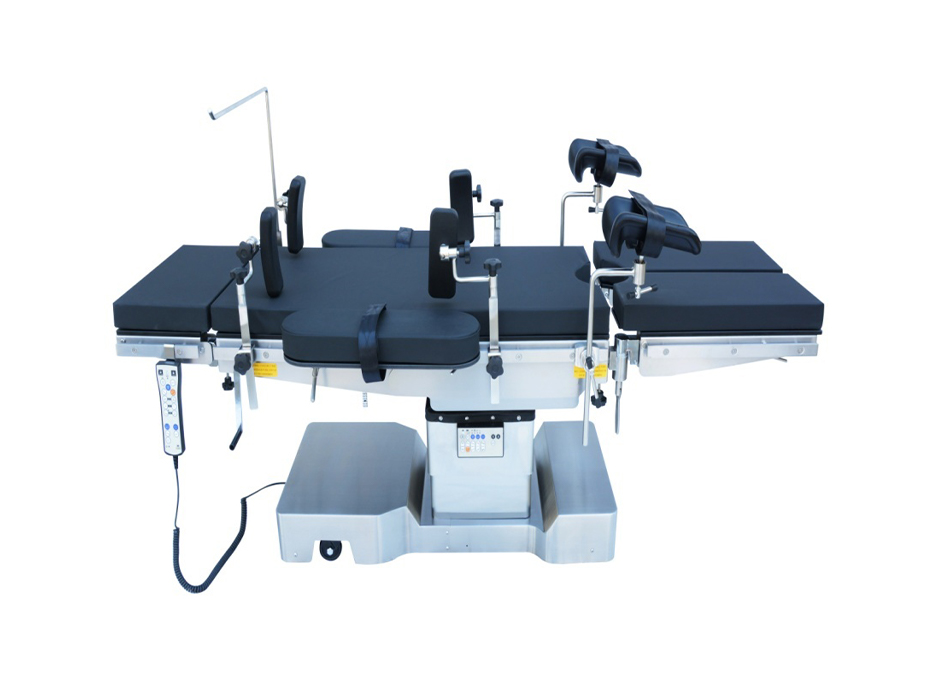
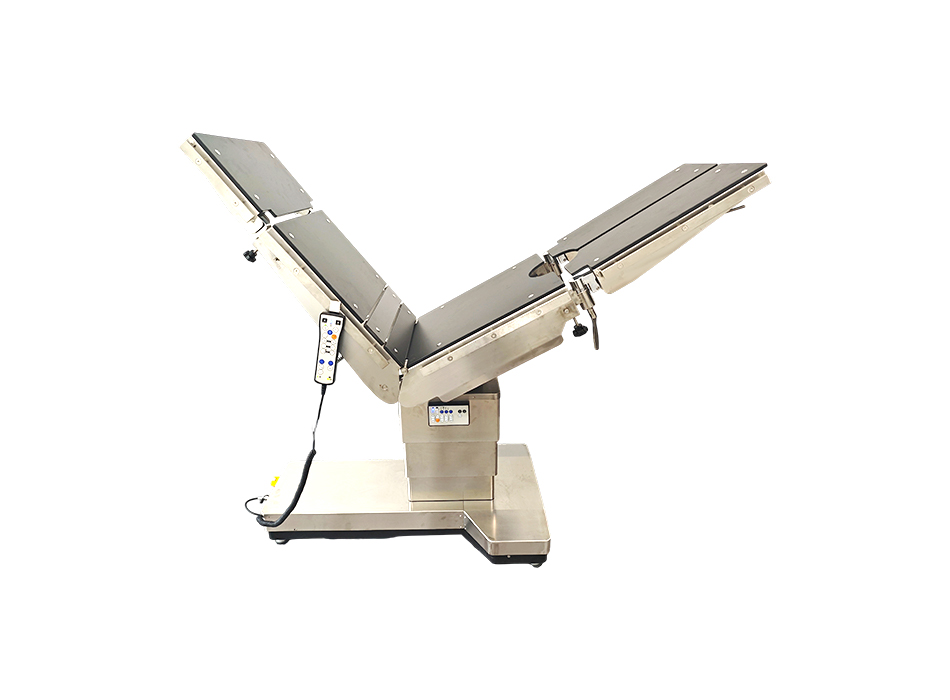
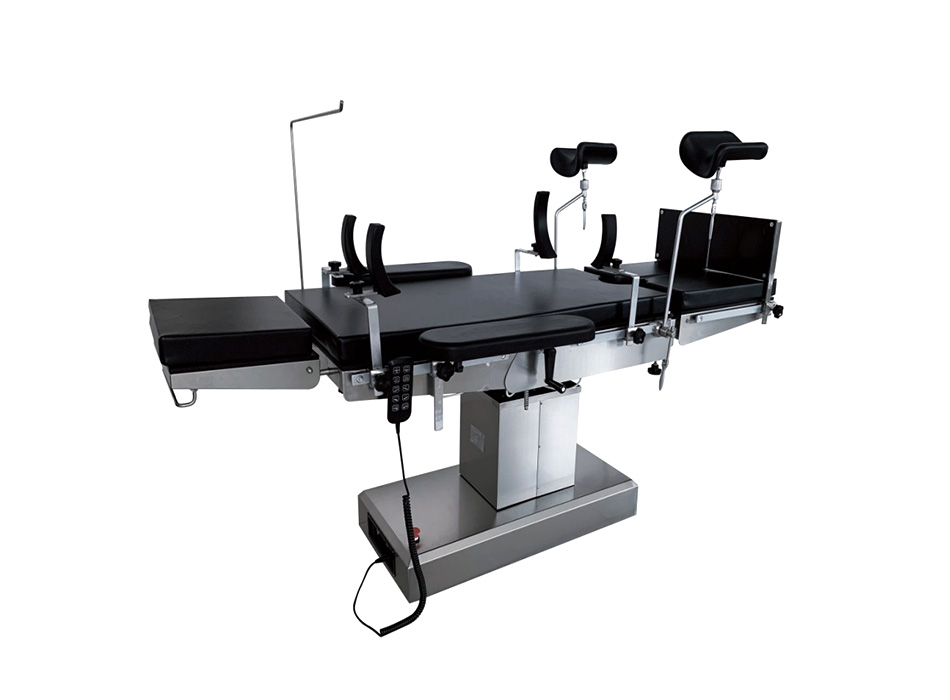
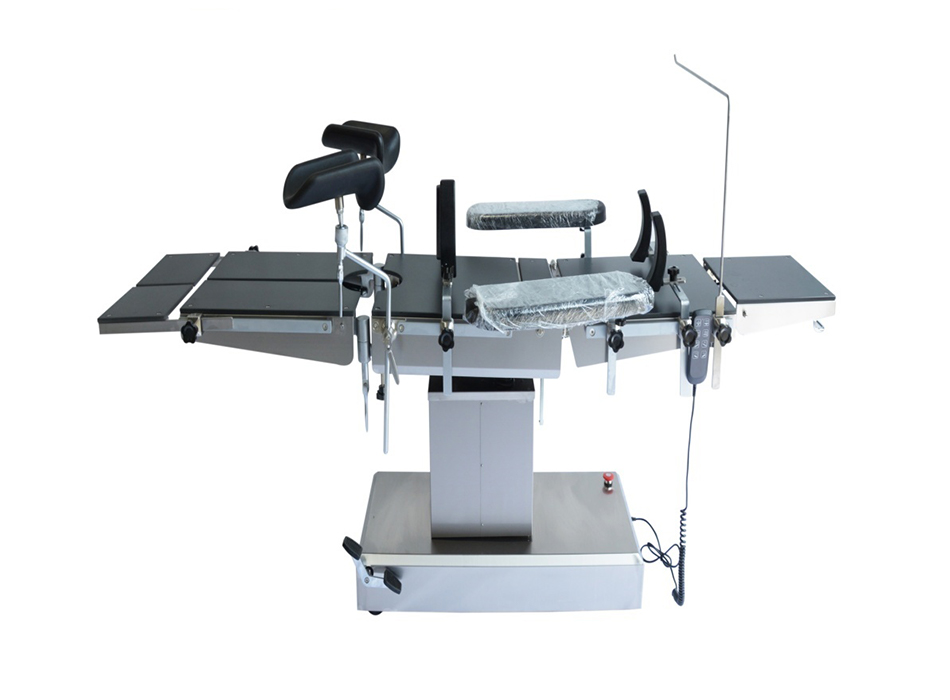
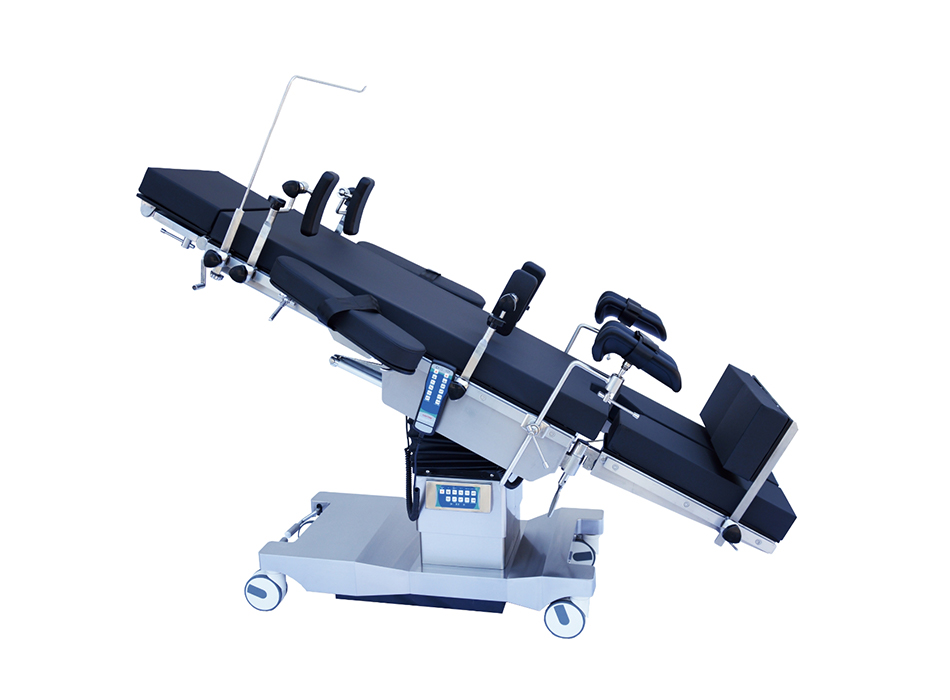
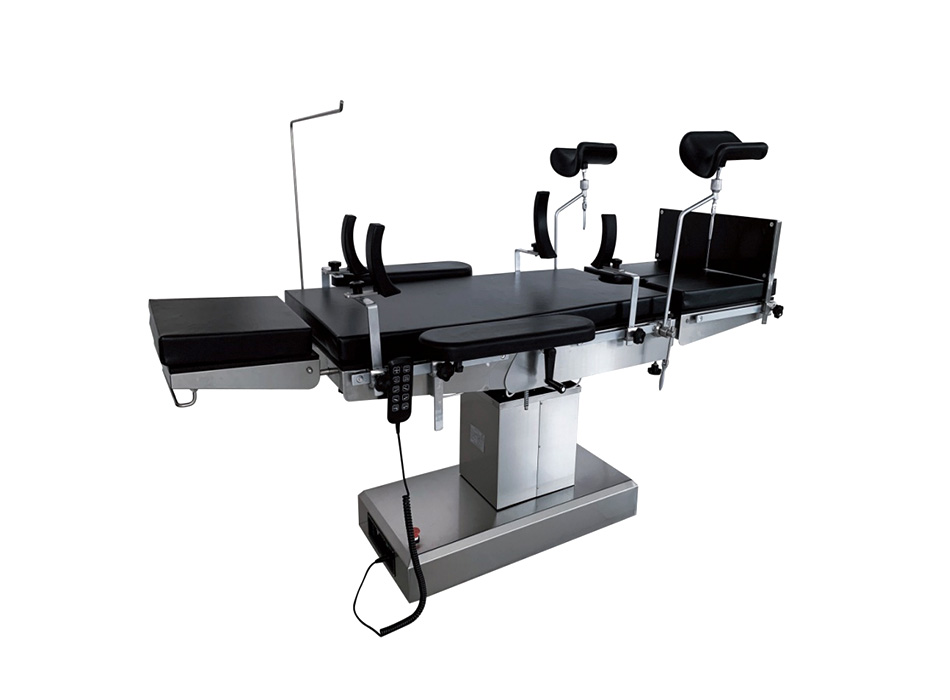
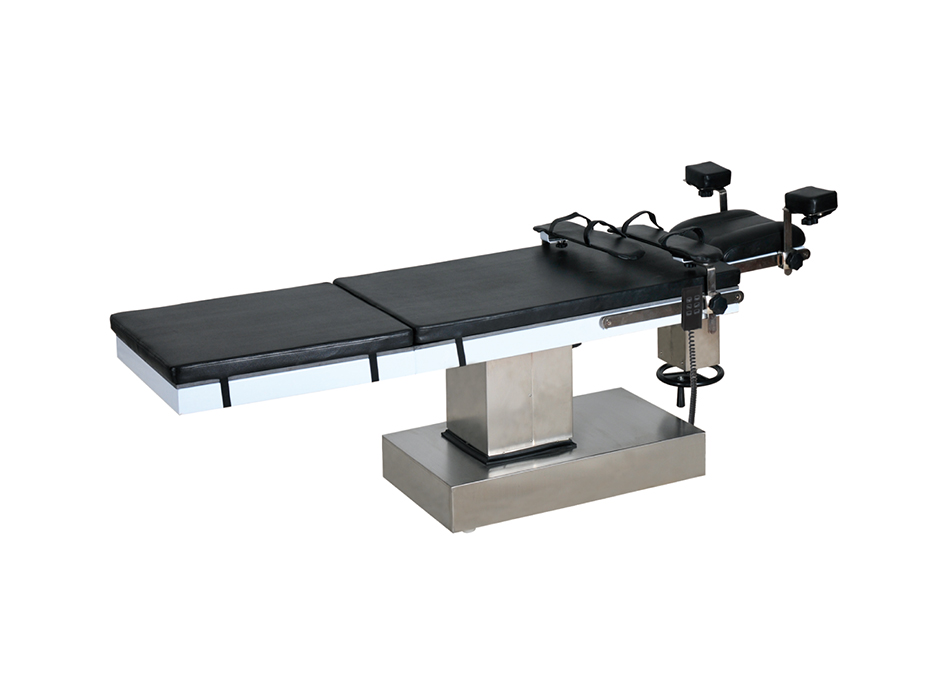
If you are interested in our products, please consult us
Copyright © 2026 Jiangsu Yigao Medical Equipment Technology Co., Ltd.

Custom Electric Medical Bed Manufacturers
The information provided on this website is intended for use only in countries and jurisdictions outside of the People's Republic of China.