Welcome to Jiangsu Yigao Medical


 ENG
ENG

 English
 Español
Welcome to Jiangsu Yigao Medical

Choosing the right delivery bed for a hospital delivery room is a critical infrastructure decision that directly affects patient outcomes, clinical efficiency, and staff ergonomics. Electric delivery tables outperform manual delivery tables in high-volume labor and delivery units, offering faster positioning, reduced nurse injury rates, and better obstetric access — but manual tables remain a cost-effective, low-maintenance alternative for facilities with budget constraints or backup needs. This article breaks down the differences, specifications, and clinical considerations to help procurement teams and clinical administrators make an informed choice.
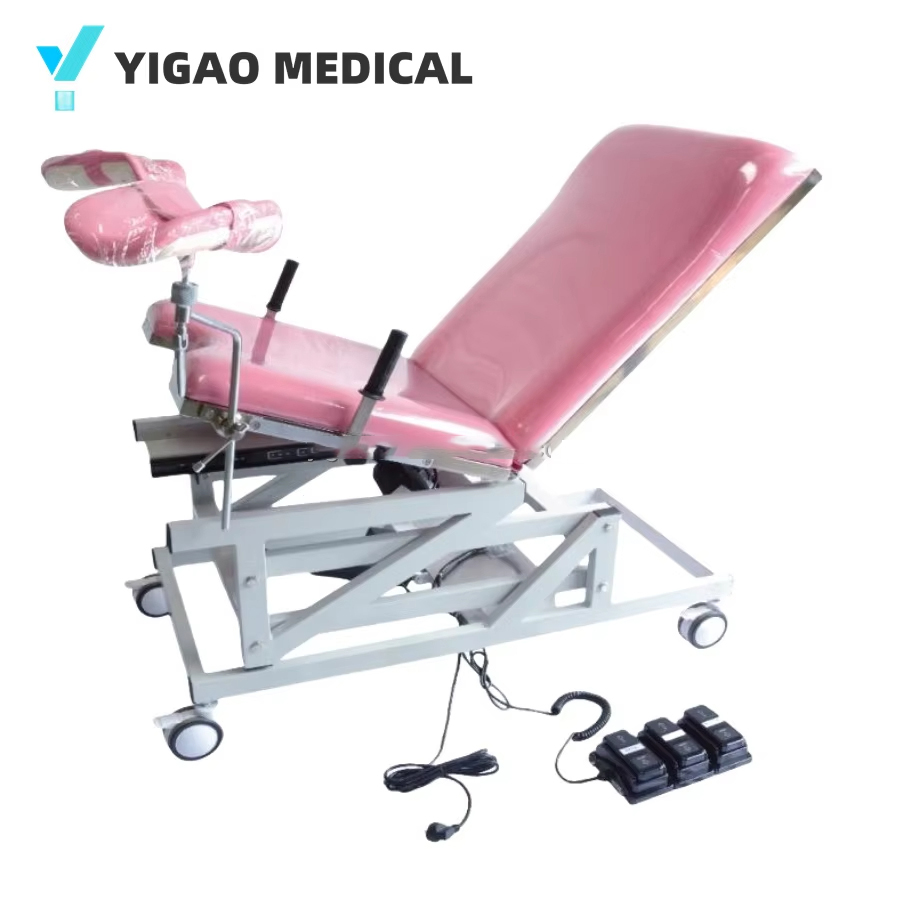
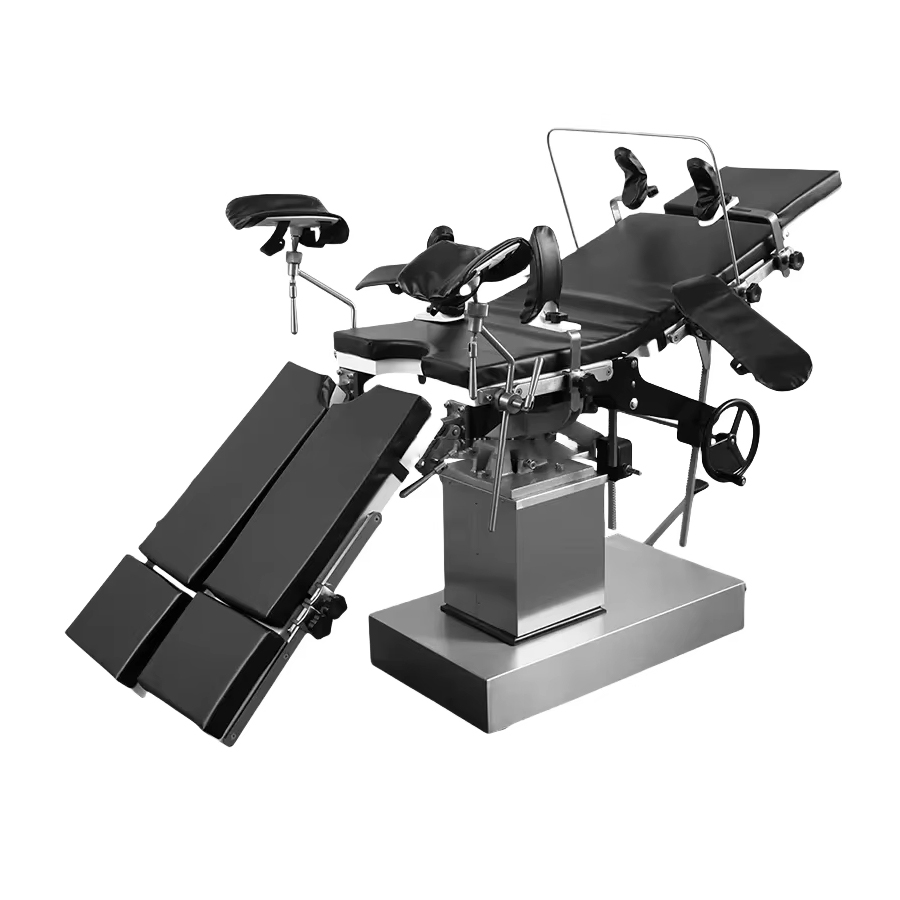
A delivery bed — also called an obstetric table or birthing bed — is the central piece of equipment in any hospital delivery room. Unlike standard hospital beds, delivery beds are engineered to transform into multiple configurations: dorsal lithotomy (legs raised in stirrups), semi-recumbent, lateral, squatting support, and full flat rest. This versatility supports vaginal deliveries, assisted deliveries using forceps or vacuum, and immediate postpartum care without transferring the patient.
The design of the delivery table affects:
According to occupational health studies in maternity units, up to 60% of labor and delivery nurses report work-related musculoskeletal pain, much of it attributed to manual patient repositioning — a problem that well-designed electric delivery tables can significantly reduce.
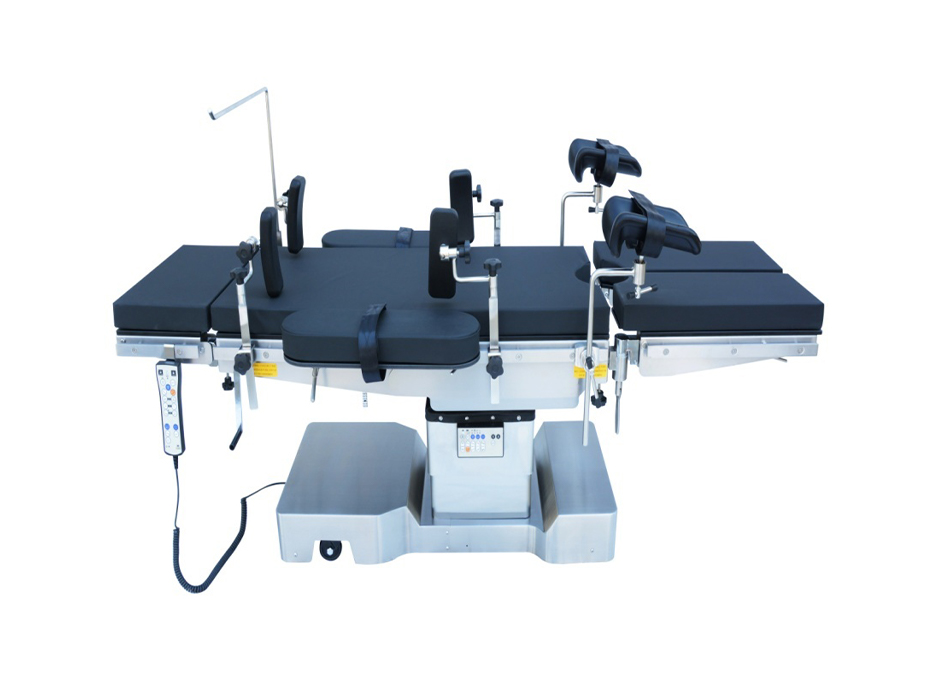
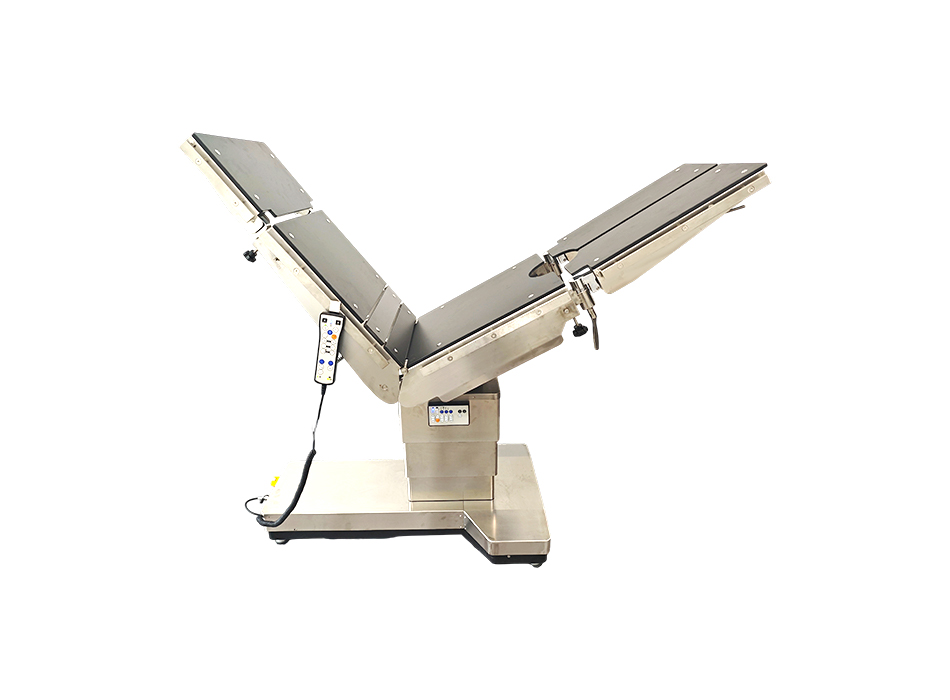
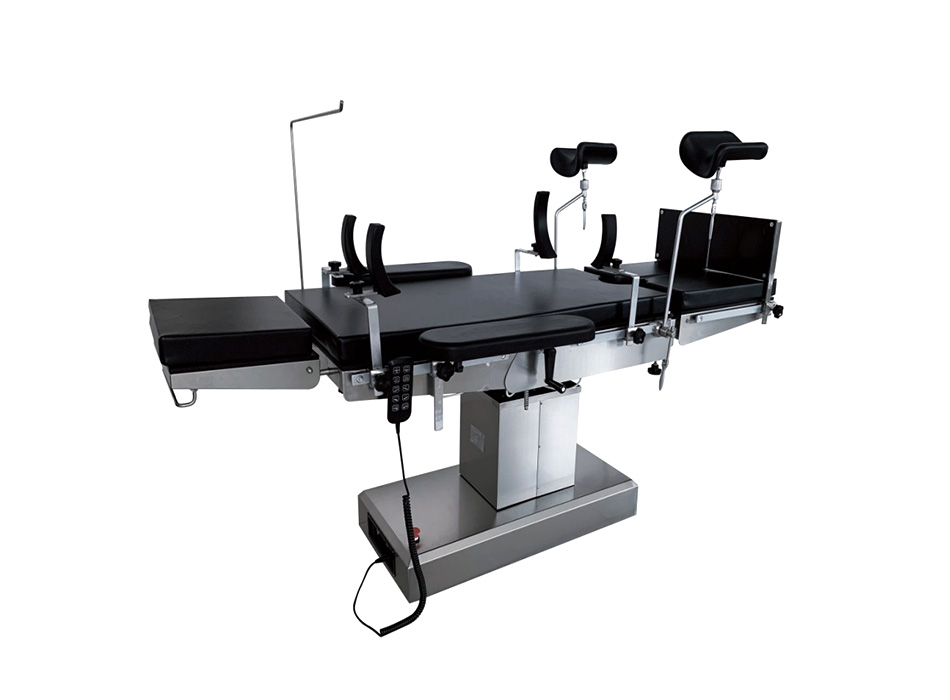
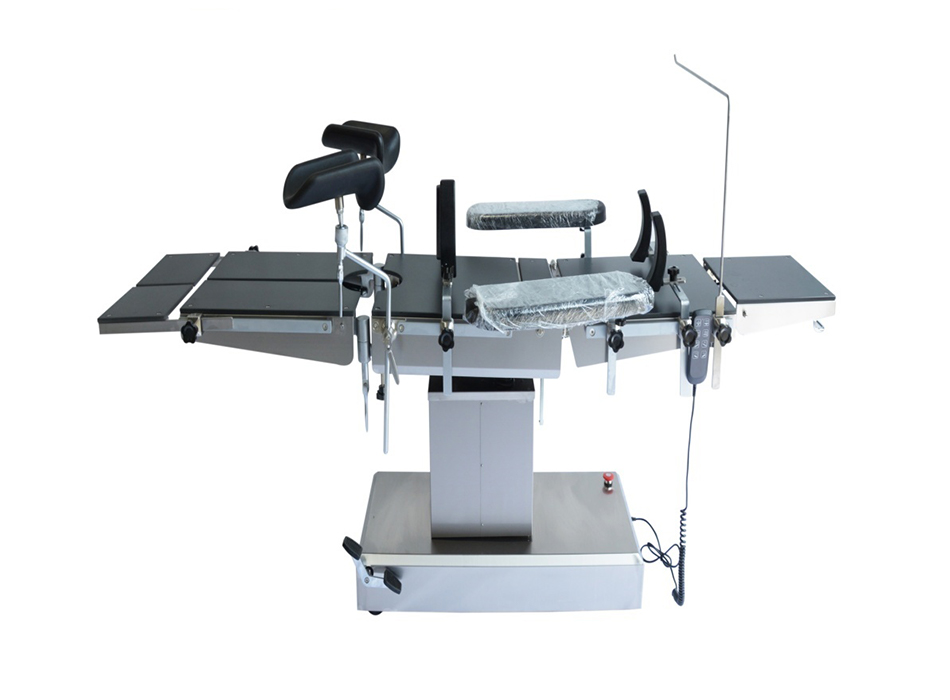
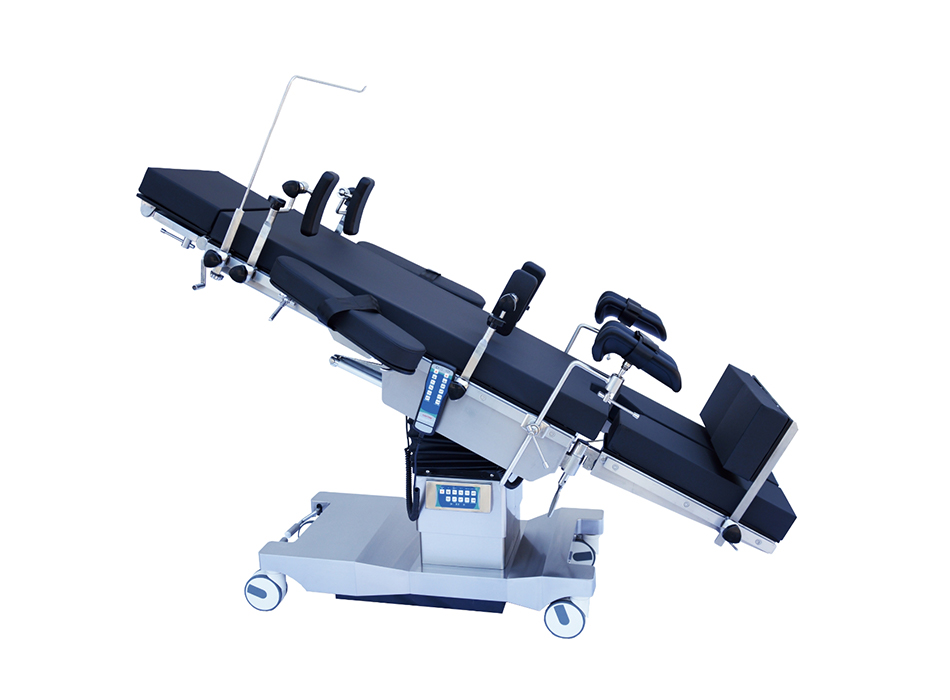
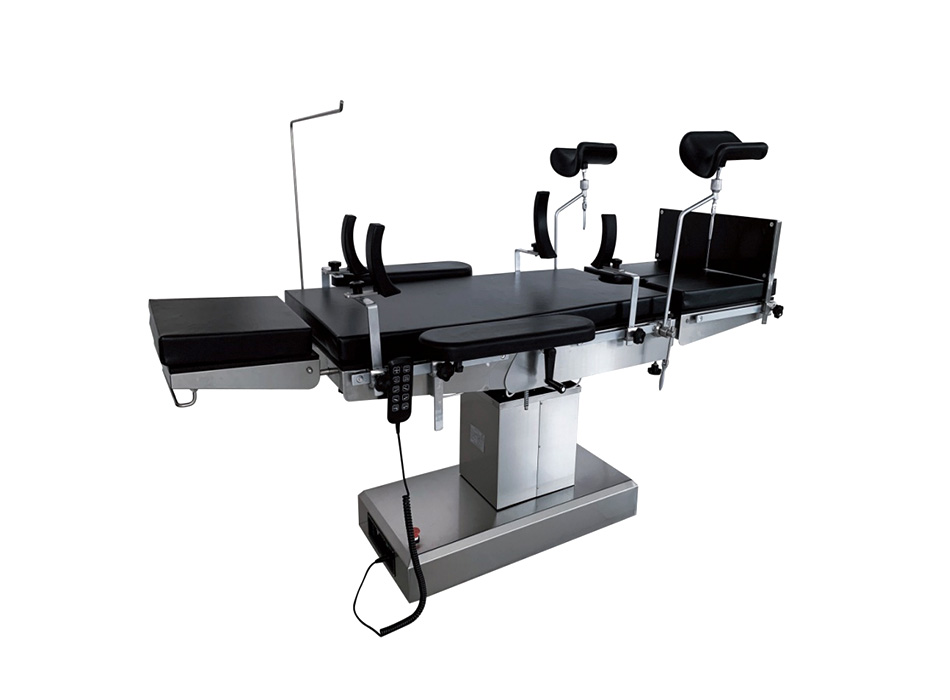
Electric delivery tables use motorized actuators controlled by a hand pendant, foot pedal, or integrated touch panel to adjust height, backrest angle, leg section tilt, and Trendelenburg/reverse Trendelenburg positions. High-end models from manufacturers such as Merivaara, Linet, and AMSCO incorporate up to 6–8 independent electric adjustment axes.
| Feature | Typical Range | Clinical Benefit |
|---|---|---|
| Height adjustment range | 480 – 900 mm | Accommodates standing/seated clinicians and neonatal access |
| Backrest angle | −15° to +85° | Supports upright pushing positions, reduces fetal descent time |
| Safe working load | 200 – 300 kg | Bariatric capacity; inclusive care across patient populations |
| Trendelenburg tilt | ±15° | Rapid response to shoulder dystocia and cord prolapse emergencies |
| Leg section split | Independent, 90°+ abduction | Optimal lithotomy access; reduces perineal trauma risk |
| Battery backup | 2–8 hours | Functional during power outages or room transfers |
Electric delivery tables provide measurable clinical and operational benefits in high-acuity delivery environments:
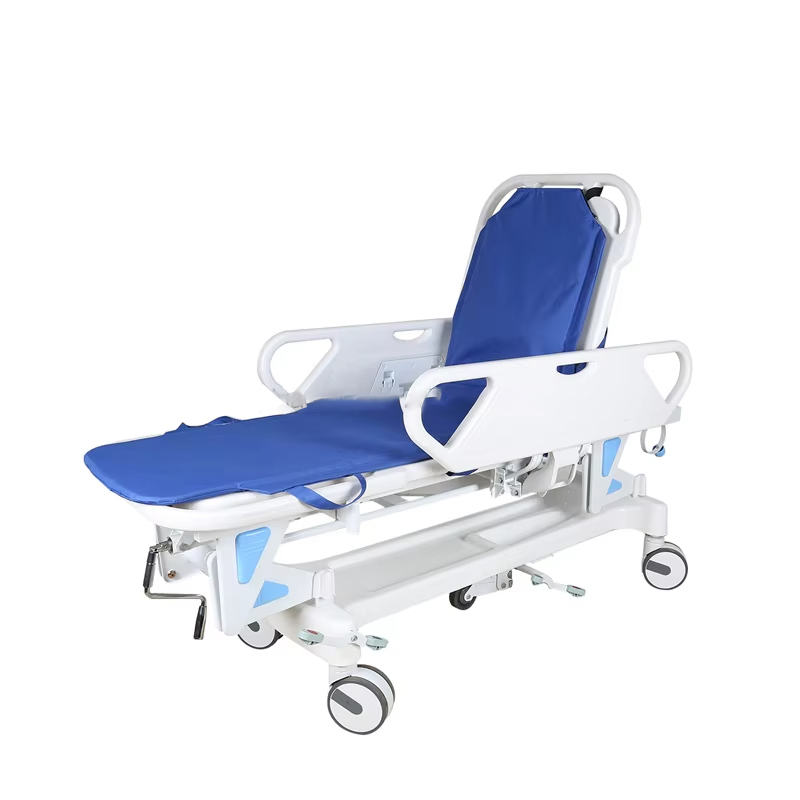
Manual delivery tables use mechanical hand cranks, gas-assisted cylinders, or hydraulic pumps to adjust height and section angles. They require no electrical connection and have significantly lower upfront costs — typically 30–50% less than comparable electric models. For community hospitals, rural maternity units, or facilities in low-resource settings, manual tables remain a practical and reliable choice.
Manual tables require physical effort to reposition, which creates clinically relevant delays in emergencies and contributes to provider fatigue. Height adjustment via crank can take 15–30 seconds compared to 3–5 seconds for electric models. Additionally, manual tables typically offer fewer intermediate positions, limiting their adaptability for physiological birth practices such as upright delivery or water birth transition support.
| Criterion | Electric Delivery Table | Manual Delivery Table |
|---|---|---|
| Upfront cost | €8,000 – €25,000+ | €2,000 – €6,000 |
| Repositioning speed | 3–5 seconds (motorized) | 15–30 seconds (manual crank) |
| Staff ergonomics | Excellent — minimal physical effort | Moderate — requires manual force |
| Position presets/memory | Yes (3–5 programmable) | No |
| Emergency tilt response | Near-instant | Slow; requires personnel |
| Power dependency | Yes (battery backup available) | None required |
| Maintenance complexity | Higher — electronics, actuators | Lower — mechanical parts only |
| Bariatric capacity | Up to 300 kg (model dependent) | Typically 160–200 kg |
| Patient-controlled positioning | Yes (with hand pendant) | No |
Beyond the electric-versus-manual decision, the overall delivery room configuration determines how effectively any delivery table performs. The following features are considered clinical best practice in modern obstetric unit design:
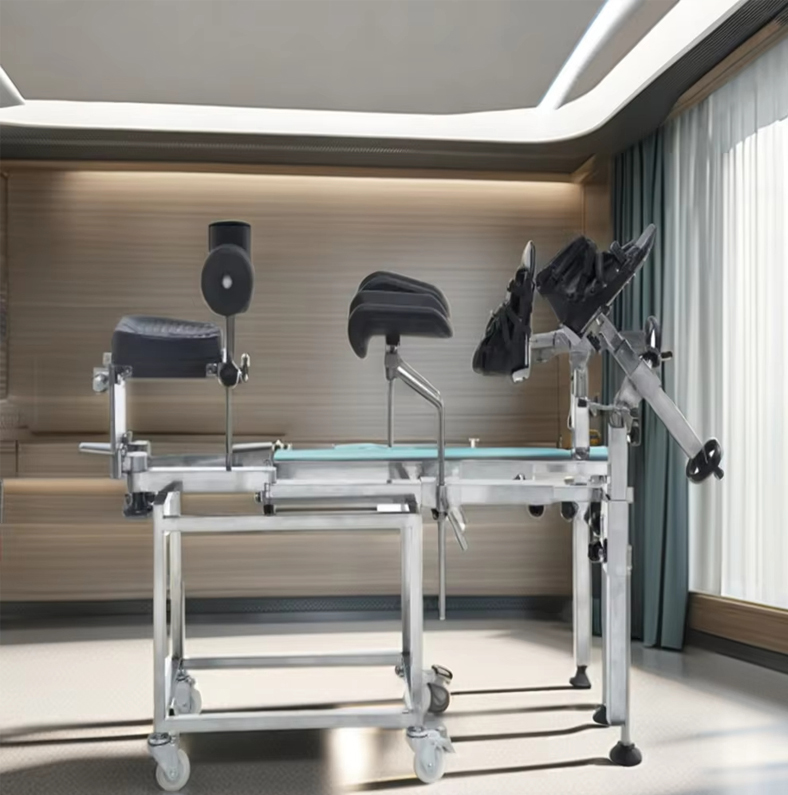
A complete delivery room table system includes detachable leg supports (candy cane or Allen-type stirrups), removable perineal section, adjustable armrests with IV pole mounts, and lateral side rails. Modular systems reduce room turnover time by an average of 8–12 minutes per delivery cycle, according to obstetric unit efficiency analyses, because accessories can be reconfigured without replacing the base unit.
Delivery bed surfaces must withstand repeated disinfection with chlorine-based and quaternary ammonium compounds. High-grade polyurethane mattress covers with seamless welding at edges prevent fluid infiltration — a leading cause of bacterial colonization in obstetric environments. Avoid foam-covered surfaces with stitched seams in delivery rooms where amniotic fluid, blood, and meconium exposure is routine.
Delivery tables should feature at least four 150 mm dual-wheel castors with individual or central locking mechanisms. Central brake systems lockable from a single foot pedal are strongly preferred in emergency scenarios where clinicians cannot safely reach individual wheel locks. Tables intended for use in operating theatres for emergency caesarean transfer should also meet anti-static floor standards (IEC 60601-1).
There is no universal answer — the right delivery table depends on your unit's clinical workload, budget, infrastructure, and patient population. Use the following decision framework:
All delivery tables intended for use in EU hospitals must comply with EN ISO 9001 quality management standards and carry CE marking under the EU Medical Device Regulation (MDR 2017/745). Key applicable standards include:
Procurement officers should request full technical documentation (Declaration of Conformity, test reports, service manuals) from manufacturers before finalizing any delivery table purchase, and verify that the local biomedical engineering team is certified to maintain the chosen models.
The delivery bed market is evolving rapidly. Several trends are shaping next-generation obstetric table design:
If you are interested in our products, please consult us
Copyright © 2026 Jiangsu Yigao Medical Equipment Technology Co., Ltd.

Custom Electric Medical Bed Manufacturers
The information provided on this website is intended for use only in countries and jurisdictions outside of the People's Republic of China.