Welcome to Jiangsu Yigao Medical


 ENG
ENG

 English
 Español
Welcome to Jiangsu Yigao Medical

The operating room (OR) is the heart of any hospital, and the operating table is the foundation upon which every successful surgery is built. As medical technology advances, the debate between choosing a traditional hydraulic system or a modern Surgical Medical Electrical Operating Table has become a central topic for hospital administrators and clinical engineers.
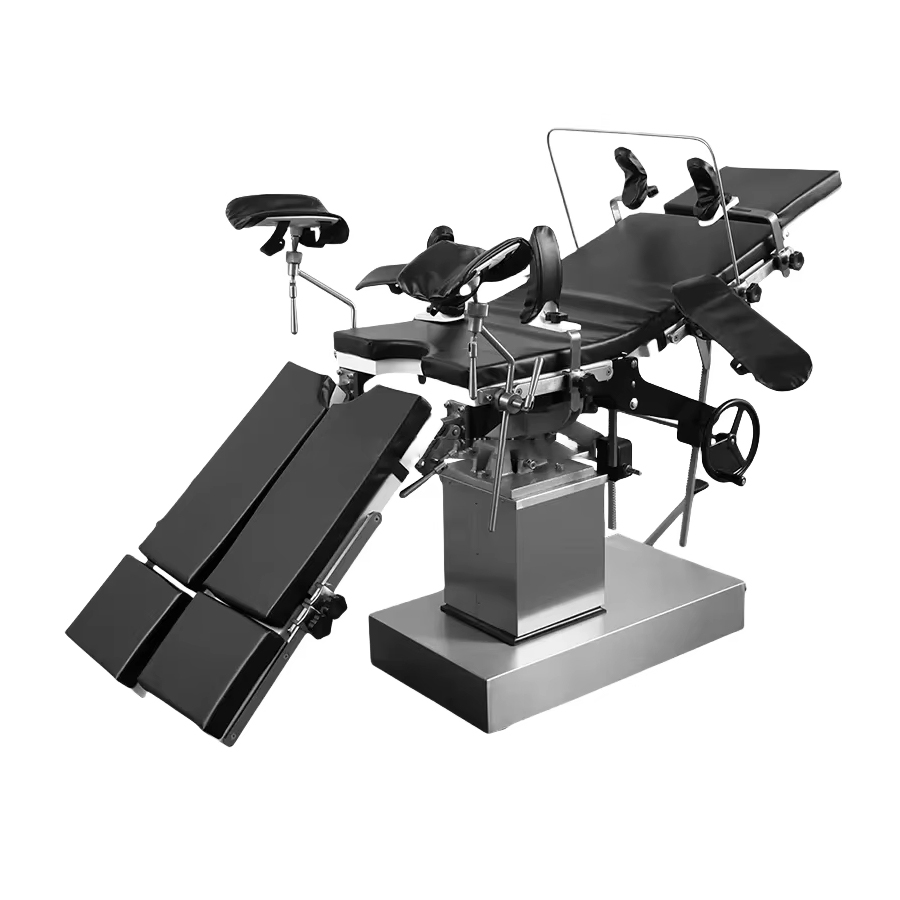
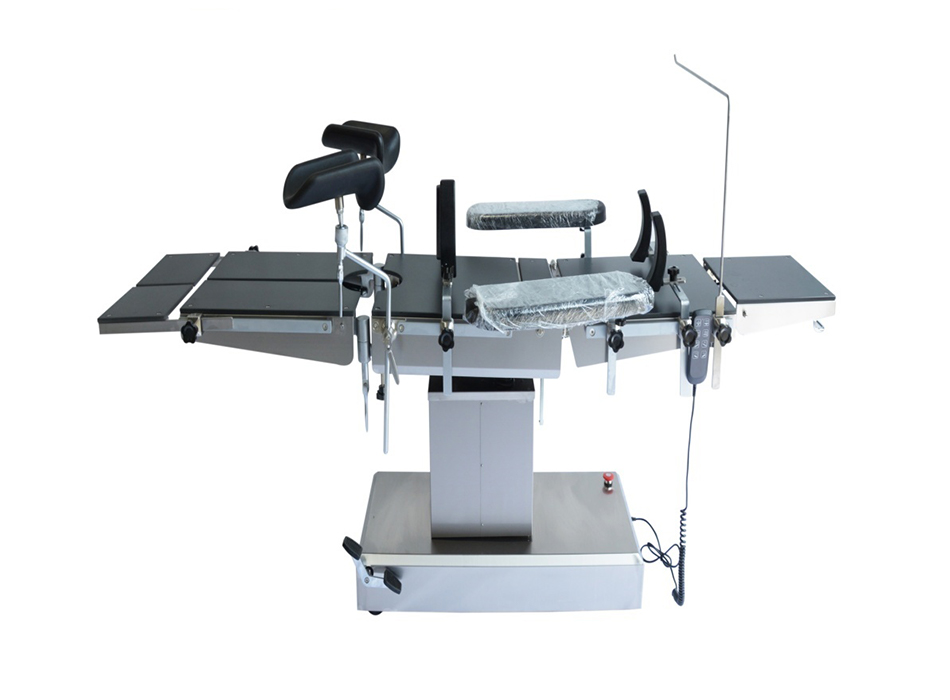
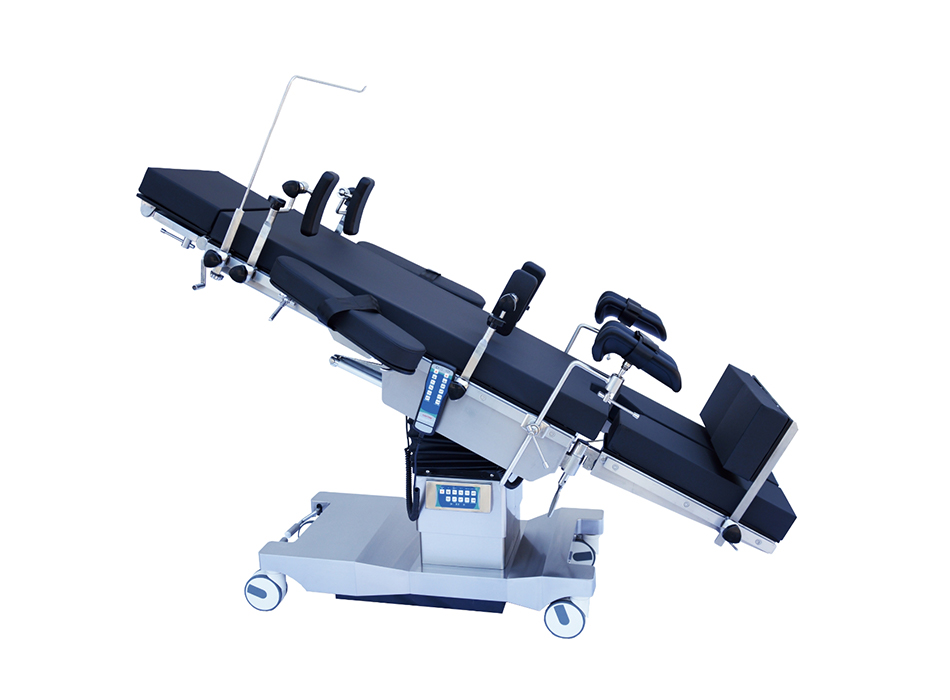
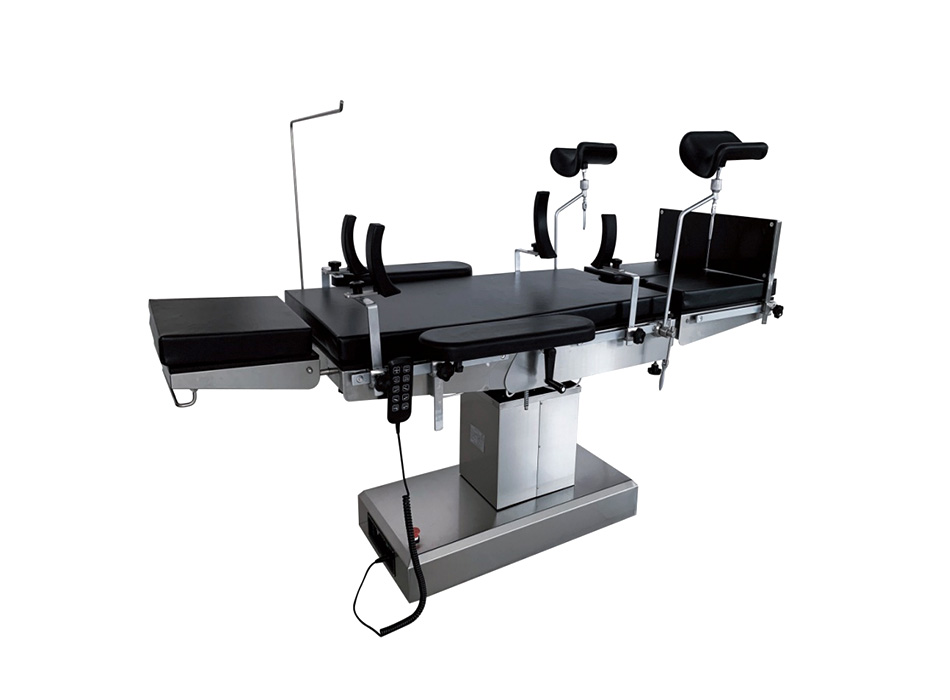
In the past, hydraulic tables were the industry standard due to their simplicity and independence from electrical power. However, as procedures become more complex—ranging from minimally invasive robotic surgeries to high-precision neurosurgery—the requirements for the operating platform have shifted. Today, models like the YGD02 Surgical medical electrical operating table are redefining what surgeons expect in terms of stability, precision, and integration.
Hydraulic tables rely on fluid mechanics. A foot pump or a manual lever moves oil through a series of valves and cylinders to lift or tilt the table. While "manual-hydraulic" tables require physical effort from the staff, "electro-hydraulic" tables use an electric motor to pump the oil. However, at their core, they still rely on fluid pressure to hold the patient's weight.
A modern Surgical Medical Electrical Operating Table utilizes sophisticated electric actuators and microprocessors. Instead of fluid, the table uses precise mechanical screw drives or gears powered by high-torque electric motors. This allows for silent, vibration-free movements. The YGD02 Surgical medical electrical operating table, for instance, utilizes advanced circuitry to ensure that movements are perfectly linear and repeatable, providing a level of control that hydraulic systems struggle to match.
In modern surgery, "close enough" is never enough. The ability to tilt a patient exactly 15 degrees or move the tabletop horizontally by a few millimeters is crucial for surgical access and imaging clarity.
Maintenance is often where the real cost of an operating table is hidden.
One of the biggest drawbacks of hydraulic systems is the risk of oil leaks. A single degraded O-ring or a hairline crack in a fluid line can result in hydraulic oil on the sterile OR floor. Not only is this a safety hazard, but it also requires taking the OR out of service for deep cleaning and mechanical repair.
The Surgical Medical Electrical Operating Table eliminates the need for hydraulic fluid altogether. With no oil to leak and no valves to clog, the mechanical maintenance is significantly simpler. Most modern electrical tables only require periodic lubrication of the gears and battery health checks. For facilities looking to maximize OR uptime, the dry mechanical nature of the YGD02 Surgical medical electrical operating table offers a cleaner, more reliable long-term solution.
Safety in the OR applies to both the patient and the surgical team.
Manual hydraulic tables require nursing staff to pump foot pedals repeatedly to raise a heavy patient. In a busy hospital with 10–12 surgeries a day, this physical strain can lead to staff fatigue or injury. An electrical table like the YGD02 is controlled via a hand remote or a wall-mounted panel. Adjusting a 200kg patient becomes an effortless task, allowing the staff to focus entirely on patient care rather than mechanical operation.
Modern electrical tables come equipped with "collision protection." If the table is lowered and senses an obstruction (like a Mayo stand or a waste bin), the sensors stop the movement automatically. Additionally, the YGD02 Surgical medical electrical operating table includes an integrated battery backup system. In the rare event of a hospital power failure, the table remains fully functional for hours, ensuring that a surgery in progress can be completed safely.
As interventional radiology and "hybrid" ORs become more common, the operating table must be "transparent" to X-rays.
Hydraulic tables often have bulky central columns and thick metal frames to house the fluid reservoirs and pumps. This can interfere with C-arm imaging, creating shadows or blocking the view of the surgical site.
In contrast, the Surgical Medical Electrical Operating Table is often designed with a slim-profile base and a radiolucent tabletop (usually made of high-grade carbon fiber or specialized resins). The YGD02 model, for example, features a large longitudinal slide range. This allows the tabletop to move significantly toward the head or foot end, giving the C-arm unobstructed access to the patient’s entire body without having to move the patient or the table base.
While a Surgical Medical Electrical Operating Table may have a higher initial purchase price than a basic hydraulic model, the Total Cost of Ownership is often lower over a 10-year period.
| Expense Category | Hydraulic Table | Electrical Table (YGD02) |
| Initial Purchase | Lower | Moderate to High |
| Maintenance | High (Fluid changes, seal repairs) | Low (Battery & Gear checks |
| OR Uptime | Moderate (Risk of leaks) | High (Reliable electronics) |
| Staff Efficiency | Lower (Manual pumping) | Higher (One-touch presets) |
| Lifespan | 7–10 Years | 12–15+ Years |
When you factor in the reduced maintenance costs and the increased number of procedures that can be performed due to faster turnover times, the electrical table emerges as the more financially sound choice for modern facilities.
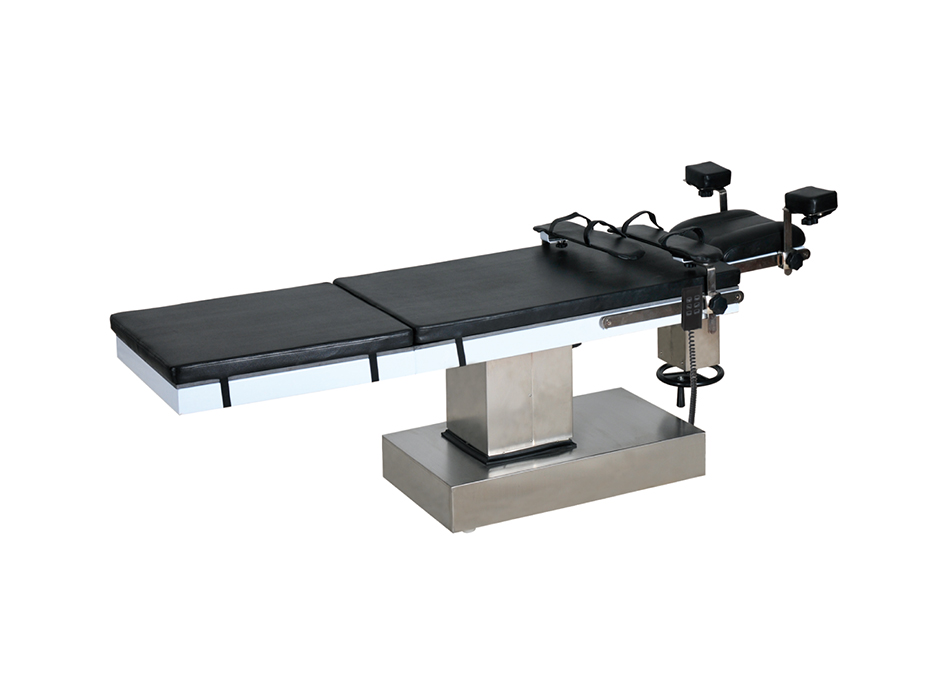
Modern hospitals require equipment that can serve multiple departments. The YGD02 Surgical medical electrical operating table is designed as a universal platform. Its modular design allows for various attachments:
The ability to switch between these "modes" electronically makes the electrical table a versatile asset that doesn't sit idle, ensuring the hospital gets the most value out of its equipment.
The 2026 surgical environment is increasingly digital. We are seeing operating tables that can "talk" to the hospital’s central integration system. A Surgical Medical Electrical Operating Table can be synced with surgical lights and cameras. For instance, as the table tilts, the overhead lights can automatically adjust their focus to follow the surgical field. This level of synchronization is impossible with purely hydraulic systems.
The YGD02 is built with this future in mind, featuring a control interface that is intuitive for today’s tech-savvy surgical teams.
Choosing between electric and hydraulic comes down to the goals of your surgical facility. If you are operating a small, rural clinic with very limited access to technical support and do only basic procedures, a manual hydraulic table may suffice.
However, for any facility aiming to provide modern surgical care, the Surgical Medical Electrical Operating Table is the clear winner. Its precision, ease of use, imaging compatibility, and low maintenance requirements make it an essential tool for the 21st-century hospital.
The YGD02 Surgical medical electrical operating table represents the pinnacle of this technology—offering a stable, quiet, and highly adaptable platform that supports the surgeon’s skill and ensures the patient’s safety.
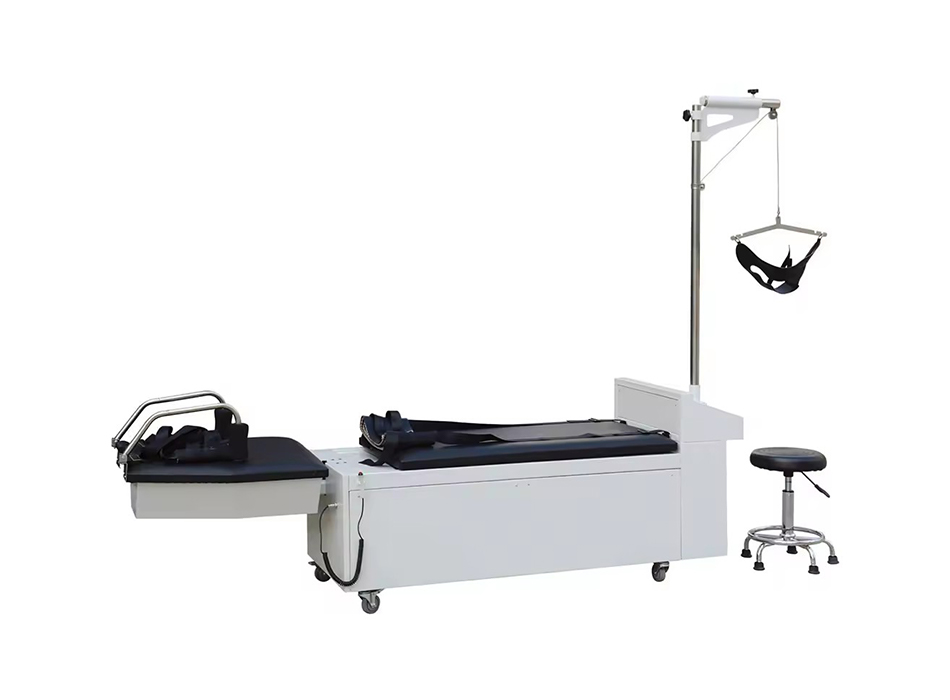
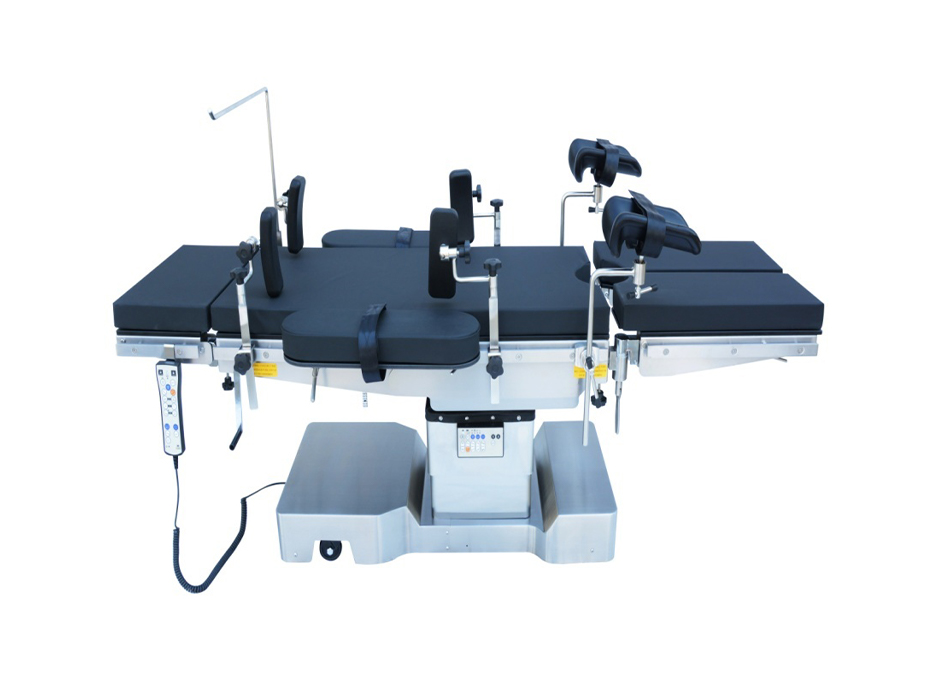
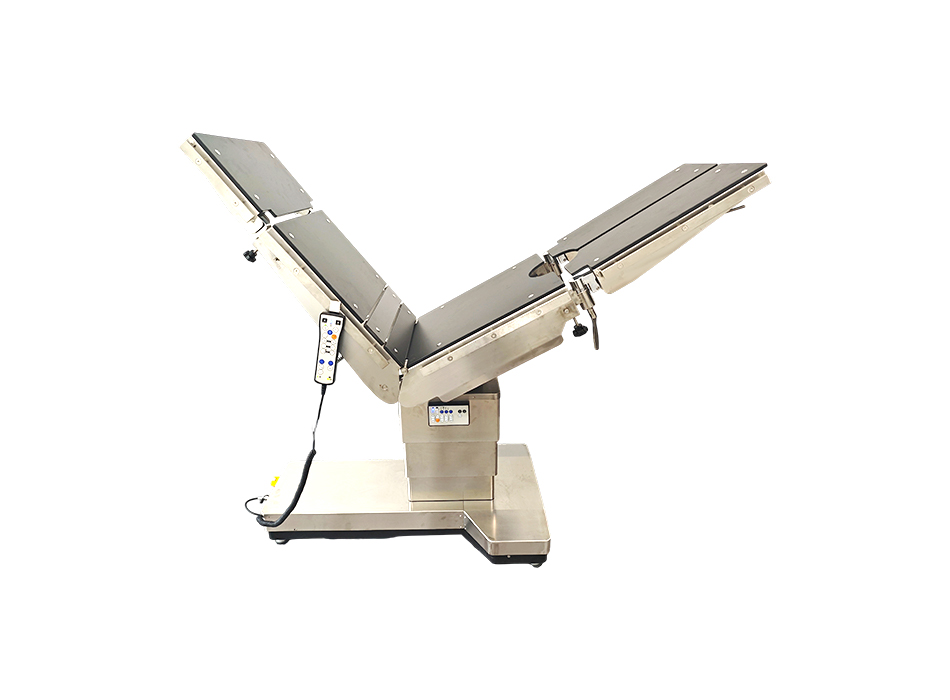
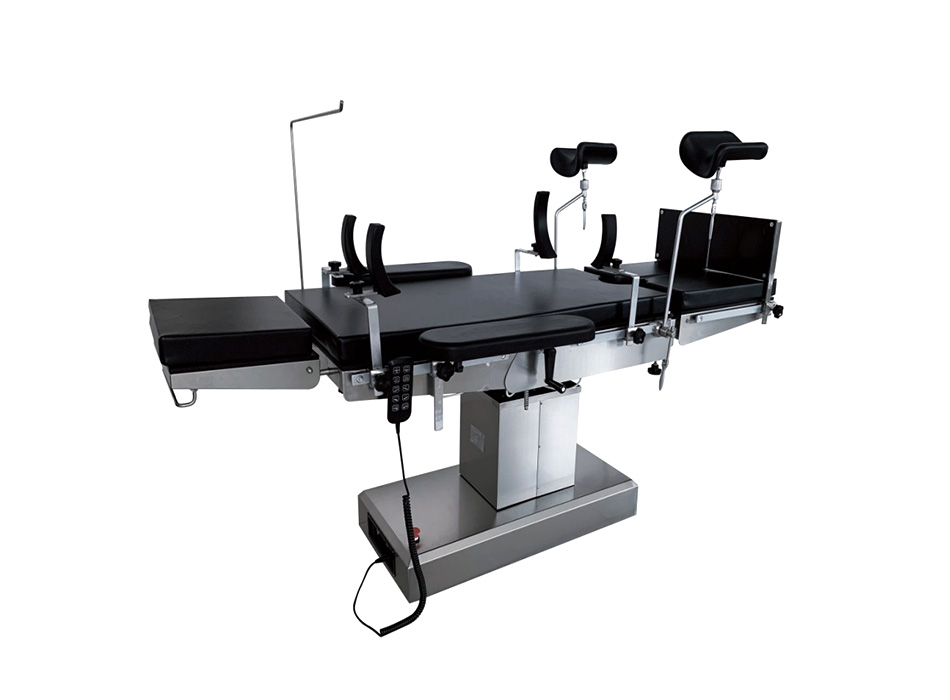
If you are interested in our products, please consult us
Copyright © 2026 Jiangsu Yigao Medical Equipment Technology Co., Ltd.

Custom Electric Medical Bed Manufacturers
The information provided on this website is intended for use only in countries and jurisdictions outside of the People's Republic of China.