Welcome to Jiangsu Yigao Medical


 ENG
ENG

 English
 Español
Welcome to Jiangsu Yigao Medical

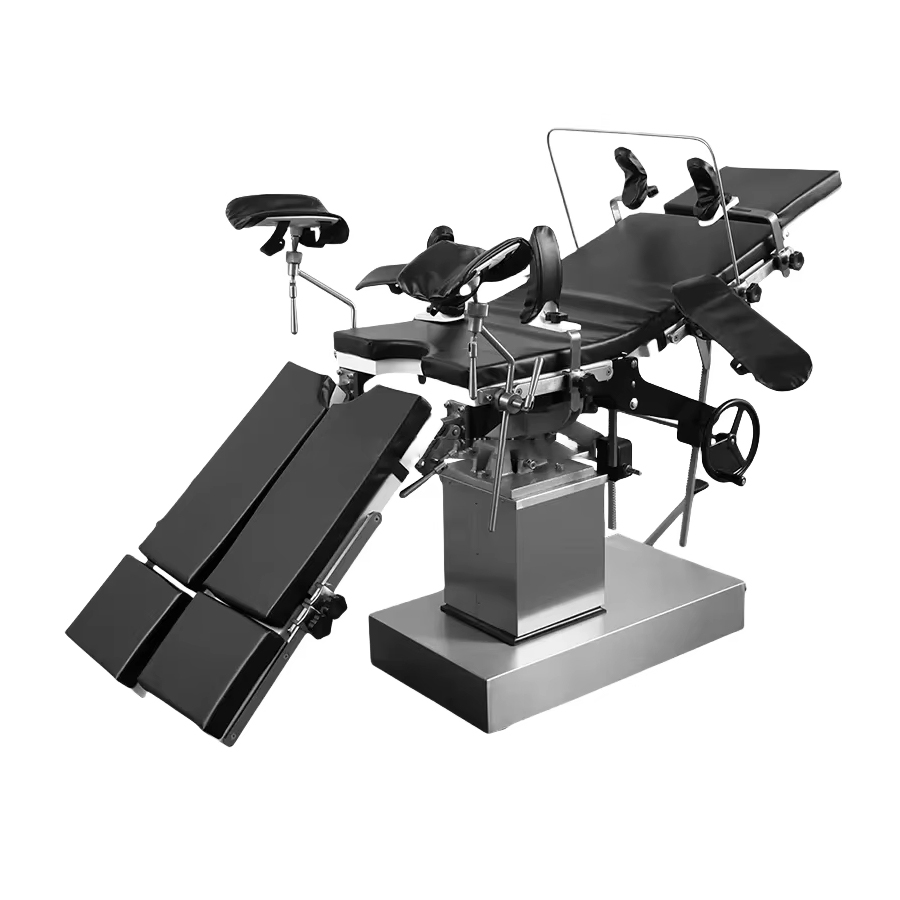
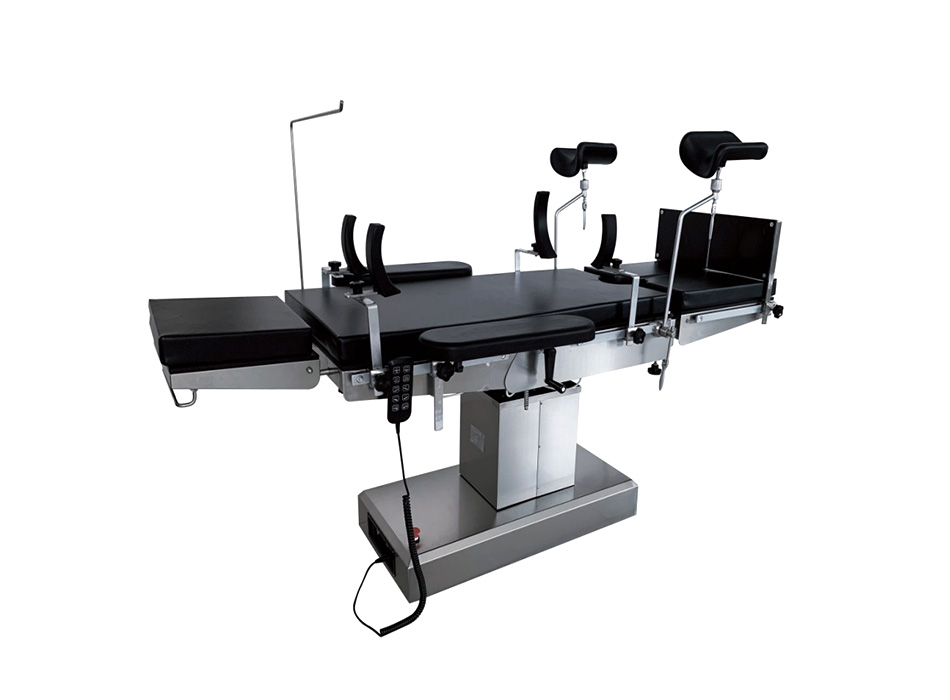
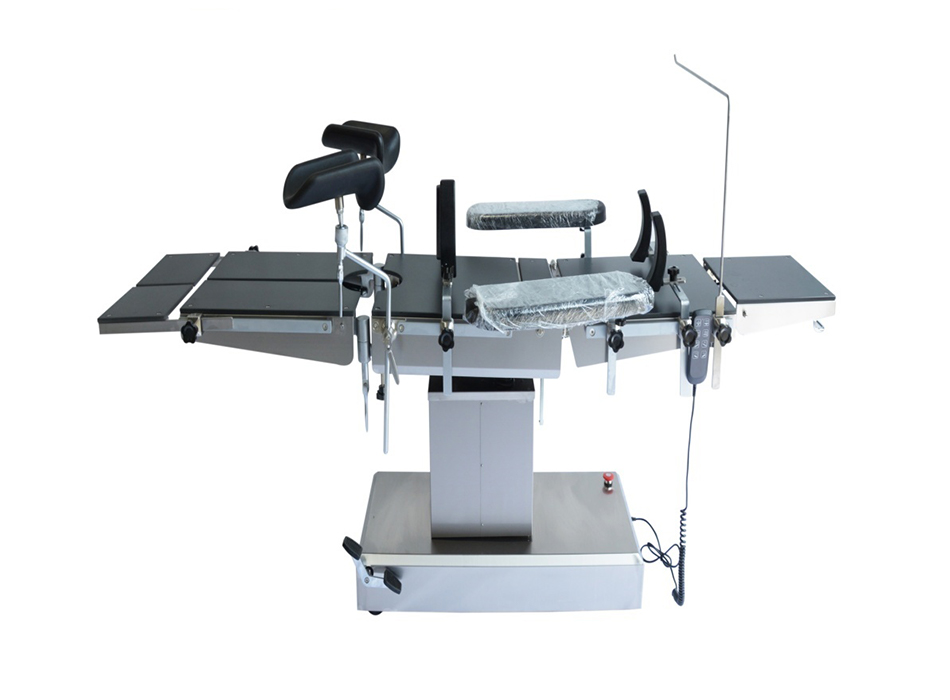
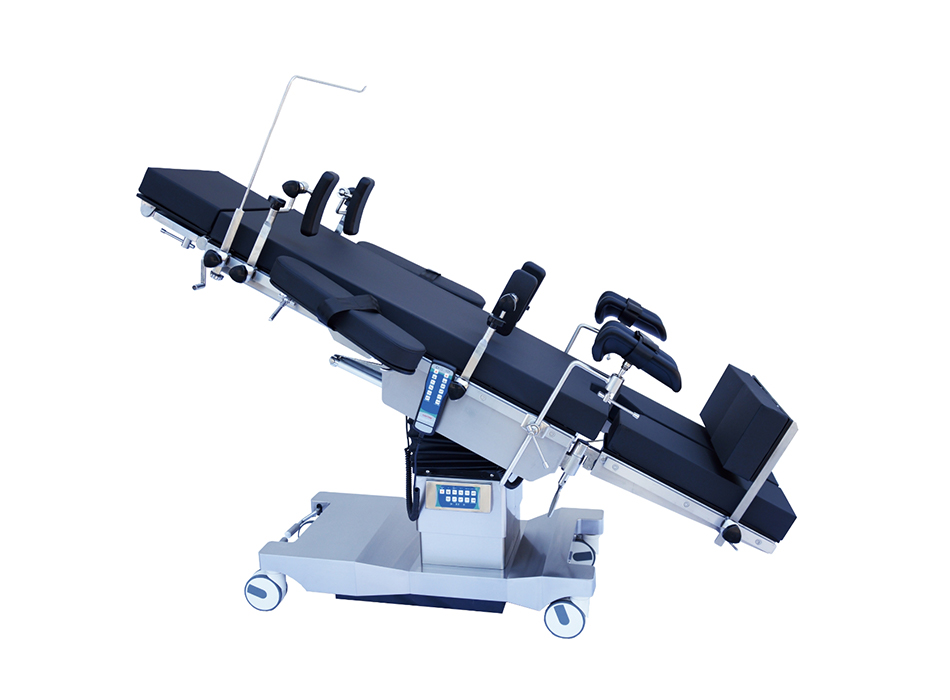
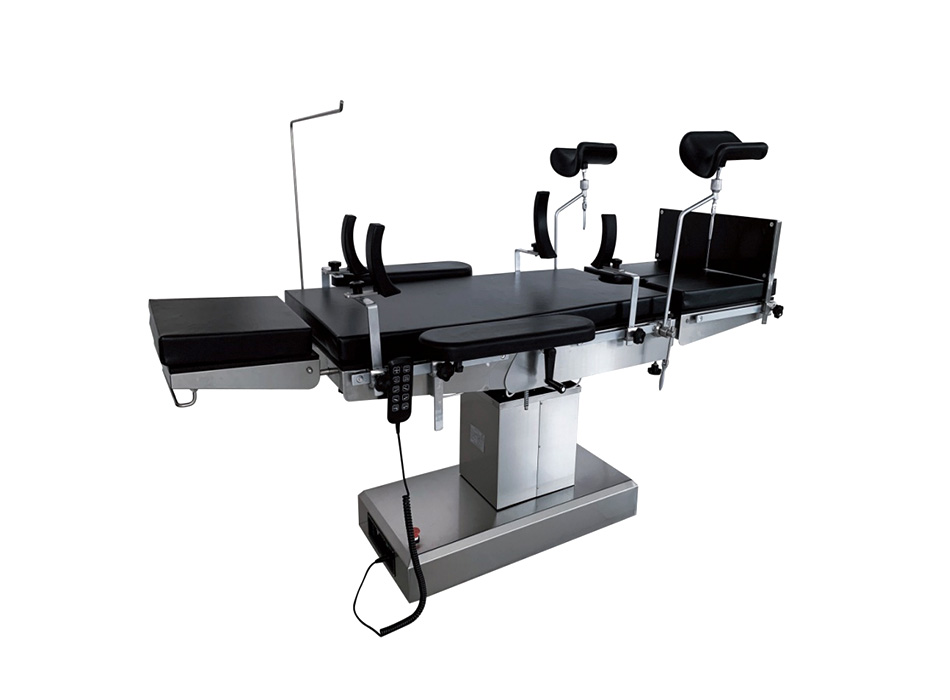
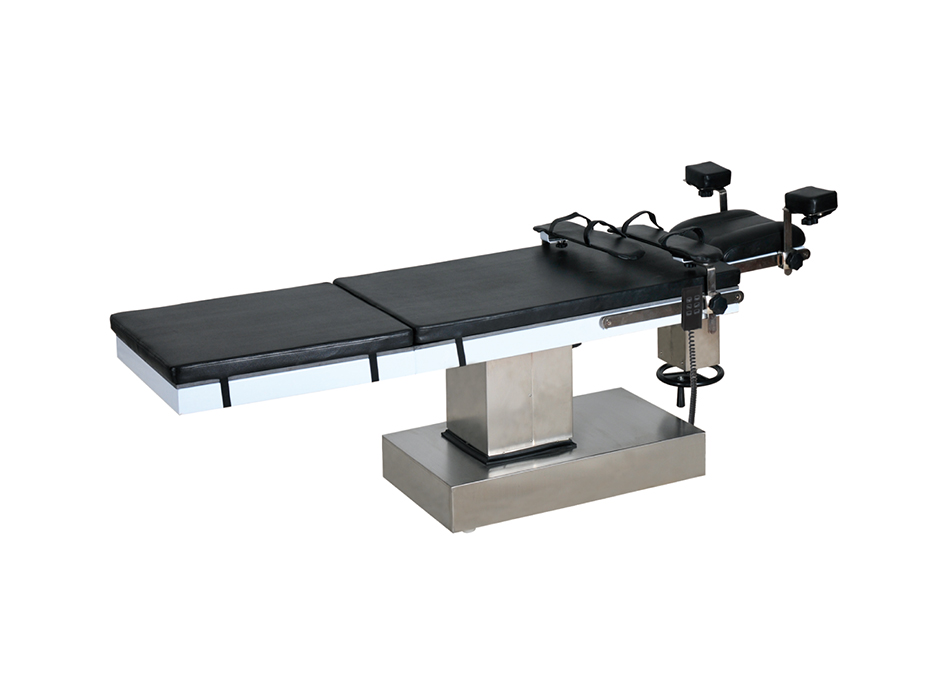
A manual operation table is a surgical table whose height, tilt, and section positions are adjusted using hand cranks or hydraulic foot/hand pumps, rather than electric motors. This design makes it a reliable, lower-cost alternative to electric or electro-hydraulic operating tables, and it remains a standard fixture in general surgery suites, outpatient clinics, veterinary practices, and facilities in regions where consistent electrical power cannot be guaranteed.
In short: a manual operation table is the right equipment choice whenever a facility needs dependable, motor-free positioning for general surgical procedures at a fraction of the cost of an electric model — typically 40% to 60% less expensive than a comparable electric table.
Unlike electric tables that use motorized actuators, manual tables rely on mechanical or hydraulic systems operated by the surgical team. Understanding the two primary adjustment mechanisms helps buyers choose the right type for their procedure volume and staff preferences.
Most manual tables use a hydraulic cylinder operated by a foot pedal or hand pump to raise and lower the tabletop. A release valve allows controlled lowering, and this system typically provides a height adjustment range of 760mm to 1,050mm, sufficient for most general surgical positioning needs.
Tilt functions such as Trendelenburg, reverse Trendelenburg, and lateral tilt are usually controlled by separate hand cranks connected to a gear or screw mechanism. These cranks allow precise, incremental adjustment and hold their position securely without drift, since there is no seal or valve that can leak under sustained pressure.
Choosing between manual and electric tables depends on procedure type, budget, and facility infrastructure. The comparison below outlines the key differences that typically drive a purchasing decision.
| Factor | Manual Table | Electric Table |
|---|---|---|
| Typical Cost | $1,500-$5,000 | $8,000-$30,000+ |
| Power Dependency | None required | Requires stable electricity |
| Adjustment Speed | Slower, staff-operated | Fast, one-touch controls |
| Maintenance Complexity | Low, mostly mechanical | Higher, motors and electronics |
| Best Suited For | General surgery, outpatient, remote clinics | High-volume ORs, complex specialties |
The trade-off is straightforward: manual tables sacrifice adjustment speed and convenience for lower cost, simpler maintenance, and complete independence from electrical infrastructure, which is often the deciding factor for facilities in areas with unreliable power supply.
Manual operation tables remain widely used across a variety of healthcare and veterinary settings, particularly where budget constraints or infrastructure limitations make electric models impractical.
Many hospitals in developing regions and low-resource settings rely on manual tables as their primary surgical platform, since the absence of motors and control boards significantly reduces the risk of equipment downtime due to component failure or lack of technical service availability.
Not all manual operation tables offer the same functionality. Buyers should confirm the following specifications match their facility's procedural requirements before finalizing a purchase or wholesale order.
Facilities that perform imaging-guided procedures should prioritize tables with a radiolucent top and C-arm compatible base design, since retrofitting this feature after purchase is not possible on most manual table frames.
One of the strongest arguments for manual tables is long-term reliability, since fewer moving electronic components means fewer failure points. However, routine maintenance is still essential to preserve smooth operation and patient safety.
With proper maintenance, a well-built manual operation table commonly delivers a service life of 15 to 20 years, often outlasting the electronic components in comparable electric models, which may require motor or control board replacement well before the mechanical frame wears out.
A manual operation table is the right choice for facilities that need reliable, budget-friendly surgical positioning without dependence on electrical infrastructure, making it particularly well-suited to general surgery centers, outpatient clinics, veterinary practices, and hospitals in areas with unreliable power supply. When selecting a table, prioritize weight capacity, section configuration, and tabletop material based on the procedures your facility performs most frequently, and commit to a routine maintenance schedule to maximize its long service life. For high-volume operating rooms performing complex, time-sensitive procedures, an electric table may offer better efficiency — but for the majority of general surgical applications, a manual operation table remains a durable and cost-effective solution.
If you are interested in our products, please consult us
Copyright © 2026 Jiangsu Yigao Medical Equipment Technology Co., Ltd.

Custom Electric Medical Bed Manufacturers
The information provided on this website is intended for use only in countries and jurisdictions outside of the People's Republic of China.