Welcome to Jiangsu Yigao Medical


 ENG
ENG

 English
 Español
Welcome to Jiangsu Yigao Medical

In the field of surgery, precision, focus, and endurance are essential. Surgeons often work for extended hours, performing intricate procedures that require constant attention to detail. However, one of the challenges that many surgeons face is fatigue, which can significantly impact performance during long surgeries. Fatigue not only affects the surgeon’s well-being but can also have implications for patient safety and surgery outcomes.
A key advancement in surgical technology has been the development of the Electric Hydraulic Surgical Operating Table. These tables have become an essential tool in modern surgical environments, offering numerous benefits, including a significant reduction in surgeon fatigue.
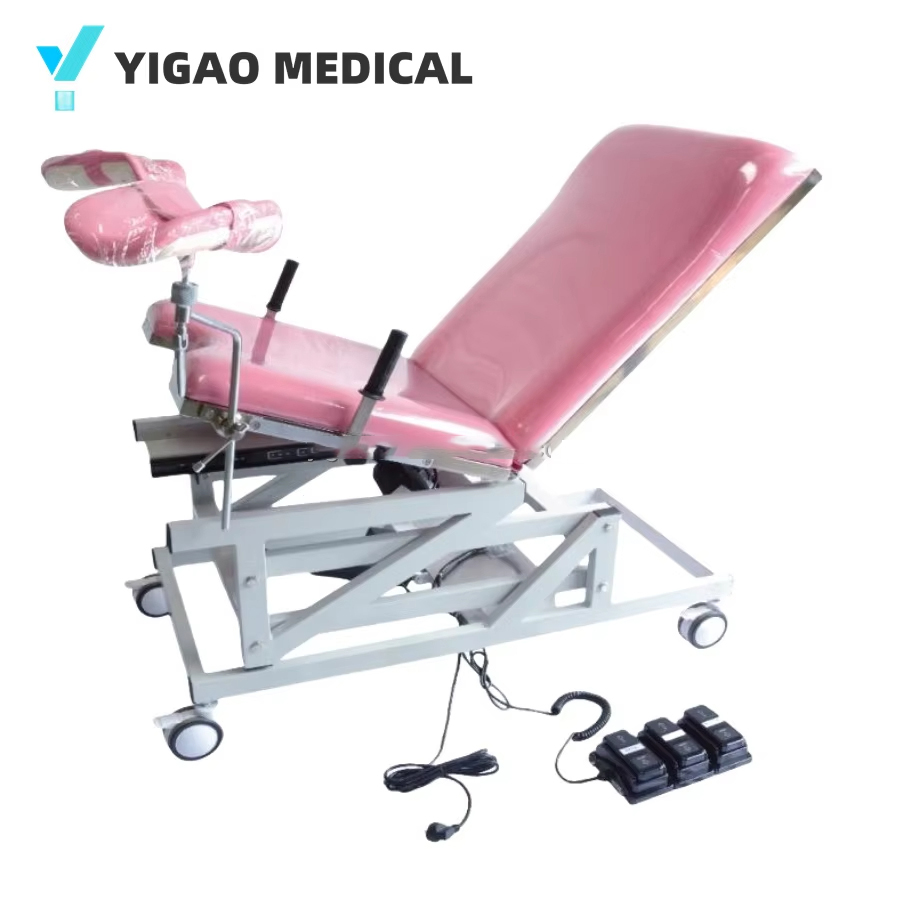
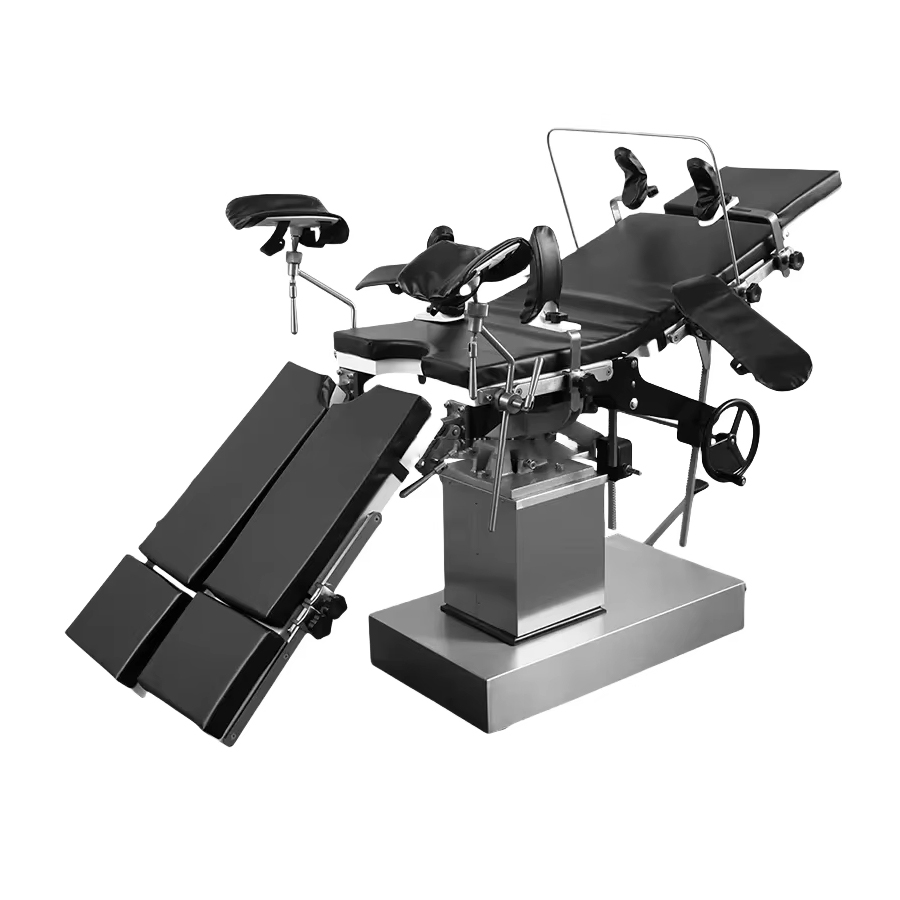
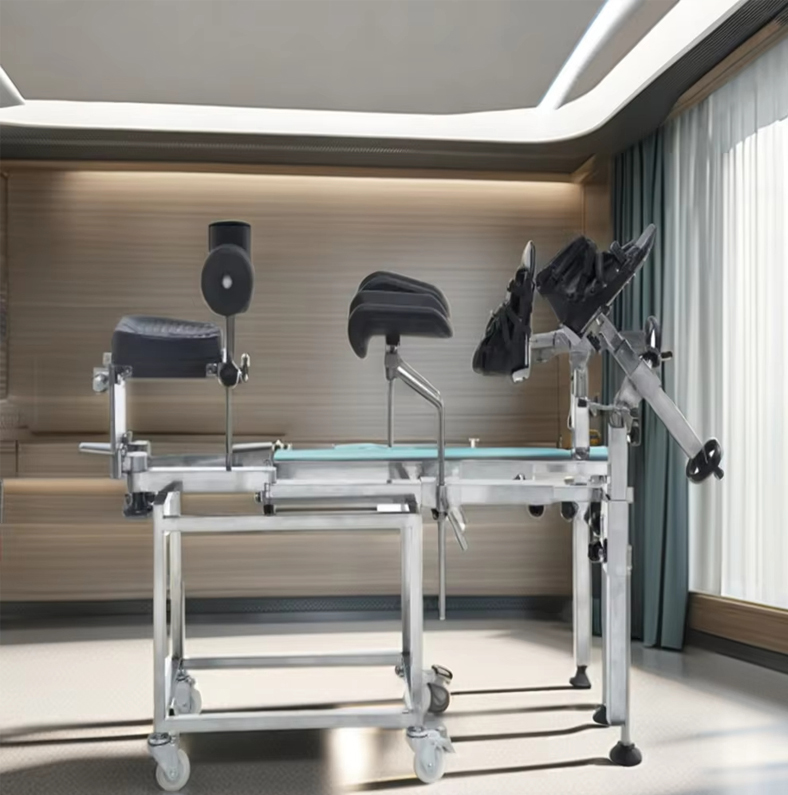
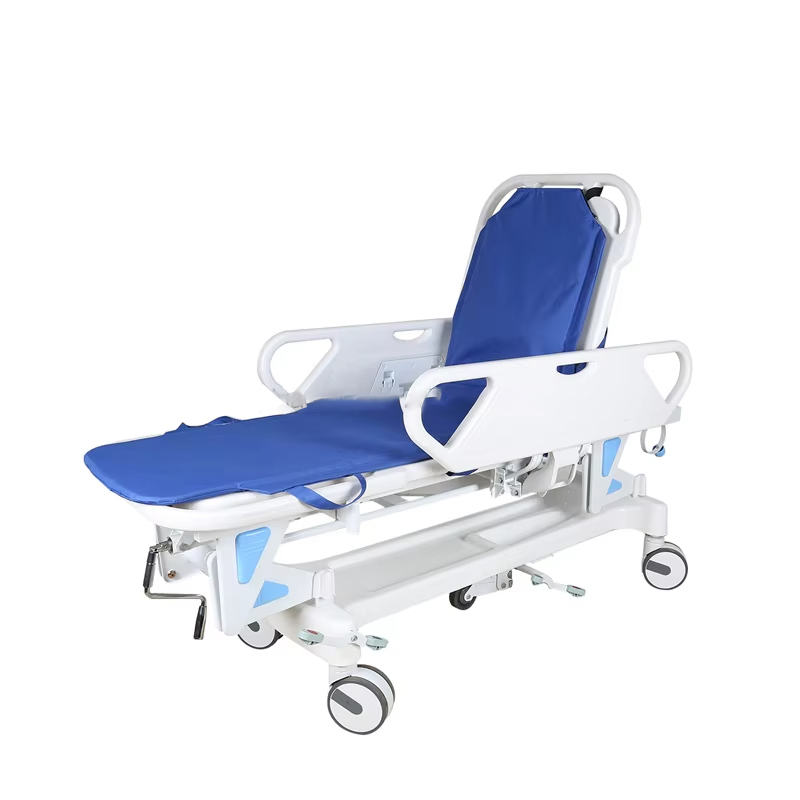
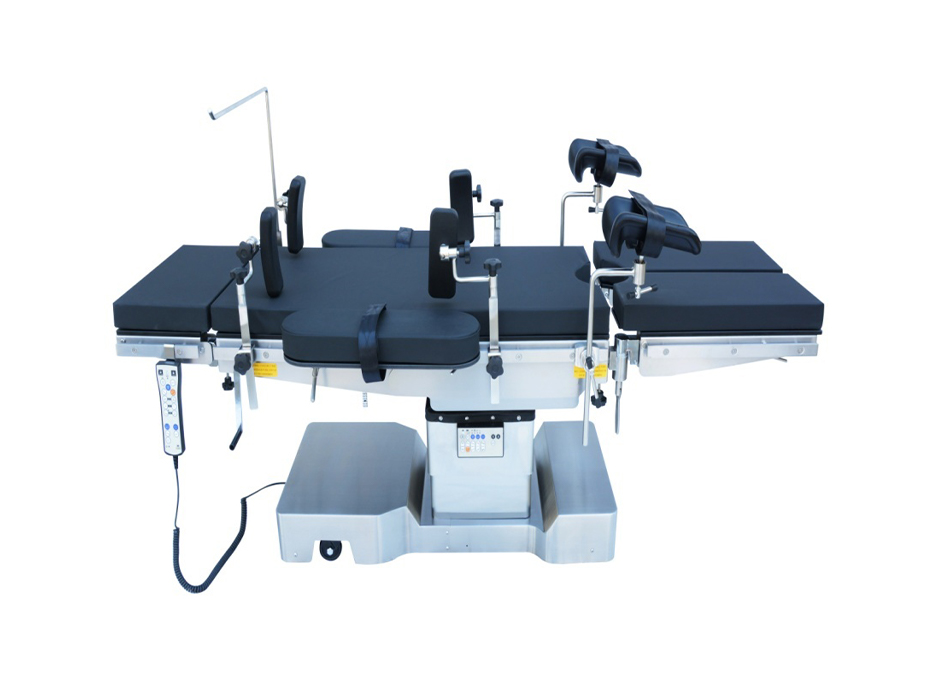
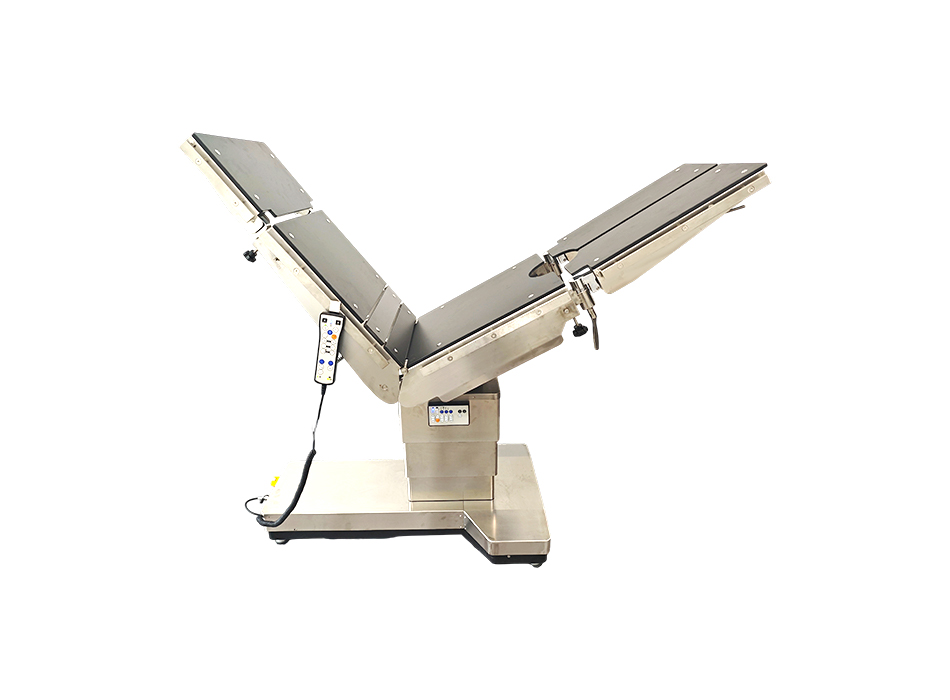
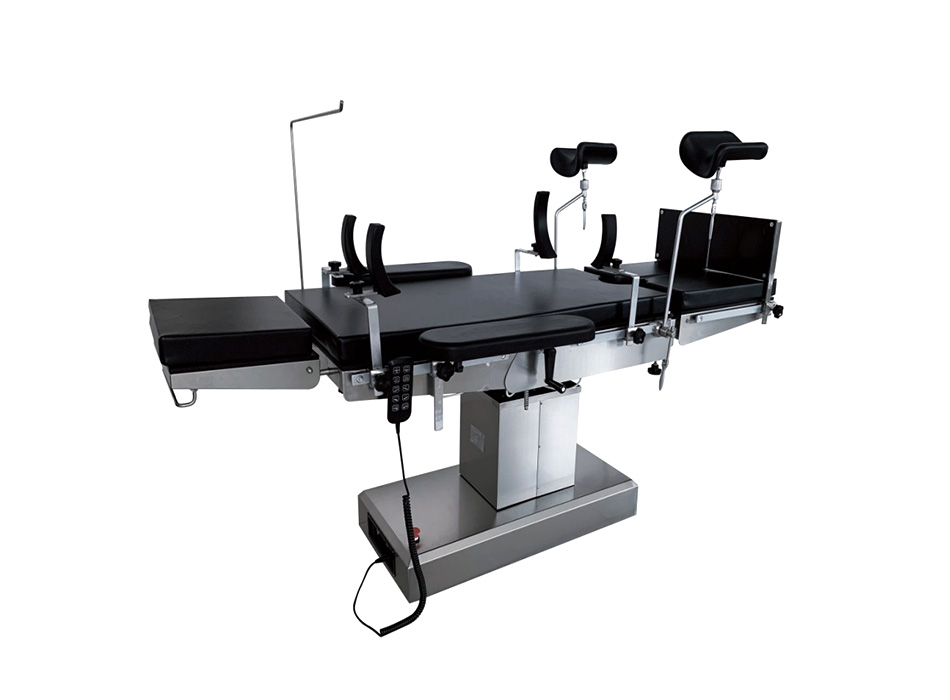
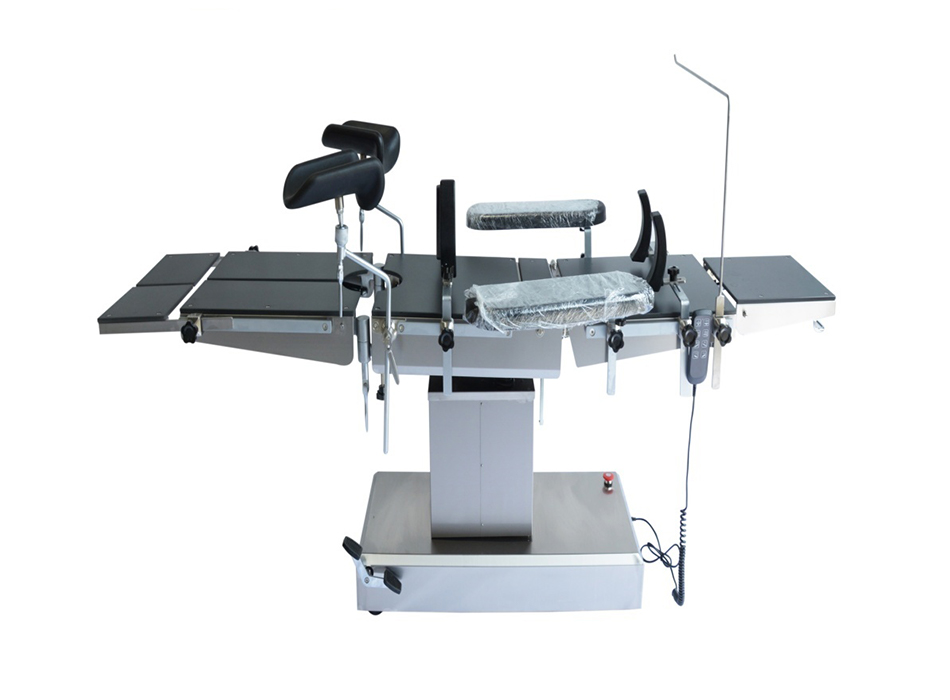
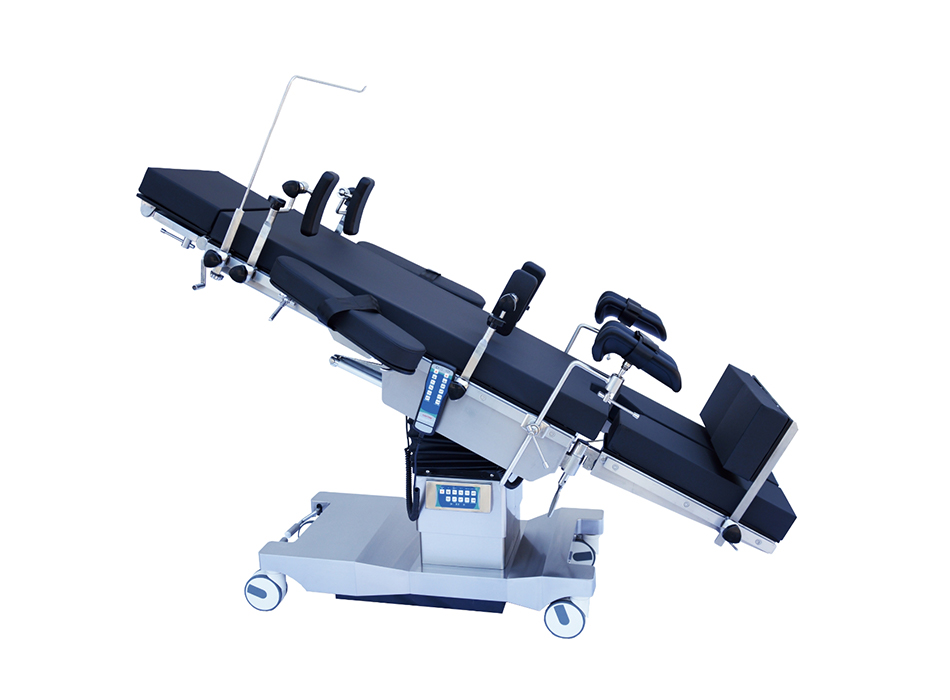
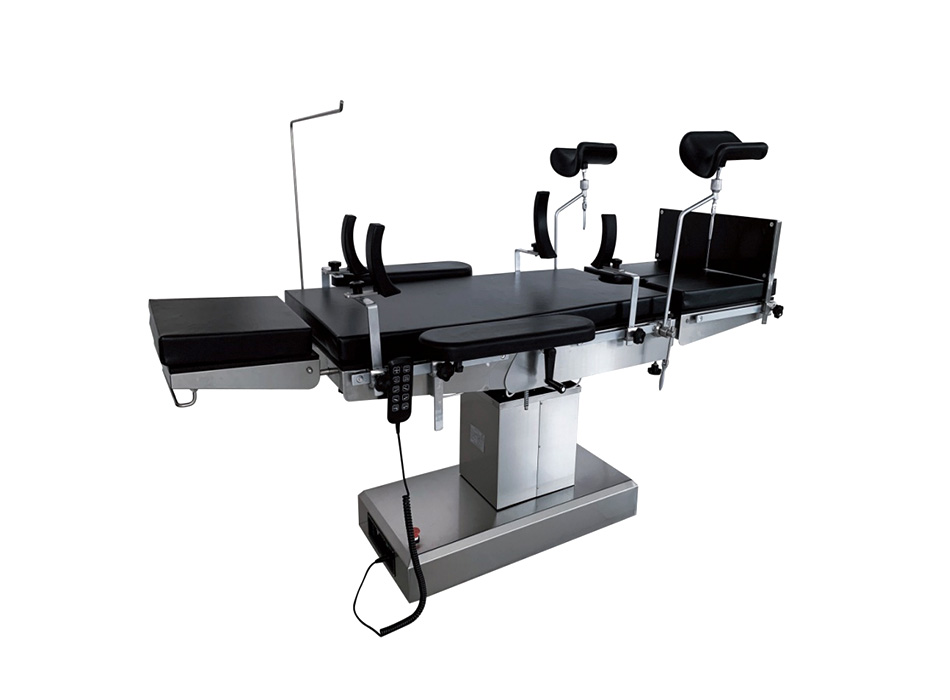
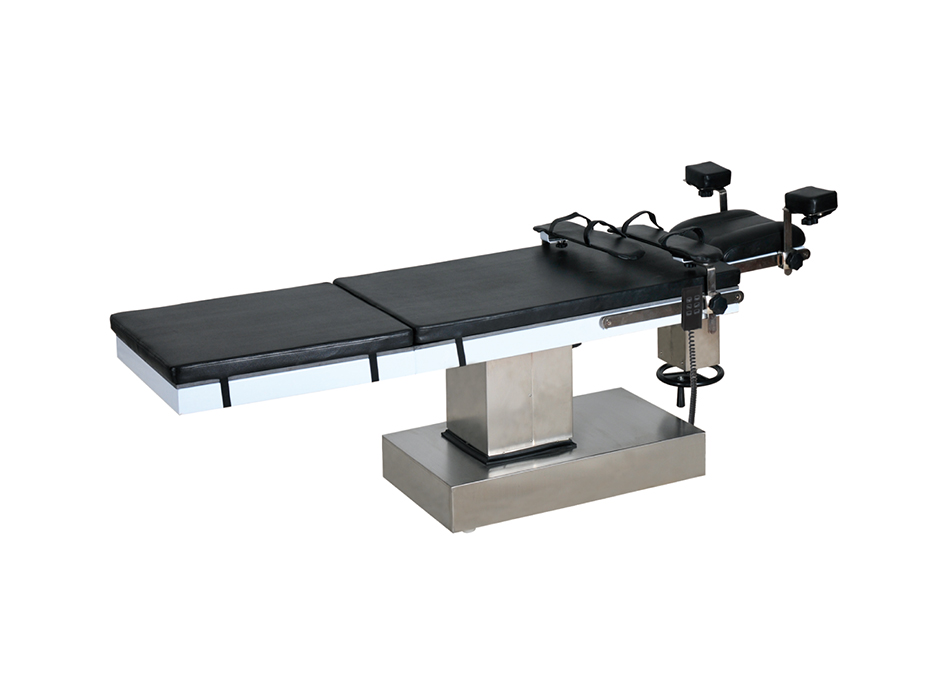
An Electric Hydraulic Surgical Operating Table is a sophisticated piece of equipment used during surgeries to support the patient in various positions that allow the surgeon to access the surgical site efficiently. Unlike traditional manual operating tables, electric hydraulic tables are powered by motors and hydraulic systems that allow for easy adjustments in height, tilt, angle, and position, all at the push of a button.
The primary components of an electric hydraulic surgical operating table include:
This combination of electrical and hydraulic mechanisms makes it possible to achieve precise positioning with minimal effort, thus improving both the surgeon's comfort and the efficiency of the surgical process.
Surgeons are required to work in a variety of positions during operations, sometimes standing for several hours or working in awkward postures. Prolonged periods of awkward positioning can lead to musculoskeletal strain, causing fatigue in the neck, back, and legs, especially when surgeries last for long hours.
Electric hydraulic surgical operating tables address this issue by allowing surgeons to adjust the position of the patient without needing to rely on manual effort. Surgeons can easily modify the height, tilt, and angle of the table using a remote control or foot pedal, enabling them to maintain an ergonomically optimal posture throughout the procedure.
For instance, during delicate surgeries where precision is key, the ability to adjust the patient's position quickly without moving them manually ensures that the surgeon can perform their work in a comfortable stance. This reduces strain on the surgeon’s body, preventing fatigue and the discomfort that often comes with repetitive and extended physical movements.
In many surgical procedures, the position of the patient must be changed frequently to give the surgeon the best possible access to different parts of the body. Traditional manual tables require the assistance of additional staff to reposition the patient, leading to interruptions in the workflow and extended time spent on positioning tasks. This not only wastes valuable time but also causes physical strain on both the surgical team and the patient.
With an electric hydraulic operating table, the surgeon can make precise adjustments to the patient’s position with minimal effort, without needing to wait for assistance. The quick adjustment capability enables the surgical team to move from one stage of the procedure to the next seamlessly, maintaining a smooth and continuous workflow. This efficiency reduces overall surgery time, minimizing fatigue for everyone involved.
The ability to fine-tune the patient's position also enhances the surgeon's access to the surgical site, helping them maintain focus and energy levels. This constant support means less time spent in awkward or uncomfortable positions, which contributes to greater comfort for the surgeon and reduces the risk of fatigue.
In traditional manual operating tables, adjustments often require multiple people to reposition both the table and the patient, which can be cumbersome and time-consuming. This not only impacts the surgeon's ability to maintain comfort but can also create unnecessary physical strain on the rest of the surgical team.
Electric hydraulic tables allow surgeons to control every aspect of the patient’s positioning with precision and ease. This feature is particularly important for complex surgeries, where specific angles and postures are required for optimal access. The ability to make minute adjustments during the surgery can also contribute to faster procedures and a more comfortable working environment for the surgeon, reducing fatigue caused by the physical demands of manual manipulation.
For instance, during orthopedic or spinal surgeries, where access to certain areas of the body must be unobstructed, the surgeon can use the table’s controls to adjust the height and tilt of the operating surface, ensuring they maintain a comfortable and effective working posture.
While minimizing surgeon fatigue is a primary benefit, electric hydraulic surgical operating tables offer several additional advantages that further enhance the overall efficiency of the operating room (OR) and improve patient outcomes.
Surgeons must remain focused and maintain steady hands during surgery. Fatigue can impair concentration and fine motor skills, which can affect the outcome of the procedure. By offering easy access to ergonomic adjustments, electric hydraulic tables help surgeons remain comfortable, alert, and precise during complex procedures.
With the ability to position the patient accurately without needing assistance, surgeons can focus more on the procedure itself rather than on managing discomfort or awkward postures. This precision enhances the likelihood of successful surgery, particularly in delicate or high-risk cases.
Increased surgeon fatigue can lead to lapses in attention, reduced dexterity, or slower decision-making—all of which may contribute to surgical errors. When surgeons are less fatigued and more focused, the risk of complications and mistakes is reduced.
Electric hydraulic surgical operating tables promote a safe working environment by allowing surgeons to adopt positions that support good posture, thereby reducing the likelihood of physical injuries that might result from repetitive motion or strain. This focus on ergonomics is beneficial not only for the surgeon’s well-being but also for patient safety.
The operating room is a highly coordinated environment where every team member must work in sync. The ability to adjust the patient’s position quickly and efficiently means that the surgical team can focus on their tasks without delays caused by manual positioning.
This increased efficiency not only saves time during surgeries but also improves the overall flow of operations in the operating room. Faster positioning of the patient leads to a more efficient surgical process, which can be critical for both the success of the operation and the recovery of the patient.
Long-term exposure to the physical strain of manual procedures can lead to chronic pain and musculoskeletal disorders for surgeons. By minimizing the need for physical exertion, electric hydraulic surgical operating tables help prevent long-term injuries, allowing surgeons to continue performing at their best over the course of their careers.
The ability to work in a comfortable, ergonomically supported environment not only improves the surgeon’s immediate comfort but also reduces the likelihood of developing long-term issues such as back pain, shoulder strain, and repetitive stress injuries. This means that surgeons are less likely to experience fatigue or discomfort that could interfere with their ability to perform surgeries.
When selecting an electric hydraulic surgical operating table, there are several factors to consider to ensure it meets the needs of both the surgeon and the patient. These include:
If you are interested in our products, please consult us
Copyright © 2026 Jiangsu Yigao Medical Equipment Technology Co., Ltd.

Custom Electric Medical Bed Manufacturers
The information provided on this website is intended for use only in countries and jurisdictions outside of the People's Republic of China.