Welcome to Jiangsu Yigao Medical


 ENG
ENG

 English
 Español
Welcome to Jiangsu Yigao Medical

Modern maternity units require efficient equipment that ensures safety, comfort, and smooth workflow for both healthcare staff and patients. Among essential equipment in delivery rooms, the Manual Hydraulic Obstetric Bed has emerged as a practical and reliable solution. By offering adjustable positions, easy operation, and space-saving design, these beds help maternity units optimize space and streamline workflow, ultimately improving maternal care quality.
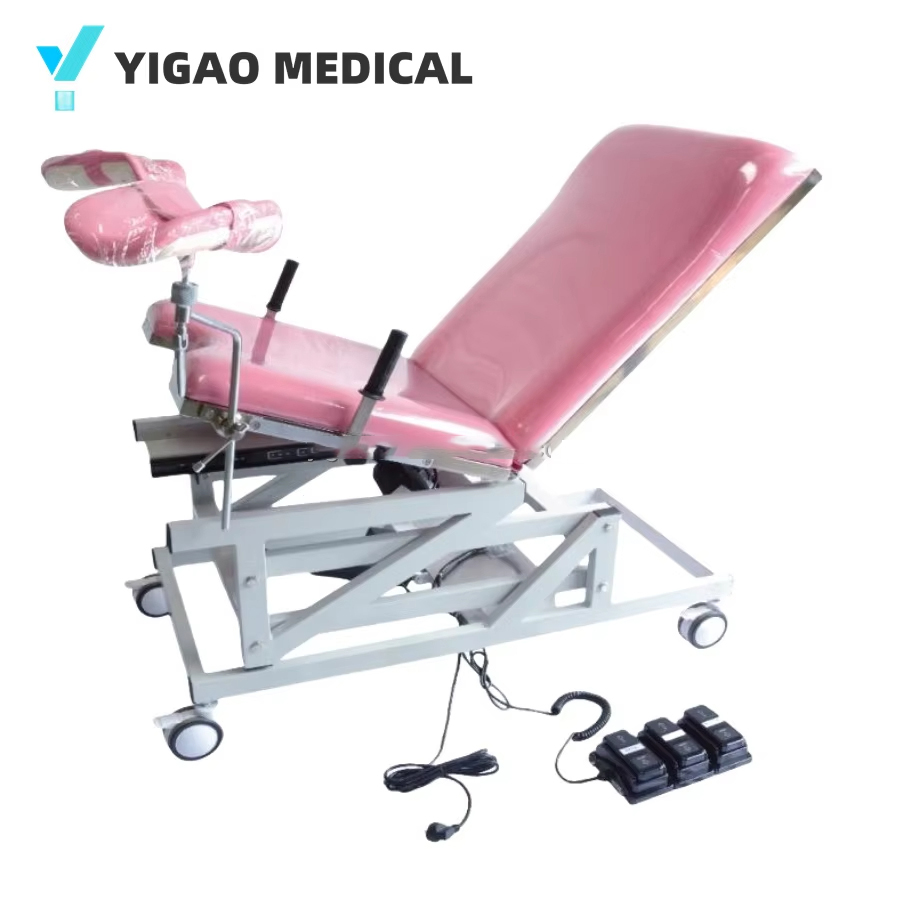
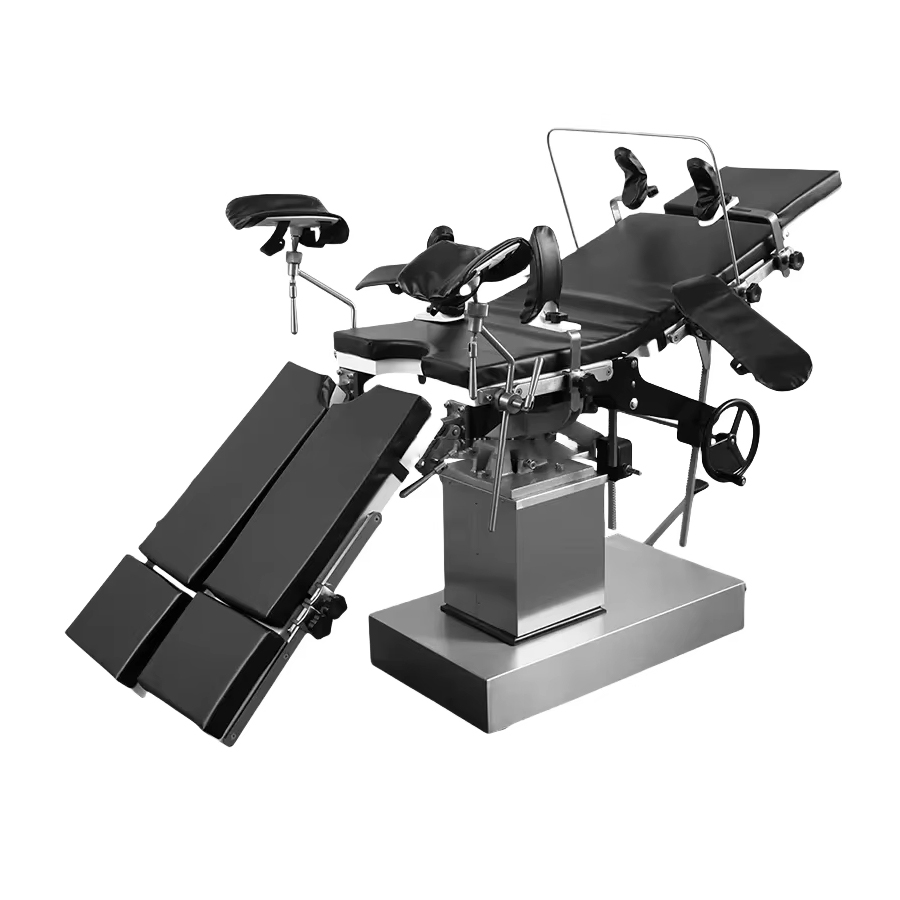
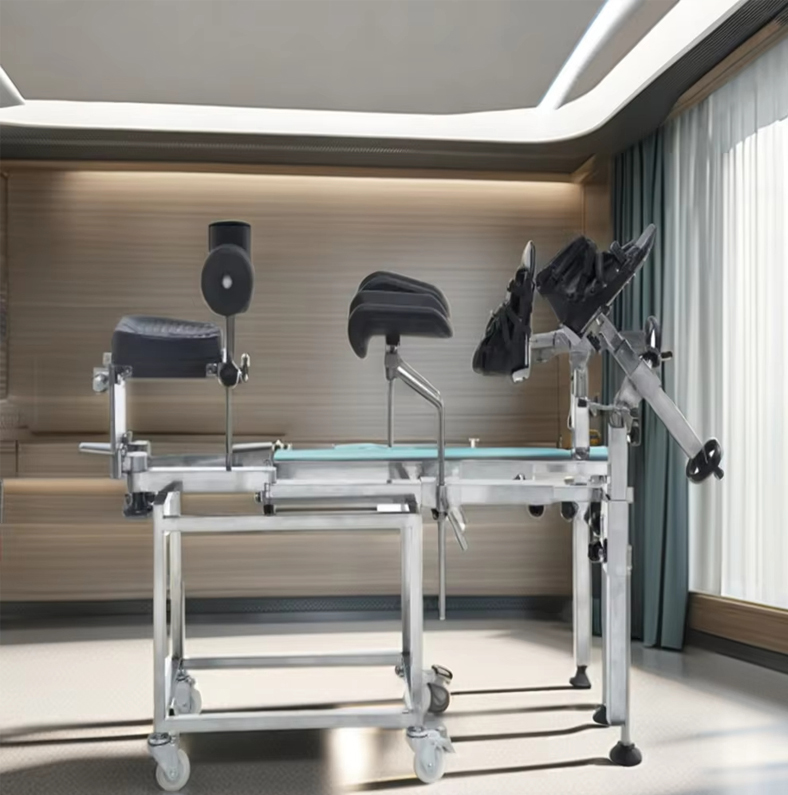
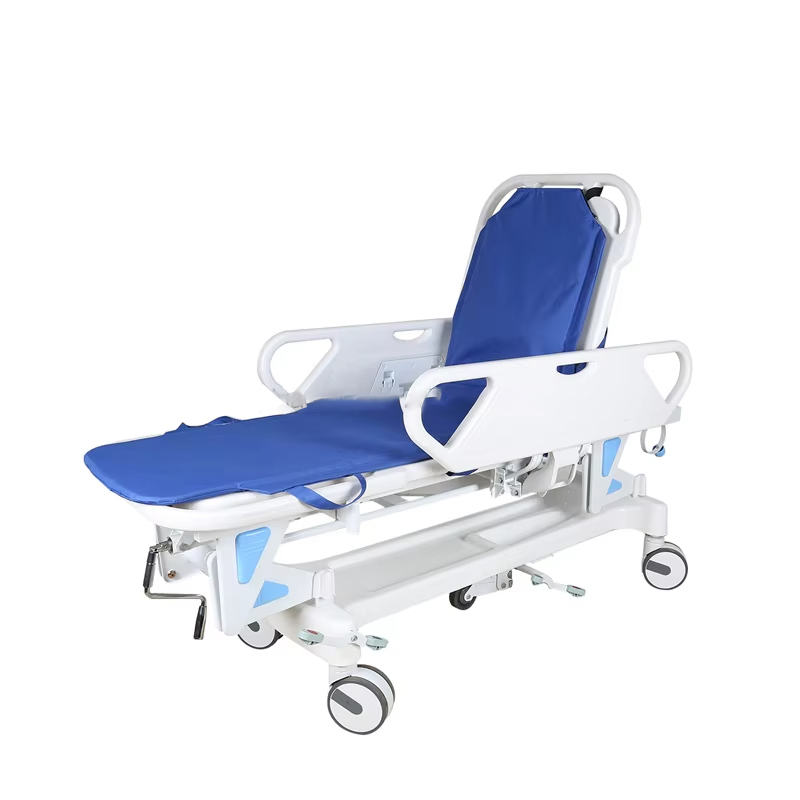
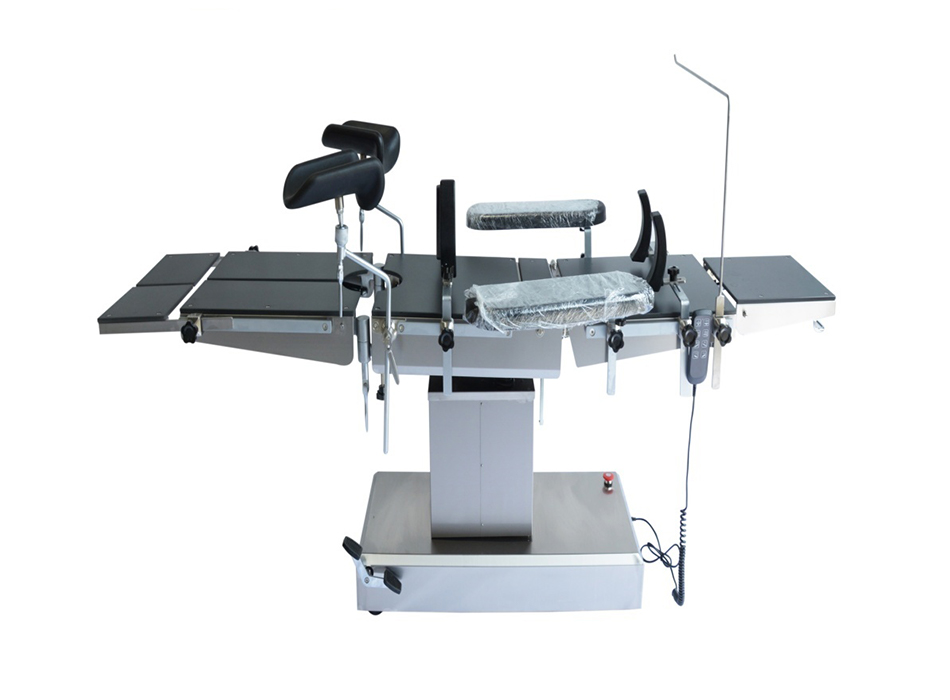
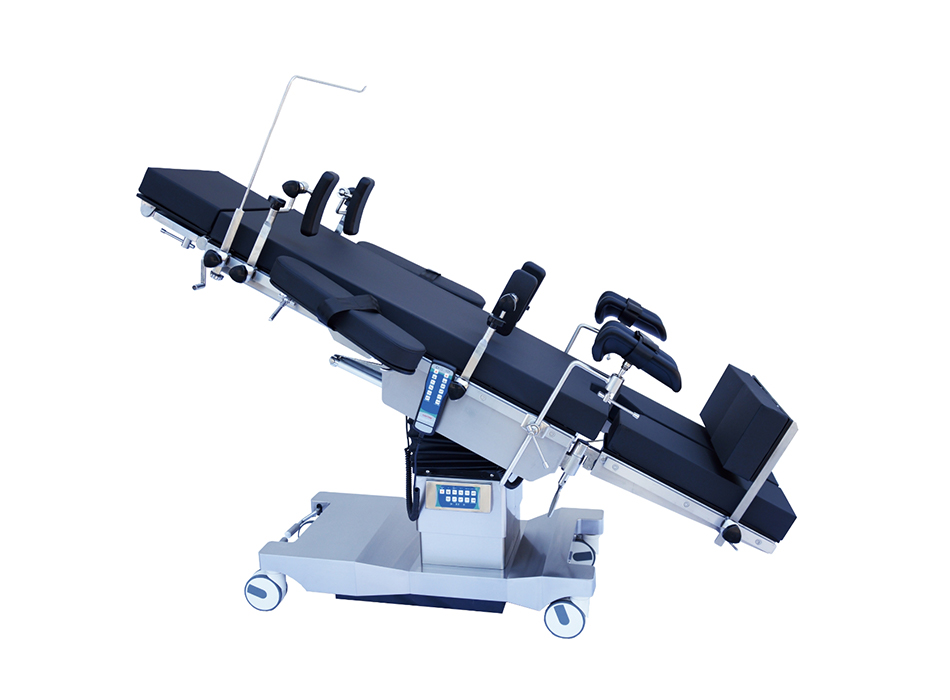
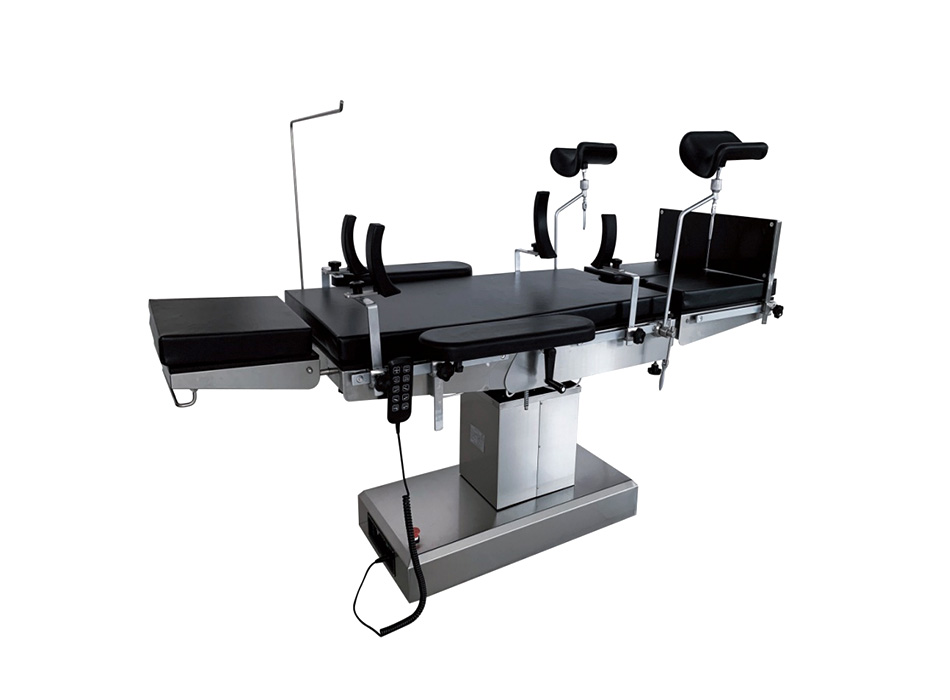
A Manual Hydraulic Obstetric Bed is a delivery and examination bed designed specifically for maternity care. Unlike electric beds, these beds rely on a hydraulic system operated manually to adjust height, backrest, leg sections, and tilt angles. The hydraulic mechanism allows caregivers to position patients safely and comfortably during labor, delivery, and postpartum care.
These beds typically include features such as adjustable side rails, detachable footrests, and flexible mattress sections, which provide multiple configurations for different stages of childbirth and examinations. Their design emphasizes durability, ease of use, and patient safety.
In many hospitals and maternity units, space is a critical concern. Limited room size can make maneuvering staff and equipment challenging, especially during labor and delivery. Manual hydraulic obstetric beds are designed with compact bases and foldable or adjustable components, allowing better utilization of available space.
The adjustable height and sectioned mattress design enable staff to position the bed close to monitors, IV stands, or medical equipment without creating clutter. This compact design ensures that maternity units can accommodate more patients or equipment in the same area, enhancing overall efficiency.
Labor and delivery procedures often require rapid adjustments to a patient’s position. With manual hydraulic beds, caregivers can quickly raise or lower the bed, tilt the backrest, or adjust the leg sections without relying on electrical power. This quick and precise adjustment saves time and reduces physical strain on staff.
Additionally, the bed’s mobility features, such as lockable wheels and smooth casters, allow it to be repositioned easily within the room. This flexibility supports streamlined workflow by enabling staff to access patients from multiple angles and operate safely around the bed during delivery or examinations.
Comfort is an essential factor during labor and postpartum care. Manual hydraulic obstetric beds allow caregivers to adjust the bed to accommodate different stages of labor, from upright positions for active labor to semi-reclined or flat positions for delivery and postpartum recovery.
Patients benefit from ergonomic design, padded surfaces, and customizable positions that reduce discomfort and stress during labor. Comfortable positioning not only supports a positive delivery experience but also contributes to safer and smoother procedures.
Safety is a priority in maternity care. Manual hydraulic obstetric beds include features such as side rails, locking mechanisms, and stable hydraulic systems to prevent accidents or sudden movements.
Side rails protect patients from falling, while secure locking systems ensure the bed remains stable even when adjusting positions or moving the patient. Additionally, hydraulic mechanisms provide controlled, smooth adjustments, reducing the risk of abrupt movements that could compromise patient safety.
Unlike electric obstetric beds, manual hydraulic beds do not rely on electricity, reducing energy costs and dependency on power supply. Their simple hydraulic system is easier to maintain, and parts are generally more durable and less prone to technical failures.
Hospitals and clinics benefit from lower maintenance requirements and longer service life, making manual hydraulic obstetric beds a cost-effective investment for maternity units.
Manual Hydraulic Obstetric Beds are widely used in various maternity care scenarios, including:
Labor Rooms: Adjustable positions allow caregivers to support natural labor processes, facilitate monitoring, and provide comfort for patients.
Delivery Rooms: Beds can be configured for safe and efficient delivery, with positions supporting different birthing techniques.
Postpartum Care: Adjustable backrests and leg sections improve patient comfort during recovery, feeding, and monitoring.
Examination and Procedures: The bed’s height and tilt adjustments allow medical staff to conduct routine examinations or minor procedures with ease.
By serving multiple functions within the maternity unit, these beds reduce the need for multiple pieces of equipment, freeing up space and improving workflow efficiency.
In high-volume maternity units, staff often need to attend to multiple patients simultaneously. Manual hydraulic obstetric beds contribute to smoother operations in several ways:
Quick Adjustments: Staff can reposition patients without leaving the bedside, reducing the need for additional personnel.
Mobility: Beds can be moved within the unit easily, allowing for efficient room management and flexible patient placement.
Versatility: Adjustable beds support multiple stages of care, reducing the need to transfer patients between beds or rooms.
Accessibility: Flexible height and tilt adjustments provide caregivers with optimal access for examinations, monitoring, and interventions.
These workflow improvements help maternity units handle patient needs efficiently while maintaining high standards of care.
Several design elements of manual hydraulic obstetric beds contribute to better space management in maternity units:
Compact Base: Smaller footprints allow beds to fit into rooms with limited space without compromising stability.
Adjustable Sections: Foldable or extendable leg and back sections enable flexible positioning while conserving floor space.
Integrated Accessories: Some models include built-in IV poles, monitor stands, or storage trays, reducing the need for additional equipment in the room.
Movable Wheels with Locks: Facilitates easy repositioning while maintaining safety when the bed is stationary.
These features ensure that maternity units can maximize the available space, improving both patient experience and staff efficiency.
When choosing a manual hydraulic obstetric bed, hospitals and clinics should consider:
Hydraulic System Quality: Smooth, reliable operation ensures safe adjustments and long-term durability.
Adjustability: Multiple adjustable sections allow for labor, delivery, and postpartum configurations.
Safety Features: Side rails, locking mechanisms, and anti-slip surfaces enhance patient protection.
Patient Comfort: Padded surfaces, ergonomic design, and smooth motion improve comfort during labor and recovery.
Maintenance and Durability: High-quality materials and a simple hydraulic system reduce maintenance needs and operational costs.
Supplier Support: Reputable suppliers provide training, maintenance guidance, and spare parts availability, ensuring the bed remains functional for years.
By carefully evaluating these factors, maternity units can select a bed that supports both patient care and operational efficiency.
Investing in a Manual Hydraulic Obstetric Bed provides long-term benefits for hospitals and maternity clinics:
Lower Installation Costs: Simple hydraulic systems reduce installation complexity compared to electric beds.
Reduced Maintenance: Fewer moving parts and no electrical components decrease the likelihood of technical failures.
Operational Efficiency: Adjustable beds support multiple care scenarios, minimizing the need for additional beds or equipment.
Enhanced Patient Care: Comfortable and safe beds improve patient satisfaction and care outcomes.
These benefits combine to make manual hydraulic obstetric beds a practical and cost-effective solution for healthcare facilities.
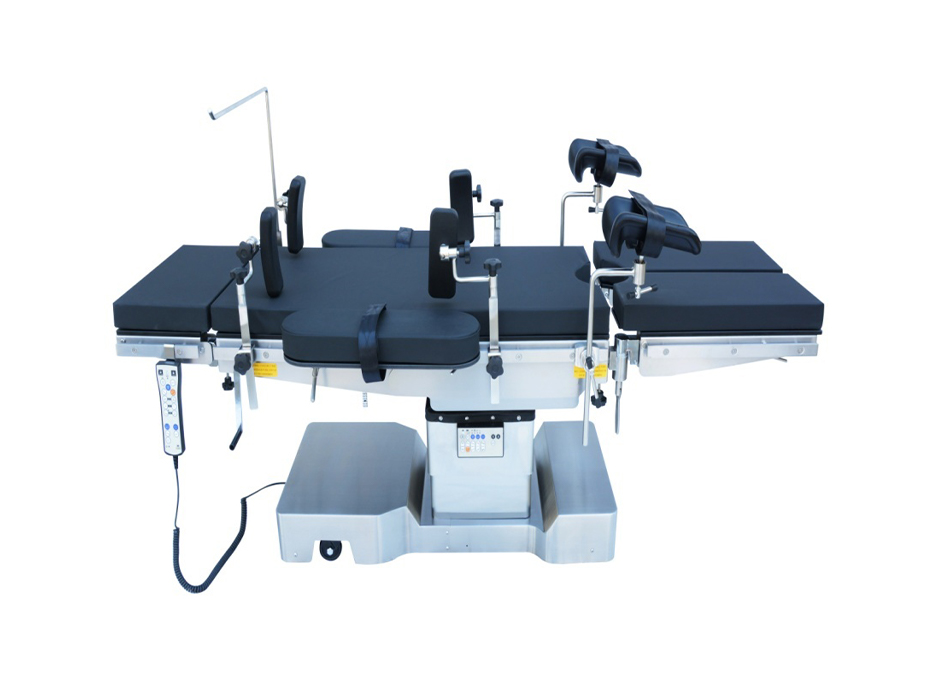
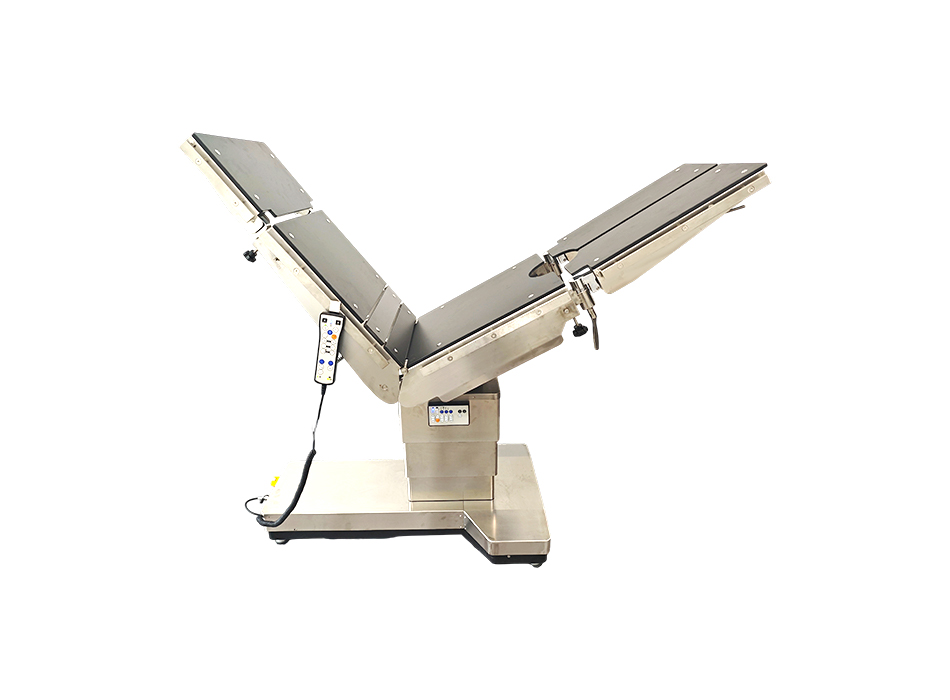
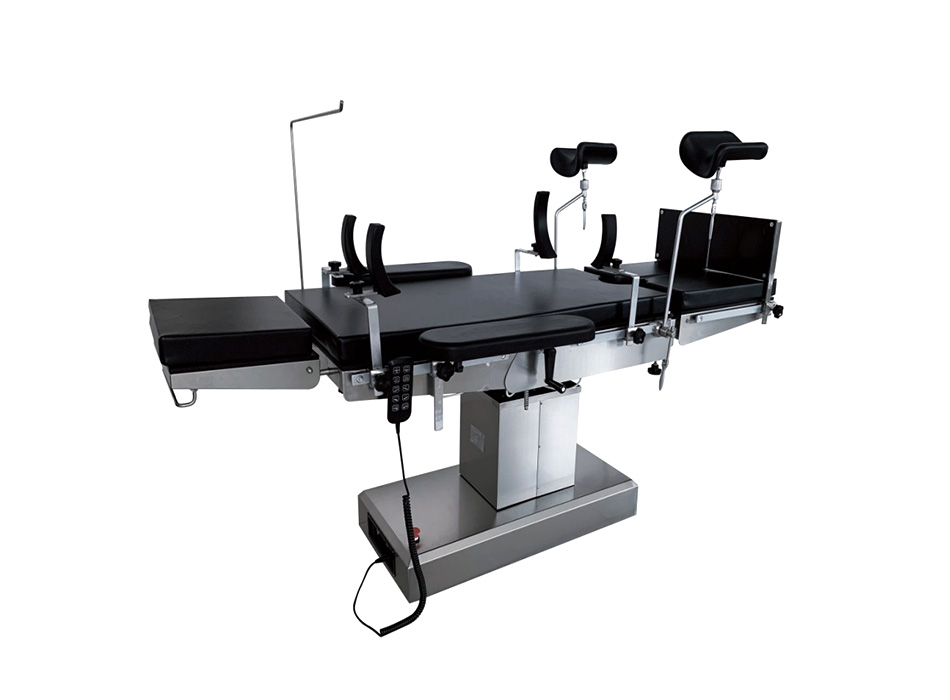
If you are interested in our products, please consult us
Copyright © 2026 Jiangsu Yigao Medical Equipment Technology Co., Ltd.

Custom Electric Medical Bed Manufacturers
The information provided on this website is intended for use only in countries and jurisdictions outside of the People's Republic of China.